A discreet buyer’s guide to evaluating concierge depth at Shoma Bay in North Bay Village, with emphasis on privacy, service quality, operational questions, buyer diligence, and resale confidence.
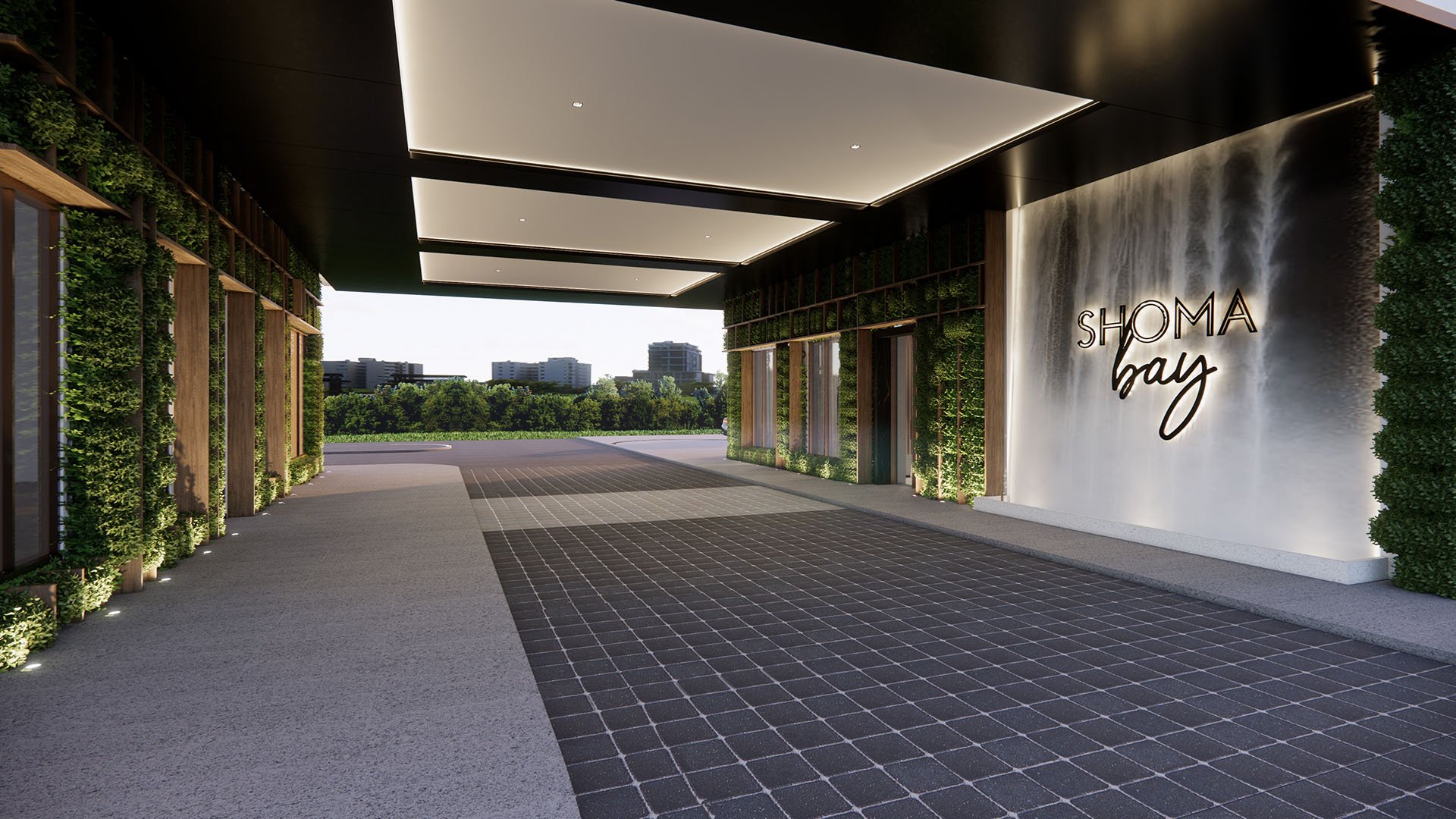
Shoma Bay North Bay Village is the kind of South Florida luxury topic that asks buyers to look beyond surface-level amenity language. Concierge depth is not simply a line item on a brochure. It is the practical service framework that influences privacy, arrival, guest handling, request coordination, and the feeling of ease that residents expect from a high-end condominium environment.
For buyers comparing residences across Miami-Dade, Broward, and Palm Beach, the word concierge can mean very different things from one property to another. In some settings, it may refer to a limited reception function. In others, it may imply a broader service culture. The careful buyer should not assume the meaning is universal. The better approach is to ask how service is defined, how it is staffed, and how it is expected to perform when multiple residents need attention at the same time.
This distinction matters because luxury living is often judged in small moments. A calm arrival, a discreet guest experience, a well-handled delivery, or a clearly communicated request can shape how ownership feels day after day. When those details are consistent, service becomes part of the property’s value proposition.
Privacy is one of the most important ways to evaluate concierge depth. In a luxury residential setting, privacy is not only about being unseen. It is about control: who is recognized, how guests are received, how requests are communicated, and whether resident routines remain quiet and orderly.
A buyer evaluating Shoma Bay should ask how the residential experience is intended to protect discretion. The questions do not need to be complicated. How are residents identified? How are guests announced or directed? How are recurring requests handled? What type of communication does the service team use? The answers help reveal whether the concierge role is primarily symbolic or genuinely operational.
Discretion also depends on tone. The most refined service environments are attentive without feeling intrusive. They support convenience without making residents feel watched. They create structure without adding friction. That balance is one of the clearest signs of mature concierge thinking.
A strong first impression is valuable, but service quality is proven through repetition. The important question is not whether a building can feel polished during a scheduled visit. The more useful question is whether the service model appears capable of staying composed during ordinary daily use.
Buyers should evaluate the clarity of the operating philosophy. What is the concierge expected to handle directly? What requests are referred elsewhere? How are priorities set when several residents need assistance? How are messages documented so that follow-through does not depend on one person’s memory? These practical details can make the difference between a service promise and a service standard.
In luxury real estate, a residence can be beautifully designed and still feel less refined if the daily service environment is inconsistent. Conversely, a building with clear procedures and a discreet service culture can make ownership feel easier, calmer, and more valuable.
Concierge depth is best understood by walking through the resident journey from arrival to departure. A buyer should imagine ordinary ownership scenarios rather than only special occasions. Consider how the building would handle a returning resident, a visiting guest, a scheduled vendor, a package, a car service, or a last-minute request.
This exercise helps buyers identify where service matters most. The lobby experience is only one part of the journey. The more meaningful test is how many moments require coordination and whether the concierge model appears prepared to manage them smoothly. A true luxury service environment reduces friction without becoming theatrical.
The buyer should also consider communication. Clear, respectful communication is central to concierge depth because it affects how quickly needs are understood and how confidently they are resolved. If the building’s service language is vague, buyers should ask for more specificity before relying on it as part of the ownership value.
Resale confidence is shaped by more than finishes, floor plans, and views. Future buyers often respond to how a building feels when they enter it and how credible the service culture appears. If the resident experience feels orderly, discreet, and well managed, that perception can support confidence in the property over time.
For Shoma Bay buyers, concierge depth should therefore be evaluated as part of long-term positioning. A service-forward environment can help a residence feel easier to own, easier to use as a second home, and more compelling to future buyers who expect luxury to be practical as well as aesthetic.
The key is consistency. Service that depends on personality alone can be fragile. Service supported by process, training, communication, and clear standards is more likely to age well. That is why buyers should treat concierge questions with the same seriousness they bring to layout, exposure, and maintenance considerations.
A thoughtful evaluation begins with direct questions. What does concierge service include? What does it not include? How are resident requests tracked? How is privacy protected? How are guests handled? What happens when service volume increases? How is discretion maintained for residents who value a low-profile lifestyle?
Buyers should also listen for the quality of the answers. Specific responses are more valuable than broad luxury language. If a service promise is described only in general terms, ask for examples of typical resident needs and how they would be managed. The goal is not to demand perfection. The goal is to understand whether the building’s approach is practical, repeatable, and aligned with the expectations of the buyer.
This is especially important for second-home owners and investment-minded buyers. When an owner is not always present, clear service procedures can provide peace of mind. When a future buyer evaluates the residence, a composed service environment can help reinforce the sense that the property is well run.
Shoma Bay North Bay Village should be evaluated not only as a residence, but as a service environment. Concierge depth is where privacy, convenience, discretion, and resale confidence intersect. The best buyers will look past amenity vocabulary and focus on how the building is expected to perform in real life.
The strongest conclusion is simple: luxury service must be operational, not ornamental. If the concierge model appears clear, discreet, and consistent, it can strengthen the ownership experience. If it feels vague, buyers should continue asking questions until the service promise is fully understood.
What does concierge depth mean for Shoma Bay buyers? It means looking at concierge service as a daily operating feature that affects privacy, convenience, communication, and the overall ownership experience.
Why is privacy central to evaluating concierge service? Privacy shows how well a building manages access, guests, resident routines, and personal requests without unnecessary exposure.
How can a buyer judge service quality before owning? A buyer can ask specific questions about request handling, guest protocols, communication procedures, and how service is expected to remain consistent during busy periods.
Is concierge service the same in every luxury condominium? No. The term can vary widely, so buyers should ask what the service includes, what it excludes, and how it is actually delivered.
Why does discretion matter in a luxury residential setting? Discretion helps residents feel protected, respected, and unburdened by unnecessary attention or exposure.
Can concierge depth affect resale confidence? Yes. A building that feels well managed and service-oriented can make a stronger impression on future buyers.
What is a practical question every buyer should ask? Ask how resident requests are tracked from the first contact through completion, because follow-through is a key measure of service quality.
Why should second-home owners care about service depth? Clear service procedures can make ownership feel easier when an owner is not present full time.
What is the warning sign of shallow concierge service? A warning sign is vague language that sounds polished but does not explain how requests, privacy, guests, and communication are handled.
What is the main takeaway for evaluating Shoma Bay? Treat concierge depth as part of the property’s core value, because the quality of service can shape both daily comfort and future perception.
When you're ready to tour or underwrite the options, connect with MILLION.
If branded residences are on your mind — as a home or as an allocation — we would be glad to share what we are seeing, privately.
Begin a quiet conversation