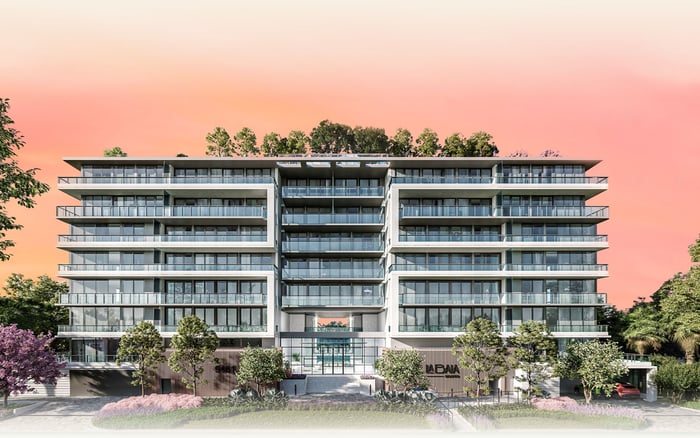
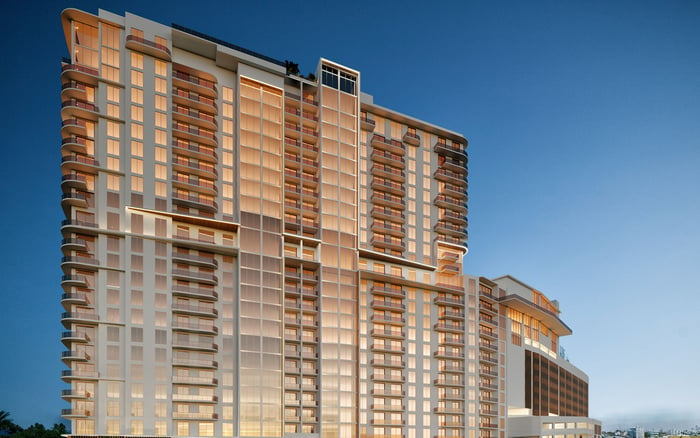
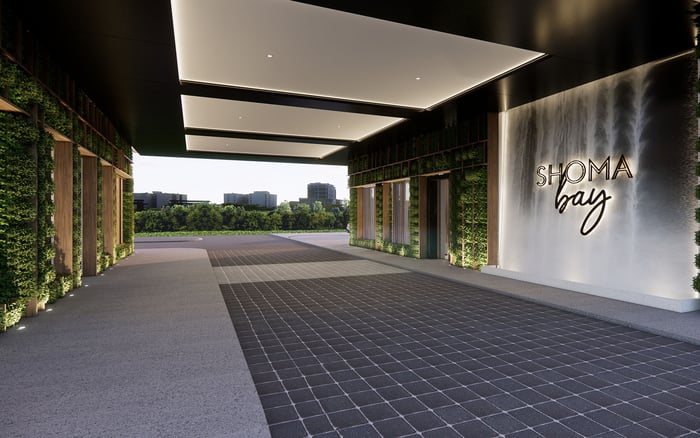
A discreet due-diligence guide for buyers comparing boutique Bay Harbor Islands residences with North Bay Village’s redevelopment-led waterfront market.
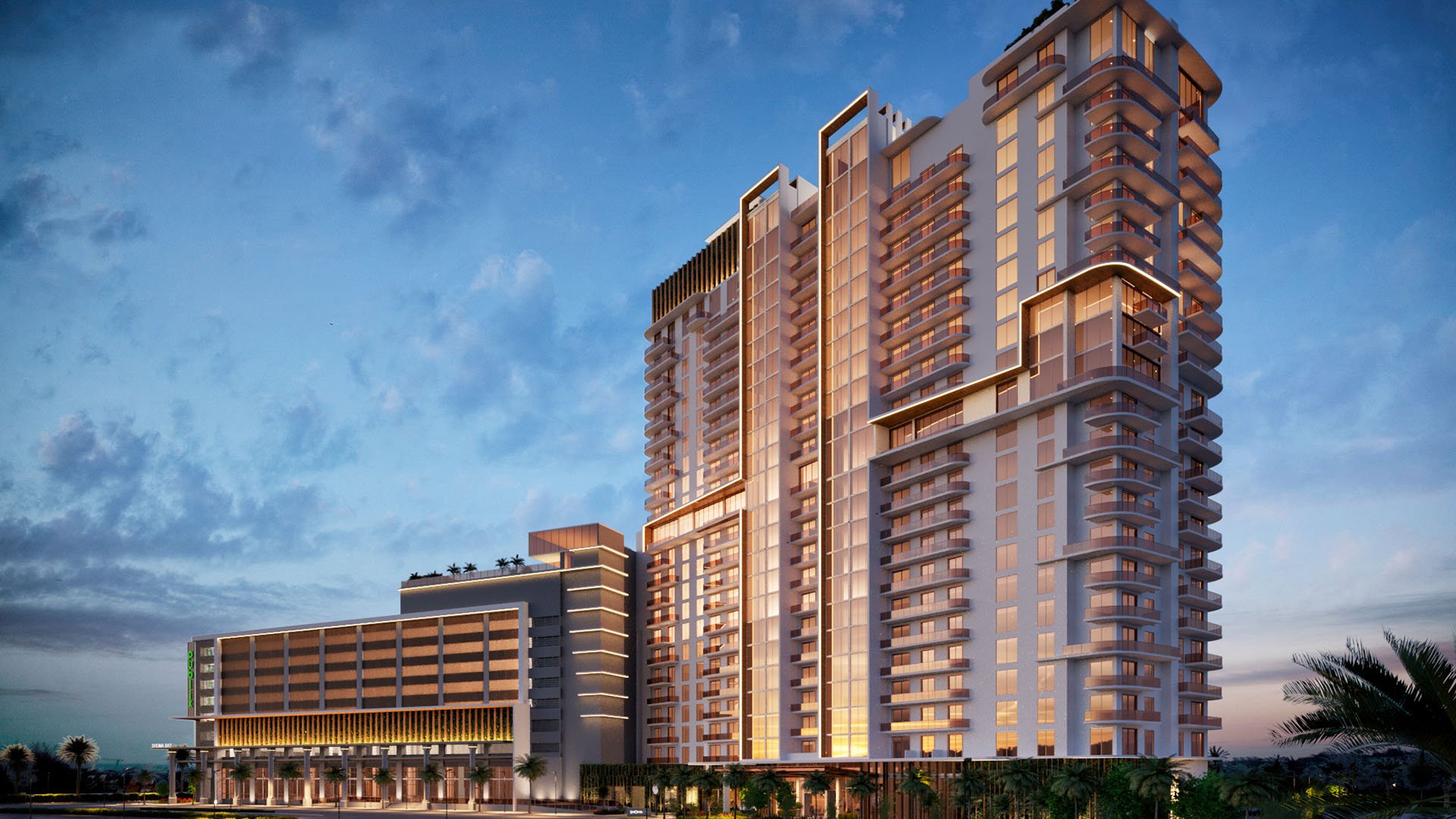
The most disciplined South Florida buyer does not begin with the kitchen, the pool deck, or the renderings. The stronger starting point is whether the residence fits the way life is actually lived. In the corridor spanning Bay Harbor Islands and North Bay Village, that means testing the address against weekday school runs, dinners in Bal Harbour, meetings in Brickell, Miami Beach obligations, airport access, and, for some owners, private aviation routines.
That practical lens is essential when comparing La Baia North Bay Harbor Islands, Shoma Bay North Bay Village, and Mila Bay Harbor Islands. Each can appeal to a buyer seeking waterfront living, but the purchase thesis is not the same. Bay Harbor Islands suggests a quieter, boutique-island rhythm near Bal Harbour. North Bay Village asks the buyer to underwrite a broader redevelopment story.
Before a buyer evaluates a floor plan, the address should be stress-tested. A La Baia buyer should confirm whether Bay Harbor Islands works for daily travel to Bal Harbour, Miami Beach, Brickell, airports, schools, and private aviation hubs. The same exercise applies to Mila, particularly for buyers comparing Bay Harbor Islands with larger Miami luxury corridors where privacy, density, access, and resale liquidity may differ.
The question is not whether the location is desirable in the abstract. It is whether it supports the buyer’s actual calendar. A seasonal owner may value quiet waterfront privacy and proximity to Bal Harbour more than a primary resident who crosses multiple causeways daily. A family may weigh schools and routine driving patterns differently from an investor focused on future buyer demand.
For Shoma Bay, the commute question becomes even more specific. Buyers should test real-world travel across the 79th Street Causeway and other key routes during rush hour and peak season. The most beautiful view can feel less persuasive if the route home does not suit the rhythm of the household.
In both Bay Harbor Islands and North Bay Village, a serious buyer should treat redevelopment as both opportunity and variable. Future projects may enhance neighborhood value, improve the local streetscape, and deepen the buyer pool. They may also affect traffic, construction noise, skyline views, privacy, light, and the character that made the address appealing in the first place.
For La Baia, the key questions should include what future Bay Harbor Islands redevelopment could do to views, neighborhood character, traffic, and resale positioning. Buyers should also verify whether advertised views are protected or could be affected by nearby development. For Mila, the same inquiry should extend to light, privacy, construction activity, traffic, and currently marketed views.
Shoma Bay buyers should ask a parallel but distinct question: are they buying only a residence, or also a stake in North Bay Village’s broader evolution? Planning, zoning, height, density, and mixed-use growth may influence skyline views, noise, traffic, and long-term value. A buyer considering nearby alternatives such as Continuum Club & Residences North Bay Village should apply the same neighborhood-level scrutiny rather than treating any single building as separate from its setting.
The more refined the residence appears, the more important it is to understand the operating model behind it. Serious buyers should ask how association budgets, reserves, insurance, maintenance assumptions, staffing, and long-term waterfront upkeep are being modeled. This is not a pessimistic exercise. It is the difference between buying design and buying durability.
For La Baia, buyers should request clear answers on developer track record, construction quality, delivery timeline, deposit structure, contract protections, and what happens if completion is delayed. The same disciplined approach should apply to any pre-completion purchase, including written detail on deposit schedule, cancellation rights, closing costs, estimated monthly charges, and what is included versus priced as an upgrade.
For Mila, the boutique-island promise should be matched by building operations. Buyers should verify staffing expectations, maintenance standards, association budgeting, and the practical service level that will exist after residents move in. A residence can feel intimate and private during sales presentations, yet the long-term ownership experience depends on the association’s financial and operational architecture.
Shoma Bay introduces a different category of diligence because buyers should scrutinize how the mixed-use component will operate day to day. The right questions are practical: how will retail activity be managed, where will loading occur, how will parking work, what security layers separate residential and public uses, how are deliveries handled, and what kind of public access is contemplated?
Mixed-use can bring energy, convenience, and future neighborhood relevance. It can also introduce movement, sound, service traffic, and operational complexity. The sophisticated buyer does not reject that model automatically. Instead, the buyer asks for the building’s actual protocols and evaluates whether they match the desired lifestyle.
Every purchase at this level should include an exit conversation. Buyers comparing La Baia, Shoma Bay, and Mila should pressure-test future demand by asking who the likely resale buyer might be: a primary resident, a seasonal user, an investor, a downsizer, or an international buyer.
They should also ask what is driving the premium. Is the value thesis mainly waterfront setting, views, amenities, low-density privacy, neighborhood upside, or scarcity? A Bay Harbor Islands buyer may prioritize discretion and boutique scale. A North Bay Village buyer may be more focused on redevelopment momentum and future positioning. Neither approach is inherently superior, but they are different underwriting stories.
Condominium documents deserve the same attention as views and finishes. Mila buyers, in particular, should review rental rules, pet policies, parking rights, storage rights, use restrictions, reserve obligations, and owner approval processes. Those details can shape everyday ownership and future liquidity more than a showroom conversation suggests.
What is the first question buyers should ask before choosing among these residences? Ask whether the location fits daily life, including commutes, schools, airports, Miami Beach, Bal Harbour, and Brickell.
Why does redevelopment matter in Bay Harbor Islands? Nearby redevelopment can affect views, light, privacy, traffic, construction noise, neighborhood character, and eventual resale positioning.
How should buyers think about Shoma Bay North Bay Village? It should be evaluated as both a residence and a bet on North Bay Village’s broader planning, density, and mixed-use evolution.
What should La Baia buyers ask the sales team in writing? Ask for details on deposit schedule, delivery timeline, contract protections, cancellation rights, closing costs, and what happens if completion is delayed.
What makes Mila due diligence distinct? Buyers should test whether its boutique-island positioning is supported by staffing, maintenance standards, budgeting, and durable building operations.
Should buyers rely on marketed views? No. Buyers should ask whether views are protected or whether future nearby development could alter them.
What should be reviewed in condominium documents? Rental rules, pet policies, parking rights, storage rights, use restrictions, reserves, and owner approval processes all deserve careful review.
Why are association budgets so important? Budgets, reserves, insurance assumptions, and maintenance planning help define the true cost and quality of long-term waterfront ownership.
How should buyers evaluate mixed-use components? Ask how retail activity, loading, parking, security, deliveries, and public access will operate on ordinary days.
What is the best way to shortlist comparable options for touring? Start with location fit, delivery status, and daily lifestyle priorities, then compare stacks and elevations to validate views and privacy.
For a tailored shortlist and next-step guidance, connect with MILLION.
If branded residences are on your mind — as a home or as an allocation — we would be glad to share what we are seeing, privately.
Begin a quiet conversation