A discreet buyer’s guide to evaluating art-friendly climate control before purchasing luxury real estate in North Bay Village, with practical questions for collectors, designers, and advisors.
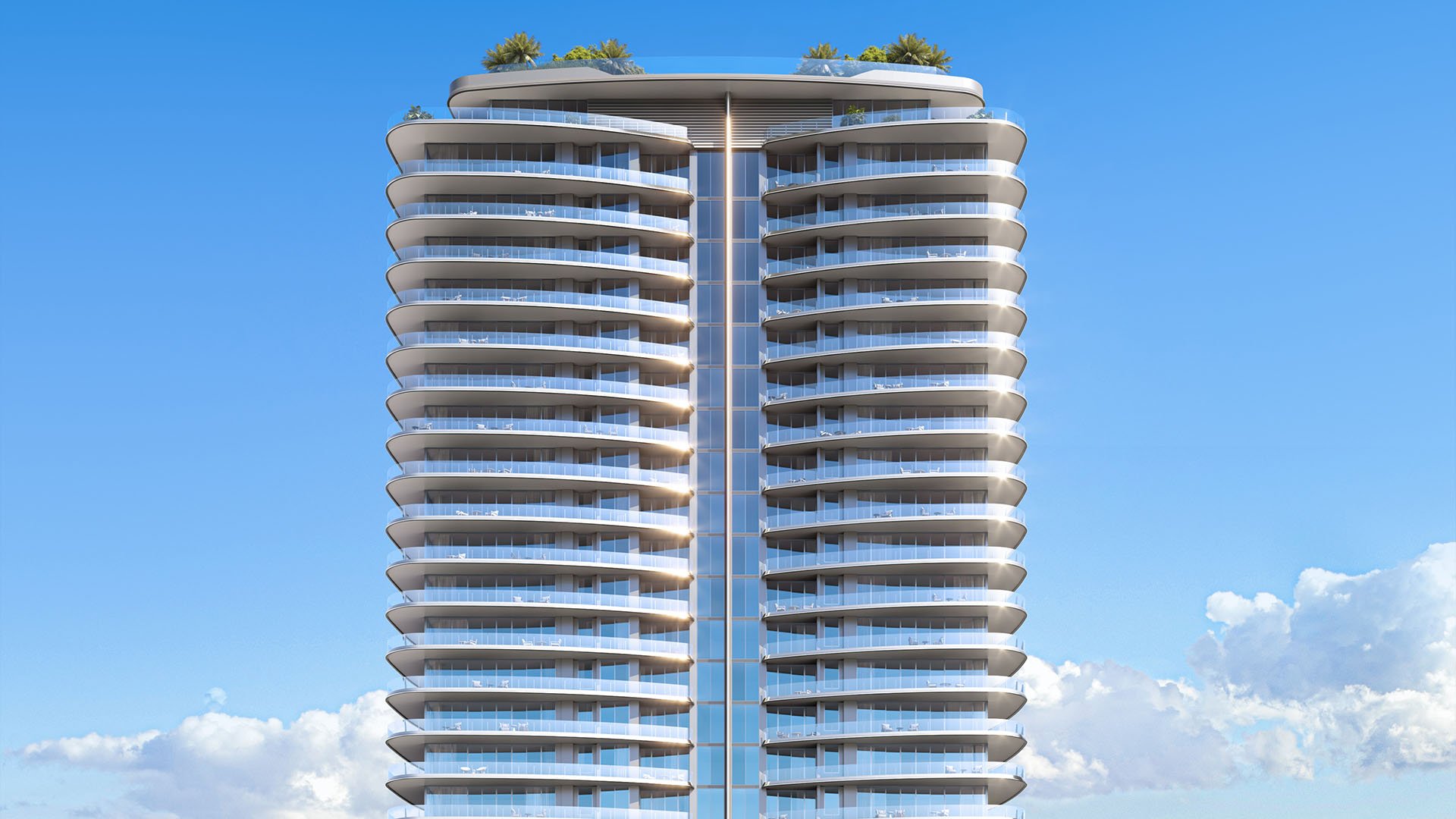
In North Bay Village, the strongest luxury purchase is not judged only by view lines, floor plan, ceiling height, or the theatre of arrival. For a serious collector, the home must also perform as a quiet conservation environment. Climate control belongs in the conversation before the first offer, not after the designer has chosen the walls.
Art-friendly climate control is not a single feature. It is a disciplined review of temperature stability, humidity behavior, sunlight management, air movement, system redundancy, service access, and how the residence performs when the owner is away. A waterfront home may be visually irresistible, but a waterview is collector-friendly only when the interior environment can remain calm, consistent, and measurable.
This is where North Bay Village buyers should move from lifestyle language to operational questions. If the home will hold paintings, works on paper, photography, sculpture, collectible design, rare books, or archival materials, ask the same questions a private collection manager would ask. The answers can reveal whether a residence is merely beautiful or genuinely suitable for long-term stewardship.
The first question is simple: how is humidity controlled inside the residence, and where can that be verified? A thermostat reading is not the same as humidity management. Buyers should ask whether the system measures humidity, whether dedicated dehumidification is available, and whether settings can be monitored while the owner is traveling.
In a luxury condominium, the answer may involve the building’s mechanical approach, the unit’s individual equipment, and any owner-installed upgrades. In a single-family home, it may involve multiple zones, air handlers, fresh-air strategy, and sealed spaces. The objective is not to demand one universal solution, but to understand whether the home can maintain a stable interior environment in the rooms where art will live.
When comparing residences such as Continuum Club & Residences North Bay Village, ask your advisor to separate the romance of the bayfront setting from the mechanics behind the walls. The most elegant residence is the one that allows a collector to leave for a season without wondering what is happening in the living room.
Collectors often begin with square footage, but the more useful question is wall quality. Which walls are shaded, which receive direct light, which back onto mechanical rooms, and which are exposed to exterior conditions? A large wall is not automatically an art wall.
During a private showing, walk the residence as if installation day has already arrived. Note glass exposure, balcony adjacency, return vents, supply vents, kitchen proximity, and the way natural light crosses the room. Ask whether the seller has ever installed major works, whether wall reinforcement exists, and whether any restrictions apply to drilling, anchoring, or adding specialty lighting.
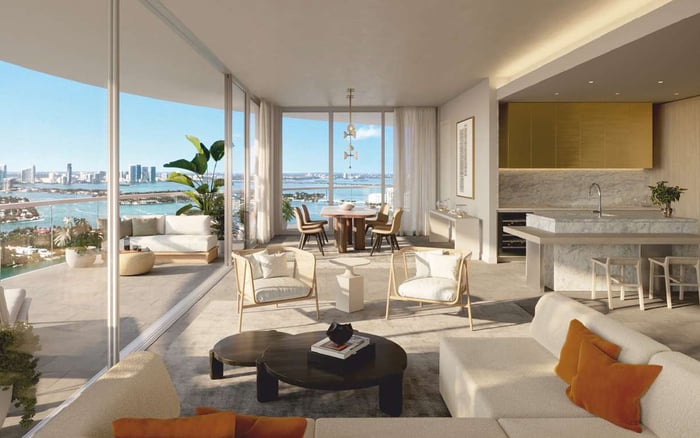
The balcony can be a defining lifestyle feature, but it also changes the art conversation. Sliding doors, frequent openings, outdoor humidity, and strong light can influence which walls are suitable for sensitive works. For collectors, interior planning and exterior glamour must be considered together.
In waterfront luxury real estate, glass is often the signature gesture. For an art owner, it is also a technical variable. Ask what type of glazing is installed, whether any films or treatments have been added, and whether window coverings can be programmed by zone. If the residence is new or recently renovated, request product information where available.
This does not mean a collector should avoid glass. It means the buyer should understand how the residence moderates light throughout the day. Works on paper, photography, textiles, and certain pigments may require more careful placement than sculpture, stone, or metal. A home with expansive bay views can still be collection-ready if the lighting plan is disciplined.
At properties such as Shoma Bay North Bay Village, buyers evaluating interiors should ask how window treatments, artificial lighting, and wall placement can work together. Design and architecture are not only about form. For collectors, they are also about restraint.
A collector’s residence should have a plan for interruption. Ask what happens if power is lost, if an air-conditioning component fails, or if the owner is overseas. Does the residence provide alerts? Can a property manager receive notifications? Is there remote access to climate settings? Who is authorized to enter, and how quickly can service be arranged?
These questions are not dramatic. They are the ordinary language of responsible ownership. A trophy residence should support a lifestyle that includes travel, seasonal use, and periods when the home is unoccupied. The point is to understand the chain of response before a problem occurs.
For buyers considering Tula Residences North Bay Village or another new-development option, this is the moment to ask detailed questions early. Pre-closing is often the best time to clarify wiring, smart-home integration, storage needs, and access protocols.
Luxury is not only the absence of visible equipment. It is the ability to service that equipment without disrupting the home. Ask where filters are located, how technicians reach mechanical areas, whether maintenance requires entry through primary living spaces, and how often the systems should be inspected.
A collector should also ask whether any room intended for storage can be conditioned independently. Art storage in a closet, den, or secondary room may sound convenient, but it needs the same calm environment as display areas. If a home has wine storage, media rooms, or specialty millwork, ask whether those zones create temperature variation nearby.
Waterfront living can be exceptionally refined, but waterfront ownership rewards buyers who understand operations. The goal is not to turn a residence into a museum. The goal is to create a home that can host life, views, guests, and valuable objects without conflict.
The best moment to involve a designer, art installer, or collection advisor is before the purchase contract is fully negotiated. Their walk-through can identify issues that a standard showing will miss: inadequate art walls, overly bright corridors, poor lighting angles, or mechanical conflicts.
This is especially useful for buyers moving from a larger estate, downsizing from a mainland home, or shifting from Miami Beach, Bal Harbour, or Bay Harbor Islands into North Bay Village. A collector comparing La Baia North Bay Harbor Islands with North Bay Village options may find that the decisive factor is not address alone, but how each interior can support the collection.
Buyer’s guides often focus on pricing, amenities, and neighborhood fit. For art-minded buyers, the additional question is whether the residence can act as a stable frame for a private world. The answer requires practical inspection, not assumption.
Before submitting an offer, ask for available information on HVAC systems, recent service history, smart-home climate controls, window treatments, lighting systems, and any owner upgrades affecting temperature or humidity. If the home is furnished or staged, ask to view the walls and corners that may be hidden by art, mirrors, or millwork.
If the collection is significant, make the due diligence period work harder. Bring in the right specialists, request access for inspection, and ask whether any building rules affect installation, deliveries, elevator reservations, insurance documentation, or contractor access. For large-format pieces, confirm the practical path from loading area to wall.
A refined purchase in North Bay Village should feel effortless after closing because the difficult questions were asked beforehand. Climate control is one of those questions. It is invisible when done well, and impossible to ignore when neglected.
Is standard air conditioning enough for valuable art? Not always. Ask whether the residence can manage humidity, stability, monitoring, and alerts in the specific rooms where art will be displayed or stored.
Should I bring an art advisor before making an offer? Yes, if the collection is meaningful. A specialist can assess walls, light, humidity concerns, and installation logistics before the contract becomes difficult to adjust.
What should I ask about smart-home climate controls? Ask whether temperature and humidity can be monitored remotely, whether alerts can be shared, and whether settings are zoned by room.
Do bay views create problems for collectors? Bay views are not the problem. The key is managing light, glass exposure, door use, and placement of sensitive works away from unstable conditions.
Are new residences automatically better for art? Not automatically. Newer systems may offer advantages, but buyers still need to review equipment, controls, glazing, lighting, and service protocols.
What rooms are usually best for sensitive works? Interior rooms with controlled light, limited exterior exposure, and stable air movement are often easier to manage than rooms surrounded by glass.
Should I ask about backup power? Yes. Understand what systems remain active during an outage and who receives alerts if climate conditions change while you are away.
Can window treatments help protect art? They can be part of a broader strategy. Ask whether they are programmable, zoned, and appropriate for the level of sunlight in each room.
What should I review in a condominium building? Review unit systems, building rules, service access, delivery logistics, elevator policies, and any restrictions affecting installation or maintenance.
Is climate control a negotiation point? It can be. If inspections reveal needed upgrades, buyers may address timing, access, or responsibility during the due diligence process.
If you'd like a private walkthrough and a curated shortlist, connect with MILLION.
If branded residences are on your mind — as a home or as an allocation — we would be glad to share what we are seeing, privately.
Begin a quiet conversation