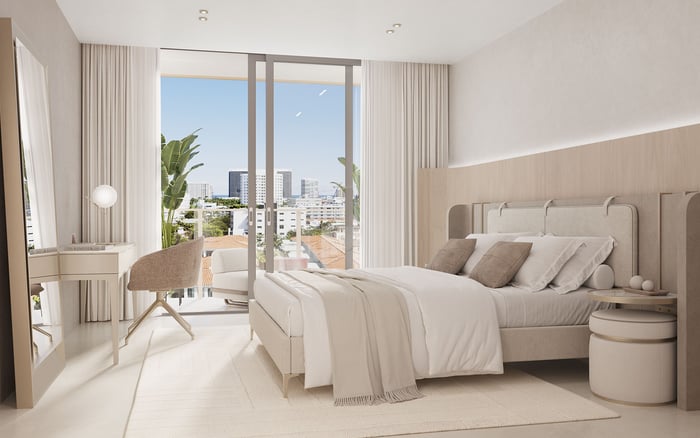
A pre-contract guide for evaluating terrace furniture storage at Setai Residences Miami Beach, with attention to weather, condominium rules, storm readiness, and long-term usability.
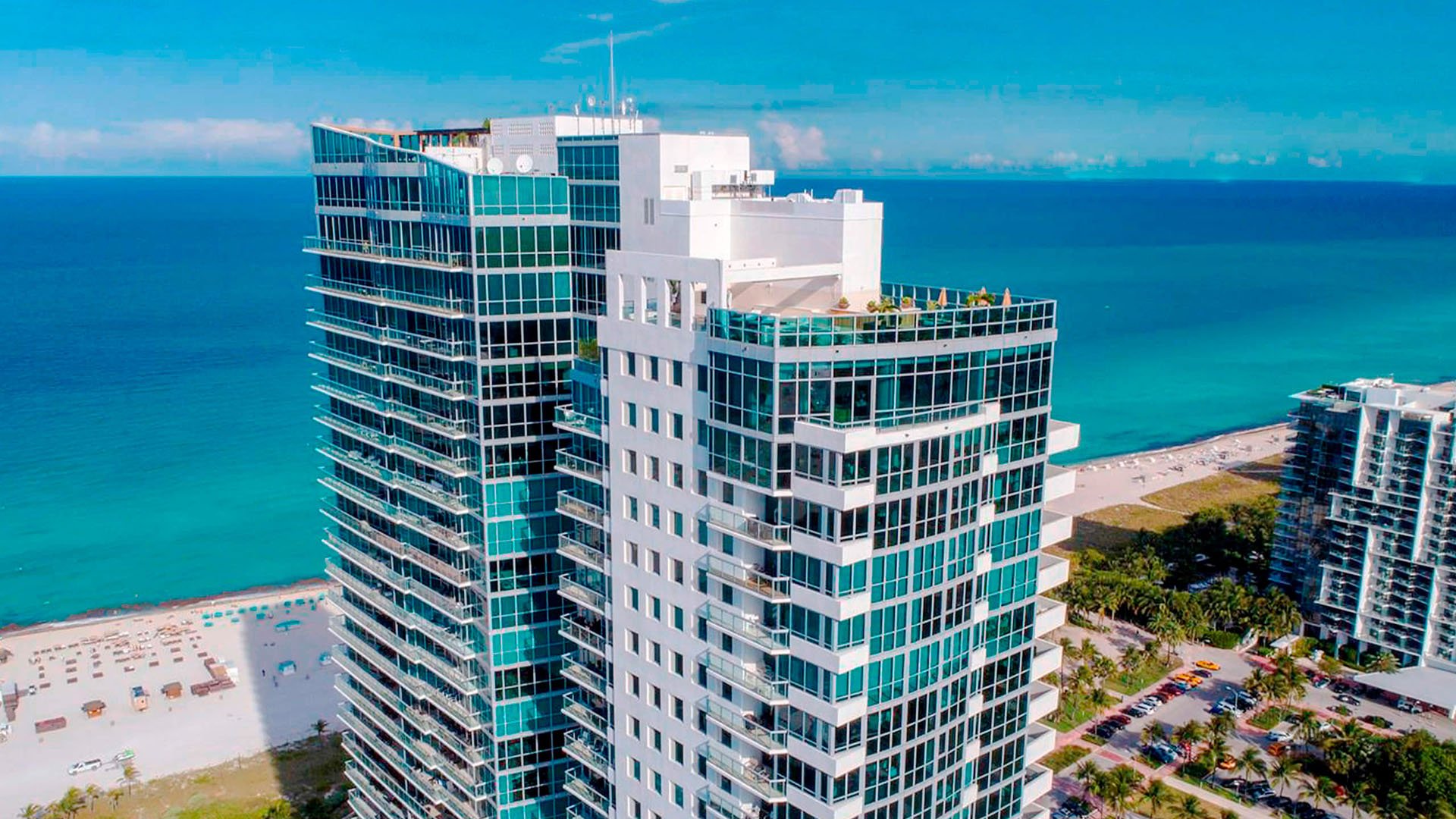
At Setai Residences Miami Beach, the private outdoor area is not a decorative afterthought. It is part of the residential proposition: a place for morning coffee, ocean air, quiet dining, and the open-air entertaining that defines a refined Miami Beach lifestyle. For a buyer evaluating this oceanfront condominium setting before contract, the central terrace question should be more exacting than square footage alone.
The more useful question is practical: where does the furniture go when weather, building rules, maintenance, or storm preparation require it to move?
Outdoor-room furniture storage may sound mundane beside views, finishes, and branded service. Yet it has direct consequences for daily usability, safety, upkeep, and resale appeal. A generous balcony can perform beautifully when furniture is permitted, durable, easily moved, and visually compatible with the property. The same space can become frustrating if covers, cushions, cabinets, lanterns, storage benches, or decorative objects create rule, wind, drainage, or aesthetic issues.
For Setai Residences Miami Beach, this is a pre-contract diligence item, not a post-closing decorating decision. In search language, it sits at the intersection of Miami Beach, oceanfront, balcony, terrace, and second-home planning. In ownership reality, it determines how gracefully the indoor-outdoor promise can be lived.
The most disciplined approach begins with intended use. Is the terrace meant for a pair of lounge chairs, a dining table, occasional cocktails, sunning, reading, or a flexible mix of all of the above? A buyer should sketch the desired outdoor room as a sequence of use cases, then test each one against movement and storage.
Cushions need a dry place. Dining chairs need a destination when the wind rises. Decorative objects may need to come inside. Covers need to be permitted, fitted, and stored when not in use. A storage bench may seem elegant, but only if it is allowed by condominium rules and does not interfere with drainage, waterproofing, or the building envelope.
The difference between a terrace that photographs well and a terrace that lives well often appears in these details. Before contract, ask whether the planned layout remains realistic on a humid week, during maintenance access, in advance of severe weather, and after months of salt-air exposure.
Condominium documents, house rules, and management guidance should be reviewed with the same seriousness as a survey or closing statement. Buyers should verify whether outdoor storage benches, planters, cabinets, furniture covers, lanterns, and loose decorative accessories are permitted. If an item is essential to the intended lifestyle, the buyer should not assume it will be allowed simply because it is common elsewhere.
The hotel-condominium context adds another layer. Private terraces can be visible from shared amenity areas, the beach, neighboring buildings, and other residences. That visibility may make balcony appearance an operational concern. A storage solution that seems discreet from inside the residence may read differently from below or across the property.
The objective is not to avoid outdoor furnishing. It is to understand the boundaries before relying on a design plan. A well-planned terrace respects the building’s visual standards, keeps movable pieces under control, and preserves the property’s composed architectural impression.
Setai’s oceanfront Miami Beach environment makes salt air, humidity, sun exposure, and storm preparation central to furniture selection. Marine-grade materials, resilient finishes, and performance fabrics are not indulgences here. They are part of protecting the owner’s investment in the outdoor room.
Fabric should be evaluated for moisture resistance and ease of removal. Metal frames should be selected with corrosion risk in mind. Wood, woven elements, and cushions should be judged by how they will age when exposed to salt, humidity, and direct sun. Even beautiful pieces can become burdensome if they require constant care or cannot be moved quickly.
Higher-floor residences deserve special attention to wind exposure. Loose items, light chairs, planters, and small tables may require a more conservative storage strategy. Lower-floor residences are not exempt from scrutiny. Humidity, pool-deck proximity, and chemical-air exposure can affect fabrics, finishes, and storage components over time.
In both cases, the buyer should evaluate the furniture plan as a system: what stays outside, what comes inside, what is covered, what is secured, and what can be removed without professional intervention.
A terrace storage concept should never interfere with balcony drainage, waterproofing, railings, thresholds, or exterior surfaces. This is especially important when buyers are considering cabinets, built-in-looking benches, heavy planters, or custom solutions that may sit against walls or near drains.
Before contract, ask whether any proposed storage item requires approval. Clarify whether weight, placement, water flow, or fastening methods are restricted. A freestanding piece can still be problematic if it blocks drainage or traps moisture. A cover can still be an issue if it changes the appearance of the facade or behaves poorly in wind.
The most attractive storage ideas are often the quietest: furniture that stacks, cushions that fit inside approved pieces, covers that are tailored and permitted, and decorative objects that can be removed quickly. Luxury, in this context, is not more furniture. It is a terrace that remains serene because its logistics have been solved.
Seasonal and international owners should be especially clear about hurricane preparation and off-season procedures. If the residence may be unoccupied for extended periods, the buyer should understand whether the building offers any practical assistance with furniture covers, furniture removal, storm preparation, or storage coordination.
No buyer should assume that staff, management, or neighboring owners will move terrace items unless that support is specifically confirmed. The right pre-contract questions are direct. What must be removed before a storm? How much notice is typically provided? Are covers sufficient, or must all loose items be brought inside? Is there any approved place beyond the residence itself to store outdoor furniture?
These answers can affect which residence is the better fit. A compact terrace with an easy storage plan may be more usable than a larger one with furniture that is difficult to move, prohibited to store, or impractical for an absentee owner.
Future buyers will notice whether an outdoor room has been easy to maintain. Worn cushions, corroded frames, stained covers, and improvised storage can diminish the perceived quality of a residence. Conversely, a terrace with durable pieces, orderly storage, and a clear storm routine reinforces the impression of disciplined ownership.
For buyers at Setai Residences Miami Beach, this is where lifestyle and asset protection meet. The terrace is part of the emotional purchase, but storage is part of the financial logic. It determines whether the outdoor space remains an everyday pleasure or becomes a recurring operational task.
Before signing, the buyer should walk the terrace slowly with a tape measure, a furniture plan, and the governing rules in mind. Ask where each item goes. Ask what happens in wind, rain, maintenance, and storm conditions. Ask whether the desired outdoor room still works when the building’s standards are applied. The answer will reveal more than a rendering ever can.
Why should furniture storage be reviewed before contract? Because it affects terrace usability, maintenance, storm readiness, safety, and future resale appeal.
Is terrace size enough to judge outdoor living value? No. A terrace that looks spacious can perform differently if rules limit what may remain outside or how items must be secured.
What documents should a buyer request? Request condominium documents, house rules, and management guidance covering balcony furniture, storage, covers, and storm procedures.
Are storage benches and planters automatically allowed? They should not be assumed. Buyers should verify whether benches, planters, cabinets, lanterns, covers, and loose items are permitted.
Why does the oceanfront setting matter? Salt air, humidity, direct sun, and storm exposure can affect fabrics, finishes, metal frames, and storage durability.
Do higher floors require different planning? Yes. Higher floors can require closer scrutiny of wind exposure, movable furniture, and secure storage feasibility.
Do lower floors have their own concerns? Yes. Lower floors may face humidity, pool-deck proximity, and chemical-air exposure that can affect materials.
Can storage interfere with the building itself? It can. Any storage concept should be checked against drainage, waterproofing, exterior surfaces, and building-envelope concerns.
What should seasonal owners ask about storm preparation? They should clarify whether practical help exists for furniture removal, covers, hurricane preparation, or storage coordination.
What is the best way to shortlist comparable options for touring? Start with location fit, delivery status, and daily lifestyle priorities, then compare stacks and elevations to validate views and privacy.
For a tailored shortlist and next-step guidance, connect with MILLION.
If branded residences are on your mind — as a home or as an allocation — we would be glad to share what we are seeing, privately.
Begin a quiet conversation