Private elevator foyers can change a penthouse from a trophy asset into a practical, private primary residence by improving arrival, circulation, storage, service flow and daily comfort.
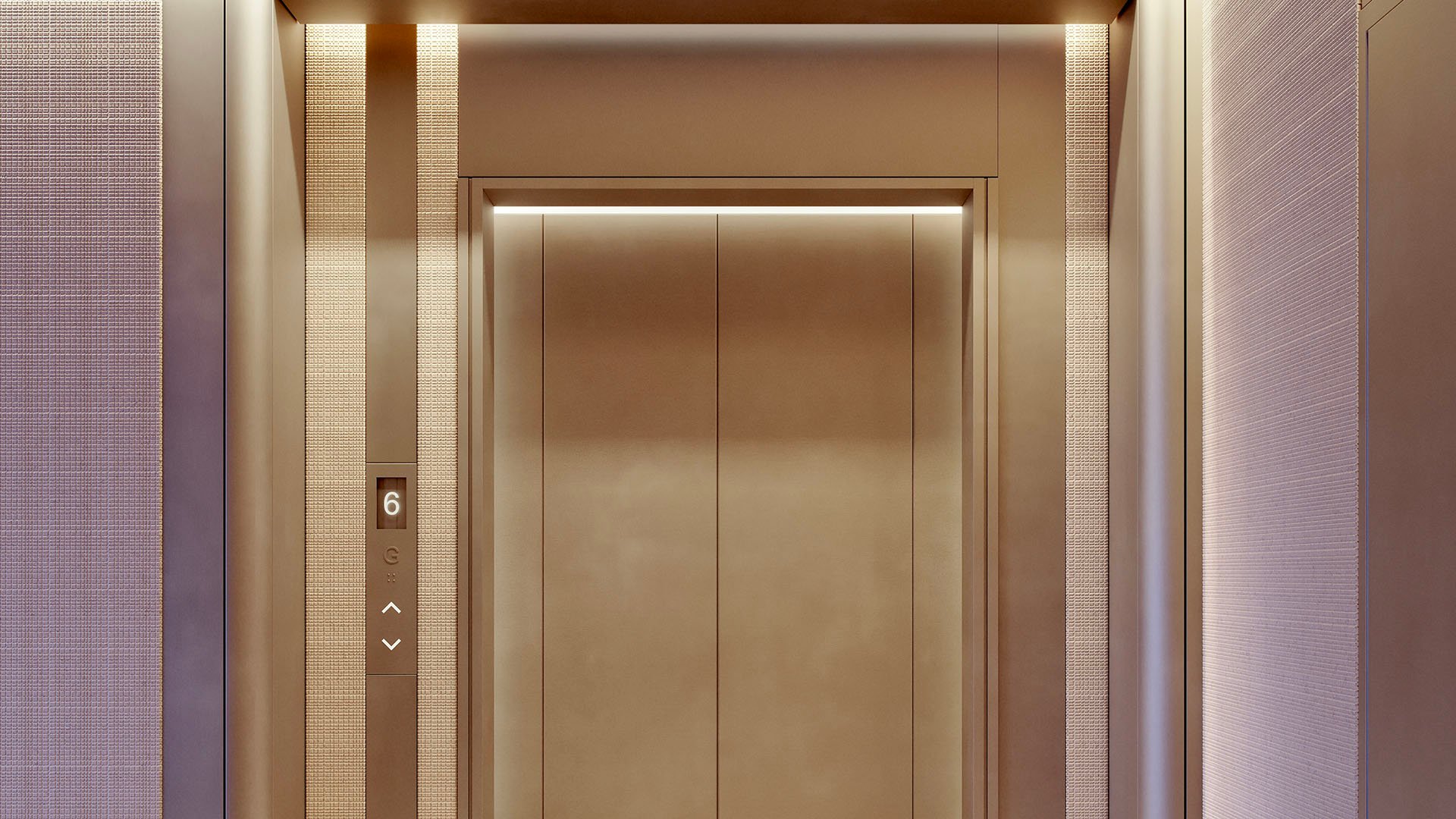
A penthouse is often judged by what happens at the glass line: the view, the terrace, the horizon, the cinematic sweep of water and city. Yet the more revealing test of whether a penthouse can function as a full-time residence occurs before the view appears. It begins at the elevator door.
A private elevator foyer is not merely a glamorous point of arrival. In the most livable South Florida penthouses, it is the architectural buffer between public movement and private life. It gives the residence a proper threshold, closer to the front court or vestibule of a great estate than a corridor in a tower. For buyers considering a primary residence rather than an occasional pied-a-terre, that distinction can define the ownership experience.
The foyer shapes how one enters after dinner, how luggage arrives after travel, how staff and deliveries are handled, how guests are received, and how the residence feels at 7 a.m. on a weekday. In a market where high-floor living is expected to be effortless, the private foyer is one of the quiet details that makes it so.
A full-time residence needs rituals, not just spectacle. The owner should be able to step out of the elevator into a composed, private space rather than directly into the principal living room. That pause matters. It creates privacy, allows the home to reveal itself gradually, and gives daily arrivals a sense of dignity.
It also improves control. Without a well-planned foyer, every arrival can feel like an interruption. With one, the household gains a layer of discretion. Visitors are received before entering the main rooms. Packages do not immediately become part of the living area. Family members can transition from the pace of the building to the privacy of home.
This is especially important in larger penthouses, where the residence may host formal entertaining one evening and a quiet family breakfast the next morning. The same floor plan must support both. A private elevator foyer gives the home a flexible front stage: formal when needed, practical when the day demands it.
A foyer should not be treated as leftover square footage with a console table and a mirror. In a serious penthouse, it is part of the plan. The proportions should feel intentional. Ceiling height, lighting, wall surfaces and flooring should signal that one has entered a private residence, not an amenity corridor.
The strongest examples create a sequence. The elevator opens to a defined vestibule. From there, the home may unfold toward a gallery, a view corridor or a formal living area. The point is not to hide the drama, but to control it. A penthouse that reveals everything in the first second can feel theatrical. A residence that stages arrival with restraint often feels more permanent.
Lighting matters. Soft architectural illumination can make the foyer feel calm at night and gracious in the early morning. Durable flooring matters as well, particularly in South Florida, where beach days, boating, rain and frequent travel are part of the lifestyle. A beautiful threshold must also tolerate real use.
The private elevator foyer is also where lifestyle logistics become architecture. A residence may have superb finishes, but if daily circulation is awkward, the home will not live at the level its price suggests. Buyers should look closely at how the foyer connects to service areas, secondary entries, closets, powder rooms and staff routes.
In a full-time home, there are groceries, floral deliveries, garment bags, golf clubs, children arriving with friends, pets returning from walks and guests arriving for dinner. The question is whether those movements can happen gracefully. A foyer with insufficient space can become congested. A foyer without storage pushes daily clutter into the living areas. A foyer without a clear guest path can make entertaining feel less polished.
The most successful layouts allow the formal arrival to remain composed while practical movement happens nearby. That might mean a discreet connection to a service corridor, a concealed closet or a vestibule deep enough to handle luggage without blocking the elevator. These are not decorative choices. They are the mechanisms that make vertical living feel like estate living.
When touring a penthouse, buyers often stand at the window first. A better exercise is to begin at the elevator and walk the first two minutes exactly as life will happen. Where do keys go? Where does a guest pause? Can two people enter with luggage comfortably? Is there a sightline directly into private rooms? Does the elevator open into a place that feels secure and finished?
Then consider the rhythm of entertaining. If guests arrive in groups, the foyer should allow conversation, greeting and movement without creating pressure at the threshold. If the residence is intended for art, the foyer may become the first gallery wall. If the home will be used year-round, storage and durability are not secondary concerns.
For portfolio comparisons, the shorthand may include Brickell, Miami Beach, Sunny Isles and Fisher Island, yet the practical test remains the same: does the arrival sequence support the way the owner actually lives? A penthouse can have magnificent exposure and still feel temporary if its entry lacks privacy, proportion and function.
South Florida penthouses often revolve around outdoor space. A generous terrace may become the true living room during season, which makes the foyer even more important. Guests may arrive for sunset, pass through the interior, and move toward the outdoor areas. The entry must handle that flow without making the home feel like a passageway.
The relationship between foyer, living room and terrace should feel intuitive. If the plan is too abrupt, the home can seem like a showcase rather than a residence. If the route is too indirect, entertaining loses ease. The best layouts create anticipation: arrival, compression, release, view, then outdoor life.
A full-time owner will also care about the return journey. After a day on the water or an evening out, the foyer should feel protective and orderly. It should welcome the household back without requiring the main rooms to absorb every bag, sandal, jacket or delivery. This is where luxury becomes less about display and more about relief.
The first question is whether the foyer is truly private. Some residences describe an elevator landing as private when it may still feel exposed or shared in practice. Buyers should understand the actual arrival condition, the level of access control, and whether the space reads as part of the home.
The second question is whether the foyer has enough depth. A shallow landing may look acceptable in photography but fail in daily use. The third is whether the materials match the residence. A penthouse arrival should not feel like an afterthought, especially when the home is positioned for long-term occupancy.
Finally, buyers should ask how the foyer supports resale. Sophisticated purchasers notice thresholds. They understand that privacy, arrival and service flow are difficult to correct after completion. Views may attract attention, but a well-resolved arrival can quietly justify confidence.
A private elevator foyer turns a penthouse into more than an address in the sky. It gives the home a front door, a moment of privacy, and a daily cadence that supports real life. For South Florida buyers who plan to live in the residence, not simply visit it, that can be the difference between admiration and belonging.
The most successful penthouses do not rely on one spectacular room. They work from the first step inside. They receive guests elegantly, protect family life discreetly, absorb the realities of service and travel, and let the view arrive at the right moment. In that sense, the private elevator foyer is not a luxury accessory. It is the beginning of the residence.
What is a private elevator foyer? It is a dedicated entry space where the elevator opens directly into, or immediately before, a private residence rather than a common hallway.
Why does it matter in a penthouse? It creates privacy, improves arrival, and helps the home feel like a true residence rather than a high-floor apartment.
Is a private foyer only about prestige? No. Prestige is part of the appeal, but the greater value is functional: circulation, discretion, storage and guest control.
What should buyers look for first? Look for depth, privacy, lighting, storage potential, and a graceful transition into the main living areas.
Can a small foyer still work well? Yes, if it is thoughtfully proportioned and does not force guests, luggage or deliveries directly into the living room.
Does the foyer affect entertaining? Absolutely. A good foyer allows guests to arrive comfortably before moving into the main spaces or outdoor areas.
How does it support full-time living? It absorbs daily arrivals, packages, service movement and travel routines without disturbing the principal rooms.
Should the foyer connect to service areas? Ideally, yes. A discreet connection to service circulation can make the residence feel more orderly and private.
Does a private foyer help resale value? It can strengthen buyer confidence because it signals privacy, thoughtful planning and a more residential ownership experience.
Is the elevator door itself enough? Not usually. The space beyond the door, including proportion, sightlines and function, determines whether the arrival feels complete.
If you'd like a private walkthrough and a curated shortlist, connect with MILLION.
If branded residences are on your mind — as a home or as an allocation — we would be glad to share what we are seeing, privately.
Begin a quiet conversation