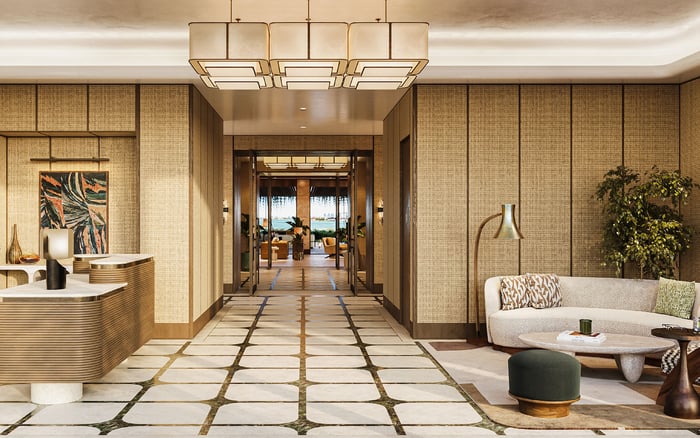
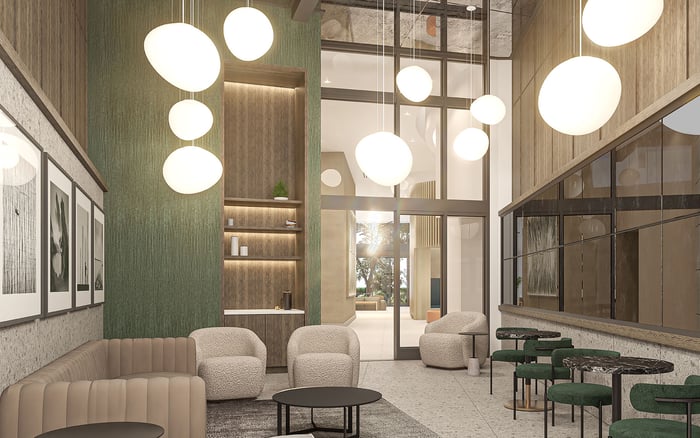
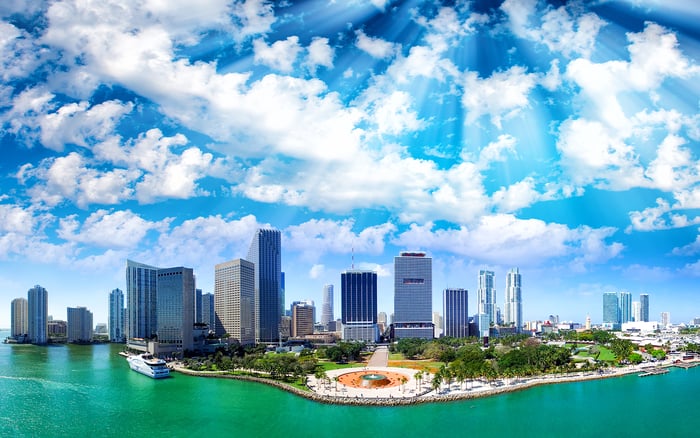
In South Florida’s ultra-luxury market, privacy is not a concierge promise. It is a full building system spanning arrival sequence, vertical circulation, staff protocols, camera governance, digital access, and even the sight lines from a neighboring tower. This guide outlines how discerning buyers can evaluate whether a condo truly protects discretion beyond a polished front desk.
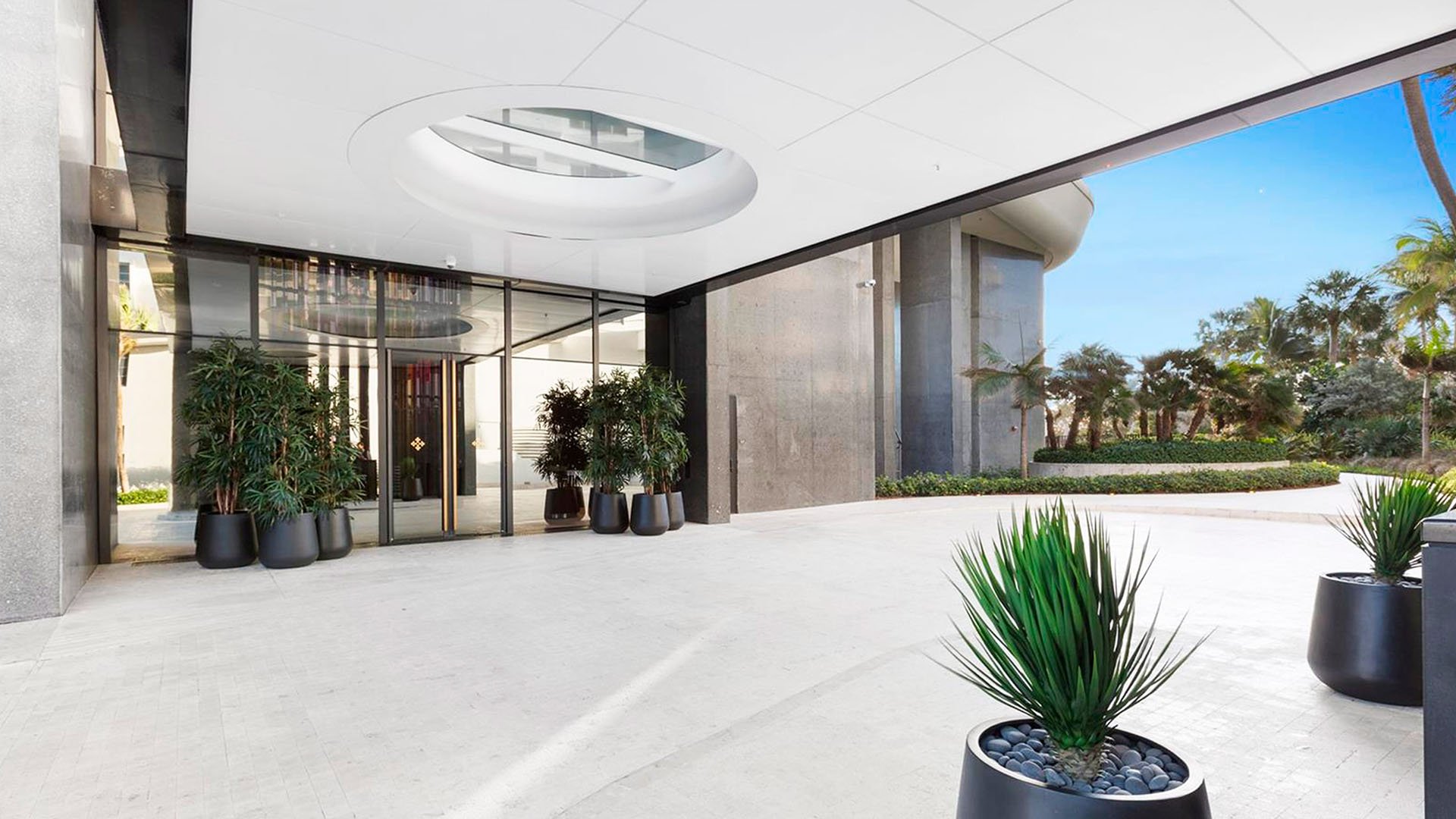
In the ultra-luxury segment, privacy is often marketed as an atmosphere: calm staff, a refined porte cochere, a polished reception desk. For serious buyers, that is only the surface. Real privacy is operational. It begins at the property line, continues through parking and service circulation, and extends into elevators, amenity access, staff protocols, and the digital systems that quietly document daily life.
A well-run building treats security as layered, not symbolic. Staffed entry is one layer. Credentialed access is another. Biometric controls may add another. Restricted elevator circulation matters because it limits unnecessary movement between public and private zones. The question is not whether a tower offers 24/7 security. The better question is whether the full chain of access has been designed to reduce visibility, friction, and unwanted contact.
That distinction is increasingly relevant across South Florida, where newer developments often emphasize privacy by design. In buildings such as The Perigon Miami Beach or The Residences at 1428 Brickell, buyers are often drawn to refined arrival experiences and more controlled circulation. Even so, the same principle applies in every market, from Miami Beach to Brickell to West Palm Beach: ask how the system performs when residents, guests, vendors, and staff are all moving through the property at once.
Many buyers focus on the lobby because it is where the sales experience begins. Privacy is often decided earlier, in the garage, at the gate, or within the valet sequence. Parking deserves its own review because it creates different exposure risks than the front desk. A building may feel discreet upstairs while still making arrivals highly visible through shared ramps, exposed drop-offs, or loosely managed valet operations.
Ask whether parking is gated, monitored, and covered by cameras, and whether those cameras are positioned with a clear purpose rather than broad surveillance for its own sake. If self-parking is available, it may allow a lower-profile arrival and departure than a mandatory valet system. If valet is required, buyers should understand how keys are handled, who has access to vehicles, and whether resident routines become easy for staff to observe.
Service routes are equally important. Separate loading docks, service corridors, and dedicated service elevators reduce overlap between residents and deliveries, contractors, housekeeping teams, and moving crews. In practical terms, this is one of the clearest signs that a building takes privacy seriously. In a polished waterfront address such as Rivage Bal Harbour or Alba West Palm Beach, the elegance of resident areas matters, but the invisible back-of-house plan may matter more.
The most persuasive privacy feature in a tower is often architectural rather than electronic. Private-elevator or private-lobby layouts reduce shared vertical circulation and make repeated encounters in transitional spaces less likely. Offset elevator banks, private vestibules, and carefully considered sight lines can do more for discretion than another camera ever will.
This is where buyers should avoid treating all floor plans as equally private. Unit privacy can vary significantly within the same building. Corner residences may be dramatic and light-filled, but wraparound terraces and broad expanses of glass can also increase exposure from neighboring towers or public vantage points. Floor-to-ceiling glazing is beautiful, but its orientation matters. Recessed balconies, landscaping, facade depth, and more opaque glazing strategies can materially reduce direct sight lines into living spaces.
The right walkthrough is not ceremonial. It is investigative. Stand on the terrace and look toward adjacent buildings. Check what can be seen from the street. Ride the elevator and observe where doors open, what staff stations overlook, and whether amenity corridors feel exposed. In Surfside, for example, a residence at The Delmore Surfside should be evaluated not just for finish and scale, but for how effectively its planning limits visual intrusion in everyday use.
Luxury buyers sometimes assume that discretion is implied by price point. It is not. Buildings vary widely in how they vet staff, authorize unit access, handle master keys, and record maintenance visits. A polished operation should be able to explain who can enter a residence, under what circumstances, whether owner authorization is required, and how entries are logged.
The same scrutiny should extend to background screening and confidentiality expectations. Ask for the building’s written staff-vetting policy rather than relying on verbal assurances. Ask whether employees, housekeeping teams, contractors, and outside vendors are bound by confidentiality requirements or NDA-style policies. Discretion is strongest when it is formalized.
Guest management deserves similar attention. Some buildings require pre-approval, maintain logs, and restrict guest access to specific areas. Others allow more casual movement, particularly around shared clubs or restaurants. Exclusive or tiered amenities can improve privacy because they reduce unnecessary interaction compared with heavily trafficked, building-wide social spaces.
The newest generation of luxury towers is increasingly seamless: keyless entry, resident apps, integrated home controls, digital amenity booking, package notifications, valet requests. Convenience is seductive, but it creates a second layer of privacy exposure that buyers often overlook.
Every smart-building tool raises practical questions. Where is data stored? Who controls the servers? What encryption standards are used? How long are access logs retained? If a resident books the gym, requests the car, or reserves a dining room through an app, is that behavior tied to identity in a searchable record?
Video systems deserve the same level of scrutiny. Buyers should request a clear explanation of camera placement, retention periods, and who is authorized to view footage. It is also reasonable to ask whether footage may be shared with insurers, law enforcement, or third-party operators, and under what circumstances. Property managers, app providers, and security contractors may all have access to databases or video systems, so vendor-level confidentiality terms belong in due diligence.
In Florida, meaningful privacy terms may not be highlighted in sales materials. They are often found in declarations, house rules, operational policies, and management procedures. That is why privacy due diligence should include counsel. A buyer’s attorney can review governing documents for clauses related to access control, cameras, guest registration, directory visibility, staff entry, package handling, and digital systems.
Resident directories and internal databases are another overlooked issue. Not every building treats them as private by default. Ask what staff can see, whether owners can opt out of visible listings, and whether personal details are available across departments. Buyers concerned with ownership privacy should also remember that Florida property records can be relatively transparent, making title structure a separate conversation to have with legal advisors.
A refined due-diligence request list is simple: ask for the camera map, data-retention policy, app access logs, resident-directory opt-out policy, and written confidentiality standards for staff and vendors. In Brickell, Miami Beach, Surfside, or West Palm Beach, that level of precision separates a lifestyle tour from a serious acquisition review.
Is a staffed front desk enough to consider a building private? No. A front desk is only one layer, and true privacy depends on parking, elevators, service routes, staff protocols, and digital controls.
Why is parking privacy so important in ultra-luxury condos? Arrival and departure are among the most visible moments in daily life. Gates, valet procedures, camera coverage, and self-parking options all shape discretion.
Do private elevators make a real difference? Yes. Private-elevator or private-lobby layouts reduce shared circulation and limit resident-to-resident visibility.
Can a beautiful glass residence still feel exposed? Absolutely. Floor plan, neighboring towers, terrace depth, and facade treatment all influence how visible a residence feels.
What should buyers ask about staff access to units? Ask who holds master keys, when owner authorization is required, and whether maintenance or service visits are logged.
Should buyers request written confidentiality policies? Yes. Verbal assurances are not enough when employees, contractors, and vendors may encounter residents or personal information.
Are resident apps a privacy concern? They can be. Keyless entry, amenity booking, and service requests may generate detailed records of a resident’s habits.
What should I ask about a building’s cameras? Ask where cameras are located, how long footage is kept, who can view it, and whether third parties can access it.
Do guest rules affect privacy? Yes. Pre-approval, guest logs, and amenity restrictions can materially change how controlled the building feels.
Should an attorney review condo documents for privacy terms? Yes. Important privacy provisions may appear in declarations and house rules rather than in marketing materials.
To compare the best-fit options with clarity, connect with MILLION Luxury.
If branded residences are on your mind — as a home or as an allocation — we would be glad to share what we are seeing, privately.
Begin a quiet conversation