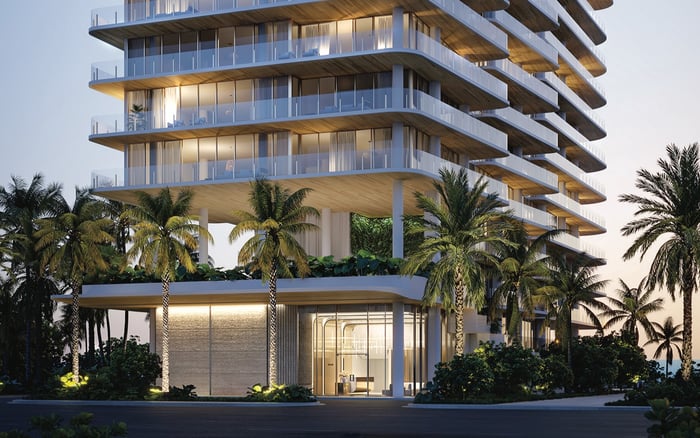
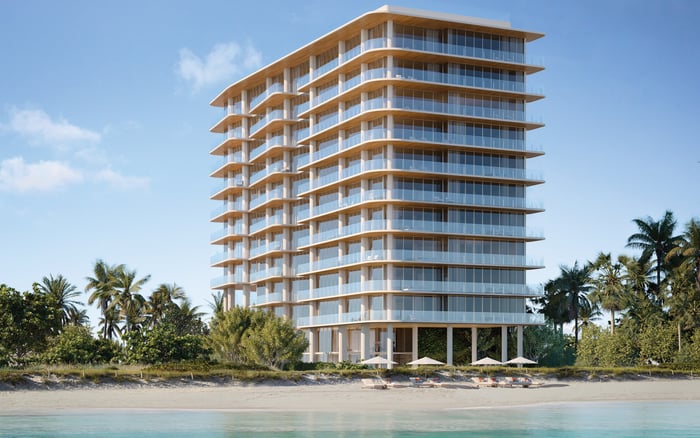
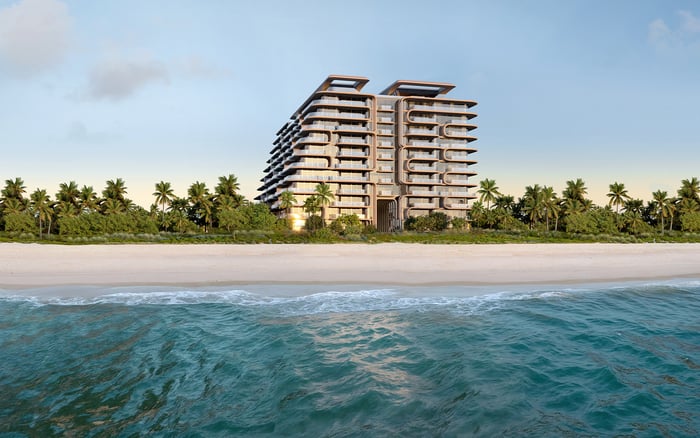
A buyer-focused look at how construction quality, façade maintenance discipline, and reserve visibility shape the long-term ownership experience at Rivage Bal Harbour and Ocean House Surfside.
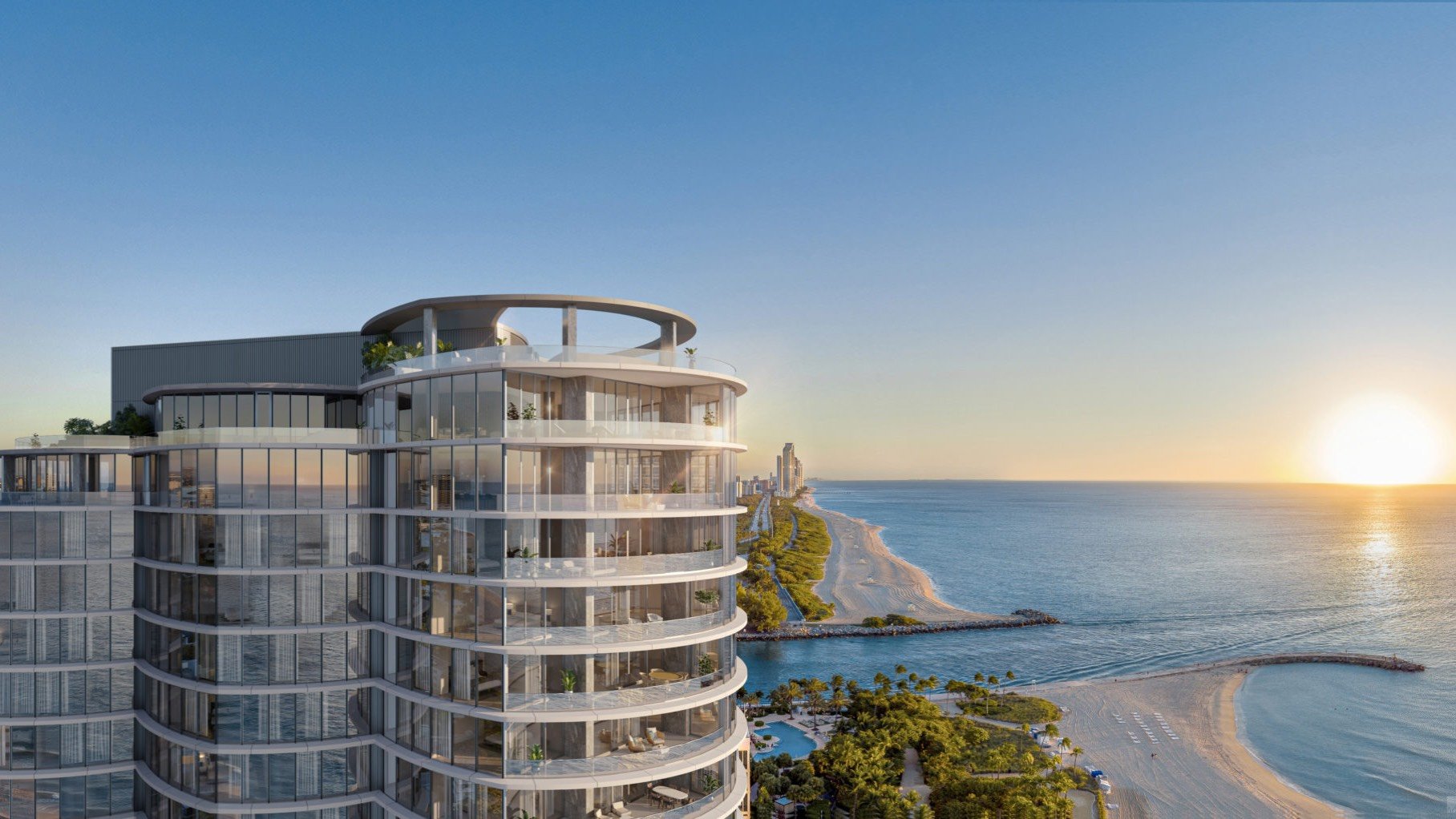
Choosing between Rivage Bal Harbour and Ocean House Surfside is not simply a matter of taste, address, or the view from a terrace. At the upper end of South Florida’s condominium market, the more durable question is how the building will live over time.
That requires looking beyond finishes and amenity renderings to construction quality, façade maintenance, and replacement-reserve visibility. These are not technical footnotes. They shape daily quiet, water-intrusion risk, service interruptions, assessment exposure, and the confidence with which an owner can hold a residence for years rather than seasons.
For buyers comparing Rivage Bal Harbour and Ocean House Surfside, the most sophisticated lens is not whether one property feels newer, more intimate, or more dramatic. It is whether the ownership structure provides clear answers before they become expensive questions.
Construction quality is often discussed as though it were visible only in the lobby or kitchen. In reality, the most important elements are frequently hidden. Envelope design, waterproofing continuity, balcony detailing, impact glazing, mechanical routing, drainage, and acoustic separation all help determine whether a residence feels serene in year one and resilient in year ten.
In a coastal market, quality is not an abstract luxury. Salt air, wind-driven rain, humidity, and sun exposure place constant pressure on the exterior skin of a building. A residence can have a refined interior package and still require costly attention if the underlying envelope is not properly designed, installed, inspected, and maintained.
This is where buyers should slow down. The right question is not simply who designed the building or how the interiors are presented. It is how the developer, contractor, design professionals, association, and future management team will support the building’s performance after closing.
The new-construction buyer should be especially careful not to confuse newness with immunity. A recently delivered building can offer modern systems and contemporary code compliance, but it still requires a disciplined transition from developer control to association stewardship.
In South Florida, the façade is more than an architectural expression. It is the building’s first defense against the elements and one of its largest long-term maintenance obligations. Glass, sealants, coatings, railings, balcony slabs, penetrations, and drainage details all age on their own schedules.
A buyer deciding between Rivage Bal Harbour and Ocean House Surfside should ask how the façade will be inspected, cleaned, repaired, and funded over time. A beautiful exterior can become a source of friction if maintenance cycles are vague, access is complicated, or ownership documents do not clearly anticipate future replacement costs.
The most desirable buildings make stewardship feel quiet. That does not mean maintenance disappears. It means there is a plan, a budget, and a culture of prevention. Owners should expect periodic façade work in any coastal condominium. The difference lies in whether that work feels routine and anticipated or disruptive and reactive.
Nearby projects such as The Delmore Surfside and Oceana Bal Harbour are useful reminders that in the most rarefied coastal addresses, the conversation is never only about design. It is also about the long-term discipline required to preserve the experience that design promises.
Replacement reserves are not glamorous, but they are one of the clearest windows into future ownership. A reserve plan should help owners understand how major components will be repaired or replaced, how often those expenditures may arise, and whether monthly contributions are aligned with the building’s real capital needs.
Reserve visibility matters because uncertainty has a cost. When buyers cannot understand the condition, timing, or funding strategy for major components, they tend to price in risk. That can affect not only a purchase decision, but also future resale conversations.
The better luxury buildings do not treat reserves as an afterthought. They communicate capital planning clearly, update assumptions as the building matures, and keep owners informed before a large project becomes urgent. This is particularly important for oceanfront properties, where exposure can accelerate wear on exterior components.
A polished residence may sell the dream, but a transparent reserve structure helps protect the reality. For owners who plan to use a home seasonally, lend it to family, or hold it as a long-term asset, that transparency can be as meaningful as the view.
A refined comparison should begin with documents, not adjectives. Buyers should review budgets, reserve schedules, insurance information, maintenance protocols, engineering correspondence when available, warranties, pending work, and any disclosed capital projects. For a pre-delivery or early-ownership building, the transition documents are especially important.
For Rivage Bal Harbour, buyers may focus on how the building’s design intent translates into operating discipline. That includes façade access, cleaning cycles, waterproofing details, mechanical serviceability, and the association’s ability to maintain a high-touch environment without underfunding future obligations.
For Ocean House Surfside, the same logic applies, with particular attention to how the building’s scale, service model, and exterior systems affect maintenance rhythm. Boutique ownership can feel personal and private, but smaller associations may also require sharper visibility into shared capital costs.
In both cases, the best buyer is not the one who asks whether a building is good. The best buyer asks how the building proves it, how it documents it, and how ownership will pay for it over time.
Luxury buyers often focus on the visible service layer: valet, concierge, wellness spaces, arrival sequence, beach access, and staff culture. Those elements matter, but they are only one part of the ownership experience. Stewardship is the quieter layer underneath.
Stewardship shows up when elevators are maintained before they become unreliable, when exterior work is scheduled thoughtfully, when budgets are not artificially softened, and when the association communicates with owners before conditions become contentious. The result is not drama. It is calm.
Surfside has become increasingly associated with low-density coastal living, while Bal Harbour carries its own legacy of privacy, shopping, and oceanfront prestige. Yet lifestyle alone should not decide the purchase. The better question is which building offers the most coherent long-term ownership framework for the way the buyer actually intends to live.
A seasonal owner may value predictability above all. A full-time resident may prioritize acoustic comfort, service response, and uninterrupted building operations. A resale-minded buyer may focus on documentation, reserves, and the ability to answer future purchaser questions without hesitation.
The smartest diligence is both technical and human. Technical review should cover the building envelope, structural maintenance obligations, mechanical systems, waterproofing, windows, doors, balconies, and roof areas. Human review should consider board culture, management sophistication, communication cadence, and the willingness to fund maintenance properly.
Buyers should also ask how easily future maintenance can be executed. A building can have premium materials and still be difficult to maintain if access points are limited, replacement parts are specialized, or façade work requires unusually complex staging. In high-end condominiums, operational elegance is often the result of practical planning rather than extravagance.
It is also useful to compare the broader coastal set. A residence at The Surf Club Four Seasons Surfside, for example, may appeal to a buyer for very different reasons than one at Rivage Bal Harbour or Ocean House Surfside, but the underlying diligence questions remain familiar: how is the asset cared for, how is the exterior protected, and how transparent is the financial roadmap?
Rivage Bal Harbour and Ocean House Surfside both sit inside a market where rarity and refinement command attention. But for the buyer who thinks like an owner, not a guest, the decisive differences may be found in less visible places.
Construction quality determines how well the building resists the coastal environment. Façade maintenance determines whether beauty can be preserved without repeated surprise. Replacement-reserve visibility determines whether the association is planning for the future with candor.
The most confident purchase is not necessarily the flashiest one. It is the one where the building’s physical systems, financial planning, and management culture support the lifestyle being sold. In South Florida’s luxury condominium market, that is the difference between acquiring an address and owning an asset with composure.
What should buyers compare first between Rivage Bal Harbour and Ocean House Surfside? Start with construction quality, façade maintenance protocols, reserve planning, and association documents before focusing on finishes or amenities.
Why does façade maintenance matter so much in coastal condominiums? The façade protects the building from salt air, humidity, wind-driven rain, and sun exposure, making preventive care central to long-term ownership.
Are replacement reserves only relevant for older buildings? No. Even newer buildings need clear capital planning because exterior systems, mechanical equipment, and common elements all age over time.
How can a buyer evaluate construction quality without being an engineer? Buyers can request professional review of available documents, ask about warranties, and look for clear maintenance and inspection protocols.
Does a boutique building reduce maintenance risk? Not automatically. Boutique ownership can feel private, but shared costs may be spread across fewer owners, making reserve clarity especially important.
Is oceanfront ownership more maintenance intensive? It can be, because coastal exposure affects exterior materials and systems. The key is whether the building plans and budgets accordingly.
What documents are most useful before contract or closing? Budgets, reserve schedules, insurance information, maintenance records, rules, disclosures, and association communications can all be meaningful.
How does reserve visibility affect resale value? Clear reserves can make future buyers more comfortable because capital needs and funding assumptions are easier to understand.
Should lifestyle amenities outweigh building fundamentals? Amenities matter, but they should not outweigh envelope performance, maintenance discipline, and financial transparency.
What is the most discreet way to compare these buildings? Work with an advisor who can interpret documents, frame technical questions, and compare ownership structures without relying on surface impressions.
When you're ready to tour or underwrite the options, connect with MILLION.
If branded residences are on your mind — as a home or as an allocation — we would be glad to share what we are seeing, privately.
Begin a quiet conversation