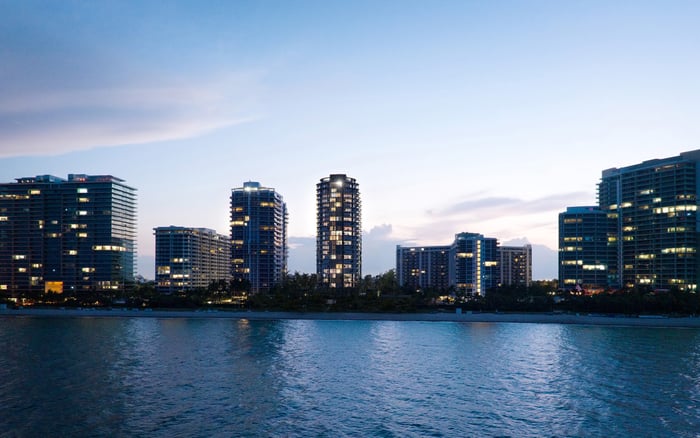
A buyer-focused comparison of Oceana Bal Harbour and Rivage Bal Harbour, framed around the core luxury tradeoff between established oceanfront certainty and newer contemporary scale.
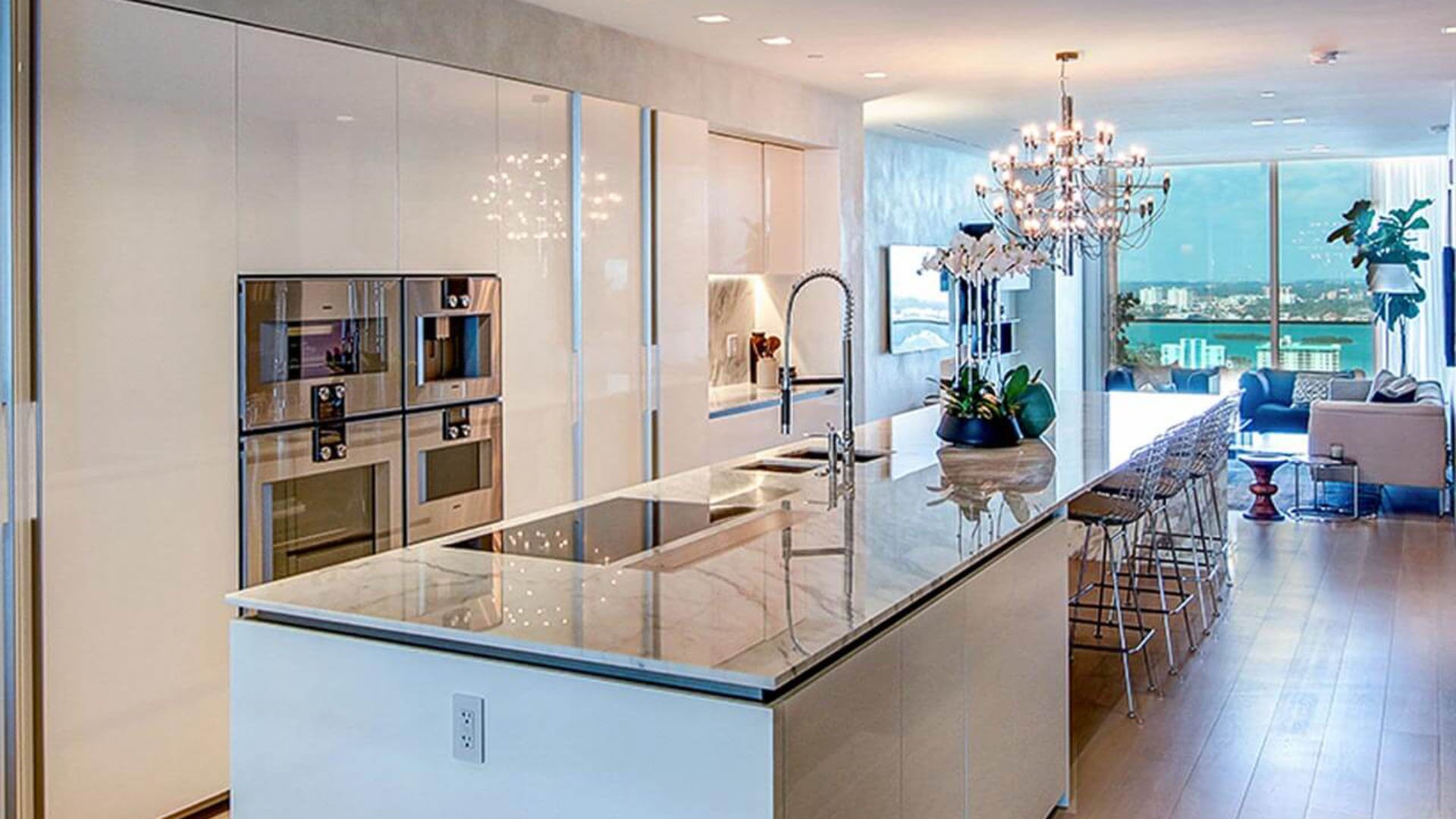
In Bal Harbour, the most refined buying decisions are rarely about spectacle alone. They turn on certainty, timing, privacy, and how a residence will live once the initial impression fades. That is what makes the comparison between Oceana Bal Harbour and Rivage Bal Harbour so useful for serious buyers. This is not simply a question of which building is more luxurious. It is a question of which kind of luxury best matches the buyer.
Oceana Bal Harbour represents proven oceanfront ownership. It is an established condominium where buyers can study the finished product, evaluate actual views, understand how the building operates, and compare resale-market history. Rivage Bal Harbour represents the new Bal Harbour scale: newer luxury positioning, contemporary design language, fresh residences, and a modern amenity vision.
For the ultra-prime buyer, both propositions have force. One is grounded in what can be inspected today. The other is shaped by the desire for newness, current standards, and a more contemporary residential experience. Bal Harbour buyers who understand that distinction can move with greater confidence.
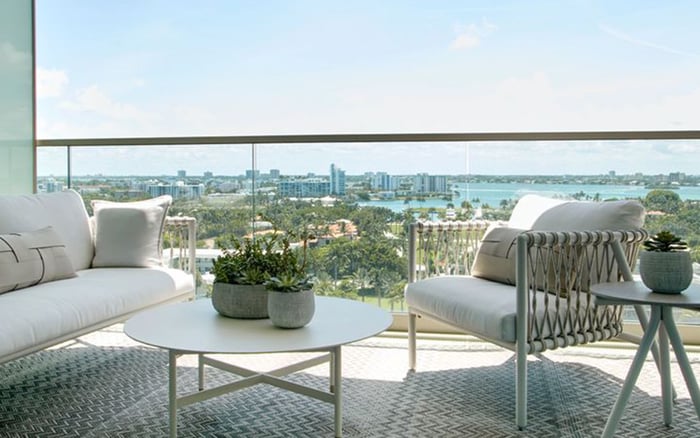
Oceana is compelling because it removes much of the abstraction from the purchase. A buyer can walk through an existing residence, evaluate the real light, feel the scale of the rooms, study the view corridor, and understand the rhythm of the building. In the upper tier of the market, that kind of clarity has real value.
The appeal is especially strong for buyers who do not want to participate in a new-development sales cycle. At Oceana Bal Harbour, the experience is already formed. The condominium environment is operating, the amenity spaces can be observed, maintenance quality can be judged in person, and resale activity provides a more tangible reference point than projection alone.
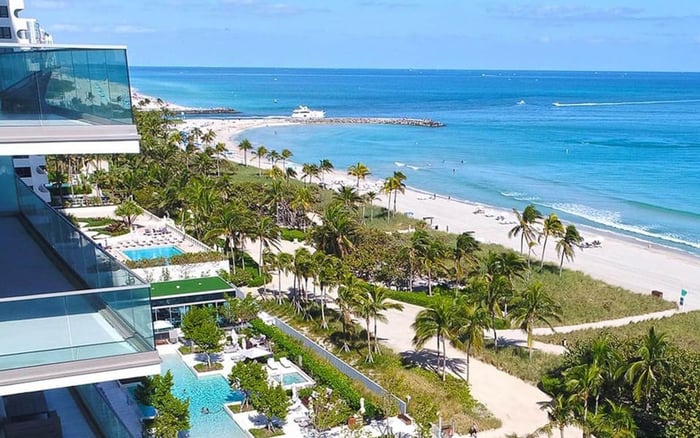
That does not make Oceana the automatic answer for every buyer. It does make it a disciplined choice for those who prioritize certainty. Oceanfront ownership here is not theoretical. It is already part of the daily experience of the property, from Atlantic-facing living to the confidence of an established luxury address.
Rivage Bal Harbour speaks to a different instinct. Some buyers want the latest expression of luxury, not only in finishes, but in the broader way a building is conceived. New residences, current design language, newer building systems, and a fresh amenity program can be persuasive, particularly for those who see their next home as a forward-looking acquisition rather than a purely proven one.
This is the emotional and practical pull of Rivage. It offers the possibility of a more contemporary residence in one of South Florida’s most closely watched oceanfront enclaves. For buyers comparing Rivage Bal Harbour with established properties, the question is not whether newness is attractive. It is how much weight the buyer gives that newness against the certainty of an already functioning condominium.
New-construction interest across South Florida has also trained buyers to think more carefully about design currency. From Bal Harbour to Surfside, the conversation often includes nearby luxury reference points such as Fendi Château Residences Surfside and The Delmore Surfside, where buyers similarly weigh address, freshness, and long-term desirability.
The cleanest distinction is certainty versus newness. Oceana offers the ability to assess what exists. Rivage offers the appeal of what is newer, more contemporary, and positioned for buyers who want a fresh luxury product.
For an immediate-occupancy buyer, or for someone who wants a known building environment, Oceana Bal Harbour is naturally lower in uncertainty. The buyer can see the residence, evaluate the building culture, and consider resale information before committing. Resale discipline matters here because the buyer is not relying solely on a future promise. The residence, the operations, and the physical condition of the building can all be reviewed directly.
For a buyer who is less concerned with the known and more focused on a newer presentation, Rivage can be the more compelling fit. The priority may be modern design standards, a fresh amenity concept, and the feeling of entering a property closer to the beginning of its luxury life cycle.
Neither path is inherently superior. The better choice depends on whether the buyer is optimizing for visible proof or contemporary ambition.
A buyer using the residence frequently may value Oceana’s completed-building certainty. The ability to inspect the actual home, understand the building’s daily rhythm, and make a decision around what is already present can be decisive. This is particularly relevant for end users who are sensitive to timing, privacy, and operational predictability.
A buyer focused on longer-term luxury repositioning may find Rivage more aligned with the moment. Newer product can carry a different kind of prestige, especially when the buyer values fresh architecture, updated residential expectations, and the energy surrounding a newly introduced oceanfront address.
The difference is subtle but important. Oceana is about confidence in an existing asset. Rivage is about conviction in a newer product. Both can be sophisticated choices, but they ask different questions of the buyer.
For the investor-minded purchaser, Oceana’s advantage is the presence of real market behavior. Transaction history, resale comparisons, and the ability to observe building performance help create a more grounded framework. Pricing, availability, fees, assessments, and recent trades still require current verification, but the building itself is not a conceptual exercise.
Rivage requires a different lens. The buyer is evaluating newer luxury positioning and the desirability of contemporary scale. That may be attractive, but it should be measured against timing, purchase structure, and the buyer’s tolerance for development-stage variables. The analysis is less about nostalgia for the established and more about confidence in future reception.
In either case, the strongest buyers do not rely on a single label. Oceanfront, resale, and new construction each describe part of the decision, but none replaces careful residence-level evaluation.
Oceana Bal Harbour is the more natural fit for buyers who want to inspect the finished product, understand the operating environment, and make decisions with the benefit of actual resale context. Rivage Bal Harbour is the more natural fit for buyers who prioritize contemporary design, newer residences, and the fresh scale of a modern oceanfront development.
The right answer is personal, but the framework is clear. Choose Oceana if certainty is the luxury. Choose Rivage if newness is the luxury. In Bal Harbour, both instincts are valid. The most successful purchase is the one that aligns the building’s character with the buyer’s timing, tolerance for uncertainty, and vision for daily life on the ocean.
Is Oceana Bal Harbour the more established option? Yes. Oceana is the established oceanfront condominium in this comparison, with an existing building environment and resale-market history.
Is Rivage Bal Harbour considered the newer option? Yes. Rivage is framed for buyers seeking newer luxury positioning, contemporary design, and a fresh development profile.
Which is better for immediate occupancy? Oceana is generally the lower-uncertainty fit for buyers who want to evaluate an existing residence and building environment.
Which is better for buyers who want current design language? Rivage is the stronger fit for buyers prioritizing modern presentation, newer residences, and a contemporary amenity vision.
Does Oceana offer more pricing clarity? It can offer more context because buyers can review resale activity and compare existing residences, subject to current verification.
Does Rivage carry more development-stage uncertainty? Newer projects can involve more variables than a completed building, so buyers should review timing, terms, and specifics carefully.
Is there a universal winner between the two? No. The better choice depends on whether the buyer values proven performance or new-development freshness more.
Why does the oceanfront setting matter so much? Direct Atlantic-facing ownership is central to Bal Harbour’s ultra-luxury appeal and shapes both lifestyle and long-term desirability.
Should investors prefer Oceana or Rivage? Investors seeking evidence may lean Oceana, while those seeking newer product positioning may study Rivage more closely.
What should a buyer verify before choosing? Current pricing, availability, fees, assessments, residence condition, and closing timeline should all be reviewed before any decision.
For a confidential assessment and a building-by-building shortlist, connect with MILLION.
If branded residences are on your mind — as a home or as an allocation — we would be glad to share what we are seeing, privately.
Begin a quiet conversation