A buyer-oriented look at why privacy-forward South Florida neighborhoods are becoming a core luxury criterion in 2026, from daily calm and controlled arrivals to resale logic and capital preservation.
For a growing class of South Florida buyers, privacy is no longer a secondary preference weighed after view, brand, or amenity package. It is the architecture of daily life. The most discerning purchasers are asking how a neighborhood manages arrival, how it buffers noise, how visible a residence feels from the street or water, and whether the rhythm of the surrounding blocks supports calm rather than performance.
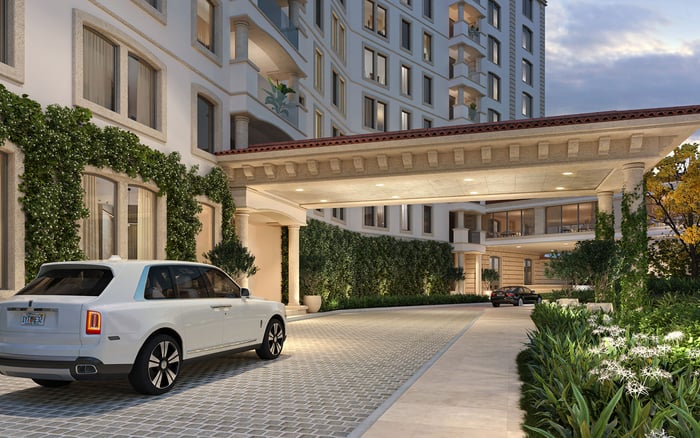
The shift is easy to understand. Wealth has become more mobile, more visible, and more demanding of sanctuary. The best private addresses do not simply hide their residents. They allow residents to move through the day with less friction: quieter entrances, fewer unnecessary interactions, clearer separation between public and private zones, and homes that feel protected without feeling defensive.
In 2026, this preference is also becoming more financial. Privacy-forward neighborhoods tend to appeal to buyers who think in longer holding periods, value scarcity, and are willing to pay for a setting that is difficult to replicate. That is why the conversation now belongs as much on the balance sheet as it does in the lifestyle briefing.
A privacy-forward neighborhood is not defined only by gates. In fact, some of South Florida’s most compelling private settings are less about barriers and more about composition. Scale, landscaping, traffic patterns, water frontage, setbacks, building orientation, elevator configuration, service access, and resident culture all shape the feeling.
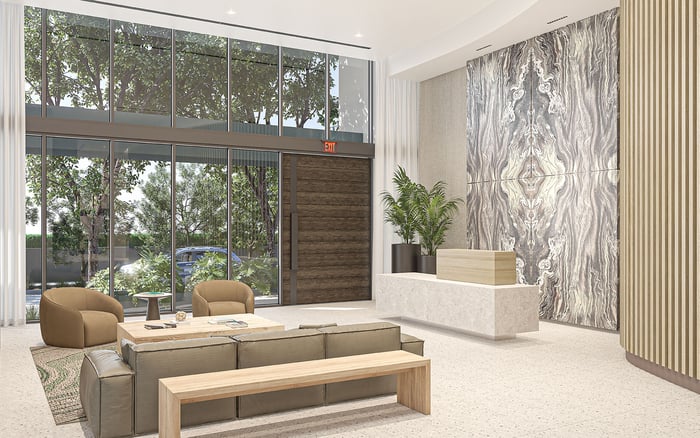
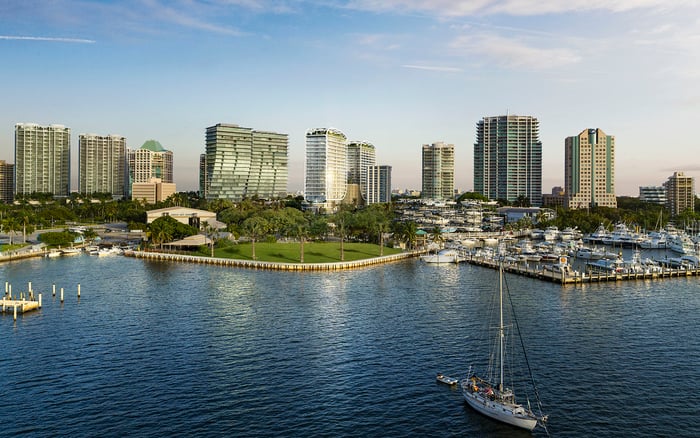
In a vertical neighborhood, privacy may come from thoughtful circulation and residences that minimize shared thresholds. In a low-rise enclave, it may come from lower density, mature greenery, and the soft social contract of residents who prize discretion. In an island or waterfront setting, privacy often comes from limited access points and the psychological distance created by water.
This is where the word boutique becomes important. Boutique is not automatically better, but it often signals a more intimate resident environment, fewer daily encounters, and a stronger sense of stewardship. A buyer comparing large-scale amenity living with a quieter residential experience is really comparing two forms of luxury: spectacle and control.
Privacy has a financial logic because it is difficult to manufacture after the fact. Finishes can be upgraded. Furniture can be replaced. A lobby can be refreshed. But a tranquil block, a protected approach, a discreet waterfront edge, or a low-traffic residential fabric cannot be added once the surrounding context has changed.
That matters for investment thinking. A privacy-forward address may support durability because its core appeal is not dependent on a single design trend. The buyer pool may be narrower, but it can be more committed. For many owners, that is preferable to chasing the broadest possible demand. Scarcity, discretion, and livability can create a calmer ownership thesis.
The strongest balance-sheet case is not based on privacy alone. It comes when privacy is paired with design integrity, good governance, practical access, and a neighborhood narrative that remains desirable through different market cycles. A private address that is inconvenient, poorly managed, or socially isolated can lose its appeal. A private address that also provides ease, service, and connection can feel defensible.
Brickell is usually discussed through skyline, finance, dining, and connectivity. Yet the privacy question is increasingly relevant because urban buyers want access without surrendering composure. The ideal Brickell residence lets an owner participate in the city while preserving a meaningful threshold between public energy and private life.
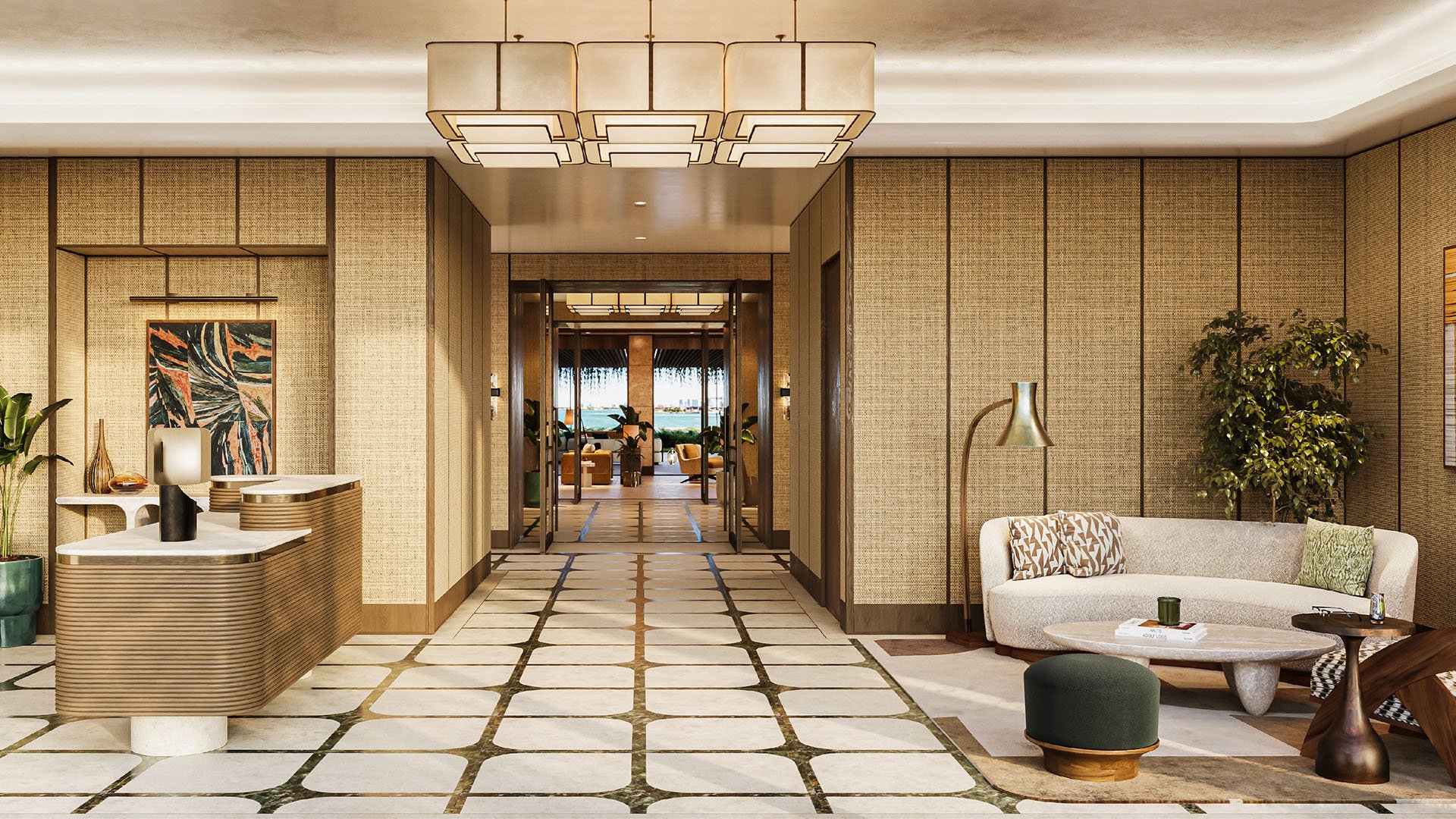
That is the lens through which many buyers compare projects such as 2200 Brickell. The point is not to escape the urban condition. It is to refine it. A strong city residence should reduce the sense of exposure that can come with density, creating a daily sequence that feels intentional from arrival to elevator to home.
For balance-sheet-minded buyers, Brickell privacy is about selectivity. The neighborhood’s appeal is broad, but residences that feel calm inside an active district may stand apart. In 2026, the premium urban buyer is not only asking what is nearby. The sharper question is what disappears once the front door closes.
Some neighborhoods communicate privacy immediately because their geography or scale creates a natural filter. Surfside is one such reference point for buyers who want a more residential coastal mood while remaining connected to Miami Beach and Bal Harbour. A project such as The Delmore Surfside enters that conversation as buyers study how oceanfront living can feel both expansive and restrained.
Oceanfront property has always carried emotional value, but privacy changes the equation. A beach view is powerful; a beach view that feels protected from visual intrusion is more powerful still. Buyers are increasingly sensitive to whether outdoor terraces, pool decks, and residential approaches feel exposed or composed.
Fisher Island represents a different privacy language, one rooted in separation and rarity. Buyers considering The Residences at Six Fisher Island are often evaluating more than a residence. They are evaluating an ecosystem of access, social quiet, and long-term identity. The name carries a certain meaning in this context because privacy is not treated as an add-on. It is part of the island proposition itself.
Coconut Grove offers another lesson: privacy can be lush rather than formal. The neighborhood’s most appealing residential moments often come from canopy, garden texture, winding streets, and a slower relationship between home and public realm. This is not the same privacy as a gated community, though some buyers use that term as shorthand for controlled living. Grove privacy is more atmospheric.
For buyers who do not want to feel removed from culture, schools, marinas, and dining, Coconut Grove can be compelling because it blends intimacy with access. Residences associated with wellness and calmer daily routines, including The Well Coconut Grove, fit into a broader buyer desire for homes that support both privacy and restoration.
The Grove also illustrates why privacy-forward buying is not always about maximum seclusion. Some owners want to walk, entertain, and remain socially present. What they want to avoid is the feeling that their home is constantly on display. The best neighborhoods allow for both connection and retreat.
A disciplined buyer should evaluate privacy at multiple scales. Start with the neighborhood: traffic flow, street width, nearby commercial intensity, pedestrian patterns, and ease of arrival. Then study the building or property: lobby sequence, elevator sharing, service circulation, residence orientation, terrace exposure, acoustic separation, and the relationship between amenity areas and private homes.
Next, consider governance. Privacy can erode when rules are loose, short-term occupancy patterns conflict with the resident culture, or common spaces are programmed in a way that feels more public than residential. The right governance structure can protect the lifestyle promise over time.
Finally, underwrite exit value. Ask who the future buyer is likely to be and why that buyer would pay a premium. If the answer depends only on fashion, proceed carefully. If the answer rests on scarcity, composure, location, and a defensible daily experience, privacy may be part of the asset’s long-term strength.
The privacy-forward buyer is not rejecting amenity, design, or location. This buyer is refining the hierarchy. The first question is no longer simply, “What does the residence offer?” It is, “How will life feel here when no one is watching?”
That question is reshaping South Florida luxury. From Brickell towers that must create calm inside density, to Surfside residences that frame the beach with restraint, to Fisher Island properties built around separation, the new premium is control without ostentation. Privacy has become both a lifestyle filter and a capital-preservation idea.
In 2026, the best purchase may not be the loudest address. It may be the one that allows wealth to live quietly, beautifully, and with a stronger sense of permanence.
What is a privacy-forward neighborhood? It is a residential setting where access, density, design, landscaping, and resident culture combine to create a more discreet daily experience.
Does privacy always require a gated community? No. Gates can help, but privacy may also come from scale, orientation, greenery, water separation, and controlled building circulation.
Why does privacy matter financially? Privacy can support long-term desirability because it is difficult to recreate once a neighborhood becomes more exposed or congested.
Is Brickell compatible with privacy-focused living? Yes, if the residence creates a strong private threshold within the urban environment and limits unnecessary exposure.
Why do buyers associate Surfside with discreet coastal living? Surfside can offer a calmer residential rhythm while still keeping buyers close to major coastal destinations.
How should I evaluate privacy in a condo building? Study the arrival sequence, elevator sharing, amenity placement, service access, terrace exposure, and acoustic separation.
Can a very social building still be privacy-forward? Yes, if the design allows owners to choose engagement without making shared interaction feel unavoidable.
What role does governance play? Strong governance helps preserve the resident experience, manage common spaces, and protect the tone of the property over time.
Is privacy more important for primary homes or second homes? It matters for both, though primary residents may feel its value more consistently through daily routines and arrivals.
What is the best first step for a buyer? Define the type of privacy you want before comparing properties, then test each option against that lifestyle and resale thesis.
For a confidential assessment and a building-by-building shortlist, connect with MILLION.
If branded residences are on your mind — as a home or as an allocation — we would be glad to share what we are seeing, privately.
Begin a quiet conversation