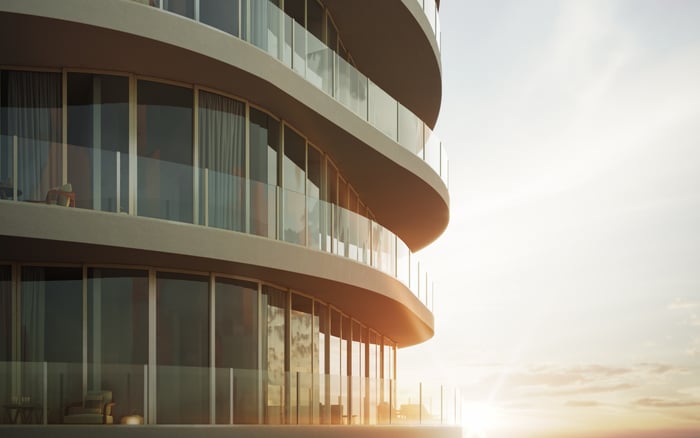
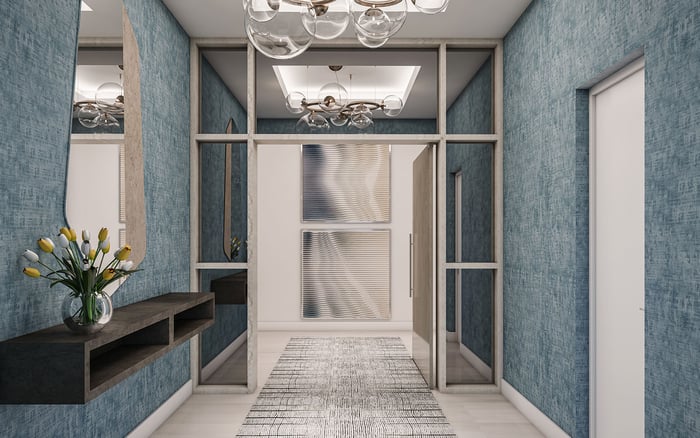
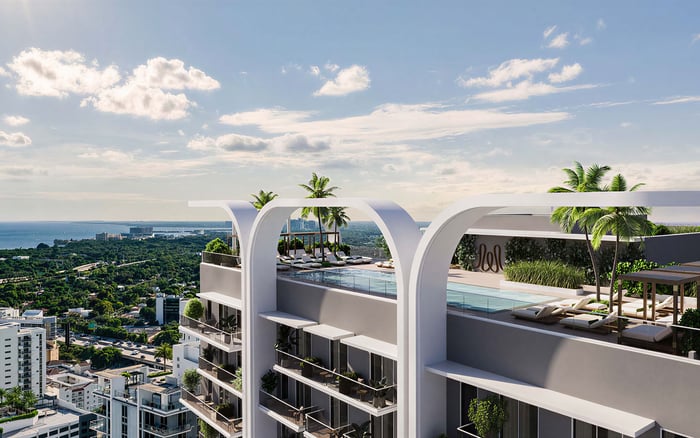
A discreet buyer’s guide to evaluating shade, wind, terrace usability, and outdoor comfort at The Ritz-Carlton Residences® Pompano Beach before relying on renderings alone.
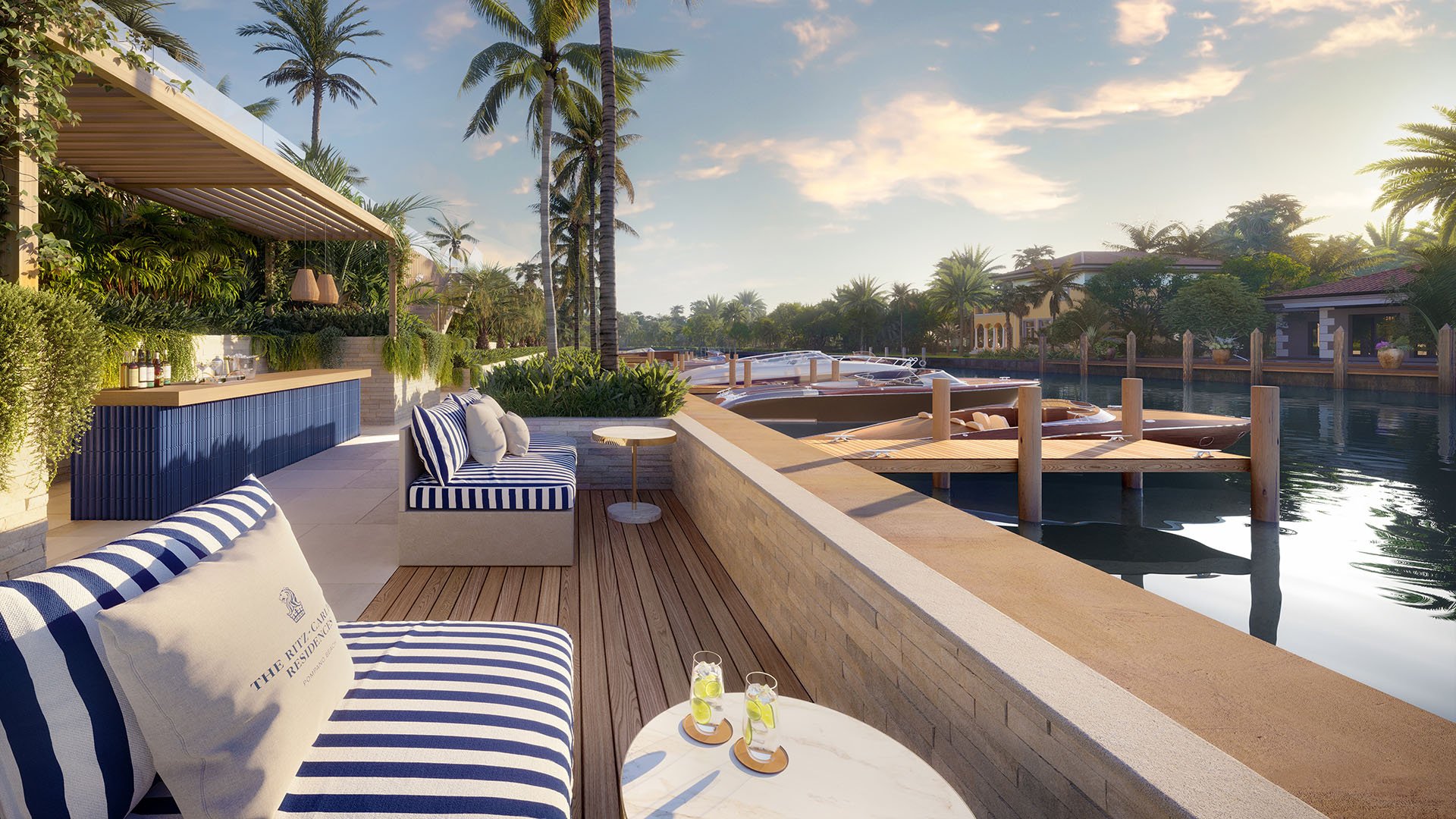
A rendering is an invitation, not a guarantee. It frames the horizon at its most flattering hour, softens the sky, edits the wind, and allows every outdoor chair to appear as though it belongs in a perpetual late-afternoon still life. For buyers considering The Ritz-Carlton Residences® Pompano Beach, the image may be compelling, but the real test is more intimate: how the home feels when the sun is high, when the breeze accelerates, and when the terrace becomes part of daily life.
In South Florida, outdoor comfort is not a decorative afterthought. It is part of the value equation. A spectacular view can lose practical appeal if the balcony is unusable during the hours a buyer actually wants to sit outside. A pool deck may photograph beautifully yet feel exposed if shade is limited or wind moves sharply around tower corners. The most sophisticated buyers now examine microclimate with the same seriousness they bring to floor plans, finishes, parking, and service.
That is especially true in Pompano Beach, where an oceanfront setting promises light, air, and long water views. The essential question is not whether the building looks elegant from the outside. It is whether the residence, terrace, and amenity spaces will perform gracefully through ordinary days.
Shade comfort begins with orientation. A residence that feels serene in a morning image may behave differently at midday or late afternoon. Buyers should ask to review how sun exposure changes by season, floor, and stack. The most useful answers are specific, not general. A broad statement about ocean breezes or natural light is less valuable than a clear explanation of what a particular terrace receives at breakfast, lunch, sunset, and during the warmest months.
Look closely at overhangs, slab depth, balcony projection, nearby tower massing, and the relationship between glass and outdoor seating. Deep cover can create a more livable edge between interior and exterior, while shallow outdoor areas may depend more on furniture placement, umbrellas, screens, or landscape elements. None of these choices is inherently better. The point is to match the design to the buyer’s habits.
A full-time resident may care about morning coffee, midday glare, and how the primary bedroom responds to early light. A seasonal owner may care most about winter sun and comfortable entertaining after sunset. An investor or second-home buyer may focus on broad appeal. In each case, the rendering should begin the conversation, not end it.
Wind is one of the least visible variables in luxury real estate marketing, yet it can define the lived experience of a coastal tower. At the oceanfront edge, wind does not arrive as a simple breeze. It can be softened by setbacks, redirected by adjacent buildings, accelerated around corners, or amplified at exposed amenity levels.
Before committing, buyers should ask how wind comfort has been considered for private terraces, the pool environment, outdoor dining areas, arrival sequences, and high-floor balconies. If technical studies or consultant reviews are available, request them. If they are not, ask for the design team’s practical explanation of how railings, planting, partitions, canopies, and tower geometry are intended to improve comfort.
The goal is not to eliminate wind. In South Florida, air movement is part of the pleasure of living near the water. The goal is control. A desirable terrace offers ventilation without making a table setting impossible. A well-resolved pool deck feels open without feeling exposed. A refined arrival area should feel composed, even on a breezy day.
Pompano’s luxury pipeline gives buyers the opportunity to compare outdoor comfort across multiple residential visions. Rather than looking only at brand, price, or view, evaluate each project through the same shade and wind questions. A buyer studying Armani Casa Residences Pompano Beach, W Pompano Beach Hotel & Residences, or Waldorf Astoria Residences Pompano Beach can ask the same essential questions: which exposures are most protected, which outdoor areas are shaded at key hours, and how amenity spaces are expected to feel in real use.
This type of comparison is not about declaring one concept superior. It is about aligning architecture with lifestyle. Some buyers want sun on the terrace for as long as possible. Others want shade, privacy, and a cooler outdoor room. Some prioritize dramatic high-floor air and horizon views. Others prefer a calmer experience closer to the landscape and amenity levels.
The same discipline applies to boutique or lower-scale alternatives such as Ocean 580 Pompano Beach. Outdoor comfort is not reserved for the tallest or most branded buildings. It is a function of orientation, protection, proportion, and how the building meets the coast.
The strongest buyers arrive with precise questions. Ask for the expected sun path across the exact residence or stack you are considering. Ask whether the terrace is likely to be shaded during the hours you plan to use it. Ask how glass performance, balcony depth, railings, and exterior walls influence heat and glare. If the home has multiple exposures, ask which rooms will feel brightest and when.
For wind, ask about the behavior of corner terraces, amenity decks, poolside seating, and outdoor dining areas. Ask whether any locations are expected to feel notably breezier than others. Ask how furniture, landscape, partitions, or vertical surfaces may contribute to comfort. In new construction, the earlier these questions are raised, the easier it is to select the residence that best suits the way you live.
Buyers should also consider the practical relationship between interior and exterior space. A terrace that looks generous on plan may feel narrower once lounge furniture, dining pieces, planters, and circulation are included. Measure the usable area, not merely the outline. Consider door swings, sliding panels, thresholds, storage, and the path between kitchen, living room, and outdoor seating.
A balcony is not simply an appendage to the view. It is a room without walls. Treat it with the same scrutiny as an interior salon. Where will the dining table sit? Is there a protected corner for reading? Can seating be arranged without blocking circulation? Will glass railings preserve the view when seated? Will the terrace feel private from neighboring units?
Terrace usability also changes by time of day. A west-facing outdoor space may be dramatic at sunset but warmer in the late afternoon. An east-facing outdoor space may be delightful in the morning and calmer after midday, depending on the building’s form. Higher floors may offer grander views, but they can also require closer attention to wind. Lower floors may feel more connected to landscape and amenities, yet they still deserve careful review of shade and sightlines.
The most elegant answer is rarely absolute sun or absolute shade. It is a sequence of choices: a sunny edge for plants, a protected zone for dining, a comfortable place to sit after a swim, and enough flexibility to adapt through the day.
Luxury buyers often speak about views in cinematic terms, but the best oceanfront residences are judged in ordinary moments. Can you open the door and enjoy fresh air without rearranging the room? Can guests dine outside without glare? Does the pool area invite lingering, or only quick photographs? Can the residence remain calm when the weather shifts?
At The Ritz-Carlton Residences® Pompano Beach, the correct buyer posture is one of informed appreciation. Admire the composition, but verify the comfort. Study the renderings, then ask for the documents, diagrams, and explanations that translate beauty into daily use. In a market where branded design and coastal architecture carry real emotional appeal, the most durable luxury is the one that performs after the first impression has passed.
Why should I verify shade before relying on a rendering? Renderings often show idealized light. Residence-specific shade review helps determine how outdoor spaces may feel at the times you expect to use them.
What is the most important shade question for a buyer? Ask how the exact residence, floor, and exposure receive sun by season and time of day. General statements are less useful than stack-specific guidance.
Why does wind matter so much in a coastal residence? Wind can affect terrace dining, poolside comfort, furniture placement, and the ease of opening indoor-outdoor spaces. It is central to livability.
Should I ask for wind studies? If technical studies are available, they are worth reviewing. If not, ask for a practical design explanation of wind protection and exposed zones.
Are higher floors always windier? Not always, but high-floor and corner terraces often deserve extra scrutiny. Exposure, tower shape, and surrounding conditions all matter.
Is morning sun better than afternoon sun? It depends on lifestyle. Morning light may suit breakfast and early routines, while afternoon sun can be desirable or intense depending on exposure.
How should I compare Pompano Beach projects? Use the same questions for each building: shade hours, terrace depth, wind comfort, amenity exposure, and how outdoor areas support daily living.
Can furniture plans reveal comfort issues? Yes. Furniture layouts show whether a terrace can support dining, lounging, circulation, and privacy without feeling crowded.
What should second-home buyers prioritize? They should focus on the season and hours when they will actually occupy the residence. Comfort during those windows is more important than abstract appeal.
What is the best way to shortlist comparable options for touring? Start with location fit, delivery status, and daily lifestyle priorities, then compare stacks and elevations to validate views and privacy.
To compare the best-fit options with clarity, connect with MILLION.
If branded residences are on your mind — as a home or as an allocation — we would be glad to share what we are seeing, privately.
Begin a quiet conversation