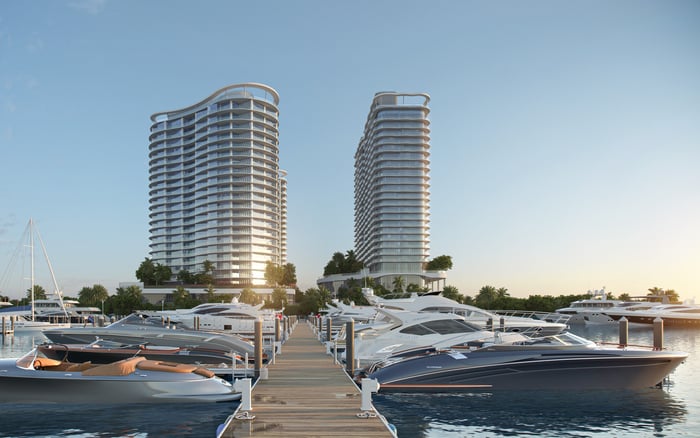
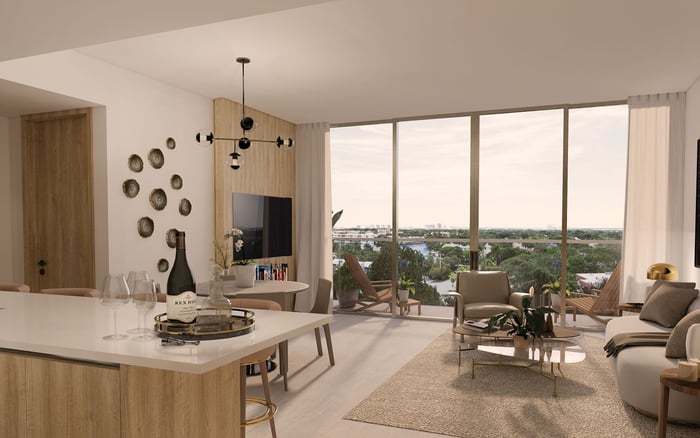
At Bahia Mar, the prudent offer is informed by more than today’s association dues. Buyers should examine reserve assumptions, marine infrastructure, shared-cost allocations, developer support and assessment language before assigning value.

For a 2026 buyer considering St. Regis® Residences Bahia Mar Fort Lauderdale, advertised association dues are only the starting point of the ownership-cost analysis. The development’s branded, waterfront, marina-oriented setting makes it especially important to distinguish routine operating expenses from capital needs that may emerge over a longer horizon.
That distinction should shape the offer before becoming a post-closing concern. A polished service model, respected brand and substantial common charges do not, by themselves, establish that long-term reserves are fully funded. The question is not simply, “What will I pay each month?” but rather, “Which future obligations could attach to this residence, when might they arise, and how are they allocated?”
This is both a Waterfront and a Pricing & Trends issue. The value of an exceptional setting remains central, but sophisticated underwriting gives that setting an informed cost basis.
Association dues generally offer a snapshot of current funding policy. Reserve exposure is a forward-looking inquiry into repair, replacement and resilience requirements. The figures may overlap, but they are not interchangeable.
Before settling on an offer, a buyer should request the proposed association budget, reserve schedule, governing documents and all relevant cost-sharing agreements. These materials should be read together. A budget may identify current contributions; the reserve schedule can frame anticipated capital categories. Governing documents and cost-sharing agreements may determine which owners, associations or separate entities ultimately fund them.
For Branded Residences, hospitality operations can add another layer. Buyers should establish whether specific shared-property and hospitality components sit within the condominium association or belong to another entity. What affects the residence’s effective carrying cost is the allocation-not merely the presence-of an amenity or service.
Bahia Mar’s Marina context is integral to its appeal, yet its marine infrastructure warrants a dedicated due-diligence workstream. Seawall maintenance and eventual replacement should be examined as potential lifecycle expenses. Buyers should presume neither that the condominium association is responsible nor that it is insulated from the cost. The controlling documents must answer that question.
Hurricane and flood-resilience investments also belong in the analysis. The objective is not to predict a specific expenditure without supporting documents. It is to identify which resilience measures may be contemplated, which entity would approve and fund them, and whether the current reserve approach anticipates those needs.
The same discipline can inform comparisons elsewhere in Fort Lauderdale. Financial packages for Four Seasons Hotel & Private Residences Fort Lauderdale and The Ritz-Carlton Residences® Fort Lauderdale should be evaluated on their own documents, not through brand-level assumptions. Buyers considering Fort Lauderdale Beach may also place Auberge Beach Residences & Spa Fort Lauderdale within a broader ownership-cost review, recognizing that no two allocation structures should be presumed identical.
Early-stage association finances may include developer funding commitments, guarantees or other support. A 2026 purchaser should determine whether any such arrangements exist, what they cover and when they are scheduled to end. Temporary support can make an initial budget look materially different from the association’s eventual owner-funded position.
Turnover timing matters for the same reason. Funding policies and capital priorities may change after developer control ends. Buyers should ask when turnover is anticipated, which financial obligations survive it, and whether updated budgets or reserve assumptions will be prepared around that transition.
No project-specific reserve balance, assessment amount, turnover date, developer guarantee or seawall obligation should be assumed without primary documentation. Until those materials are available, future contributions remain scenarios, not established liabilities.
A defensible offer model can use several scenarios rather than a single unsupported forecast. Start with the disclosed reserve contribution, then test a moderate increase, a more substantial capital requirement and a range of timing assumptions. Assign each scenario only after reviewing the available financial and property documents with the buyer’s advisers.
Next, translate the buyer’s probable share of future reserve contributions or assessments into present value. The result is not automatically a dollar-for-dollar price reduction. It is a decision tool that can support a lower offer, a closing credit, retained liquidity or a contractual allocation of specific assessment risk.
The model should also account for the anticipated holding period. A buyer expecting long-term ownership may weigh recurring reserve contributions differently from one with a shorter horizon. In either case, comparing headline HOA figures alone can obscure differences in capital planning and shared-cost structures.
Contract terms can require updated financial disclosures and establish responsibility for assessments imposed before or after closing. The language should address timing precisely, including the distinction between an assessment being discussed, approved, imposed or due. Counsel should tailor these provisions to the transaction and governing documents.
The final offer should connect four elements: disclosed recurring charges, modeled reserve exposure, responsibility for shared waterfront components, and the transition from developer support to owner funding. That framework preserves the aspirational character of the purchase while treating long-term stewardship with equal seriousness.
Are current association dues the same as reserve exposure? No. Current dues may not capture future capital requirements or changes in funding policy.
Is there a documented project-specific reserve shortfall? No such amount is established here. Any future contribution should remain a scenario until supported by primary documents.
Why should buyers investigate the seawall? Seawall maintenance and replacement may be material lifecycle expenses in a waterfront setting, depending on the responsibilities established in the documents.
Who pays for marina-related capital work? The governing documents and cost-sharing agreements should identify whether the association or a separate entity bears the obligation.
What financial materials should a buyer request? Request the proposed budget, reserve schedule, governing documents and applicable cost-sharing agreements.
Why do developer guarantees matter? They may temporarily support association finances, so buyers should understand their scope and scheduled end.
How can turnover affect ownership costs? Control and funding policies may change after the developer exits, potentially altering reserve contributions or capital priorities.
Should luxury branding reassure buyers about reserves? Branding and substantial common charges do not necessarily demonstrate that long-term reserves are fully funded.
How does reserve exposure affect an offer? A buyer can estimate probable future contributions, calculate present value and use that analysis to negotiate price or terms.
Can the contract allocate assessment responsibility? Contract language can define responsibility around closing and require updated disclosures, subject to review by the buyer’s counsel.
If you'd like a private walkthrough and a curated shortlist, connect with MILLION.
If branded residences are on your mind — as a home or as an allocation — we would be glad to share what we are seeing, privately.
Begin a quiet conversation