A collector-focused guide to evaluating Sunny Isles Beach branded residences through privacy, light management, security, installation logistics, and residence-level due diligence.
For an art collector, a beautiful condominium is not necessarily a suitable one. The strongest Sunny Isles Beach choices must reconcile ocean light with conservation, hospitality with discretion, and architectural drama with the practical movement of valuable objects. Brand recognition can narrow the field, but it cannot replace residence-specific scrutiny.
“Best” therefore describes fit, not a universal hierarchy. A collector should assess the exact home, including its exposure, interior construction, access sequence, building procedures, and capacity for carefully planned improvements. The decisive questions are what can be controlled privately, what depends on management, and what requires written approval.
Privacy has several layers. Visual privacy concerns sightlines into living areas, particularly after dark. Operational privacy concerns who observes arrivals, deliveries, installers, conservators, and guests. Digital privacy encompasses connected cameras, access systems, networks, and devices used to monitor temperature, humidity, or shades.
During a private tour, trace every relevant route from vehicle arrival to the residence. Ask how guests, service personnel, art handlers, and oversized deliveries are accommodated. Review visitor authorization, credential management, loading access, elevator scheduling, staff entry, and record retention. The goal is not theatrical secrecy, but a predictable chain of custody with as few uncontrolled handoffs as possible.
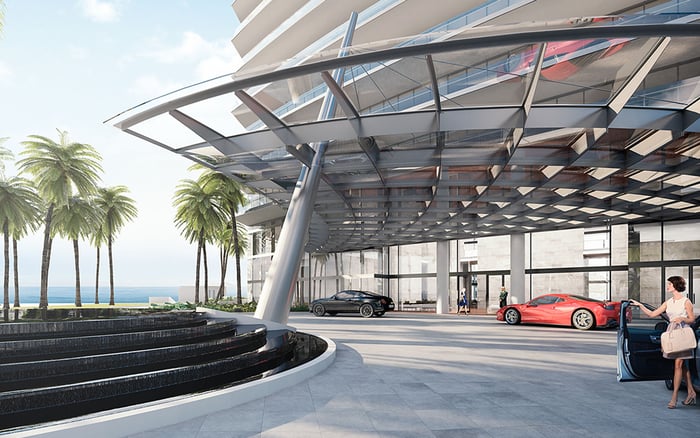
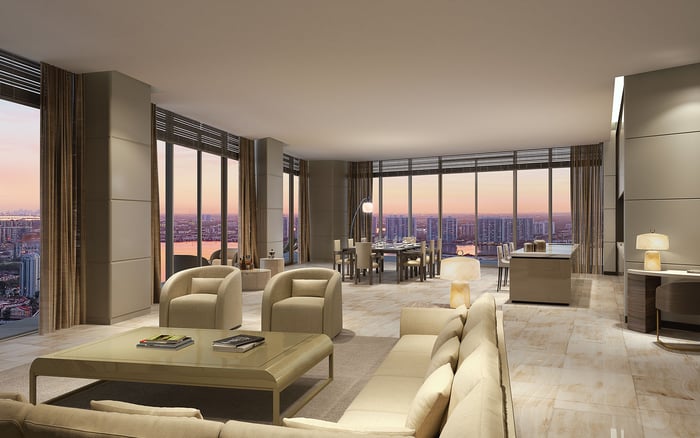
A thoughtful search can begin with prominent addresses, then move quickly from brand identity to technical verification. Armani Casa Sunny Isles Beach may appeal to buyers whose collecting life is closely connected to interiors and presentation, while Bentley Residences Sunny Isles belongs in conversations where arrival, vehicle privacy, and object movement are central concerns. These are reasons to investigate, not substitutes for confirming conditions within a particular residence.
Collectors comparing hospitality-led options may also consider St. Regis® Residences Sunny Isles and The Ritz-Carlton Residences® Sunny Isles. In each case, the meaningful inquiry is how service culture intersects with residential control: who may enter, how requests are documented, where vendors wait, and whether an owner can establish customized protocols.
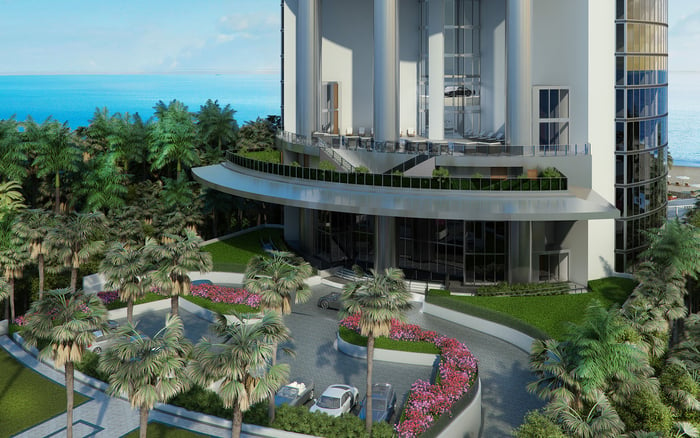
At the larger-residence end of the search, The Estates at Acqualina Sunny Isles offers another point of comparison. Collectors should resist assumptions based on scale or reputation. Wall composition, usable display planes, shade integration, equipment locations, renovation rules, and delivery procedures must all be verified at the exact property under consideration.
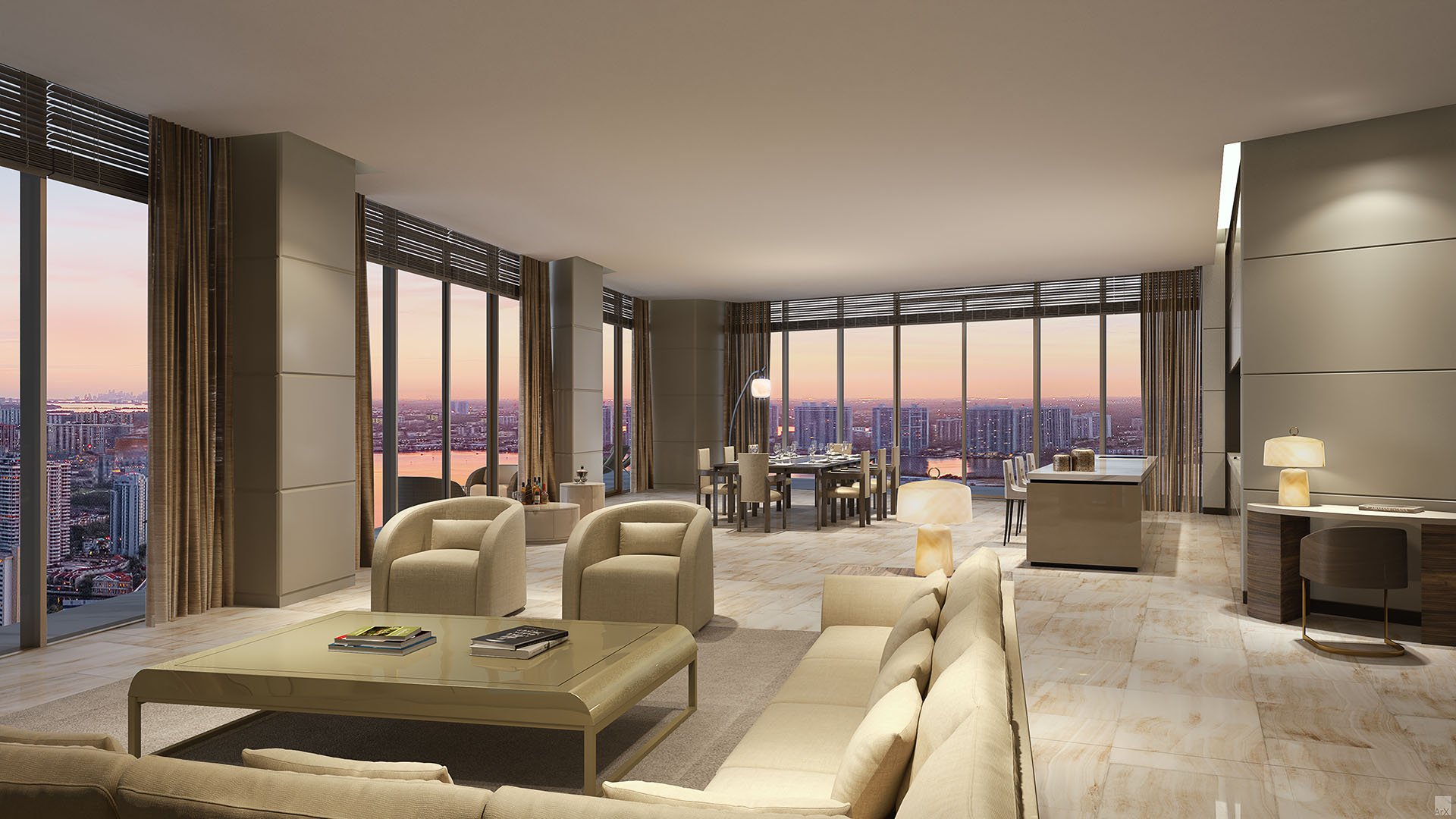
Sunny Isles Beach is prized for luminous coastal living, yet art requires selective rather than indiscriminate daylight. A collector should map direct sun, reflected light, and changing brightness throughout the day. East-facing rooms may behave very differently in the morning than deeper interior spaces, while reflective surfaces can introduce glare that is not apparent during a single showing.
Evaluate window treatments as part of the architecture. Confirm whether blackout, dim-out, solar, and sheer layers can be combined; where shade pockets and power supplies are positioned; and how controls perform during a network or power interruption. Ask a qualified art adviser or conservation professional to review proposed display locations and lighting specifications before construction or installation.
Artificial lighting deserves equal scrutiny. Beam spread, fixture placement, dimming range, color consistency, heat, and maintenance access can affect both viewing and stewardship. A sophisticated scheme should accommodate rotation, intimate evening viewing, and entertaining without forcing every work into the same illumination level.
Residential security is most effective when it is quiet, layered, and compatible with how the owner actually lives. Building controls are only one layer. The residence may also require carefully positioned sensors, secure network architecture, discreet camera coverage, protected storage, documented access privileges, and procedures for household staff.
Before purchase, determine which modifications are permitted and who can service them. Confirm how alarms, cameras, smart locks, shades, and environmental monitors can be integrated without exposing sensitive information or compromising the interior. Insurance, appraisal records, condition documentation, packing instructions, and emergency contacts should form a coordinated plan rather than remain separate files.
Bring the right specialists into the process before committing to a home or renovation concept. An architect can examine walls, ceilings, shade pockets, lighting, power, and equipment placement. An art adviser or conservator can identify display and environmental concerns. A security consultant can assess physical and digital vulnerabilities, while an experienced art logistics firm can test the proposed route for crates and installation equipment.
Request governing documents and written procedures covering construction, deliveries, insurance, vendors, elevator use, and access. Measure doors, corridors, turning points, elevator interiors, and staging areas. For large or unusually delicate works, conduct a route study before purchase. The most persuasive residence is the one whose beauty withstands this practical examination.
Is a branded residence automatically more secure for an art collection? No. The brand may shape service expectations, but security must be verified at both the building and residence levels.
Should collectors favor high floors in Sunny Isles Beach? Floor height is only one variable. Exposure, access logistics, privacy, wind conditions, and emergency planning also warrant review.
Can ocean-facing glass create conservation concerns? Strong daylight and glare can affect display decisions. A conservation professional should assess each proposed location and the planned shading system.
Are motorized shades enough to protect valuable art? Not by themselves. Shade fabric, side gaps, control logic, glazing, room exposure, and the artwork’s sensitivity all matter.
What should be checked for large-format installations? Measure the entire route, including loading areas, elevators, corridors, doors, corners, ceiling clearances, and staging space.
Why are renovation rules important to collectors? They can govern wall reinforcement, lighting changes, shade pockets, wiring, security devices, work hours, and approved contractors.
How can an owner improve privacy during art deliveries? Arrange scheduled access, limit personnel, preauthorize credentials, document the route, and establish clear responsibility for every handoff.
Should collection storage be inside the residence? That depends on space, environmental needs, risk tolerance, insurance requirements, and whether suitable secure construction is permitted.
What specialists should review a potential purchase? Consider an architect, art adviser or conservator, security consultant, insurance specialist, and art logistics professional.
What is the most important pre-offer question? Ask for written confirmation that the exact residence can support the collection’s privacy, light, security, display, and installation requirements.
For a tailored shortlist and next-step guidance, connect with MILLION.
If branded residences are on your mind — as a home or as an allocation — we would be glad to share what we are seeing, privately.
Begin a quiet conversation