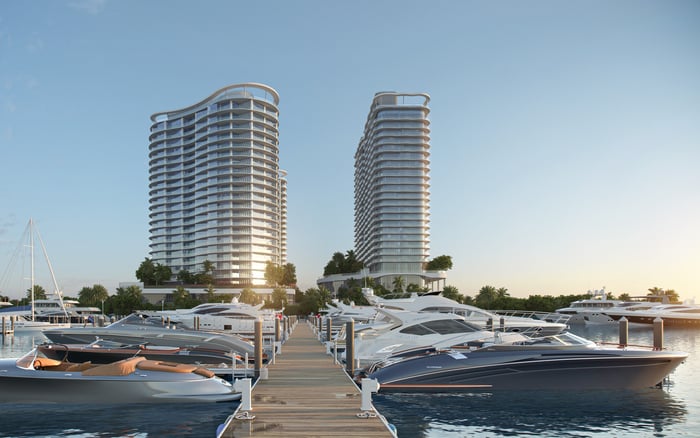
For frequent hosts, the residential, resort and marina context at Bahia Mar may offer several ways to entertain, but its practical value depends on rules, fees, guest privileges and reservation access that buyers should verify before committing.

For buyers who host frequently, the relevant question at St. Regis® Residences Bahia Mar Fort Lauderdale is not simply whether the property offers attractive amenities. It is whether owners can use each setting when, how and with whom they expect. A private dinner, a family afternoon and a larger reception can place very different demands on a residence and its shared spaces.
A development combining residential, hospitality and waterfront components can give owners several hosting options. It can also place those options under different operating rules. Permissions that apply inside a private residence may not extend to a residents’ lounge, resort venue, pool area or marina setting.
Among South Florida branded residences, that distinction is consequential. Hospitality can make entertaining feel coordinated, but branded service does not imply unrestricted use. Frequent hosts should evaluate the property as a collection of settings, each potentially governed by separate access, reservation and cost requirements.
Hospitality can make entertaining feel effortless, but it does not imply unrestricted use.
Start with the residence itself. Buyers should confirm occupancy limits, quiet hours, balcony-use rules and any restrictions on music, deliveries or hired staff. A spacious floor plan may work well for private dinners, but physical capacity does not override condominium rules or building procedures.
Shared residential amenities can offer alternatives to entertaining inside the home. The important questions concern capacity, availability and permitted use. Buyers should ask whether a room is available for ordinary resident use only or may be reserved for a private gathering, how far ahead reservations open and whether the resident must remain present throughout the event.
For a buyer comparing service-oriented options along Fort Lauderdale Beach, Four Seasons Hotel & Private Residences Fort Lauderdale can provide a useful point of comparison. The objective is not to assume that branded properties follow identical policies, but to ask each one the same questions about guest thresholds, private dining and staff support.
An amenity designed for everyday resident use should not be treated as a private event venue unless the governing rules expressly allow that use. Dining rooms, lounges, media rooms and outdoor areas may have distinct reservation procedures, operating hours and guest limits.
Resort meeting or event spaces can involve a separate booking process. Before relying on such a venue, buyers should establish whether owners receive access, priority or preferred terms. They should also ask whether a booking could involve venue charges, food-and-beverage requirements, security, audiovisual support, insurance or additional staffing.
The same reasoning applies to a beach-club environment. Resident access does not necessarily create the right to reserve or privatize a space. Everyday guest admission and permission to stage a catered event are different privileges, and both should be confirmed in writing.
Pool hosting often appears informal, but it can be among the most tightly managed forms of shared-space entertaining. Buyers should ask which guests may enter each pool environment, whether the owner must remain present and whether limits change on weekends, holidays or other busy dates.
Family-oriented amenities also require careful interpretation. A children’s room may be useful during a visit without operating as event childcare. Fitness, spa and wellness spaces may require appointments, age eligibility or separate charges. Buyers planning multigenerational visits should verify supervision requirements and guest privileges rather than relying on amenity names alone.
Another local reference point, The Ritz-Carlton Residences® Fort Lauderdale, illustrates why buyers should compare operating details rather than branding alone. Service scope, guest admission and reservability determine how an amenity functions in practice.
A marina setting can create an appealing framework for boat-centered entertaining, waterfront dining and gatherings connected to Fort Lauderdale’s boating culture. It can also introduce rules that differ from condominium and resort procedures.
Owners should not assume that shared waterfront areas can be closed for a private function. Dock access, guest credentials, deliveries, music, catering and vessel-side service may be subject to marina procedures or separate authorization. A gathering that moves between a residence, vessel and waterfront venue may therefore require coordination among several operating teams.
Major local events can also affect traffic, security, parking and venue demand. Frequent hosts should request any applicable event calendar and ask whether valet operations, marina access, deliveries or reservations change during peak periods.
Marketing presents the lifestyle, but governing documents define its practical limits. Before purchasing, buyers should request the condominium declaration, rules and regulations, applicable hospitality agreements, amenity policies and marina procedures for the selected residence. Provisions should not be assumed to carry across different ownership or operating structures.
A focused hosting checklist should cover:
In-residence guest limits, operating hours and noise restrictions
Shared-room capacities and advance reservation windows
Rules for caterers, florists, musicians and event planners
Insurance certificates, deposits, security and cleanup charges
Restrictions on commercial, ticketed, sponsored or photographed events
Delivery procedures, loading access, valet extensions and guest parking
Owner access to resort, beach-club or meeting spaces
Cancellation terms, minimum spending requirements and peak-date restrictions
Buyers should also request the current fee schedule while recognizing that charges may change. Catering, venue rental, cabanas, treatments, parking and extra staffing can alter the cost of frequent entertaining.
Written answers are especially important when a particular hosting pattern is central to the purchase decision. A buyer who regularly holds formal dinners needs different permissions from one who mainly welcomes family for daytime visits. The review should reflect the owner’s actual guest counts, preferred hours, vendor needs and seasonal schedule.
Bahia Mar may appeal to buyers seeking service-led hosting across residential, resort and marina settings. Its strongest fit may be an owner who values coordination and multiple venue types more than unrestricted private-event use. The decisive issue is not the number of amenities but the clarity of the permissions governing them.
For discreet guidance on comparing hosting privileges and ownership structures across South Florida, connect with MILLION.
If branded residences are on your mind — as a home or as an allocation — we would be glad to share what we are seeing, privately.
Begin a quiet conversationNo. Buyers should obtain written capacity limits for dining, pool and other shared residential spaces.
Owner booking rights, priority and pricing should be confirmed directly through the applicable property documents and operating team.
Access does not necessarily include reservation or privatization rights. Buyers should verify permitted uses and related charges in writing.
Buyers should not assume that every service is included. Current fee schedules should identify any additional charges.
Vendor permissions require confirmation. Buyers should review insurance, loading, staffing and access requirements before planning an event.
Confirm guest limits, owner-presence requirements, operating hours and any restrictions that apply on busy dates.
Owners should not assume they can privatize shared waterfront areas. Separate authorization and marina procedures may apply.
They may affect traffic, security, parking, deliveries or venue demand. Buyers should ask about operational changes during peak periods.
Review the condominium declaration, rules and regulations, amenity policies, applicable hospitality agreements and marina procedures.
It may suit owners who prefer coordinated, service-led entertaining and are comfortable planning within documented rules and reservation procedures.