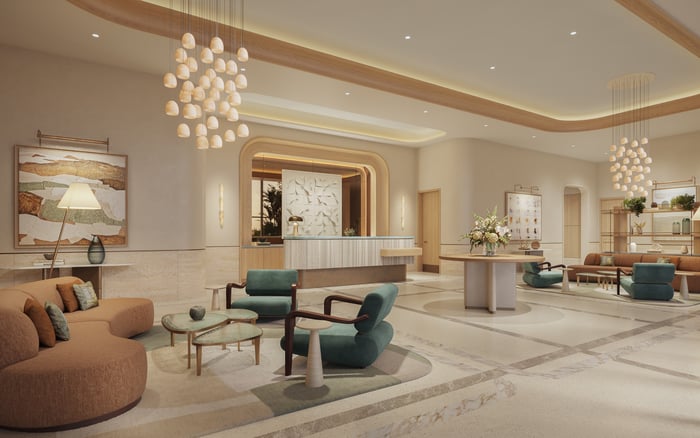
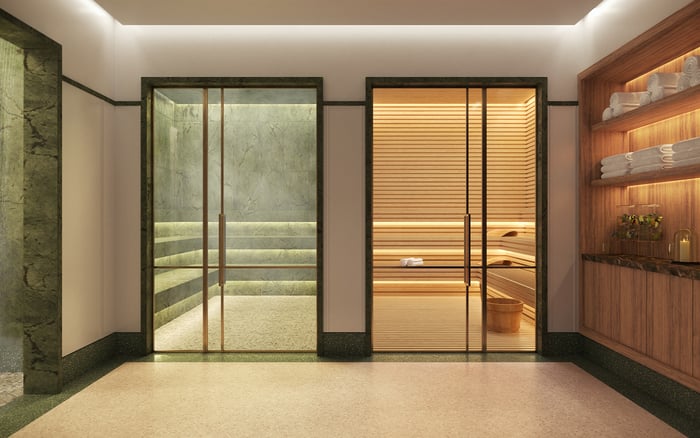
St. Regis® Residences Bahia Mar is planned with private dining, expansive indoor and outdoor amenities, resort restaurants, ballrooms, and marina access. Yet the practical value of those settings will depend on rules governing reservations, catering, guests, fees, vendors, and event hours. Buyers who entertain should examine each operating environment separately before treating hospitality access as part of the ownership proposition.
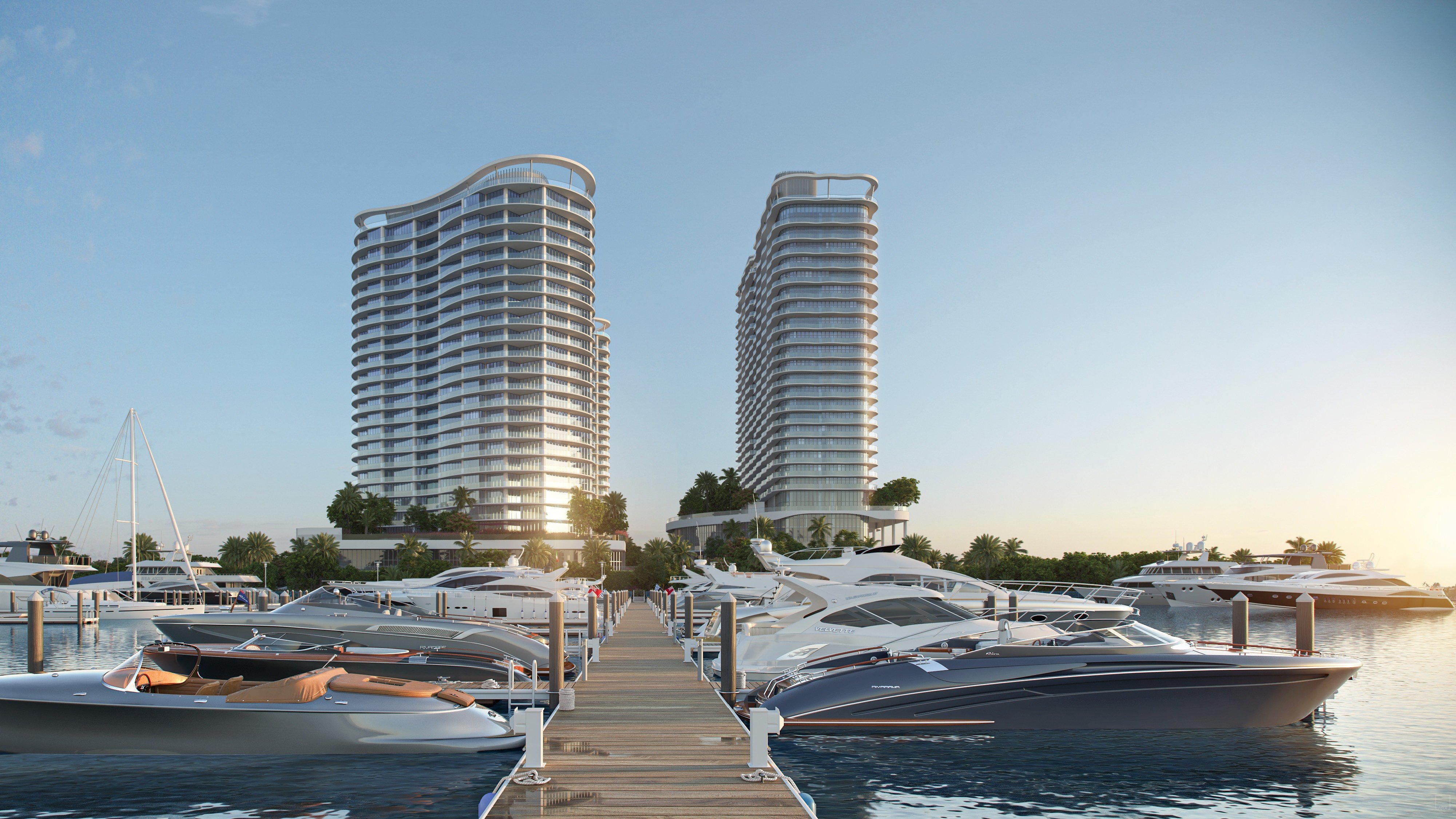
For buyers who entertain often, the appeal of St. Regis® Residences Bahia Mar Fort Lauderdale extends beyond a well-appointed home. The planned hospitality ecosystem offers several scales of entertaining: dinner in a residence, a private gathering downstairs, a waterfront meal within the resort, or a larger ballroom function.
That range is meaningful. Each residential tower is planned with approximately 17,000 square feet of interior amenities, including a private dining room, as well as roughly 20,000 square feet of exterior amenities. Gourmet kitchens within the residences are conceived as both culinary workspaces and gathering places, giving owners a choice between hosting at home and moving an occasion into a managed shared setting.
The value of an entertaining amenity lies as much in its rules as in its design.
For purchasers comparing branded residences, however, the decisive questions are operational. A beautiful dining room does not, by itself, establish capacity, reservation priority, catering flexibility, preferred pricing, or late-evening access. Those details determine whether the amenity supports spontaneous hospitality or demands significant advance planning.
The residential private dining room should occupy a useful position between the home and the hotel. It may allow an owner to preserve privacy within the residence while accommodating a more structured dinner nearby. Promised culinary experiences drawing on global and regional flavors further suggest that food and hospitality are intended to be central to resident life.
The surrounding residential spaces broaden the possibilities. A billiards room, library and media room, children’s entertainment room, and multisport simulator can support gatherings for different age groups and interests. Outdoors, the private pool deck, cabanas, whirlpool, and summer kitchen offer a more informal format. Tropical gardens, outdoor dining areas, and sunrise and sunset terraces create settings that can shape an event around Fort Lauderdale’s climate rather than a conventional enclosed function room.
The private dining room’s capacity, booking window, food-and-beverage minimum, and cancellation terms are not specified. A buyer planning monthly dinners should therefore evaluate it as a promising venue whose practical utility remains subject to governing documents and operating policies.
The most important distinction is whether an owner can merely reserve a room or also activate a complete service platform around it. Buyers should ask whether St. Regis catering will be mandatory for private-dining events, optional, or unavailable for certain formats. They should also clarify whether outside chefs, caterers, florists, musicians, bartenders, and rental vendors may enter residential amenity areas.
In-residence service warrants separate attention. The residences’ gourmet kitchens can support intimate entertaining, but owners may want staffed dinners, bartender service, event setup, wine service, or post-event cleanup without moving guests into a shared room. Availability, lead times, staffing charges, gratuities, kitchen-use restrictions, and alcohol policies could materially affect how often these services are practical.
The broader resort is expected to include signature fine dining and a waterfront restaurant. It is also planned with 65,000 square feet of retail, dining, and entertainment, allowing residents to pair a meal with other on-site experiences. Still, proximity to restaurants does not establish priority reservations, private-event rights, preferential pricing, or the ability to charge services through a resident account.
The Resort Collection includes two ballrooms, meeting rooms, and a boardroom. These venues could accommodate functions beyond the natural scale of a residential private dining room. A private resort lounge exclusive to residents provides another setting for conversation, meetings, or smaller social occasions, while an exclusive, full-service St. Regis beach club adds a resort-managed waterfront option.
The project’s first phase is planned with 160 private residences across two 23-story towers, a 197-room hotel, and 79 furnished resort residences. Because the hotel and residences are part of a branded hospitality partnership, shared venues may operate under hotel procedures rather than condominium rules alone. Owners should not assume that residence ownership automatically confers ballroom access.
Written clarification should address owner booking priority, event minimums, room-rental charges, deposits, insurance, security, guest arrival, valet arrangements, music, decor, and cancellation. Buyers should also ask whether hotel occupancy or peak periods can limit resident access. Event infrastructure has value, but availability on an owner’s preferred date is the benefit that matters.
Bahia Mar’s 250-slip Marina is designed to accommodate vessels up to approximately 350 feet, creating the possibility of guest arrival or hospitality by yacht. Its third-party operation, however, means dock access and marina-side functions may be governed separately from both the residences and the hotel.
Owners should verify boarding procedures, guest credentials, vendor access, catering delivery routes, temporary docking, security, and any restrictions on music or gatherings aboard a vessel. A residential amenity reservation, resort booking, and marina arrangement may involve three approval systems. Treating each independently during planning can prevent an elegant itinerary from encountering an operational gap.
Fort Lauderdale Beach buyers often compare several hospitality-oriented properties. Four Seasons Hotel & Private Residences Fort Lauderdale, Auberge Beach Residences & Spa Fort Lauderdale, and The Ritz-Carlton Residences® Fort Lauderdale can serve as useful comparison points for examining how branded service and residential governance interact.
The comparison should not end with whether each property advertises dining or event space. Request the practical terms: who operates each room, who receives priority, how far in advance residents may book, which vendors are permitted, and what fees apply. For frequent hosts, a smaller space with clear owner priority may prove more useful than a grander venue subject to hotel demand.
Before contract decisions become final, buyers should request the condominium declaration, amenity rules, current fee schedule, and any available hotel or resort venue policies. Counsel can help distinguish enforceable ownership rights from services that may be modified operationally.
The review should address guest limits, event hours, noise restrictions, reservation frequency, deposits, damage responsibility, cleanup charges, alcohol service, children’s access, and vendor insurance. It should also establish whether owners receive preferential pricing or priority for restaurants, ballrooms, meeting rooms, catered functions, and the beach club. These points remain unspecified.
For readers using buyer’s guides to evaluate a waterfront second home, the central lesson is simple: private dining is most valuable when the complete chain of access, staffing, service, and cleanup is clear. Bahia Mar presents an unusually broad entertaining canvas across the residence, resort, outdoor amenities, and Marina environments. The buyer’s task is to establish which privileges are guaranteed, which are reservable, and which remain subject to separate operators.
For confidential guidance on Fort Lauderdale ownership opportunities, connect with MILLION.
If branded residences are on your mind — as a home or as an allocation — we would be glad to share what we are seeing, privately.
Begin a quiet conversationYes. Each tower is planned with approximately 17,000 square feet of interior amenities, including a private dining room.
No detailed capacity limits are specified. Buyers should request current rules and operating guidance.
The article does not establish whether outside chefs or caterers will be permitted. This should be confirmed in writing before purchase.
Staffed dinners, bartender service, wine service, and event setup inside residences are not detailed. Buyers should ask which services will be available and at what cost.
Yes. The Resort Collection is planned with two ballrooms, meeting rooms, and a boardroom, although automatic owner access is not established.
The article does not establish whether owners receive booking priority or preferential pricing for ballrooms, restaurants, meeting rooms, or catered events.
Plans include a private pool deck, cabanas, a whirlpool, summer kitchen, tropical gardens, outdoor dining areas, and sunrise and sunset terraces.
The 250-slip marina is designed for vessels up to approximately 350 feet, but guest arrival and dock access will remain subject to marina procedures.
Not necessarily. The marina is expected to remain third-party operated, so its access and event rules may differ from residential and hotel policies.
Buyers should request the condominium declaration, amenity rules, current fee schedule, and applicable resort and marina policies covering reservations, guests, vendors, hours, and charges.