For collectors, a residence must function as both home and conservation environment. This guide frames the architectural, operational, and governance questions to resolve before buying in Fort Lauderdale.
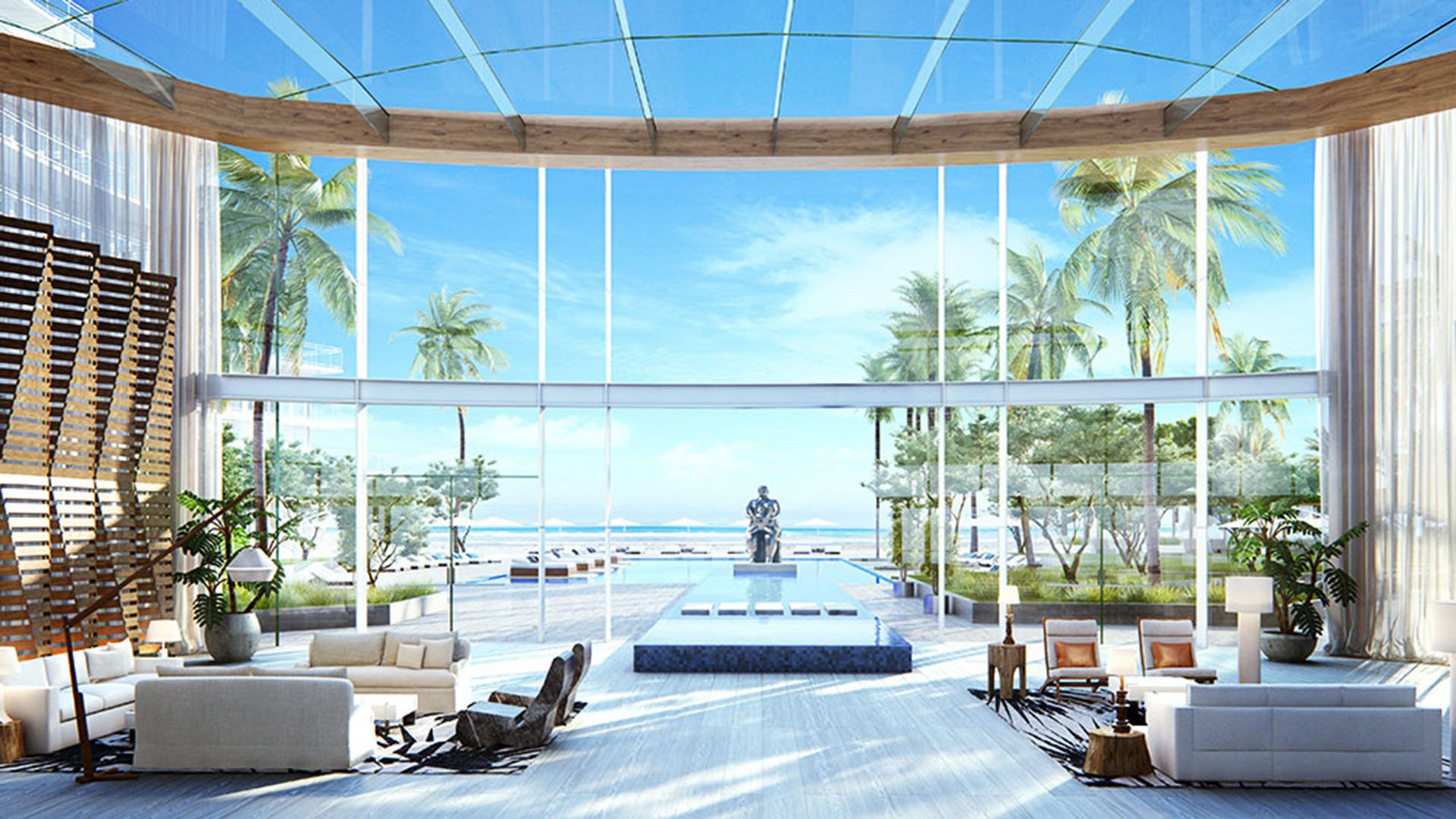
A residence for an art collector carries a more exacting brief than a conventional luxury home. The first question is not simply whether the rooms are generous, but whether the architecture can accommodate the collection’s scale, media, sensitivities, and rotation patterns. Paintings, works on paper, sculpture, photography, textiles, and digital pieces can impose distinctly different requirements.
Before touring, prepare a private collection profile outlining approximate dimensions, weights, preferred viewing distances, light tolerances, power needs, and installation methods. It need not identify artists or values. Its purpose is to allow an architect, art adviser, conservator, insurer, and qualified installer to evaluate a residence without disclosing more than necessary.
This is the essential collector’s lens: the property should serve the collection without making the home feel institutional.
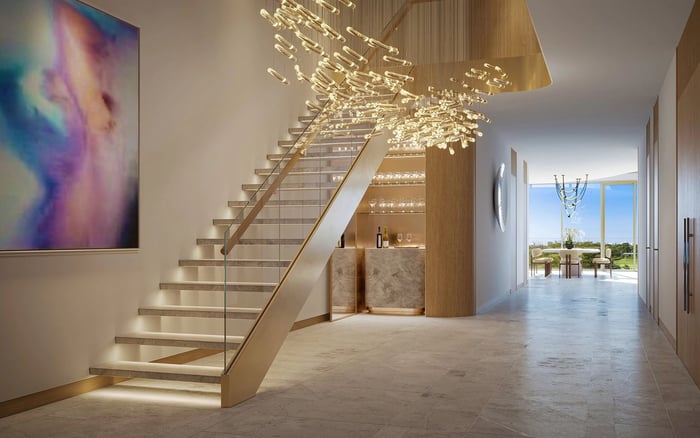
In design and architecture, visual drama does not always translate into curatorial flexibility. Extensive glazing may frame beautiful views while reducing usable wall area. Open plans can create long sightlines yet leave few uninterrupted surfaces for substantial works. Before finishes persuade, map every viable display wall, doorway, return, column, vent, switch, and sprinkler location.
Ceiling conditions matter as much as walls. Confirm what lies above the finished ceiling, where lighting and power can be added, and whether structural support may be available for suspended pieces. Appropriate professionals should review any proposed intervention, and necessary approvals should be secured before assumptions become part of the acquisition decision.
South Florida living places daylight at the center of the experience, but collectors should treat it as a managed design element. Ask a specialist to study direct sun paths, reflected light, glazing, shading, artificial illumination, and the sensitivity of individual works. A bright room can remain compelling without exposing every object in the same way.
Environmental planning should function as a complete system. Air-conditioning capacity, humidity stability, filtration, sensor placement, backup power strategy, and outage procedures all warrant review. Waterfront exposure adds another layer, particularly when evaluating glazing, openings, mechanical resilience, and the route by which works enter the home.
A successful installation begins outside the residence. Trace the entire journey from truck arrival to final placement: loading protocol, receiving area, service corridor, elevator dimensions, cab protection, doorway clearances, turning radii, floor loading, and staging space. A large work may fit inside a room yet still be impossible to move safely through the building.
For Auberge Beach Residences & Spa Fort Lauderdale or Four Seasons Hotel & Private Residences Fort Lauderdale, collectors should request current building procedures rather than infer access from photographs or plans. Apply the same discipline to crating, specialist vendor access, elevator reservations, insurance certificates, and permitted working hours.
Association documents can define the practical limits of a collection. Review rules governing deliveries, contractors, wall penetrations, window treatments, electrical changes, noise, storage, and alterations to common elements. When an installation depends on interpretation, obtain written clarification.
Security should be discreet and layered. Consider arrival privacy, access records, camera placement, alarm integration, staff protocols, and the separation of public entertaining areas from private display zones. Insurance review should occur before closing, with accurate details on occupancy, storage, transit, loans, and specialized environmental or security measures. Coverage for the residence and the collection should be coordinated, not treated as unrelated purchases.
Fort Lauderdale offers distinct residential contexts, so lifestyle preferences must be tested against collection requirements. A buyer comparing St. Regis® Residences Bahia Mar Fort Lauderdale with Sixth & Rio Fort Lauderdale should apply the same private scorecard: usable wall length, light control, service access, alteration rules, security, mechanical planning, and proximity to trusted specialists.
The right Broward residence is not necessarily the one with the largest stated area. A more efficient plan may provide stronger wall continuity, safer circulation, and clearer separation between entertaining and conservation-sensitive zones. Views, terraces, and amenities remain important, but they should complement, rather than compromise, the curatorial brief.
The strongest purchase process brings specialists in early. A real estate adviser can coordinate access and documents, while an architect, conservator, installer, lighting designer, security consultant, insurer, and legal adviser assess their respective risks. Their conclusions should be reconciled before contingencies expire or renovation expectations harden.
A collector-focused inspection is ultimately an exercise in alignment. Architecture, building operations, preservation, privacy, and daily pleasure must work in concert. When they do, the residence becomes more than a backdrop: it becomes a disciplined setting in which the collection can be viewed, protected, and lived with naturally.
Should an art adviser attend the first property tour? Not always, but a collection profile should inform the tour from the outset.
Is abundant natural light always a disadvantage? No. The question is whether exposure can be measured and controlled for each work.
What measurements matter beyond room dimensions? Record walls, doors, elevators, corridors, turning radii, ceilings, and loading access.
Can a buyer assume artwork may be anchored anywhere? No. Wall construction, concealed services, structural conditions, and rules all require review.
Why do building delivery policies matter? They can determine when, how, and by whom crated works may enter the residence.
Should insurance be reviewed before closing? Yes. Residence, collection, transit, storage, and occupancy details should be coordinated.
How should buyers assess security without creating a gallery atmosphere? Favor discreet, layered systems integrated with lighting, access, staffing, and privacy.
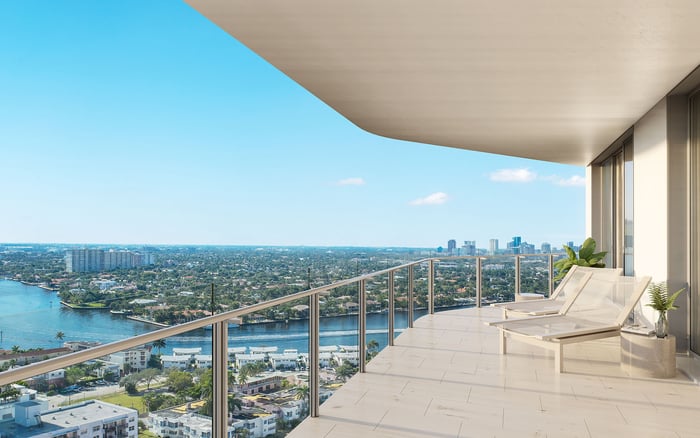
Do terraces help an outdoor sculpture collection? They may, subject to structural, exposure, attachment, drainage, and association review.
What should be confirmed about backup power? Determine which residence systems remain active and how environmental conditions are monitored.
Is the largest residence usually the best choice? No. Wall continuity, access, controllable light, and operational flexibility can matter more.
For a confidential assessment and a building-by-building shortlist, connect with MILLION.
If branded residences are on your mind — as a home or as an allocation — we would be glad to share what we are seeing, privately.
Begin a quiet conversation