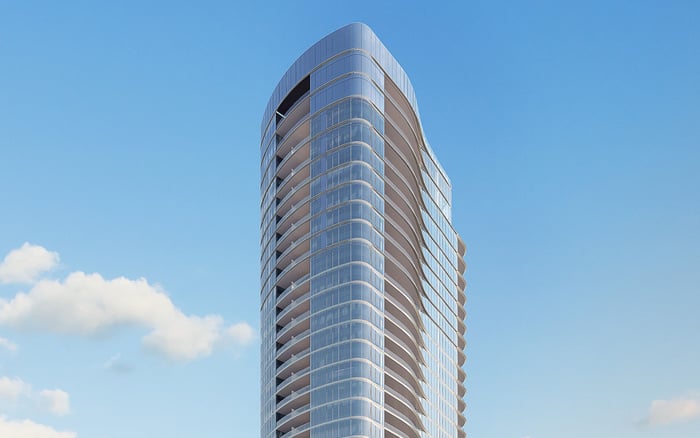
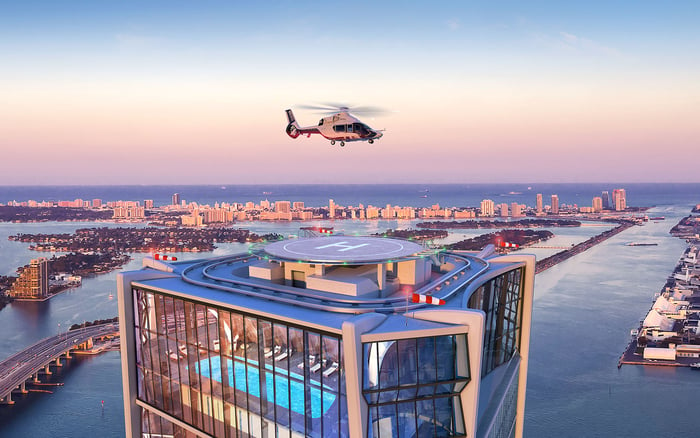
Edgewater’s appeal for privacy-minded buyers is rooted in arrival choreography, staff circulation, waterfront calm, and a residential rhythm that supports discretion without sacrificing access.
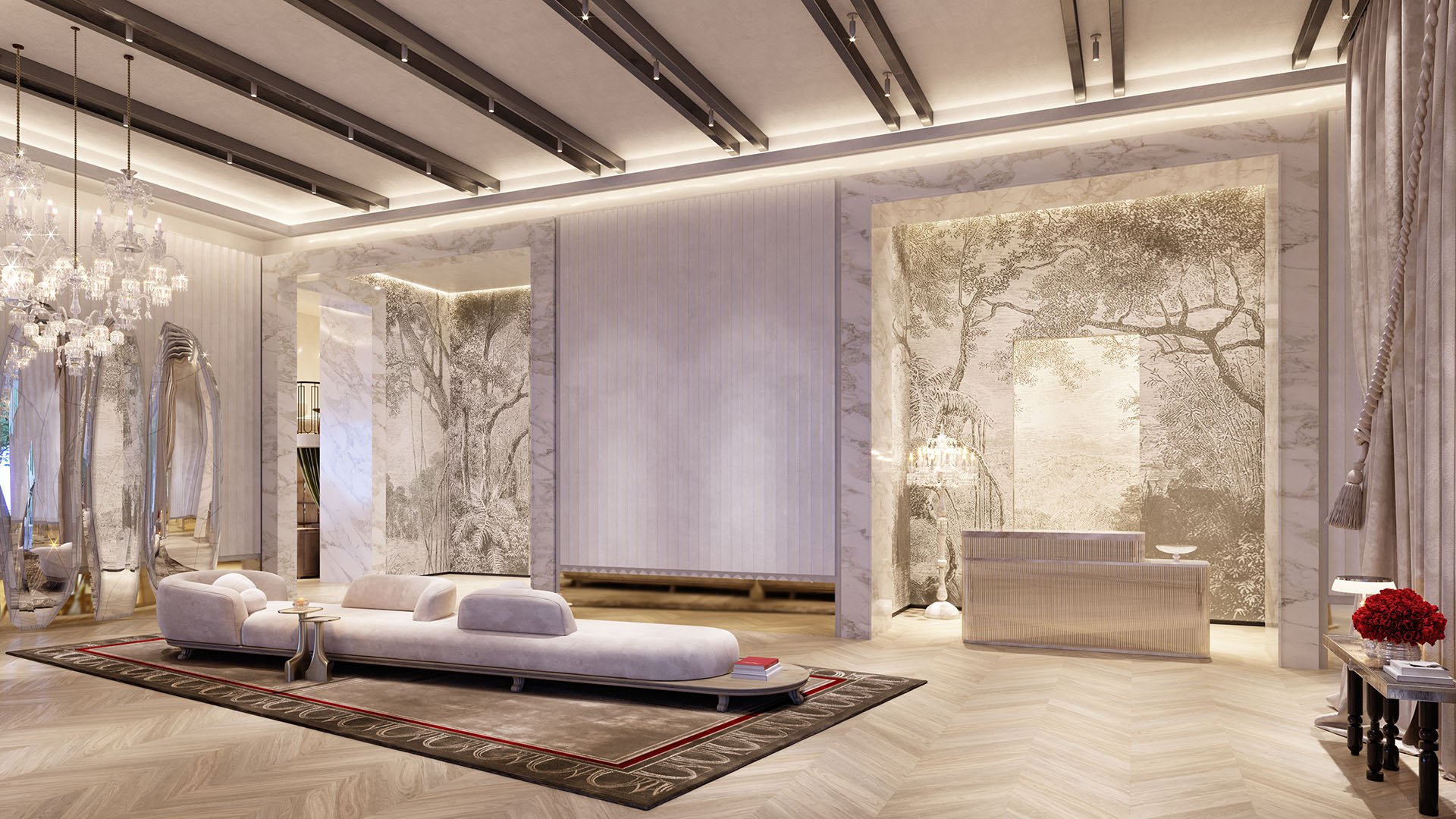
For a certain tier of South Florida buyer, luxury is not measured first by the lobby chandelier, the pool deck, or the height of the residence. It begins at the curb. The essential question is simple: can the owner, a family member, a driver, or a trusted household employee move through the building without becoming part of the social scene?
That is where Edgewater earns attention. The neighborhood belongs to Miami’s urban conversation, yet its appeal for privacy-minded buyers is more nuanced than proximity. It offers a residential frame for people who want access without constant exposure, water views without resort theatrics, and a daily rhythm that can accommodate drivers, assistants, nannies, chefs, security personnel, and visiting household staff.
Discreet arrival is not about hiding. It is about control. It allows a household to decide when to be visible, when to receive guests, when to keep family logistics quiet, and how to separate public life from private operations. In the ultra-prime market, that choreography can be as important as floor height or finish package.
Edgewater attracts buyers who want a softer residential cadence than more overtly commercial districts. Brickell and Downtown can be compelling for clients who prioritize office access, dining density, and a vertical city lifestyle. Edgewater, by contrast, can feel more residential in the way buyers experience the day, particularly for households that depend on coordinated arrivals and departures.
The distinction matters. A buyer with a full-time driver may care less about how dramatic the porte cochere looks and more about whether the drop-off works smoothly. A family with household staff may focus on where employees wait, how packages are received, whether service access is intuitive, and whether a child can be brought upstairs without passing through a crowded amenity lobby.
The most sophisticated buyers evaluate buildings almost like private clubs. They ask how many people witness the same route, how often guests intersect with residents, and whether service movement is treated as an afterthought or as part of the building’s design intelligence.
The best way to understand discreet arrival is to walk it. A brochure can describe privacy, but only the physical sequence reveals whether it functions. Buyers should observe the approach by car, the curb condition, the valet posture, visibility from the street, the relationship between the lobby and elevator bank, and the way staff members are expected to move.
For driver-led households, the crucial detail is not simply whether valet exists. It is how naturally a driver can pull in, wait, receive instruction, and depart without creating friction. The ideal arrival feels calm, predictable, and unhurried. It should not require a performance at the front door.
For household staff, the route matters just as much. A chef arriving with provisions, a nanny managing children, or a house manager coordinating deliveries should not have to improvise through a social lobby. Buildings that understand ultra-prime living tend to reduce those points of exposure. They make the mechanics of the household feel dignified, quiet, and easy to supervise.
Many buyers think of the residence as beginning at the front door. Privacy-minded households think earlier. The residence begins when a car turns into the property and continues through every point of access, greeting, elevator transfer, and corridor movement.
That is why staff circulation should be evaluated with the same seriousness as a primary suite. A beautiful home can become inconvenient if the people supporting it cannot move efficiently. In a large household, the staff experience becomes part of the owner experience. When staff routes are clear, family life feels calmer.
This is especially relevant for buyers comparing new-construction opportunities with established buildings. New construction can promise contemporary systems and fresh design thinking, but the buyer still needs to test the operational reality. The question is not whether the building sounds private. The question is whether privacy survives the morning school run, a dinner party setup, a late airport pickup, and a weekend with guests in residence.
In luxury residential design, the elevator is not just transportation. It is a threshold of exposure. A private or semi-private elevator experience can reduce casual encounters, while a heavily trafficked elevator bank can turn every arrival into a small public moment.
Not every buyer requires the same level of separation. Some enjoy a social building. Others prefer the option to disappear. For families with public profiles, business leaders, entertainers, investors, or international owners, the ability to move quietly from car to residence can become a deciding factor.
High floors often add another layer of perceived privacy, particularly when combined with fewer corridor interactions and more controlled access. Yet height alone is not enough. A high residence reached through a busy, exposed sequence may feel less private than a lower residence with better arrival discipline. The route is the luxury.
Edgewater’s waterview appeal is obvious, but its more subtle advantage is psychological. Water can soften the urban experience. It can make a residence feel removed from the intensity of Miami even when the city remains close by. For discreet buyers, that sense of removal is powerful.
The best privacy is often not defensive. It is composed. A home that faces the water, receives light, and separates the household from the energy of the street can feel quietly elevated without needing to announce itself. That restraint is part of Edgewater’s appeal for clients who want substance rather than spectacle.
This is also why buyers should not evaluate privacy only from inside the apartment. The exterior approach, building frontage, vehicle flow, neighboring activity, and amenity placement all influence whether the home actually lives discreetly. A spectacular view can be undermined by a chaotic arrival. Conversely, a well-managed arrival can make an already desirable residence feel far more complete.
The strongest purchase decisions come from comparing lifestyle patterns, not just addresses. Brickell may suit a buyer who wants the energy of Miami’s financial and dining core close at hand. Downtown may appeal to those who like cultural access and a more urban pulse. Edgewater appeals when the buyer wants a quieter residential base that still remains connected to the city’s center of gravity.
For a household with drivers and staff, that difference can be meaningful. A calmer setting may reduce friction in daily logistics. It may also make it easier for guests, family members, and employees to understand the building’s rhythm. The goal is not isolation. The goal is a property that supports a refined life without unnecessary complications.
Buyers should ask practical questions before falling in love with finishes. Where does the driver wait? How are deliveries handled? Is there a predictable protocol for household staff? Can multiple arrivals happen at once without congestion? Are guests announced discreetly? Does the building team understand the difference between service and visibility?
The right Edgewater residence should feel easy before it feels impressive. That may sound counterintuitive in the luxury market, but ease is often the clearest sign of quality. When arrival, staffing, security, and elevator movement are coordinated well, the owner experiences the building as calm rather than managed.
A privacy-led buyer should prioritize controlled access, intelligent service routes, thoughtful valet operations, strong building personnel, and a residence plan that supports real household use. The more complex the household, the more important these details become.
The best purchases will be the ones where beauty and operations align. Edgewater can be especially compelling for buyers who want a waterfront lifestyle, a central Miami position, and a more discreet daily pattern than the city’s busiest addresses often provide. For those clients, the unseen details are not secondary. They are the point.
Why does discreet arrival matter in Edgewater? It matters because the arrival sequence determines how visible an owner, family member, driver, or staff member becomes during daily routines.
Is discreet arrival only important for public figures? No. It also matters for families, executives, international owners, and anyone who values controlled movement through a building.
What should buyers inspect first? Buyers should study the curb approach, valet flow, lobby exposure, elevator access, and how staff are expected to enter and move.
Does a waterfront residence automatically feel private? Not always. A waterview can create calm, but privacy depends on the full sequence from street to residence.
Are high floors always more discreet? High floors can support privacy, but the building’s arrival and elevator structure are just as important as elevation.
How does Edgewater compare with Brickell? Edgewater can feel more residential, while Brickell often appeals to buyers who want a denser urban lifestyle.
How does Edgewater compare with Downtown? Downtown may offer a stronger urban pulse, while Edgewater can suit buyers seeking a calmer residential setting near the core.
Should household staff routes affect the purchase decision? Yes. If staff circulation is awkward, the residence may feel less private and less efficient in daily use.
Is new construction always better for discreet living? Not necessarily. New construction should still be evaluated for real arrival flow, staff access, and building protocols.
What is the best way to shortlist comparable options for touring? Start with location fit, delivery status, and daily lifestyle priorities, then compare stacks and elevations to validate views and privacy.
When you're ready to tour or underwrite the options, connect with MILLION.
If branded residences are on your mind — as a home or as an allocation — we would be glad to share what we are seeing, privately.
Begin a quiet conversation