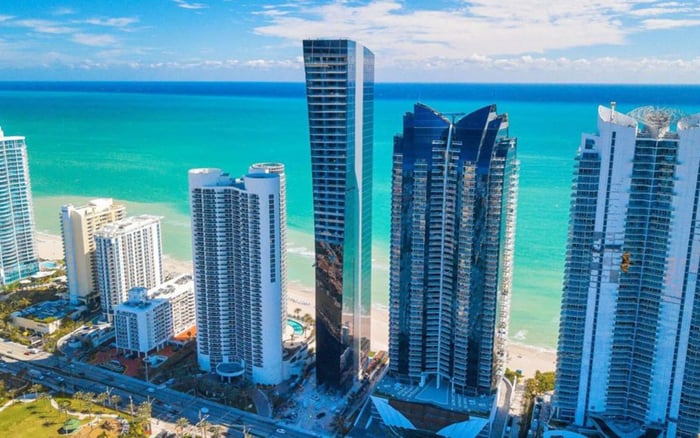
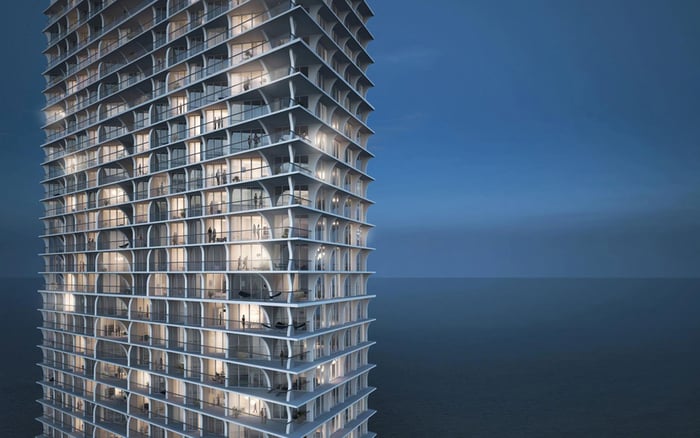
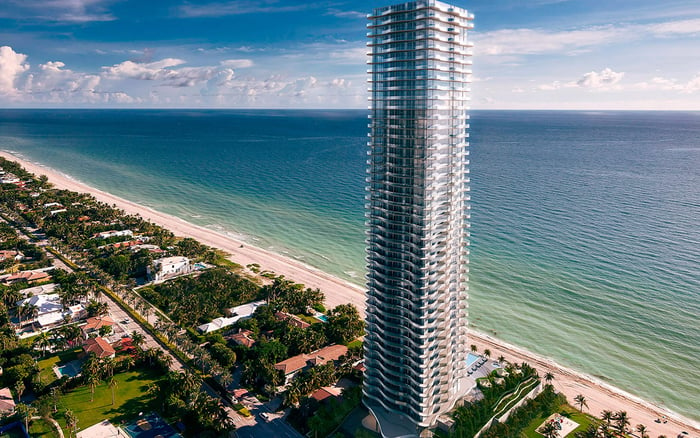
A buyer-focused look at how Muse Residences Sunny Isles Beach should be evaluated for spa-floor privacy, amenity load, guest policy, staffing, and real usage in 2026.
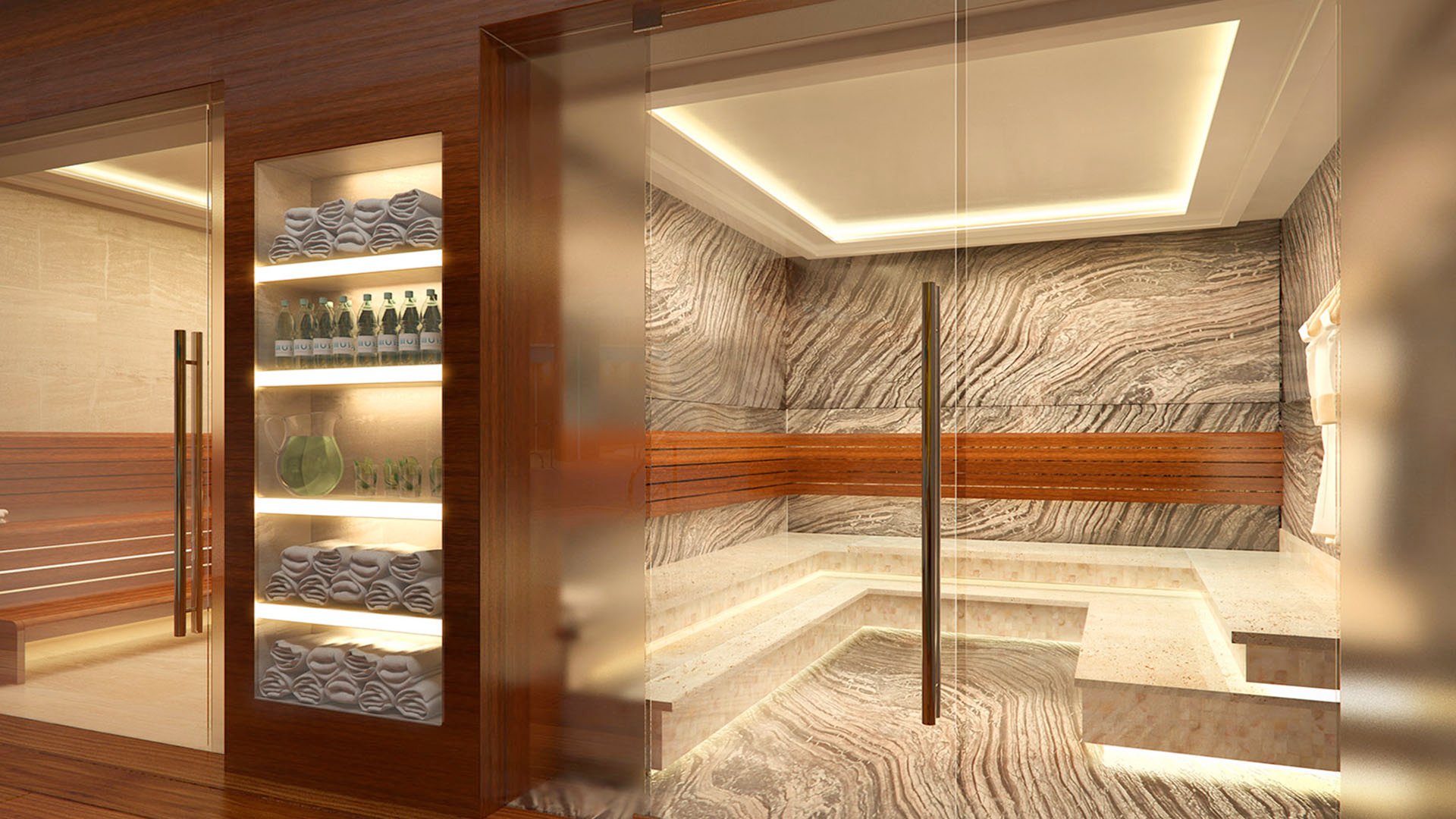
For buyers evaluating Muse Residences Sunny Isles Beach in 2026, the spa-floor question is not only whether wellness amenities exist. The more useful question is whether those spaces remain calm, accessible, and discreet when residents actually want to use them.
That distinction matters in South Florida’s luxury condominium market, where wellness language can sound similar from one building to another. A spa area, relaxation room, fitness space, or treatment setting may photograph beautifully, but the buyer’s experience depends on use patterns, rules, service, and the way the building is managed day to day.
At Muse Residences Sunny Isles Beach, the test should be practical. A buyer should look beyond the brochure-level promise and study how the amenity floor functions during real visits. The goal is to understand whether the environment supports privacy or whether it becomes another shared space that requires compromise.
Wellness amenities have become a central part of luxury residential decision-making across Miami-Dade, Broward, and Palm Beach. In Sunny Isles Beach, where buyers often weigh waterfront living, views, service, and privacy, the spa floor can become a meaningful part of the value equation.
Still, the presence of a spa does not automatically create a private wellness experience. A quiet room can feel busy if access is loose, if guest rules expand the user base, or if staffing is not aligned with resident demand. Conversely, a well-managed amenity area can feel composed when the rules, etiquette, and service model are clear.
That is why a buyer should treat the spa floor as an operating environment, not just a design feature. The question is how the space behaves under pressure: mornings, weekends, holiday periods, and seasonal windows when more owners and guests may be in residence.
A useful visit begins with arrival. The route from elevator to wellness areas should feel intuitive, composed, and appropriately private. If the path feels congested or unclear, that friction can weaken the sense of retreat before a buyer even reaches the spa area.
Inside the amenity floor, buyers should observe capacity, sound, waiting patterns, and the condition of supporting spaces. Towels, lockers, changing areas, seating, and circulation all matter because they reveal how well the environment is being maintained during ordinary use.
The best inspection is not rushed. Buyers should pause long enough to notice whether residents are waiting for equipment, whether treatment or relaxation areas feel calm, and whether the setting supports the level of discretion expected from a luxury condominium.
Rules can shape the spa-floor experience as much as design. Buyers should ask how residents reserve spaces, whether reservations are required or optional, and whether any limits apply during high-demand periods.
Guest access deserves particular attention. A building may feel private in theory, but generous guest privileges can change the true number of people using wellness amenities. Buyers should understand whether guests must be accompanied, whether independent access is allowed, and how the building handles busy periods.
Staffing is another important signal. A spa floor that looks refined but feels unattended may not deliver the same level of comfort as one supported by consistent service, cleaning, scheduling, and visible management. The buyer should ask how the building maintains order without making the experience feel rigid.
One tour is rarely enough for this type of diligence. If access permits, a buyer should compare a quieter window with a likely busier window. The contrast can reveal whether the spa floor maintains its atmosphere when demand changes.
During each visit, the buyer should look for practical evidence. Are common areas orderly? Is sound controlled? Are people waiting? Are staff members present without being intrusive? Do residents appear to move through the space comfortably?
The answer does not have to be perfect. Luxury condominium living always involves shared systems. The point is to identify whether the shared wellness setting is consistent with the buyer’s expectations for privacy, convenience, and daily comfort.
Observation should be paired with document review. Buyers should request the relevant condominium documents, amenity rules, house rules, reservation procedures, guest policies, and any available materials that explain how wellness spaces are used and managed.
This review is especially important because rules can change over time. A buyer should avoid relying on verbal impressions alone when the decision involves privacy, access, and lifestyle expectations. Written materials help confirm what is enforceable and what is merely customary.
If a buyer has specific expectations, those expectations should be discussed before an offer is made. The right questions can prevent disappointment after closing, particularly when the buyer places high value on quiet wellness routines.
Sunny Isles Beach buyers often compare condominiums through a lifestyle lens. Views, service, residence scale, parking, beach access, and amenity quality can all influence the final decision. Spa-floor crowding belongs in that same conversation because it affects how the property feels after the initial excitement of a tour has passed.
The South Florida luxury buyer is also dealing with seasonal rhythms. A space that feels peaceful on a quiet afternoon may feel different during a busier ownership period. That is not a flaw by itself, but it is a condition that should be understood before committing.
For Muse Residences Sunny Isles Beach, the most disciplined buyer approach is to separate marketing language from lived experience. The building should be judged by what can be observed, confirmed, and documented.
The strongest buyer test for Muse Residences Sunny Isles Beach is simple: does the spa floor still feel private when the building is active? If the answer is yes, wellness becomes a genuine lifestyle advantage. If the answer is uncertain, more diligence is needed before the buyer treats the amenity as a decisive reason to purchase.
In 2026, luxury wellness is not defined by a checklist. It is defined by access, discretion, maintenance, policy, and the quiet confidence that the amenity will be available when it matters.
Why should Muse Residences Sunny Isles Beach buyers focus on spa-floor crowding? Spa-floor crowding affects privacy, comfort, and the daily value of wellness amenities. Buyers should judge how the space works in practice, not only how it appears in marketing.
What is the most important spa-floor question to ask? The key question is when the wellness areas are busiest. That answer helps a buyer understand whether peak use could affect their preferred routine.
Should buyers visit the amenity floor more than once? Yes. A comparison between quieter and busier windows can reveal how the space performs under different usage conditions.
Do guest policies affect the wellness experience? Yes. Guest access can expand the number of people using spa and fitness spaces, so buyers should review the rules before relying on privacy assumptions.
Why do reservation systems matter? Reservation procedures can help preserve access and order when demand rises. Buyers should confirm whether the rules are written, enforced, and practical.
How can staffing influence spa-floor privacy? Staff presence can support cleanliness, scheduling, discretion, and smooth circulation. Poorly managed spaces may feel less private even when the design is attractive.
What should buyers observe during a tour? Buyers should watch for waiting, noise, crowded circulation, upkeep, and whether residents appear to move comfortably through the wellness areas.
Should buyers rely on verbal explanations alone? No. Verbal guidance should be supported by condominium documents, amenity rules, and any written policies that govern access and use.
Is a beautiful spa floor enough to support a luxury purchase decision? Not by itself. The value depends on how the amenity is operated, maintained, and experienced during real resident use.
What is the best way to shortlist comparable options for touring? Start with location fit, delivery status, and daily lifestyle priorities, then compare stacks and elevations to validate views and privacy.
To compare the best-fit options with clarity, connect with MILLION.
If branded residences are on your mind — as a home or as an allocation — we would be glad to share what we are seeing, privately.
Begin a quiet conversation