A practical buyer’s comparison of Regalia Sunny Isles Beach and Muse Residences Sunny Isles Beach, centered on reserves, insurance structure, capital exposure, and completed-building confidence rather than surface-level amenity differences.
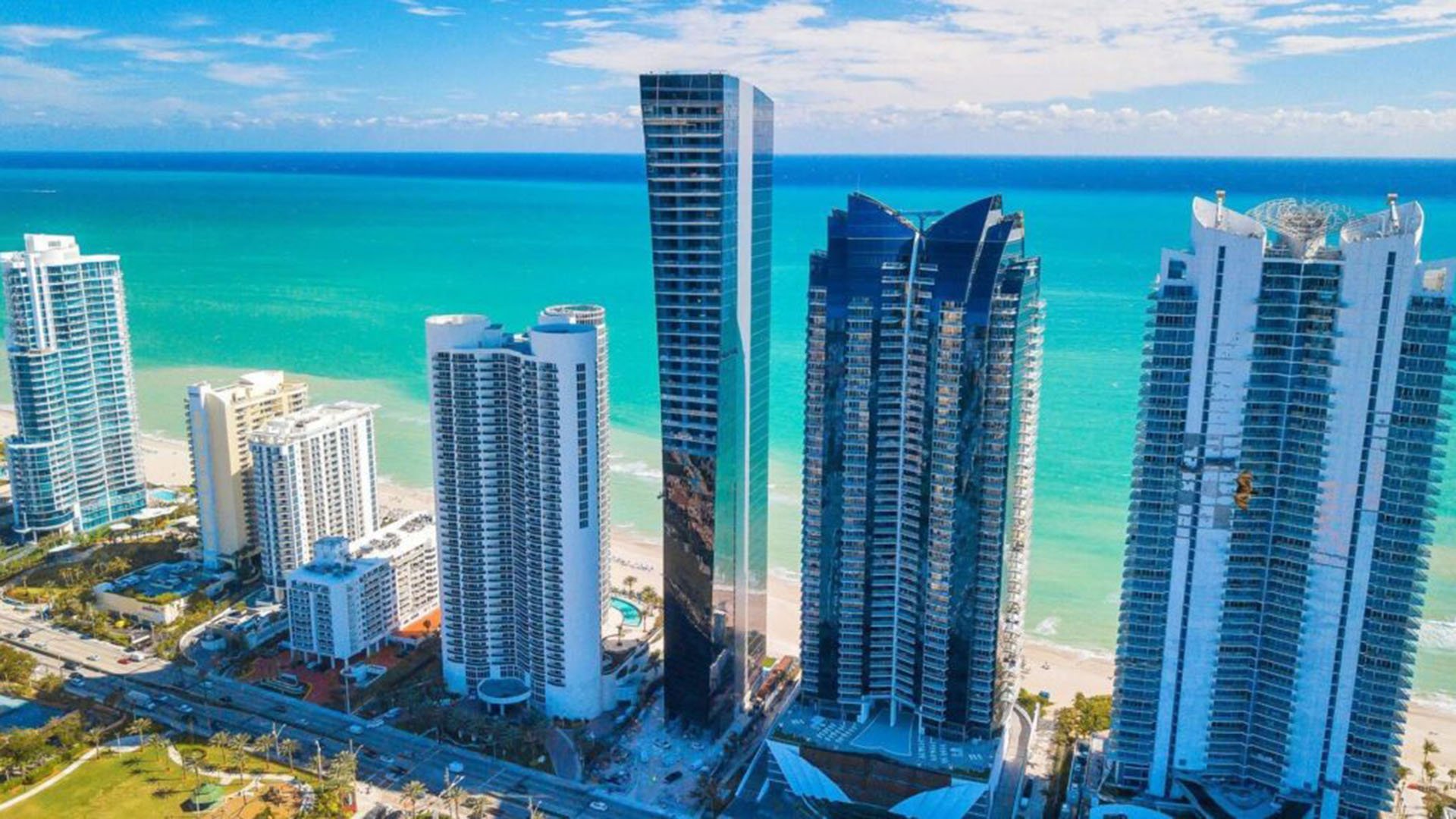
Regalia Sunny Isles Beach and Muse Residences Sunny Isles Beach occupy the same psychological territory in the Sunny Isles Beach luxury market: completed, ultra-luxury oceanfront condominium living for buyers who want direct coastal presence without the uncertainty of a future delivery. Both sit within the same beachfront corridor, so the comparison is not primarily about whether the buyer wants Sunny Isles Beach. It is about which building presents the more legible long-term ownership profile.
That distinction matters. A beautifully finished residence can still sit inside a building with uneven reserve planning, a complicated insurance structure, or unclear exposure to future capital projects. In today’s Florida condominium environment, the practical buyer looks past lobby theater and toward the association file. The question becomes less romantic, but more valuable: which tower gives an owner greater confidence around reserves, windstorm and flood risk, deductible exposure, engineering condition, and governance discipline?
Both towers benefit from being 2010s-era completed buildings rather than older 1980s-era beachfront inventory. That does not remove the need for diligence. It simply changes the frame. A completed luxury building allows buyers to examine operating history, actual maintenance patterns, and current insurance documentation rather than relying on renderings or assumptions.
Regalia is framed as boutique-scale, with a smaller owner base than Muse. For some buyers, that intimacy is precisely the appeal. Boutique living can feel more private, more composed, and less institutional. It can also mean that major building expenses are spread among fewer owners. If a significant capital project or special assessment is required, each owner’s proportional exposure may be more pronounced.
Muse is also boutique in character, but it is framed as having a somewhat larger ownership base than Regalia. That may help distribute shared building costs across more units. It does not automatically make Muse safer, less expensive, or better managed. It simply gives a buyer a different cost-sharing profile to analyze.
This is where sophisticated buyers avoid shortcuts. A smaller owner base is not inherently negative if the association is well reserved, transparent, and proactive. A larger owner base is not inherently protective if reserves are thin or governance is reactive. The buyer’s task is to compare the reserve schedule, funding assumptions, anticipated repair cycles, and the building’s history of addressing major needs before they become urgent.
For oceanfront condominiums, insurance is not a background expense. It is a core underwriting issue. Windstorm exposure, flood-risk diligence, master-policy coverage, deductible structures, and the way deductibles may be allocated after a loss all affect the true cost of ownership.
A buyer comparing Regalia and Muse should request the current insurance binders and review them with qualified advisers. The premium alone is not enough. The more revealing questions involve what is covered, what is excluded, how deductibles are structured, whether there are separate windstorm or flood components, and how the association communicates changes in coverage or cost to owners.
In a luxury purchase, the most expensive surprise is often not the line item everyone can see. It is the contingent exposure hidden in a deductible, a reserve gap, or a building component nearing the end of its useful life. Insurance review should therefore sit beside aesthetic review, not behind it.
Completed-building certainty has real value. The buyer can walk the common areas, experience the vertical circulation, understand the arrival sequence, inspect the residence, and review how the tower has been operated in practice. That is a meaningful advantage over an unbuilt promise.
Still, completed does not mean fully de-risked. For both Regalia and Muse, the relevant documents include association budgets, reserve planning materials, engineering reports, insurance binders, deductible structures, meeting minutes, and any special-assessment history. These files tell a more complete story than finishes alone.
The buyer should be especially attentive to whether the association’s financial posture appears anticipatory or merely responsive. Has the building planned for future work in an orderly way? Are major components being monitored? Are insurance changes explained with clarity? Is there evidence that governance treats the tower as a long-life asset rather than a collection of individual residences?
A Regalia buyer may be drawn to greater privacy, an intimate owner base, and the feeling of a highly individual oceanfront address. The practical counterweight is concentration. With fewer owners, the buyer should be exceptionally clear about reserve depth, future project planning, and assessment exposure.
A Muse buyer may see an advantage in a broader cost-sharing base while still remaining within a boutique-scale luxury environment. The practical counterweight is verification. A larger owner base can spread costs, but only if the building’s planning, insurance, and governance are equally disciplined.
For buyers searching the Sunny Isles corridor, the more useful exercise is not to declare one building universally superior. It is to identify which building’s financial structure, management culture, and risk allocation better match the buyer’s tolerance. Some owners value privacy enough to accept more concentrated exposure. Others prefer a slightly broader owner base if it supports smoother long-term cost distribution.
Resale in this segment is shaped by more than views, terraces, and interior specification. Future buyers will ask sharper questions about reserves, insurance, engineering condition, and assessment history. A residence in a beautifully maintained building with clean, comprehensible documents may feel easier to underwrite than one where the paperwork is opaque.
That is why today’s purchase diligence can become tomorrow’s exit strategy. If a buyer can explain the building’s reserve posture, insurance structure, and governance discipline at acquisition, that same clarity may support future marketability. Luxury buyers still respond to emotion, but they increasingly expect institutional-level documentation beneath the emotion.
Regalia Sunny Isles Beach and Muse Residences Sunny Isles Beach both belong in serious conversations about completed oceanfront luxury. The difference is not simply taste. It is exposure, allocation, and confidence.
Is Regalia Sunny Isles Beach a completed building? Yes. It is treated here as a completed ultra-luxury oceanfront condominium tower in Sunny Isles Beach.
Is Muse Residences Sunny Isles Beach also completed? Yes. Muse is treated here as a completed ultra-luxury oceanfront condominium tower in the same Sunny Isles Beach corridor.
Which building has the smaller owner base? Regalia is framed as having the smaller owner base, which can make individual exposure to major shared costs more concentrated.
Does Muse’s larger owner base automatically make it safer? No. A broader owner base may spread costs, but reserves, insurance, engineering condition, and governance still need careful review.
Why are reserves so important for oceanfront condos? Reserves help address future building needs, especially in coastal properties where exposure to wind, salt air, and major systems is central to ownership.
What insurance documents should a buyer review? Buyers should review current insurance binders, coverage limits, windstorm and flood components, exclusions, and deductible structures with qualified advisers.
Are finishes and amenities less important now? They still matter, but the practical buyer question is increasingly about long-term cost certainty and building-level financial discipline.
What should a buyer ask about special assessments? Ask whether assessments have occurred, what prompted them, how they were funded, and whether future projects are already anticipated.
How should boutique scale be evaluated? Boutique scale can offer privacy and refinement, but buyers should understand how many owners share major expenses and future obligations.
What is the best way to shortlist comparable options for touring? Start with location fit, delivery status, and daily lifestyle priorities, then compare stacks and elevations to validate views and privacy.
For a confidential assessment and a building-by-building shortlist, connect with MILLION.
If branded residences are on your mind — as a home or as an allocation — we would be glad to share what we are seeing, privately.
Begin a quiet conversation