A buyer-focused guide to judging private elevators, controlled arrival, access design, privacy, operations, and long-term livability before purchasing a luxury residence in Pompano Beach.
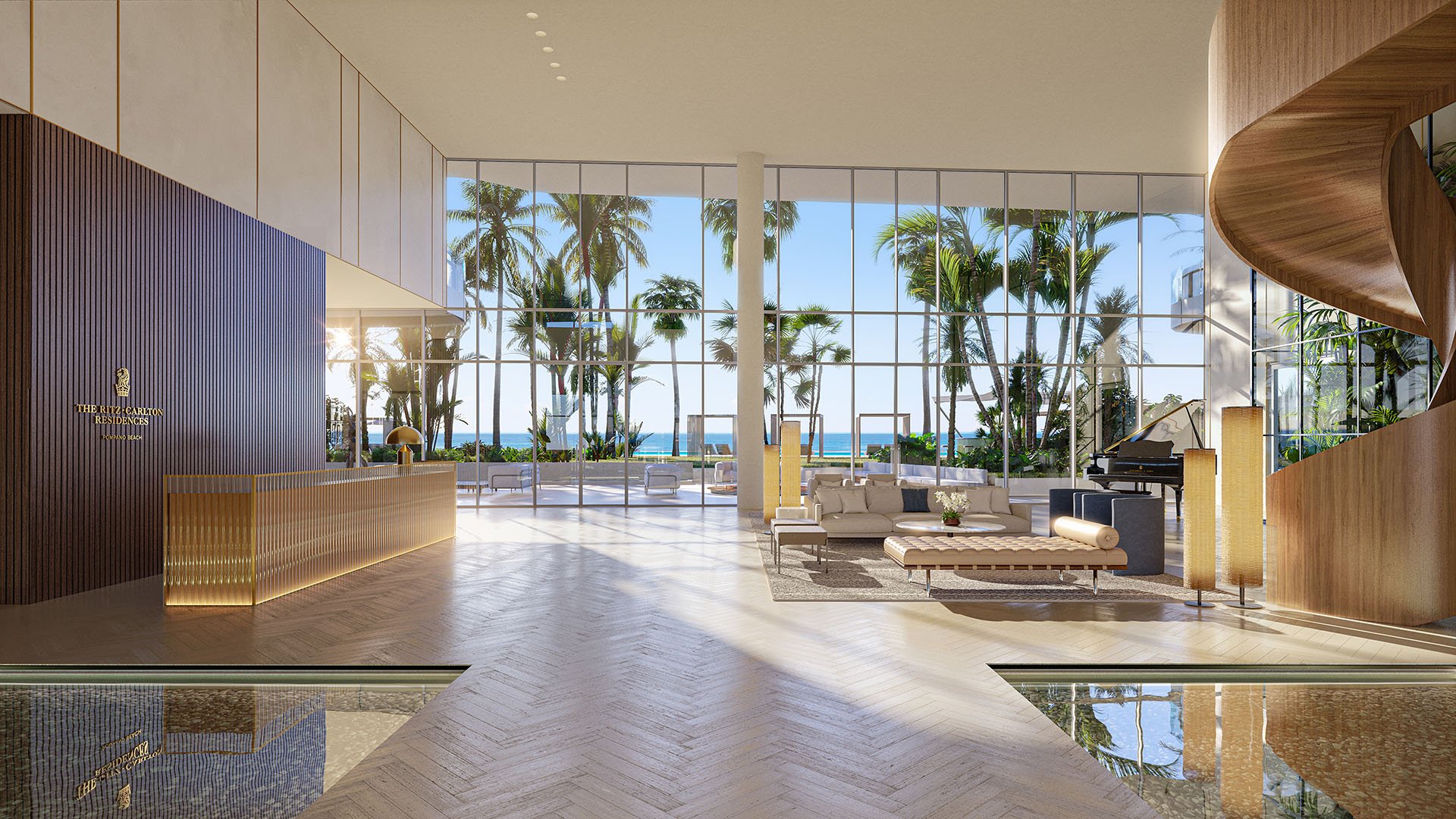
In Pompano Beach, the luxury condominium conversation increasingly centers on how a buyer moves between the shoreline, garage, lobby, and front door. A private elevator or controlled arrival sequence can be compelling at first glance, but the real test is not whether the feature sounds exclusive. It is whether it quietly improves privacy, circulation, service, security, and daily ease.
For a Buyer's Guides mindset, treat the elevator as infrastructure. It is part of the residence’s floor plan, part of the building’s hospitality logic, and part of how a household receives guests, staff, deliveries, and family. A polished cab that opens near the residence has value only when the entire sequence is resolved.
That means studying where the journey begins, how access is granted, where people wait, how service is separated, and what happens when the building is busy. In luxury real estate, the best arrival moments feel effortless because many small decisions have already been made well.
A buyer should walk the arrival path exactly as they would live it. Begin at the porte cochere or valet point, continue through the residential entry, pause at any reception or access-control area, then proceed to the elevator. If the residence is accessed from parking, repeat the exercise from the garage. A private elevator is only as good as the route that leads to it.
When comparing Pompano Beach residences such as Armani Casa Residences Pompano Beach, focus less on brochure language and more on the choreography of movement. Can residents arrive discreetly after dinner? Can guests be announced without friction? Can valet, concierge, and security functions operate without creating a bottleneck?
The most successful controlled arrivals give residents a sense of calm before they reach the home. Lighting, sightlines, acoustics, and waiting areas all matter. If the arrival sequence feels unresolved during a tour, it may feel even more complicated when the building is fully occupied.
Private elevator access does not automatically create true privacy. Buyers should ask where the elevator opens, who can call it, and whether guests, vendors, or staff share the same path. The vestibule outside the residence deserves as much scrutiny as the cab itself. Is it a gracious threshold, or does it feel like leftover space?
Look at how the private landing connects to the interior. A refined plan gives the resident a moment of transition before the living areas are revealed. If the doors open directly into a major entertaining space, consider whether that suits your lifestyle. Some owners enjoy the drama. Others prefer a discreet gallery, foyer, or controlled sightline.
At The Ritz-Carlton Residences® Pompano Beach, as with any luxury residence under consideration, buyers should evaluate how the arrival experience supports both personal privacy and gracious entertaining. A private elevator should make hospitality easier, not expose the home too quickly.
Controlled arrival is partly about who reaches the residence and partly about how they are received. A buyer should understand the difference between resident access, guest access, staff access, and delivery access. These are not minor operational details. They define the rhythm of the home.
Ask how guests are cleared, whether access can be granted remotely, and how the building handles repeat visitors. Consider whether family members, assistants, housekeepers, wellness providers, and private chefs would use the same route. A sophisticated residence anticipates these different patterns without making the owner manage every movement personally.
This is especially important for seasonal owners and frequent travelers. A residence may sit quiet for stretches, then become active with guests and staff in a single weekend. Controlled arrival should adapt to both conditions with discretion.
The most elegant arrival is not always the most practical service route. Buyers should ask how luggage, furniture, groceries, catering, floral deliveries, and maintenance teams move through the building. If all service must pass through the same private elevator experience, the feature may become less serene over time.
A well-planned building gives ceremonial arrival its own identity while allowing service circulation to remain efficient. That separation protects both the owner’s privacy and the property’s finish level. It also reduces the everyday awkwardness of overlapping guests, vendors, and residents.
When touring W Pompano Beach Hotel & Residences or any comparable branded or lifestyle-driven property, buyers should pay close attention to how residential privacy is balanced with active building energy. The question is not whether the building feels social. It is whether the private residential path remains composed when the amenity areas are lively.
Luxury buyers often want safety without a fortress atmosphere. Controlled arrival should offer confidence, not tension. Look for intuitive layers: staffed entry, credentialed access, clear visitor protocol, and elevator control that feels natural rather than cumbersome.
Ask what happens if a guest arrives early, a phone battery dies, or a resident forgets an access device. The best systems have backup logic that protects security without embarrassing the owner or inconveniencing family. A feature that works only when conditions are perfect is not truly luxurious.
Buyers should also consider how visible the security process is to guests. In a refined residence, control is present but not performative. The experience should feel hosted, not policed.
Private elevators introduce maintenance obligations and operational questions. Buyers should understand who maintains the system, how service interruptions are handled, and what alternate access exists. A beautiful arrival experience loses much of its value if it becomes fragile.
Ask about inspection routines, emergency access, and communication procedures. If the elevator opens directly into or immediately adjacent to the residence, understand how privacy is managed during maintenance. The best ownership experience depends on clear protocols before a problem occurs.
For buyers considering Waldorf Astoria Residences Pompano Beach, or any residence where brand, service, and privacy are part of the appeal, operational discipline should be weighed alongside design. A private elevator is not simply a luxury image. It is a system that must perform quietly year after year.
A private elevator can be transformative for the right buyer. It can make arrival more discreet, reduce hallway exposure, improve entertaining, and create a more single-family feeling within a condominium setting. Yet it should align with your household rather than function as an abstract status marker.
If you entertain often, study how guests gather before entering the residence. If you travel frequently, study how access is managed when you are away. If privacy is paramount, focus on separation between owner, guest, and service circulation. If ease matters most, test whether the system feels intuitive for every member of the household.
Pompano Beach is attracting buyers who want coastal living with a more considered residential experience. The private elevator is one element of that experience, but it should be judged within the larger architecture of daily life. The right controlled arrival feels almost invisible because it simply works.
Does a private elevator automatically make a residence more private? Not always. True privacy depends on access control, vestibule design, guest protocol, and how service circulation is handled.
What should I look for first during a private elevator tour? Walk the full arrival route from curb or garage to the residence. The experience should feel calm, legible, and discreet.
Is a private elevator better than a semi-private elevator? It depends on lifestyle and building design. A well-managed semi-private system may feel more refined than a poorly planned private one.
Should the elevator open directly into the residence? Some buyers like the drama, while others prefer a foyer or vestibule for privacy. The best choice depends on how you entertain and live.
How should guests be handled in a controlled arrival building? Guest access should be simple, secure, and hosted. Ask how visitors are cleared, announced, and directed to the residence.
Why does service access matter so much? Groceries, luggage, catering, repairs, and deliveries shape daily life. Poor service circulation can weaken an otherwise elegant arrival.
What questions should I ask about elevator maintenance? Ask who maintains the system, how interruptions are handled, and what alternate access exists if the elevator is unavailable.
Can controlled arrival feel too complicated? Yes. Luxury access should protect privacy without making residents manage unnecessary steps every time they come home.
Is this feature especially relevant in Pompano Beach? It is relevant for buyers seeking privacy, ease, and a more polished residential experience in Pompano Beach condominium living.
Should I prioritize private elevator access over views or floor plan? No single feature should dominate the decision. Evaluate private arrival alongside layout, light, outdoor space, services, and long-term usability.
For a discreet conversation and a curated building-by-building shortlist, connect with MILLION.
If branded residences are on your mind — as a home or as an allocation — we would be glad to share what we are seeing, privately.
Begin a quiet conversation