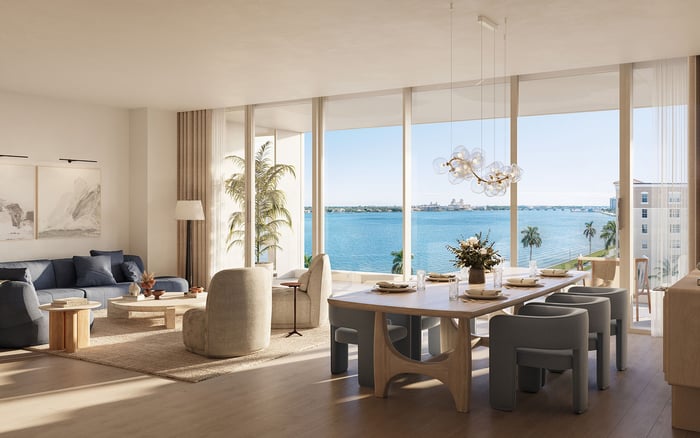
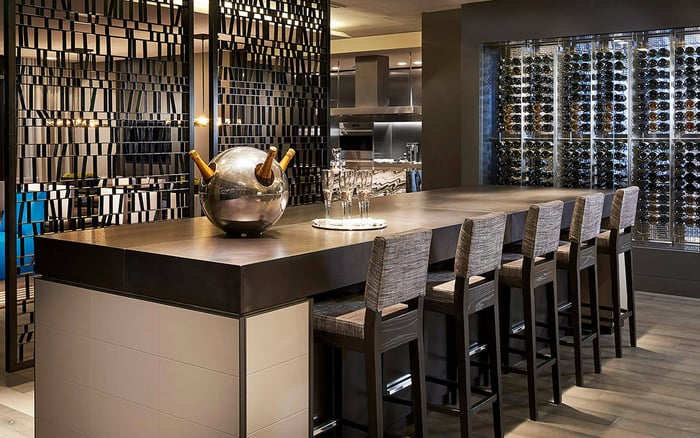
A discreet ownership guide for full-time buyers comparing Regalia Sunny Isles Beach with Nora House West Palm Beach, with emphasis on association rules, privacy, flexibility, and daily livability.
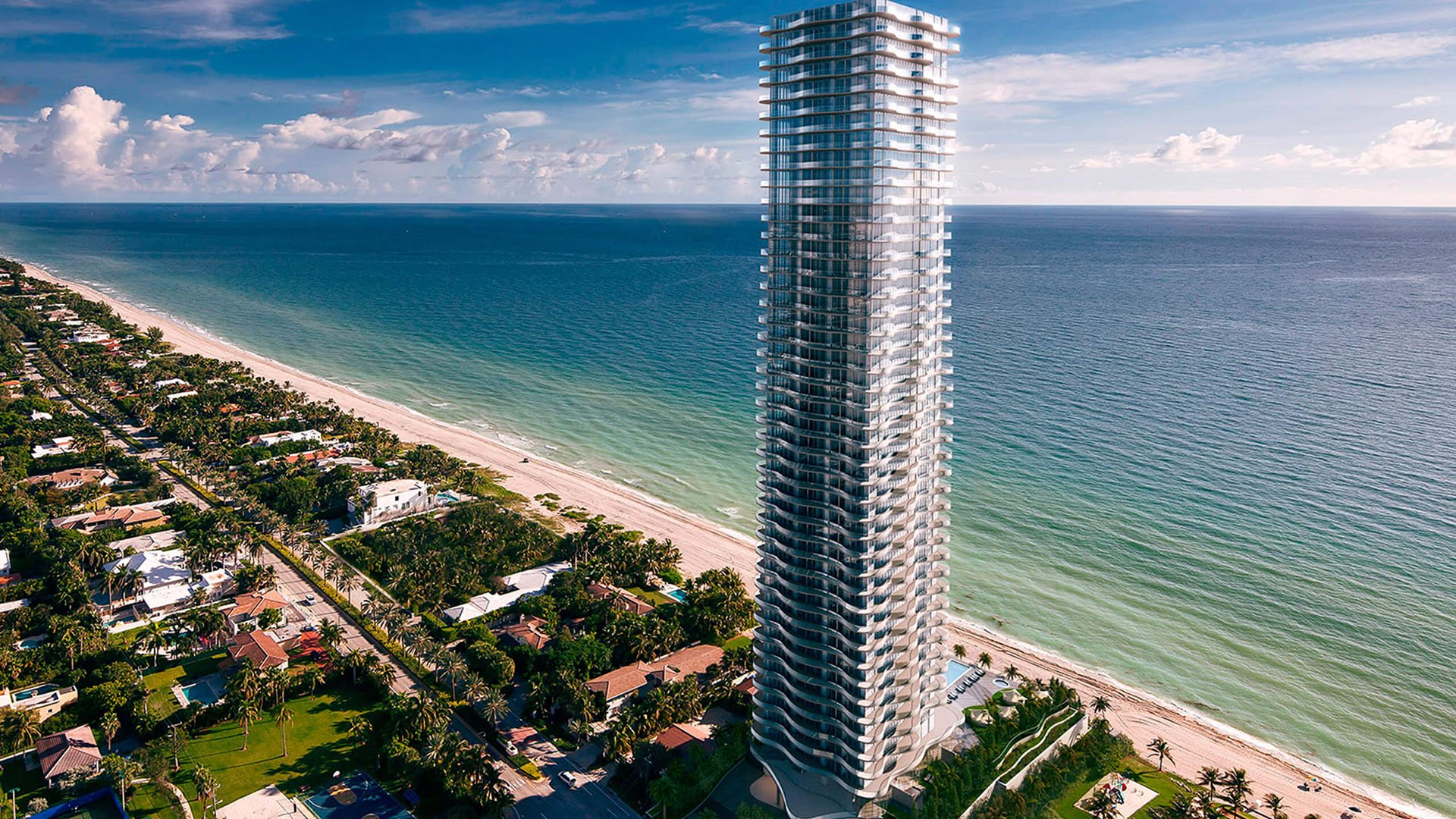
For full-time owners, the difference between a beautiful residence and a truly livable one is often found in the association documents. Regalia Sunny Isles Beach and Nora House West Palm Beach sit in different ownership conversations: one rooted in an established oceanfront condominium model in Sunny Isles Beach, the other framed by an emerging urban West Palm Beach setting. Both raise the same serious question for a buyer: how will the building function after closing, once the home becomes part of daily life?
Regalia is described as an ultra-boutique oceanfront high-rise, a profile that naturally appeals to privacy-driven buyers who want the atmosphere of a limited residential community rather than a large resort-style tower. Its one-residence-per-floor format is the defining livability feature, especially for owners who value discretion, controlled elevator moments, and a clear sense of separation from neighboring households.
In MILLION shorthand, this is a Sunny Isles and West Palm Beach ownership comparison shaped by oceanfront privacy, boutique scale, and the practical realities of long-term rentals.
Regalia’s strongest ownership signal is clarity of identity. It is not merely a tower on the coast; it is positioned as an ultra-boutique oceanfront high-rise with one residence per floor. For a full-time owner, that can change the texture of everyday life. Fewer residences may support a more intimate owner community, more recognizable building rhythms, and less of the transient feeling that can accompany larger coastal condominiums.
Because Regalia is also framed as a long-established condominium building with an existing association structure, buyers should expect the purchase process to involve careful review of mature rules, policies, and operating customs. Established associations can offer advantages: precedent, institutional memory, and a clearer understanding of how the building handles renovations, guests, deliveries, insurance responsibilities, reserves, and shared amenities.
The key is not to assume that exclusivity automatically means flexibility. In a refined building, rules may be more precise, not less. A buyer who plans to live there full time should ask how the association manages elevator reservations, contractor access, service personnel, pet policies, parking, storage, balcony use, storm procedures, and extended guest stays. These details influence daily ease more than any brochure photograph.
Nora House enters the comparison differently. It is associated here with an emerging urban West Palm Beach setting, which calls for a separate lifestyle lens from Regalia’s established oceanfront condominium environment. For buyers considering full-time ownership in West Palm Beach, the central questions should be immediate and document-driven: what is the final association structure, what use restrictions apply, and how will the building balance residential quiet with city access?
Urban ownership can be deeply appealing for buyers who want dining, culture, services, and neighborhood energy close at hand. But that convenience must be paired with a careful reading of the rules. Full-time owners should focus on sound attenuation, parking procedures, loading access, guest management, package handling, pet movement, bike storage, trash logistics, security protocols, and any policies that affect short stays or extended absences.
Where Regalia invites a buyer to evaluate an existing association culture, Nora House asks the buyer to confirm current governance, final rules, and operating expectations before relying on any assumption. That is not a drawback; it is simply a different stage of ownership diligence.
Many affluent buyers ask first about rental flexibility, but full-time owners should widen the question. Long-term rentals, short stays, family use, seasonal occupancy, and guest privileges each have different consequences for the building’s atmosphere. A permissive rental policy may add optionality, yet it can also change elevator traffic, amenity usage, and the sense of residential continuity.
For Regalia, the established condominium context makes it especially important to understand the actual association position rather than relying on general market assumptions. A building with one residence per floor may attract owners who value privacy and lower-density living, so any rental or guest policy should be evaluated not only for legal permission, but also for cultural fit.
For Nora House, buyers should request the most current documents and confirm how leases, minimum terms, owner occupancy, and guest access are treated. If the residence is intended as a primary home, the best policy is not always the most flexible one. The best policy is the one that protects quiet enjoyment of the building while preserving reasonable future optionality.
Full-time ownership magnifies small rules. A second-home buyer may tolerate friction a few weeks a year; a primary resident encounters it every day. The most important documents are typically the declaration, bylaws, rules and regulations, budget, reserve information, insurance framework, alteration guidelines, and recent meeting materials.
Renovation rules deserve special attention. Ask how long approvals take, what hours contractors may work, whether deposits are required, how elevators are protected, and how the association handles noise complaints. In luxury condominiums, the ability to personalize a residence is part of ownership, but it is rarely unlimited.
Pet rules are equally important. Confirm size limits, breed restrictions if any, elevator protocols, service areas, and whether multiple pets are allowed. Parking and storage should also be reviewed in detail, especially for households with multiple vehicles, staff, seasonal wardrobes, sporting equipment, or art logistics.
Finally, governance matters. A polished lobby cannot compensate for unclear decision-making. Buyers should understand board authority, management responsiveness, assessment history, dispute procedures, and how capital projects are communicated to owners.
Regalia and Nora House should not be judged by the same lifestyle metric. Regalia’s appeal is tied to oceanfront presence, boutique scale, and the privacy of one residence per floor. It is a compelling profile for buyers who want a coastal home with a strong sense of separation and an established association environment.
Nora House, by contrast, belongs in a West Palm Beach conversation where urban convenience and neighborhood evolution are central to the decision. The full-time owner should weigh not only the residence, but the daily pattern it creates: morning errands, evening arrivals, weekend guests, service appointments, and the transition between private home and public city life.
The right answer is less about which building is more luxurious and more about which ownership structure is more compatible. In South Florida’s upper tier, luxury is no longer defined only by finishes, frontage, or skyline views. It is defined by the ability to live beautifully without unnecessary friction.
Is Regalia Sunny Isles Beach positioned for full-time owners? Yes. Its ultra-boutique oceanfront profile and one-residence-per-floor format make it relevant for buyers prioritizing privacy and long-term livability.
What is Regalia’s most important ownership feature? The one-residence-per-floor design is central because it supports discretion, privacy, and a more exclusive residential experience.
Is Regalia an established condominium? Yes. It is framed as a long-established condominium with an existing association structure, which makes document review especially important.
What should buyers verify at Nora House West Palm Beach? Buyers should review current association documents, use restrictions, rental policies, parking rules, pet rules, and operating procedures before committing.
Are rental rules the only flexibility issue? No. Guest access, renovation rights, pet policies, staffing logistics, storage, parking, and absence procedures can matter just as much.
Why do association rules matter more for full-time owners? Full-time residents encounter building policies daily, so small restrictions can meaningfully affect comfort, convenience, and household rhythm.
Should buyers prefer older or newer association structures? Neither is automatically better. Established structures may offer precedent, while newer ones require careful confirmation of final rules and operations.
What should pet owners examine first? Pet owners should confirm limits, elevator protocols, common-area rules, service areas, and whether multiple pets are permitted.
How should renovation flexibility be evaluated? Review approval timelines, contractor hours, elevator use, deposits, noise rules, and any limits on structural or mechanical changes.
What is the best way to compare Regalia and Nora House? Compare the ownership experience, not just the residence: privacy, governance, rental policy, urban rhythm, and daily operational ease all matter.
To compare the best-fit options with clarity, connect with MILLION.
If branded residences are on your mind — as a home or as an allocation — we would be glad to share what we are seeing, privately.
Begin a quiet conversation