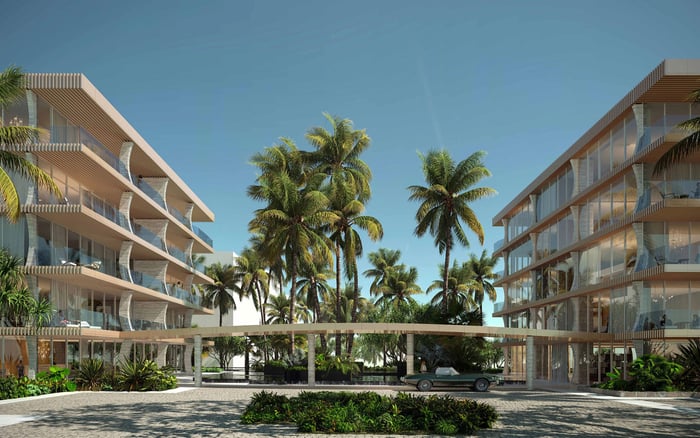
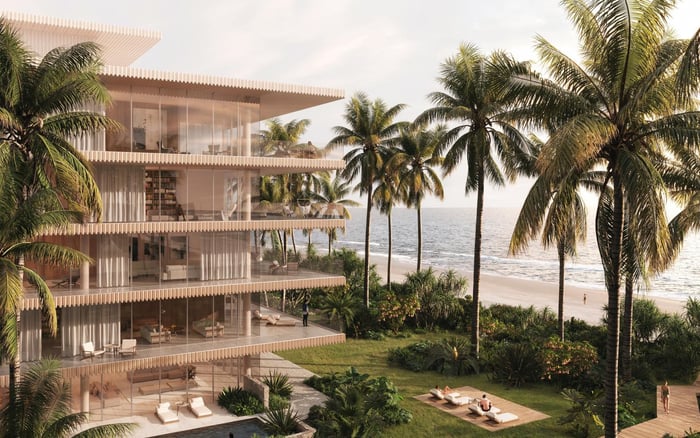
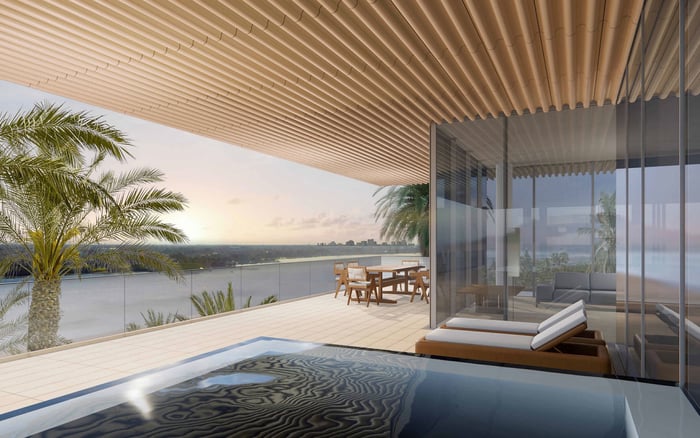
A discreet buyer’s guide to Palm Beach County residence formats that can deliver hotel-caliber attention while preserving the privacy, rhythm, and control of a residential environment.
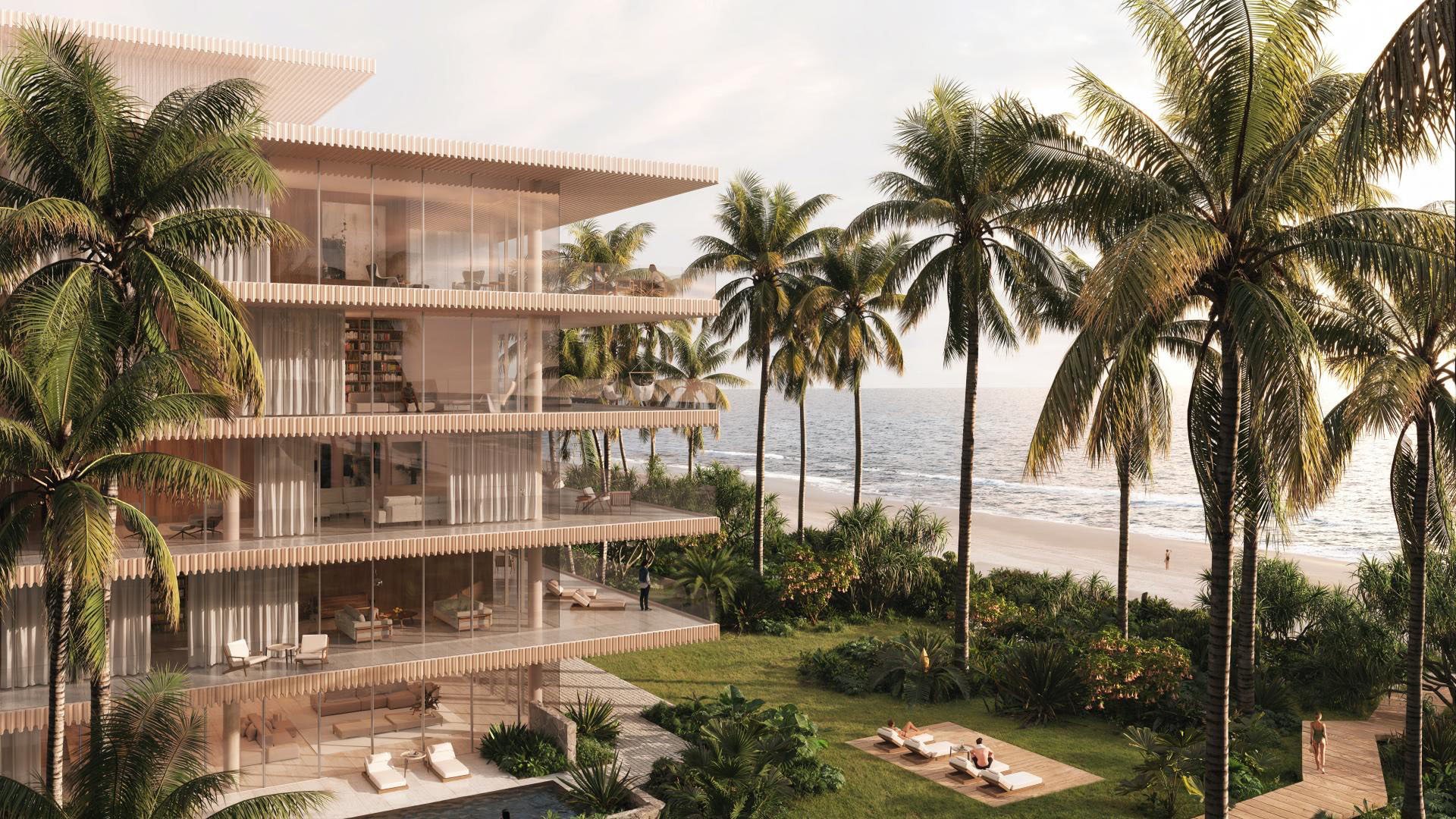
For a certain Palm Beach County buyer, the ideal residence is not defined by the most visible amenity deck or the loudest brand association. It is defined by a subtler promise: hospitality-level attention without the churn of hotel guests, lobby traffic, transient energy, or public-facing programming.
This buyer wants the door held before asking, the car ready without repeating a request, the elevator experience controlled, the pool environment calm, and the staff culture consistent enough to feel personal. Service should be polished, but never theatrical. It should support daily life, not turn home into a resort.
That distinction matters across Palm Beach County, where privacy, waterfront living, club culture, new condominium development, and low-density residential expectations often overlap. A Palm Beach buyer may compare West Palm Beach energy with Boca Raton quiet, oceanfront exposure with inland discretion, new-construction convenience with established residential calm, and boutique scale with larger amenity environments. The best choice is rarely the one with the longest amenity menu. It is the one where staff, architecture, governance, and ownership culture align.
1. Private serviced condominium - dedicated residential staff
The most direct fit is a private condominium planned around residential service rather than hotel operations. The key identifier is a building where staff exists for residents and their invited guests only, preserving a calm arrival sequence and a sense of recognition over time.
Buyers should look closely at daily touchpoints: valet rhythm, front desk culture, package handling, maintenance response, guest registration, elevator privacy, and poolside oversight. In the best examples, service feels seamless because it is disciplined, not because it is constantly announced.
2. Boutique waterfront residence - low-density privacy
A boutique waterfront residence appeals to buyers who want hospitality standards without the atmosphere of a large vertical club. The key identifier is scale. Fewer residences can create stronger familiarity, calmer common areas, and a staff culture that learns household preferences organically.
This format is especially attractive when the buyer values water views, a quiet lobby, controlled guest flow, and a limited number of neighbors. It can be less about spectacle and more about being known, which is the essence of true private service.
3. Full-service urban residence - lock-and-leave convenience
A full-service urban residence suits buyers who divide time among multiple homes and want the building to function as an extension of private household staff. The key identifier is operational competence: secure access, responsive maintenance, efficient valet, and staff who can handle daily logistics while the owner is away.
For these buyers, the absence of hotel guests is not just about quiet. It is about control. A residence that feels ready when the owner arrives, orderly when the owner leaves, and consistent across seasons can be more valuable than a building with more public amenities.
4. Club-adjacent private residence - service with social discretion
Some Palm Beach County buyers want proximity to the rituals of club life without living inside a hospitality property. A club-adjacent private residence can offer a strong lifestyle fit, particularly for those who prioritize golf, dining, wellness, boating, or cultural access while keeping home private.
The key identifier is separation. Social life can be nearby, but the residence itself should retain a calm domestic character. The best version allows owners to participate in an elevated community when they choose, then return to a protected residential setting when they do not.
5. Estate-style condominium or villa residence - home-like scale with managed ease
The estate-style condominium or villa residence is for buyers who want the feeling of a private home with fewer ownership burdens. The key identifier is residential generosity: larger floor plans, private outdoor space, secure parking, and a building or community structure that manages essentials with discretion.
This format can suit owners transitioning from single-family estates who still want privacy, space, and a sense of arrival. The service proposition should be measured by how well it removes friction without reducing autonomy.
Hotel service is designed for turnover. Residential service is designed for continuity. That central difference shapes everything from staffing to acoustics, elevator planning, amenity etiquette, and privacy expectations.
In a hotel environment, the guest is temporary and the operating model is public by nature. In a private residence, the owner expects recognition without exposure. The building should understand household preferences, protect personal rhythms, and reduce repeated explanations. A refined residential staff does not need to ask the same questions twice.
The physical design should support that expectation. Buyers should study how one enters the property, where vehicles queue, how guests are announced, whether service access is separated, and how easily residents can move from parking to residence without unnecessary interaction. True luxury is often a reduction in friction.
Before choosing a residence, buyers should evaluate service as an operating culture, not simply as an amenity claim. A beautiful lobby matters, but a well-trained team matters more. A pool matters, but the tone of the pool environment matters even more.
Ask how the building handles visitors, deliveries, maintenance appointments, private vendors, and seasonal surges. Consider whether the staff model feels personal enough for daily life and robust enough for peak periods. A residence can look exceptional in a presentation and still feel strained in practice if operations are underbuilt.
Governance also deserves attention. Buildings with clear residential standards often protect the owner experience better than those trying to be all things to all users. For buyers prioritizing service without hotel guests, rules around access, rentals, events, and shared spaces are not minor details. They are central to value preservation.
The right answer depends on how the buyer lives. A seasonal owner may prioritize lock-and-leave reliability, advance preparation, and staff communication. A full-time resident may care more about daily quiet, neighbor culture, pet routines, and private outdoor space. A downsizing estate owner may want the reassurance of service while resisting anything that feels institutional.
For some, the ideal residence is a serene waterfront condominium with a limited number of homes. For others, it is an urban full-service building with disciplined operations and easy access to dining and culture. For others still, the right fit is an estate-like villa environment where home remains home, but maintenance becomes less intrusive.
The common thread is not extravagance. It is discretion. The most successful Palm Beach County residences for this buyer category do not ask owners to share their lifestyle with the public. They provide the comforts of hospitality while preserving the emotional register of a private home.
What does hospitality service without hotel guests mean? It means a residence offers attentive staffing and owner support without operating as a hotel or inviting transient guest traffic into the daily environment.
Is a branded residence always the best fit for this priority? Not necessarily. The operating model, resident-only access, staff training, and building culture matter more than branding alone.
Why do some buyers avoid hotel-connected residences? They may prefer quieter lobbies, fewer transient visitors, more predictable amenity use, and a stronger sense of residential privacy.
What should buyers examine first during a tour? The arrival sequence is essential. Valet, lobby flow, elevator access, and guest management reveal how private the experience feels.
Are boutique buildings better for discreet service? They can be, especially when fewer residences allow staff to know owners personally and common spaces remain calm.
Can a larger building still feel private? Yes, if access is well controlled, staff is properly trained, and amenity areas are designed around residents rather than public activity.
What role do building rules play? Rules around guests, rentals, events, and shared spaces help protect the quiet, residential character that service-oriented buyers value.
Is new construction preferable for this search? New construction can offer modern systems and planned service areas, but execution and long-term operations remain the decisive factors.
How should seasonal owners evaluate service? They should focus on lock-and-leave support, maintenance communication, arrival preparation, and the staff’s ability to anticipate needs.
What is the most important luxury in this category? Privacy is the central luxury. The best service is attentive, consistent, and almost invisible.
For a discreet conversation and a curated building-by-building shortlist, connect with MILLION.
If branded residences are on your mind — as a home or as an allocation — we would be glad to share what we are seeing, privately.
Begin a quiet conversation