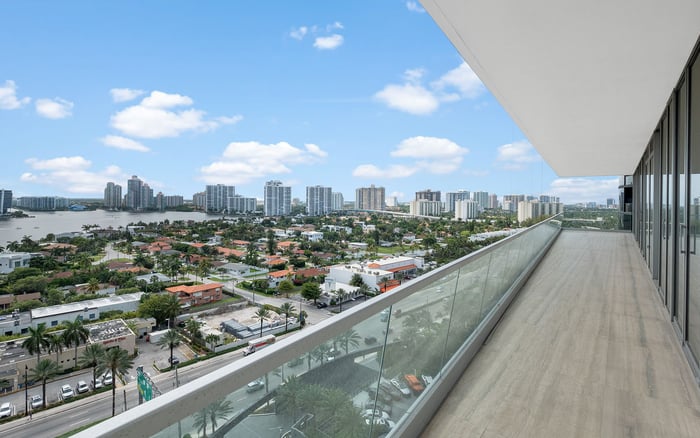
A special assessment cannot be understood from one balance alone. Buyers at The Ritz-Carlton Residences Sunny Isles should connect the authorized project scope, contractor pricing, funding structure, unit allocation, and real collection status before underwriting the residence.

At The Ritz-Carlton Residences® Sunny Isles, the phrase “special assessment” warrants more than a yes-or-no answer. The property is a private residential condominium with no hotel on the premises. Common-area capital obligations therefore rest with the condominium association and its owners-not with a hotel operation that might absorb or share them.
A special assessment is a nonrecurring or limited-term owner charge imposed when the operating budget and reserves cannot cover a specific expense. That definition is only the beginning. For a buyer, the consequential questions are what work is being funded, how the cost was established, how the obligation was allocated, and whether the association has collected the money required to complete the work.
The available information does not establish that a special assessment is currently adopted or outstanding at the property. Any representation that no assessment exists should therefore be verified through current association records, not treated as a permanent condition.
An assessment becomes intelligible only when scope, price, funding, and collections reconcile.
An assessment notice may state a total charge, but the underlying project defines the risk. Buyers should trace the stated purpose through the engineering report, reserve study, board resolution, contractor proposal, and detailed scope of work. Together, those documents should identify the relevant building component, the planned intervention, and the authority under which the association approved the expenditure.
Reserves are separate from the operating budget and intended for major nonrecurring repairs and replacements, including roofs, elevators, exterior work, HVAC systems, paving, and pool decks. A reserve study inventories major components, estimates their remaining useful lives and replacement costs, and recommends future funding. The proper comparison is not simply the reserve account’s cash balance. It is the current balance measured against the reserve study’s recommendation and the obligations approaching within its planning horizon.
That distinction matters throughout Sunny Isles Beach. Buyers considering Bentley Residences Sunny Isles or another oceanfront tower should apply the same discipline: identify which capital items are anticipated, what has been reserved, and which costs may ultimately reach owners. Historically waived, minimal, or underfunded reserves can increase the likelihood that major structural or mechanical work will require a future assessment.
Once the scope is clear, the assessment amount should be tested against actual contractor bids or an executed contract. A broad estimate is not equivalent to a committed price. Review allowances, contingencies, exclusions, insurance requirements, escalation provisions, and change-order language. Each can determine whether an adopted amount is sufficient or merely an opening budget.
The arithmetic should form a coherent bridge: contracted project cost, less available reserve contributions or other funding, equals the owner-funded requirement. The association’s allocation formula should then explain the amount assigned to the residence under consideration. The board resolution and owner notice should also identify installment dates, interest or late charges, and remedies for nonpayment.
This discipline is especially relevant when comparing branded residences. Service experience and design pedigree may shape desirability, but they do not replace association-level underwriting. A buyer weighing St. Regis® Residences Sunny Isles against a resale opportunity should normalize the full ownership obligation rather than compare asking prices while leaving known capital charges outside the model.
An adopted assessment is not the same as cash in the association’s account. Diligence should establish the total amount billed, the amount collected, the outstanding balance, the number and value of delinquent obligations, any payment plans, and whether liens have been filed. A project may appear fully funded on paper while collection delays create pressure on timing or liquidity.
The buyer should also determine whether the association borrowed to fund the work and whether future assessment payments were pledged to repay the loan. Financing can allow construction to proceed before every installment is collected, but it adds another layer of obligation. Loan terms, repayment sources, and the consequences of collection shortfalls belong in the ownership-cost analysis.
The estoppel or resale package should identify each adopted assessment’s total amount, purpose, unit allocation, outstanding balance, and payment schedule. Those details should then be reconciled with current financial statements and collection records. If the contract assigns responsibility between seller and buyer, that private allocation should be reviewed alongside what the association will continue to bill against the unit.
For investment analysis, payment timing matters as much as the total amount. A unit with a seller-paid balance may underwrite differently from one carrying installments beyond closing, even when both are in the same building. The same principle applies when evaluating Turnberry Ocean Club Sunny Isles or other nearby resale inventory.
An estoppel can confirm adopted obligations, but it may not capture projects still under discussion. At least two years of board minutes can reveal contemplated repairs, engineering concerns, bid solicitations, funding debates, or assessment discussions that have not yet become formal charges. Meeting minutes should be read alongside current budgets, recent financial statements, reserve schedules, assessment notices, engineering materials, and litigation disclosures.
The goal is to distinguish a defined one-time project from a pattern of systemic underfunding. One carefully scoped capital program may demonstrate active stewardship. Repeated emergency charges, persistent reserve gaps, or projects advancing without settled pricing can signal a less predictable ownership-cost profile. Context is more useful than the mere presence or absence of an assessment.
Historical disputes involving the developers, a neighboring condominium, or precompletion property taxation should not be conflated with a condominium special assessment. Those matters do not, by themselves, prove that the Ritz condominium association levied an owner charge. The relevant evidence remains the association’s current records and formal actions.
A disciplined buyer’s guide approach organizes the review around five linked questions: What exact work is authorized? What contract or bids support its price? How much will reserves or borrowing contribute? How is the remainder allocated to the unit? How much has actually been collected?
The resulting file should include the estoppel or resale package, adopting resolution, owner notice, engineering report, reserve study, bid tab or executed contract, current budget, recent financial statements, reserve schedule, collection report, relevant loan documents, litigation disclosures, and at least two years of minutes. Counsel and financial advisers can then test whether the documents agree and address responsibility at closing.
At The Ritz-Carlton Residences® Sunny Isles, this framework is not an argument for assuming a problem. It is a method for pricing certainty. Luxury buyers are not merely acquiring interiors and views. They are also accepting a proportionate interest in a sophisticated physical asset whose long-term quality depends on informed capital planning.
For discreet guidance on evaluating South Florida luxury ownership, connect with MILLION.
If branded residences are on your mind — as a home or as an allocation — we would be glad to share what we are seeing, privately.
Begin a quiet conversationThe available information does not establish that an assessment is currently adopted or outstanding. Buyers should verify the status through current association records and recent board minutes.
It is a nonrecurring or limited-term owner charge used when the operating budget and reserves cannot cover a specific expense.
Review the engineering report, reserve study, board resolution, contractor proposal, and detailed project scope together.
Bids and executed contracts show whether the assessment aligns with actual pricing, allowances, contingencies, exclusions, and potential change orders.
Compare the current reserve balance with the reserve study’s recommended balance and anticipated capital obligations, rather than viewing cash alone.
It should identify the total amount, purpose, unit allocation, outstanding balance, and payment schedule.
An adopted charge does not guarantee available cash. Buyers should confirm amounts billed and collected, delinquencies, payment plans, and filed liens.
Yes. Buyers should determine whether the association borrowed for the project and pledged future assessment payments to repay the loan.
Minutes may reveal contemplated projects or assessment discussions that have not yet appeared as an adopted charge on an estoppel.
No. Disputes involving developers, a neighboring condominium, or precompletion property taxes do not by themselves establish an association assessment.