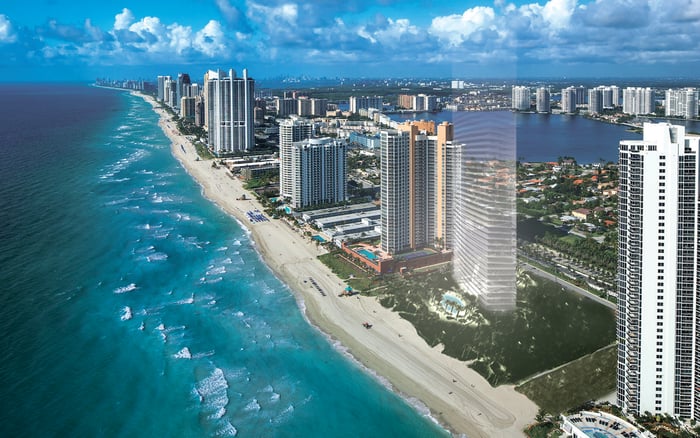
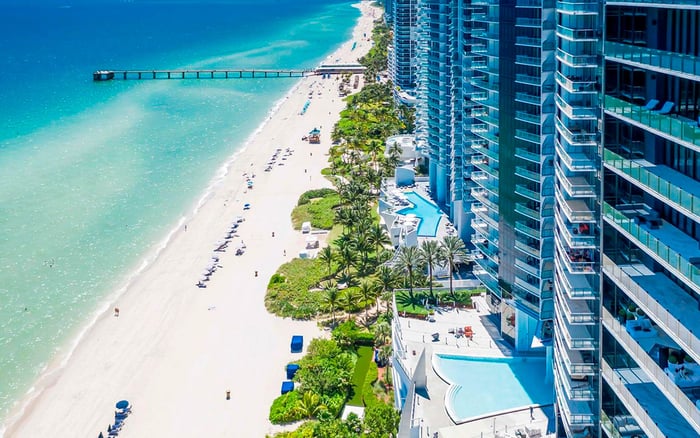
Preparing a Turnberry Ocean Club residence for purchase or sale requires a clear distinction between building age, reserve funding and accessible cash. Current association records, investment-policy scrutiny and documented payment dates provide a more useful foundation than historical assessment language.
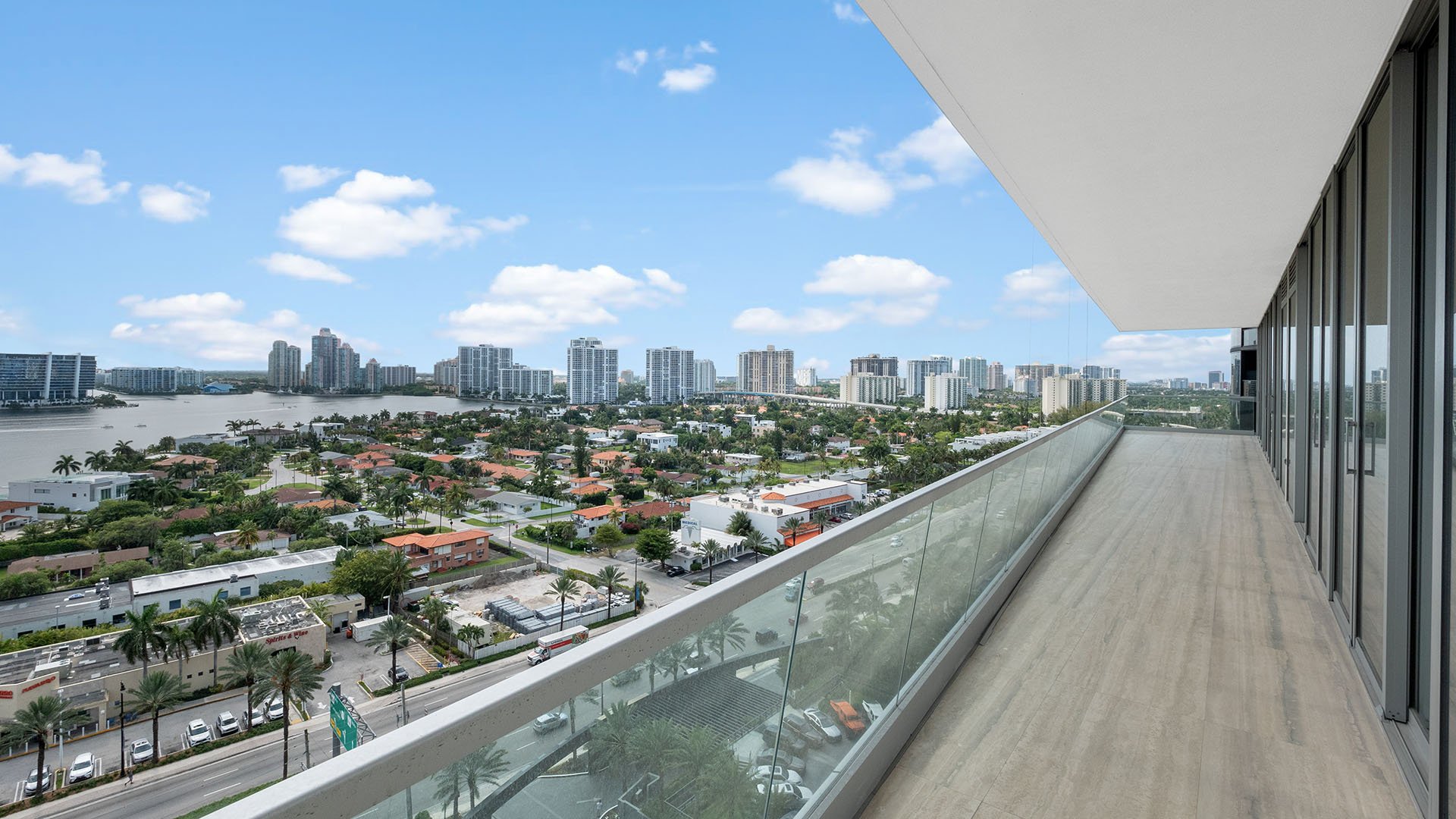
For a high-value residence at Turnberry Ocean Club Sunny Isles, preparation extends beyond presentation and purchase price. The more consequential task is to understand the association’s capital obligations, its access to reserve funds and the owner’s expected payments together. Financial clarity belongs alongside the architectural and lifestyle considerations of ownership.
Turnberry’s reported completion in 2020 places it much earlier than older condominiums on the timeline toward a first age-based milestone inspection. That relative youth matters, but it does not replace a review of reserve funding. A distant structural-inspection date does not establish an equally distant need to repair, replace or fund building components.
For a buyer or seller in Sunny Isles Beach, the essential distinction is between historical events, approved obligations and planning assumptions. Keeping those categories separate makes a residence easier to evaluate without suggesting that a capital call is either imminent or impossible.
In a snapshot of 10 Turnberry listings, none mentioned a special assessment in public remarks. That is a narrow observation about disclosure language, not confirmation of the association’s assessment status. Silence in marketing is not a financial assurance.
Reserves have historically been characterized as well funded, with no special assessments indicated through 2025. Those statements are not equivalent to current audited financial statements. They do not establish today’s reserve balance, investment holdings, remaining capital commitments or an approved payment schedule.
For due diligence, request the current budget, available audited financial statements, reserve schedules, relevant board minutes and any assessment notices. Ask management to distinguish approved obligations from projects still under consideration. The aim is not to anticipate a problem without evidence, but to establish a financial baseline for a purchase decision, a listing conversation or an owner’s cash planning.
Florida’s milestone-inspection framework applies to residential condominium and cooperative buildings with three or more habitable stories. Initial inspections generally occur at 30 years, or at 25 years where an applicable local requirement calls for an earlier inspection. Subsequent inspections generally recur every 10 years. Coastal location alone does not establish a building’s deadline.
A milestone inspection evaluates physical structural safety. A Structural Integrity Reserve Study, or SIRS, estimates funding needs for future repair or replacement of covered components. The two exercises serve different purposes and follow different schedules.
Covered SIRS components include the roof, load-bearing structure, fire-protection systems, plumbing, electrical systems, waterproofing, and windows and exterior doors, together with certain other qualifying expenditures. Qualifying associations must complete a SIRS at least every 10 years after the condominium’s creation.
Do not calculate Turnberry’s obligations from its completion year alone. Request the association’s applicable inspection and study schedules, with legal confirmation where necessary. A conditional provision allowing certain associations with milestone inspections due by December 31, 2026 to complete their SIRS simultaneously is neither a universal extension nor evidence that Turnberry qualifies.
Reserve adequacy and reserve liquidity require separate questions. Adequacy concerns the relationship between available funding and anticipated work. Liquidity concerns access to money when payments become due. Reviewing a balance without the spending calendar leaves the second question unanswered.
Ask management to reconcile the reserve schedule with approved projects and their expected payment dates. Request a clear accounting of funds already committed, contributions expected under the adopted budget and amounts available for upcoming obligations. Where figures differ across documents, seek a reconciliation rather than selecting the most reassuring number.
The same approach can guide a comparison with Jade Signature Sunny Isles Beach: compare the documents and their dates rather than assuming similar locations imply similar finances. This is a framework for review, not a statement about either association’s financial condition.
An owner’s personal liquidity is a separate matter. Base it on documented obligations and individual circumstances, not a generic cash-cushion formula presented as a building requirement.
A meaningful reserve review asks how funds are held, who authorizes investment decisions and whether access to capital aligns with expected expenditures. Request the written investment policy, if one exists, together with a current holdings schedule and relevant maturity dates.
Ask whether funds needed for approved work will be accessible on time, what restrictions apply to withdrawals and how the association evaluates the risk of principal loss. Establish how investment decisions are documented and reviewed. These are diligence questions, not assertions about Turnberry’s holdings or governance practices.
An attractive stated yield is not proof of an appropriate reserve strategy. Nor should a particular investment structure or backup borrowing arrangement be presumed to exist. Any proposed approach should be assessed with the association’s qualified legal and financial advisers against its actual obligations and applicable requirements.
For the individual owner, keep association investment oversight distinct from personal portfolio decisions. Each requires its own information and advice.
The timing of a major capital call cannot be established from building age or historical assessment language. To understand potential exposure, trace the documents from the identified work through its estimated cost, proposed funding, formal approval and payment instructions. Those stages are not interchangeable.
A reserve-study estimate is not, by itself, an assessment invoice. A discussion of future work does not establish a payable amount. Ask whether a proposal has been approved, how the residence’s share would be determined and whether payment dates have been set.
For an acquisition, have counsel review the contract’s treatment of any approved or pending assessment and the allocation between buyer and seller. For an existing owner, distinguish confirmed payments from uncertain future needs when planning liquidity. A dated schedule of known obligations is more useful than a speculative forecast presented with false precision.
A well-prepared resale file should make the financial picture clear without overstating it. Organize current association documents, identify their effective dates and separate historical statements from current confirmations. Refresh time-sensitive information as the transaction progresses rather than relying on material collected when the residence was first listed.
When evaluating Turnberry alongside Armani Casa Sunny Isles Beach, apply the same questions to each property independently. A comparison is meaningful only when the underlying information covers comparable periods and distinguishes approved spending from projections. Neither design appeal nor a shared coastal setting answers those financial questions.
The objective is informed ownership: a residence selected for its qualities, supported by a clear understanding of obligations and the ability to meet them on schedule.
For a discreet conversation about your next South Florida residence, connect with MILLION.
If branded residences are on your mind — as a home or as an allocation — we would be glad to share what we are seeing, privately.
Begin a quiet conversationTurnberry Ocean Club is reported as completed in 2020. Its relative youth does not establish its current reserve adequacy or assessment status.
Historical descriptions indicate no special assessments through 2025, but they do not establish current status. Obtain current association confirmations and any assessment notices.
None of the 10 listings mentioned a special assessment in public remarks. That observation concerns listing disclosures, not the association’s actual obligations.
A milestone inspection evaluates physical structural safety. A Structural Integrity Reserve Study estimates funding needs for future repair or replacement of covered building components.
Initial inspections generally occur at 30 years, or 25 years where an applicable local requirement calls for an earlier inspection, followed by inspections every 10 years. Coastal location alone does not confirm a building’s deadline.
Qualifying associations must complete a SIRS at least every 10 years after the condominium’s creation. Its schedule should not be inferred from the first milestone-inspection date.
Covered components include the roof, load-bearing structure, fire-protection systems, plumbing, electrical systems, waterproofing, and windows and exterior doors. Certain other qualifying expenditures are also included.
Request the written investment policy, if one exists, current holdings and relevant maturity dates. Ask how access to funds aligns with approved spending and how investment risks are evaluated.
No. Distinguish estimated future spending from an approved assessment and obtain the applicable payment instructions before treating an amount as payable.
There is no established Turnberry-specific cash-cushion formula here. Plan around documented obligations and individual circumstances with qualified advisers.