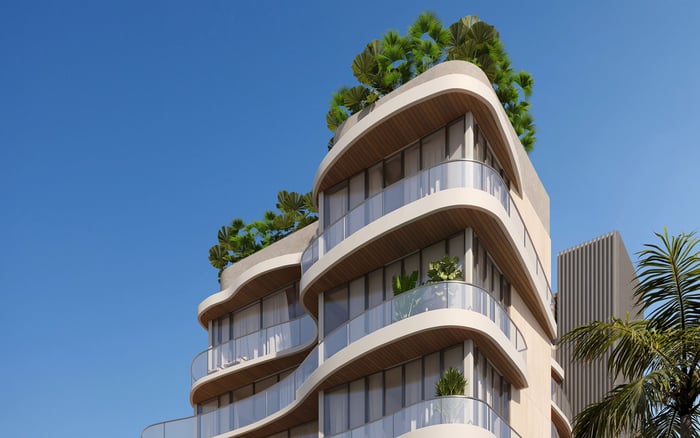
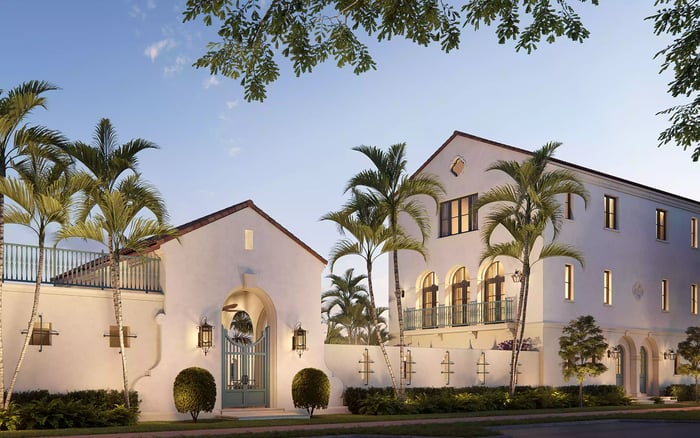
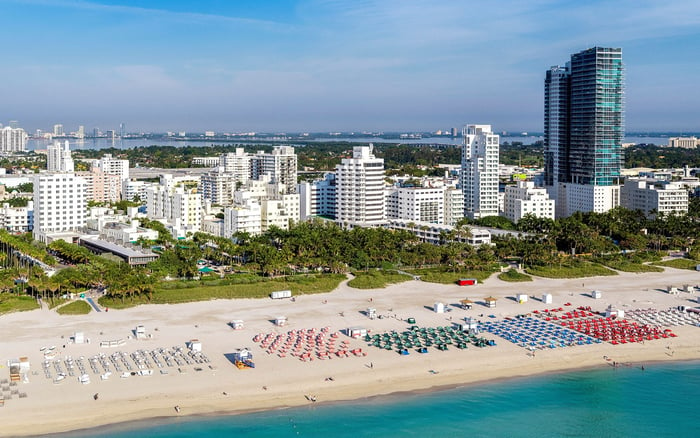
Alma’s pre-completion status makes plans, warranties, testing protocols, inspection rights, and contract remedies more useful than a conventional review of historical building incidents.
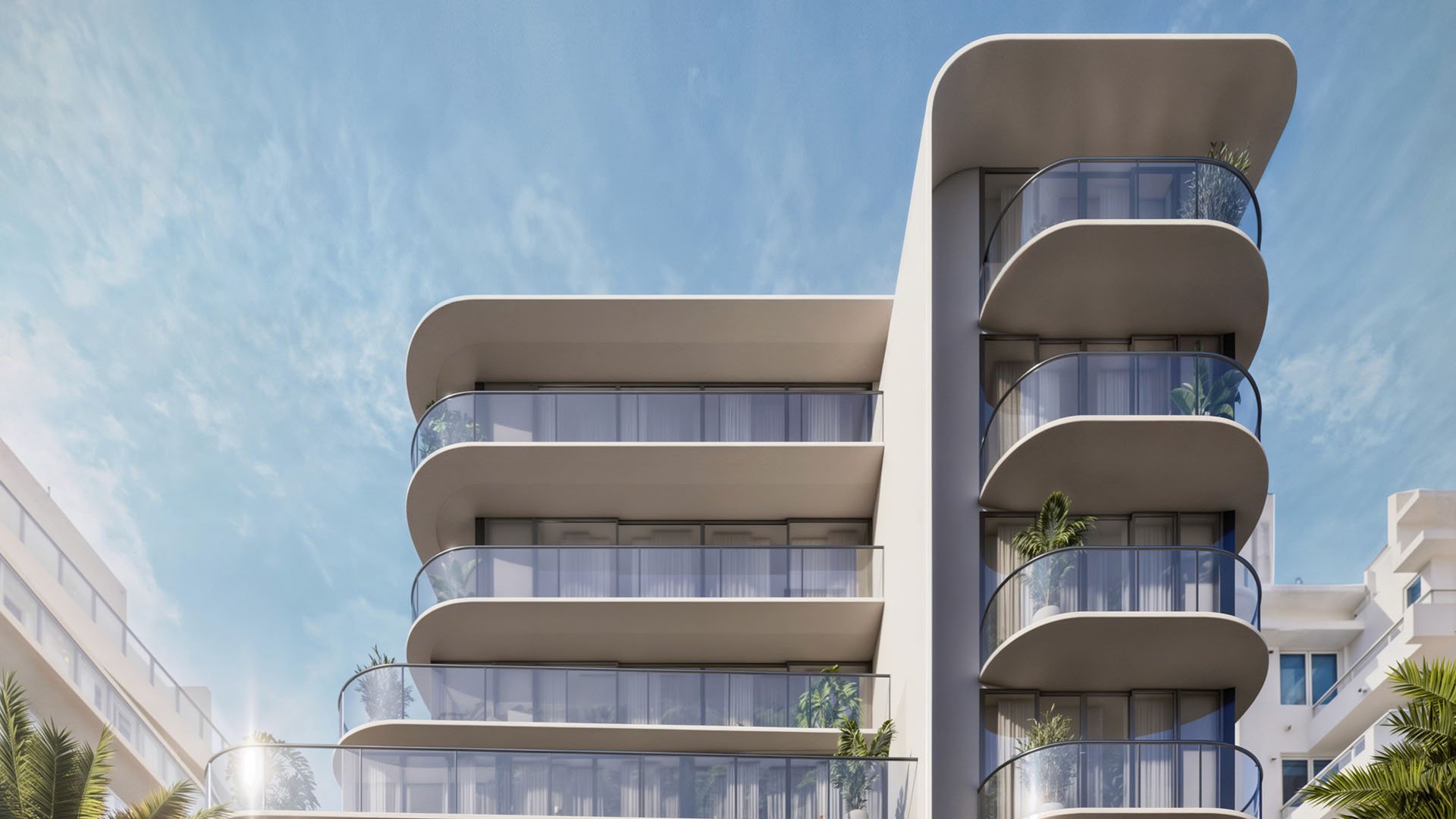
A purchase at Alma Bay Harbor Islands requires a different form of scrutiny from the acquisition of an established condominium. Because the project is not complete, there is no multiyear operating record through which a buyer can assess recurring leaks, repair campaigns, insurance disputes, or association claims.
That absence is not evidence of a defect. It changes the assignment. Rather than searching for a long incident history at Alma, a buyer should examine whether the building is being designed, constructed, tested, documented, and warranted to manage water at vulnerable transitions.
For an unfinished condominium, the most useful history is the record created during design, construction, testing, and correction.
Design descriptions and sales materials can establish context, but they do not demonstrate the technical performance of a completed building. Buyers should not substitute broad construction labels or finish schedules for a detailed review of exterior walls, glazing, openings, waterproofing, sealants, drainage, and connections.
Comparisons with Mila Bay Harbor Islands may provide local market context. They do not replace a project-specific review of Alma’s permitted plans, contractor information, warranties, quality-control files, and testing program.
The same discipline applies when comparing Alma with Alana Bay Harbor Islands. The construction or operating history of another condominium cannot establish how Alma’s envelope will perform.
A building envelope is not a collection of isolated products. Roof waterproofing, exterior walls, windows, doors, terrace membranes, penetrations, sealants, and drainage must function together. Critical questions often arise where one system meets another.
Terrace areas merit particular attention because private outdoor space introduces transitions among membranes, drains, penetrations, edges, and door thresholds. A buyer’s independent building-envelope professional should review these details together with the roof, exterior walls, balconies, and window systems. The objective is to determine whether the drawings and specifications present a coordinated water-management strategy.
The buyer should also request the identity of the general contractor and review the contractor’s completed-project record, while separately examining the developer’s prior work. Effective diligence requires clarity about who is responsible for execution, supervision, testing, correction, and warranty service.
Controlling documents should take priority over sales conversations. Marketing materials may describe finishes and lifestyle, but the executed contract, condominium documents, permitted plans, warranties, consultant materials, and quality-control records define the more consequential protections.
A general assurance that the building will be tested is not sufficiently precise. Before signing, or as early as the contract permits, the buyer should request a written pre-turnover plan covering terrace drainage, exterior doors, windows, roof waterproofing, and the procedures that will follow a failed test.
The plan should specify what will be tested, when testing will occur, how results will be documented, and how corrective work will be verified. The key deliverable is not simply evidence that a test occurred. It is a coherent record showing the result, any observed deficiency, the repair performed, and confirmation that the affected condition was corrected.
An independent engineer or envelope consultant should review the relevant documents and available testing results. A visual walkthrough remains useful for finishes and readily observable conditions, but it cannot replace technical review of concealed assemblies or documented performance testing.
For buyers also considering Onda Bay Harbor, the comparative principle is straightforward: evaluate each building through its own contract, plans, testing records, warranties, and responsibility matrix rather than relying on neighborhood reputation.
The purchase contract, rather than an informal estimate, should govern the completion schedule and the buyer’s options if timing changes.
Counsel should review provisions addressing inspection access, notice of deficiencies, correction periods, closing conditions, delay rights, and available remedies. A buyer should understand whether the contract provides any right to postpone closing until documented deficiencies are corrected and what evidence will demonstrate that corrective work is complete.
The condominium documents should also allocate responsibility for waterproofing warranties, exterior maintenance, future inspections, and post-closing repairs. The distinction among unit responsibility, common-element responsibility, and developer warranty work can shape both timing and cost. Sales representations should not be the sole basis for understanding those obligations.
Before closing, the buyer’s team should assemble the final contract and amendments, recorded condominium documents, applicable plans and specifications, warranties, inspection materials, testing results, deficiency notices, and evidence of corrective work. The file should identify every unresolved item and the party responsible for it.
The objective is not to demand a guarantee that no future leak can occur. It is to understand the intended water-management systems, confirm that meaningful testing was planned and documented, establish how failed conditions will be corrected, and preserve enforceable rights if the delivered residence differs from the contractual standard.
For discreet guidance on evaluating Alma and South Florida’s most considered residences, connect with MILLION.
If branded residences are on your mind — as a home or as an allocation — we would be glad to share what we are seeing, privately.
Begin a quiet conversationAlma is unfinished, so buyers cannot evaluate a multiyear operating history of leaks, repairs, or association claims. Diligence should focus on plans, testing, warranties, and construction records.
No. Other properties may provide general context, but Alma should be evaluated through its own plans, construction records, testing, and warranties.
Private terraces place membranes, drainage, penetrations, and door thresholds in focus. Roof, exterior-wall, window, and balcony details also warrant review.
An independent building-envelope professional or engineer should review the relevant plans, specifications, testing records, and corrective documentation.
It should address terrace drainage, exterior doors, windows, roof waterproofing, and the procedure for documenting and correcting failed tests.
A walkthrough can identify visible conditions, but it cannot fully assess concealed assemblies or replace technical review of plans and documented testing.
Yes. Buyers should request the contractor’s identity and completed-project record while separately reviewing the developer’s prior work.
Priority should go to the executed contract, condominium documents, permitted plans, warranties, consultant materials, quality-control records, and testing results.
The contract should define the governing schedule, inspection rights, delay provisions, remedies, and any right to postpone closing.
Condominium documents should clearly assign responsibility for warranties, exterior maintenance, inspections, and post-closing repairs rather than leaving buyers to rely on sales representations.