A structural reserve study is one part of a considered condominium purchase. At The Ritz-Carlton Residences in Sunny Isles, buyers should connect reserve planning with operating finances, unit-specific charges, insurance and documented capital commitments.

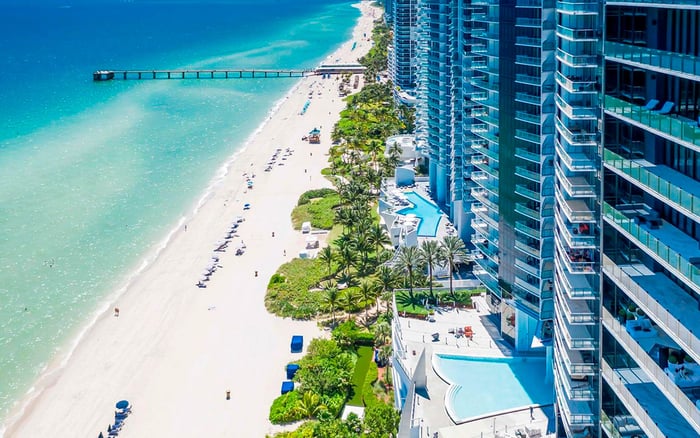
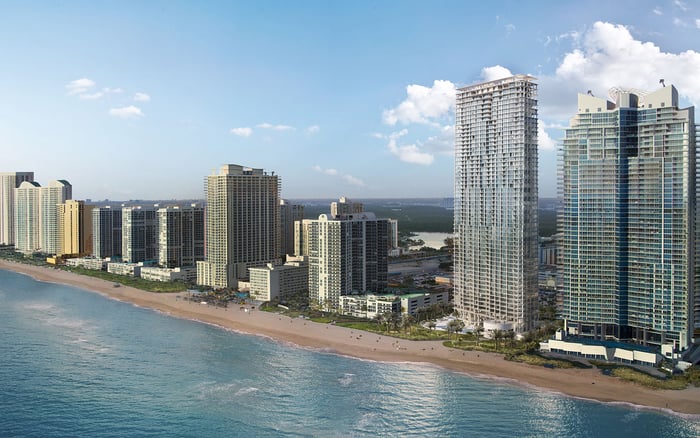
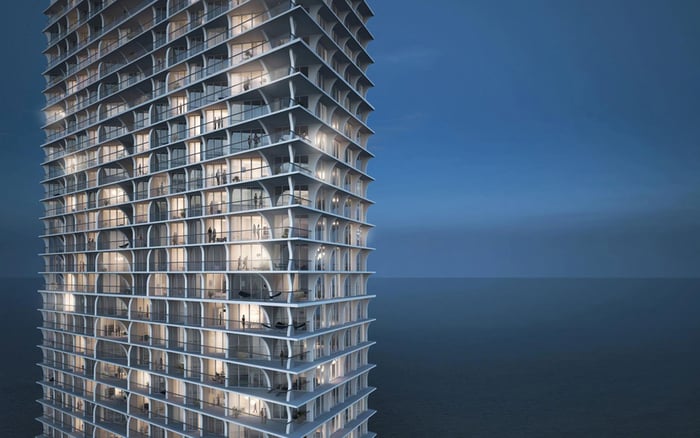
Oceanfront ownership is as much a financial commitment as a lifestyle decision. The Ritz-Carlton Residences® Sunny Isles is a 52-story condominium at 15701 Collins Avenue, Sunny Isles Beach, Florida 33160, completed in 2020. Fortune International Group and Chateau Group developed the property, with architecture by Arquitectonica and interiors by Michele Bönan.
The property is a condominium-only development with hotel-style services, rather than a condominium-hotel. That distinction should direct buyers toward the governing documents and the obligations of residential ownership-not assumptions drawn from the hospitality name.
A Structural Integrity Reserve Study, or SIRS, belongs near the beginning of that review, not at the end. A completed study is a planning document, not a comprehensive verdict on affordability or association financial health.
Florida’s condominium framework requires a SIRS for applicable residential condominium buildings of three habitable stories or more, at least every 10 years after the condominium’s creation. Its scope includes roofs, structural and load-bearing elements, fireproofing and fire protection, plumbing, electrical systems, waterproofing and exterior painting, and windows.
The financial logic rests on estimated replacement costs and remaining useful lives. Buyers should examine not simply whether a study exists, but what it assumes, when expenditures are anticipated and how the association plans to fund them.
Absent an immediate safety problem, completion does not mean every future replacement cost must immediately be held in cash. Nor does possession of the study establish that all future work is already financed.
Request the complete study and its date, then ask management to connect its recommendations to the adopted budget and current reserve balances. If the figures do not reconcile readily, seek a written explanation. The objective is a traceable funding plan, not a reassuring document title.
A SIRS and a milestone inspection serve different purposes. Florida’s separate milestone-inspection program generally calls for qualifying buildings of three habitable stories or more to undergo structural inspection at 30 years, then every 10 years. Do not confuse that timetable with the reserve-study timetable.
A conditional provision permits associations with milestone inspections due on or before December 31, 2026, to complete the SIRS simultaneously, with the combined SIRS also completed by that date. This is not a universal extension to apply to this property.
The building’s 2020 completion date provides context, but it does not replace confirmation of the association’s actual obligations. Request written SIRS and milestone-inspection status, applicable deadlines and any professional findings requiring action. Assume neither completion nor noncompliance without current documentation.
Start with the estoppel certificate, declaration and bylaws, current budget, reserve study, recent meeting minutes, and written inspection status. Then organize the financial review around six connected questions:
Governing obligations: What expenses fall to the association, and what remains the individual owner’s responsibility? Ask counsel to explain allocations relevant to the residence.
Operating performance: Request current financial statements and budget-to-actual comparisons. Look for recurring gaps between planned income and spending rather than relying on the adopted budget alone.
Reserve execution: Compare the study’s funding schedule with actual balances, approved contributions and planned withdrawals. Ask how any differences will be addressed.
Capital commitments: Request approved work schedules, contracts and available estimates. Distinguish committed expenditure from projects still under discussion.
Insurance exposure: Ask for current coverage information, deductibles and renewal details. Have an adviser clarify the boundary between association coverage and personal insurance needs.
Unit-level charges: Reconcile the estoppel with management’s current fee schedule and any assessment notices. Ask counsel how outstanding or approved obligations are allocated at closing.
These are requests for evidence, not suggestions that the association has a deficit, an insurance problem or an assessment. Any conclusion about its present position should follow the documents.
Hotel-style services are part of the property’s appeal, but buyers should understand how they are funded. Ask which costs sit within regular association charges, which are billed separately and what contractual commitments support the services.
Review staffing, management, service and maintenance expense lines where available. Ask whether the current budget reflects existing contracts and known renewals, and whether meeting minutes record any proposed service changes. A reserve study is not designed to answer these operating questions.
If Jade Signature Sunny Isles Beach is also on your shortlist, apply the same document requests to each residence. The useful comparison is not merely the monthly charge, but the relationship between services, owner responsibilities, reserve contributions and anticipated capital spending. Neither location nor presentation establishes equivalent financial condition.
Indicative building-level fees include approximately $1.94 per square foot per month and a monthly range of $2,188 to $6,200. These figures are time-sensitive-not current quotations for a particular residence or proof that every ownership expense is included.
Ask for the exact current charge, its effective date, what it includes and any approved changes. Add separately payable costs to your personal ownership budget rather than assuming the association charge represents the complete carrying cost.
For a buyer also considering Turnberry Ocean Club Sunny Isles, use the same comparison format, with verified unit-specific figures and clearly identified unknowns. A lower advertised charge alone cannot establish better value.
Build a base case using documented costs. Then test your tolerance for increases in operating charges, insurance costs or capital contributions, without treating those scenarios as forecasts. The question is whether ownership remains comfortable if costs change-not whether today’s fee looks attractive beside the purchase price.
Read recent meeting minutes alongside the financial documents. Ask about contemplated projects, approved assessments, collection issues and current litigation. Distinguish proposals from adopted decisions, and historical disputes from present association exposure.
An October 2019 lawsuit by the neighboring Tropicana Condominium association concerned the property’s developers. That history alone establishes neither current litigation nor financial liability for this condominium association. Current legal disclosures require a separate review.
Before closing, ask your attorney and financial adviser to reconcile the study, budget, balances and residence-specific obligations. An unexplained difference merits clarification, not an automatic adverse conclusion. The strongest purchase decision rests on a coherent ownership budget and documented answers, with the SIRS serving as one essential component.
For a discreet approach to your Sunny Isles purchase, connect with MILLION.
If branded residences are on your mind — as a home or as an allocation — we would be glad to share what we are seeing, privately.
Begin a quiet conversationThe 52-story oceanfront condominium is at 15701 Collins Avenue, Sunny Isles Beach, Florida 33160. It was completed in 2020.
It is described as a condominium-only development with hotel-style services, rather than a condominium-hotel. Buyers should confirm ownership obligations in the governing documents.
A SIRS addresses specified components, including roofs, structural elements, fire protection, plumbing, electrical systems, waterproofing, exterior painting and windows. Its funding analysis uses estimated replacement costs and remaining useful lives.
No. Completion does not establish that all future work is financed or require immediate full funding of every future replacement cost, absent an immediate safety problem.
No. Buyers should separately review operating finances, insurance, capital commitments and unit-specific obligations.
No. The milestone program concerns structural inspection, generally at 30 years and every 10 years thereafter for qualifying buildings, while a SIRS addresses reserve planning.
No. The combined-completion provision is conditional on milestone-inspection timing, and this association’s actual obligations need written confirmation.
Begin with the estoppel certificate, declaration and bylaws, current budget, reserve study, recent meeting minutes, and written SIRS and milestone-inspection status. Supplement these with current financial statements and relevant insurance and capital-work information.
No. Building-level indications are time-sensitive and cannot replace confirmation of the residence’s exact charges, inclusions, approved changes and separately payable expenses.
No. The October 2019 lawsuit concerned the developers and does not by itself establish present litigation or financial exposure for the condominium association.