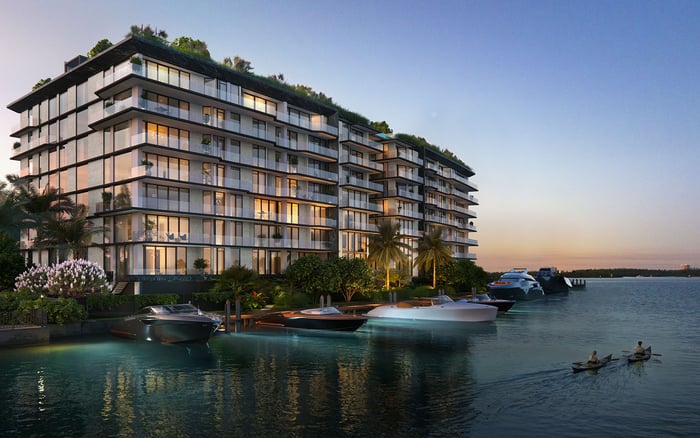
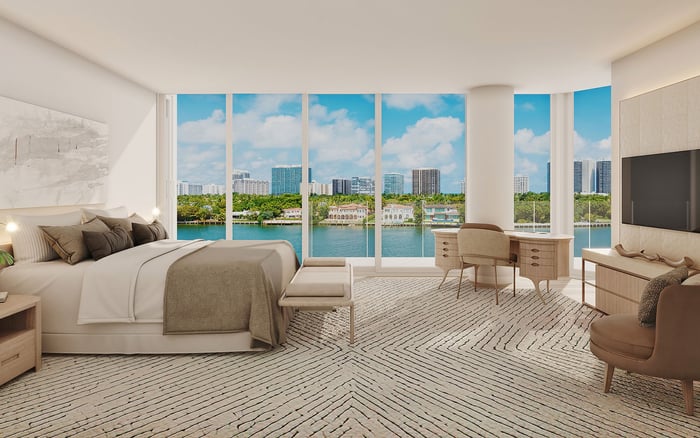
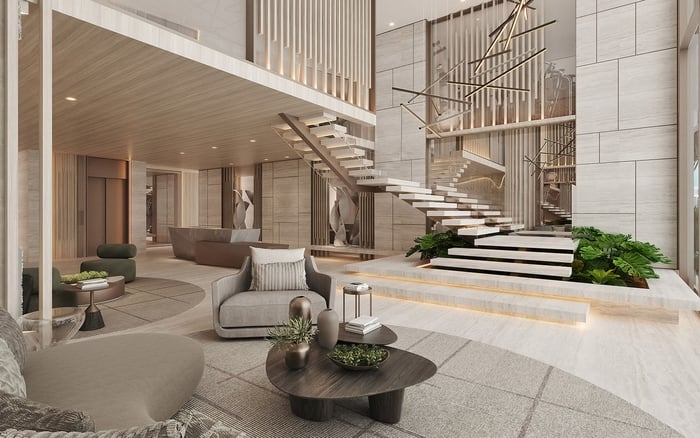
A buyer-focused guide to private terraces in Bay Harbor Islands, with practical notes on outdoor kitchens, plunge pools, privacy, maintenance, and long-term ownership discipline.
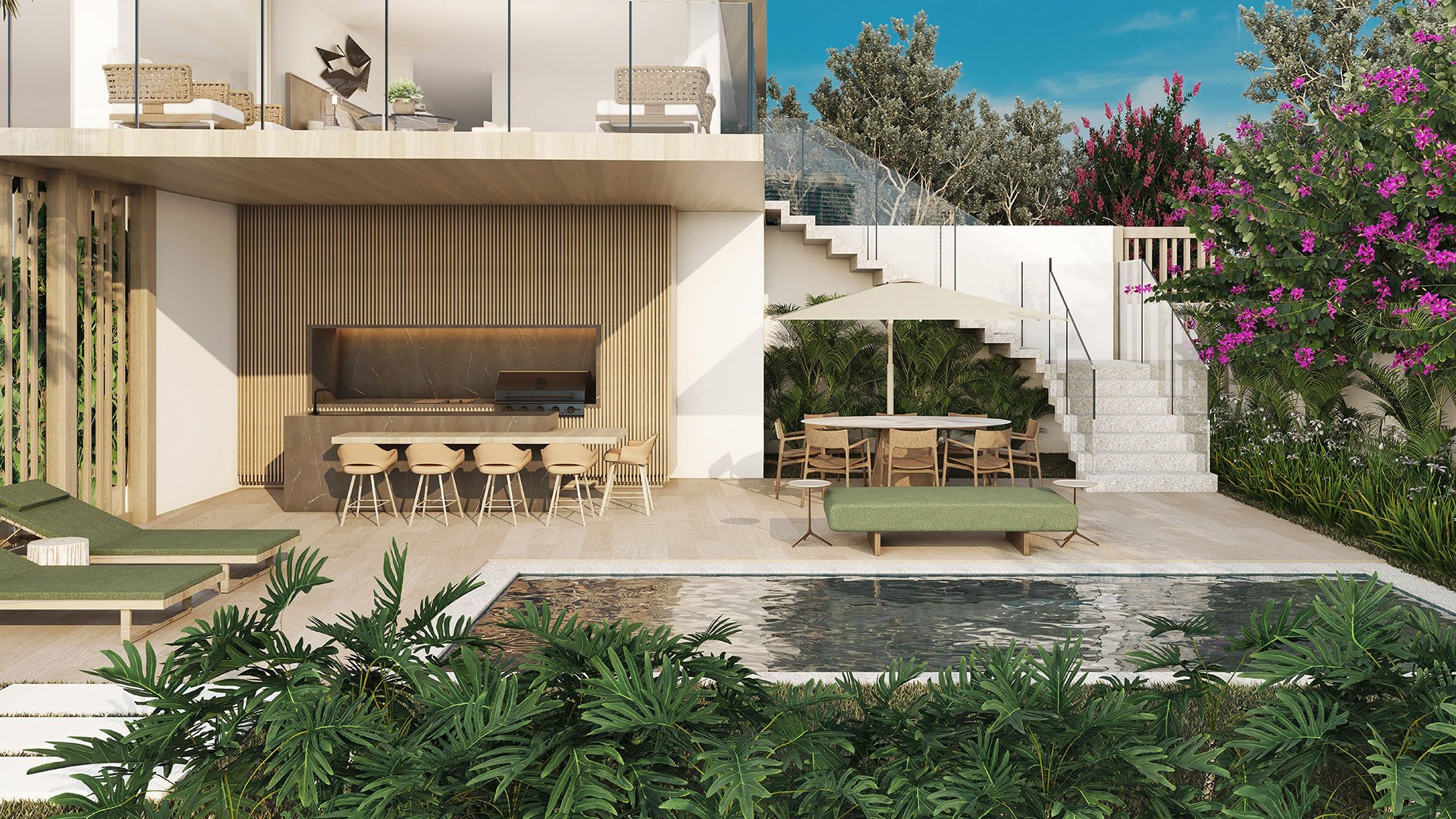
In Bay Harbor Islands, the private terrace has shifted from amenity to essential living space. Buyers no longer treat outdoor square footage as a pleasant bonus. They evaluate it as a second salon, a breakfast room, a sunset lounge, a play area, a garden, and, at times, a private wellness deck. A well-conceived terrace can transform the rhythm of a residence, especially in a neighborhood defined by water, low-scale calm, and proximity to Bal Harbour, Surfside, and Miami Beach.
The most successful terraces feel inevitable. They connect naturally to the main living room, kitchen, or primary suite. They do not ask the owner to change how they live in order to use them. They invite morning coffee, late dinners, and quiet evenings without constant rearrangement. In a Bay Harbor buying brief, the question is not simply whether the terrace is large. The sharper question is whether the layout, exposure, privacy, and maintenance profile make it genuinely livable.
That distinction matters because outdoor space in South Florida is both a luxury and a responsibility. Sun, salt air, humidity, rain, and wind all influence how materials age. Furniture, cabinetry, planters, lighting, and mechanical systems must be chosen with discipline. The most elegant terrace is the one that still looks effortless after several seasons, not only on delivery day.
An outdoor kitchen is one of the most persuasive terrace upgrades, but only when it is planned with proportion. The desire for a built-in grill, refrigeration, sink, storage, and prep surface must be balanced against circulation, ventilation, and building rules. A terrace that becomes a crowded appliance zone quickly loses its architectural grace.
For buyers comparing boutique Bay Harbor options such as Alana Bay Harbor Islands, the right due diligence begins with permissions. Ask what cooking equipment is allowed, whether gas or electric service is available, how exhaust and smoke are addressed, and whether cabinetry must meet specific standards. A beautiful outdoor kitchen is only valuable if it can be used without friction.
Materials deserve equal attention. Stainless steel, marine-grade hardware, sealed stone, porcelain surfaces, and durable cabinetry are not aesthetic indulgences. They are the baseline for a terrace exposed to the elements. Buyers should look for easy-clean surfaces, protected storage, and thoughtful lighting. The goal is not to recreate an indoor chef’s kitchen outside. It is to create a refined service area that supports entertaining while remaining discreet.
Sound and scent also matter. Outdoor cooking changes the experience of neighboring terraces. A good plan considers where guests gather, where smoke travels, and how close the grill sits to sliding doors, outdoor upholstery, and adjacent residences. In luxury real estate, restraint often reads as confidence.
A private pool on a terrace has immediate emotional appeal. It suggests resort living without leaving home. In Bay Harbor Islands, where many buyers prioritize privacy and ease, a plunge pool or compact soaking pool can make a residence feel more like a villa than a traditional condominium.
Yet the best terrace pools are rarely about size alone. They are about placement, view, acoustics, access, and serviceability. A pool should not consume every usable inch. It should leave room for shade, seating, circulation, and planting. If a terrace becomes only a pool deck, it may photograph well but live narrowly.
When reviewing residences at projects such as La Maré Bay Harbor Islands and Onda Bay Harbor, buyers should ask precise questions before becoming attached to a terrace pool concept. Who maintains it? How is equipment accessed? Are there restrictions on water features, heaters, covers, or nearby planters? What happens during extended absences? A private pool can be a superb amenity, but it should come with a clear operating plan.
Privacy is another layer. Glass railings, neighboring sightlines, and nearby rooftops can affect how private a terrace pool actually feels. The most desirable layouts create a sense of enclosure without blocking light or views. Landscape design, screens, pergolas, and furniture placement can help, but they must comply with building standards.
The most discerning buyers understand that upkeep is not a chore to be hidden. It is part of the luxury proposition. A terrace that drains properly, stores cushions intelligently, protects finishes, and allows easy access for service will be used more often and age more gracefully.
Start with water. Terraces need proper drainage, and buyers should understand how rainwater moves across the surface. Standing water, poorly placed planters, and heavy outdoor rugs can create staining or maintenance issues. Drain covers should remain accessible, and irrigation for planters should be controlled rather than improvised.
Next, consider weight and wind. Oversized planters, outdoor kitchens, pergolas, and water features may require review. Furniture should be substantial enough to remain stable, but not so heavy or complex that seasonal adjustments become difficult. Cushions, umbrellas, and accessories need storage strategies. A terrace that depends on perfect weather and constant staff intervention may not serve the owner as well as a simpler, smarter design.
At Bay Harbor Towers, as with any serious residential consideration, the buyer’s focus should include the less glamorous details: hose bibs, outlets, lighting controls, thresholds, privacy screens, railing maintenance, and service elevator logistics. These are the elements that determine whether outdoor living becomes daily pleasure or occasional performance.
A terrace in Bay Harbor Islands should feel private without becoming closed off. The art is in layering. Planters, screens, outdoor drapery where permitted, low seating, and carefully placed trees can soften exposure. Shade structures can extend daytime usability, but they should be evaluated against building rules and wind considerations.
Orientation is central. Morning light, afternoon heat, reflected glare, and prevailing breezes all influence how often a terrace is used. Buyers should visit at different times when possible. A terrace that feels serene at noon may feel more exposed in the evening, and a terrace that seems warm in summer may be ideal in winter.
Lighting deserves a restrained hand. The most beautiful terraces are not overlit. They use low-level illumination, warm tones, and task lighting where needed for cooking or dining. The aim is atmosphere, not brightness. This is especially important in boutique buildings, where neighboring residences are close enough for lighting choices to affect the broader experience.
For buyers drawn to wellness-led living, The Well Bay Harbor Islands is a natural part of the broader conversation about outdoor space as an extension of daily routine. Whether the terrace supports stretching, quiet reading, dining, or a plunge pool ritual, the design should help the owner live better without feeling overprogrammed.
The terrace conversation should begin before contract, not after closing. Ask for the building’s rules on grilling, outdoor kitchens, planters, pools, shade devices, flooring, lighting, speakers, storage, and alterations. Review whether changes require association approval. Clarify what is considered private responsibility and what is maintained by the building.
Buyers should also distinguish between staged potential and approved reality. A rendering or concept image may suggest a complete outdoor lifestyle, but the actual rights and restrictions matter more. If an outdoor kitchen is essential, confirm utility capacity. If a pool is central to the purchase, understand maintenance, insurance, equipment, and permissible modifications. If privacy is the priority, study sightlines from neighboring units and common areas.
There is also the question of lifestyle cadence. A full outdoor kitchen may be ideal for owners who entertain frequently. A smaller wet bar and dining setup may suit those who prefer quiet evenings. A plunge pool may be transformative for a primary residence but less practical for a lightly used second home unless service is seamless. The best terrace is not the most elaborate one. It is the one aligned with how the owner actually lives.
Are private terraces in Bay Harbor Islands worth prioritizing? Yes, when the terrace has usable proportions, privacy, access from main rooms, and a realistic upkeep plan.
Should I choose a larger terrace or a better-planned one? A better-planned terrace usually wins. Flow, shade, privacy, and service access often matter more than raw square footage.
Can every terrace support an outdoor kitchen? No. Buyers should confirm building rules, utility access, ventilation considerations, and approval requirements before assuming one is possible.
What materials work best for terrace cabinetry and counters? Durable outdoor-rated materials, sealed surfaces, and corrosion-resistant hardware are typically the most practical choices.
Is a private plunge pool difficult to maintain? It can be straightforward if service access, equipment placement, and owner responsibilities are clearly established from the start.
How important is drainage on a luxury terrace? Drainage is critical. Poor water management can affect finishes, furniture, planters, and the long-term ease of ownership.
Can planters improve privacy? Yes, but planter size, weight, irrigation, and placement should be reviewed carefully and kept within building guidelines.
What should second-home buyers consider? They should focus on low-maintenance materials, reliable service arrangements, secure furniture storage, and simple operating routines.
Does outdoor lighting affect value? Thoughtful lighting can elevate the experience, especially for evening dining and entertaining, while excessive lighting can feel intrusive.
When should I review terrace rules? Review them before committing to a purchase, especially if an outdoor kitchen, pool, shade structure, or major planting plan is important.
For a tailored shortlist and next-step guidance, connect with MILLION.
If branded residences are on your mind — as a home or as an allocation — we would be glad to share what we are seeing, privately.
Begin a quiet conversation