A buyer-focused guide to evaluating wellness-led residential living in North Miami, from fitness spaces and spa rituals to recovery, privacy, and daily routine design.
In North Miami, the language of luxury is becoming quieter and more disciplined. Buyers are no longer asking only whether a residence has a gym, a spa room, or a pool. They are asking whether the building supports how they intend to live every day: train before a flight, recover after tennis, decompress after a long dinner, sleep well, and return to routine without friction.
That shift matters. Wellness-focused living is not defined by the longest amenity menu. It is defined by how naturally movement, restoration, privacy, and domestic calm fit into the architecture of a home. For a South Florida buyer, especially one moving between waterfront residences, private clubs, travel schedules, and family obligations, the best wellness environment removes excuses. It makes the healthy choice the easiest choice.
North Miami sits in a useful position for this conversation. It offers access to the broader Biscayne corridor while maintaining a residential tempo that can feel more composed than the densest urban centers. For buyers comparing neighborhoods, the appeal is less about spectacle and more about balance: proximity without constant intensity, water-oriented living without sacrificing privacy, and amenity design that respects the rhythm of active mornings and restorative evenings.
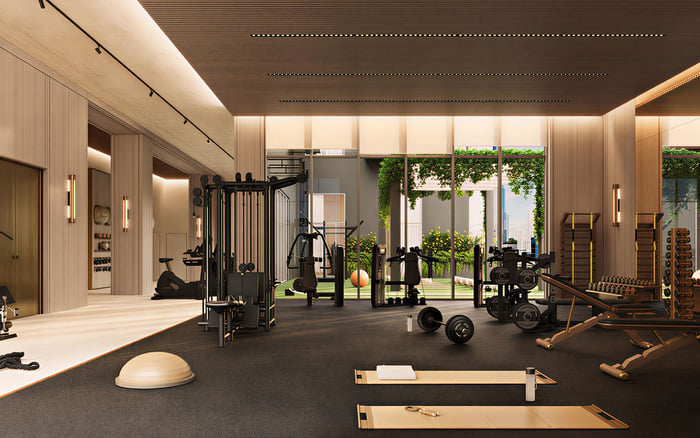
The most successful residential fitness environments begin with convenience. A beautiful training room loses value if it feels remote, crowded, or poorly planned. Buyers should look closely at how fitness spaces are reached from the residence, whether circulation feels private, and whether the room supports more than a brief cardio session.
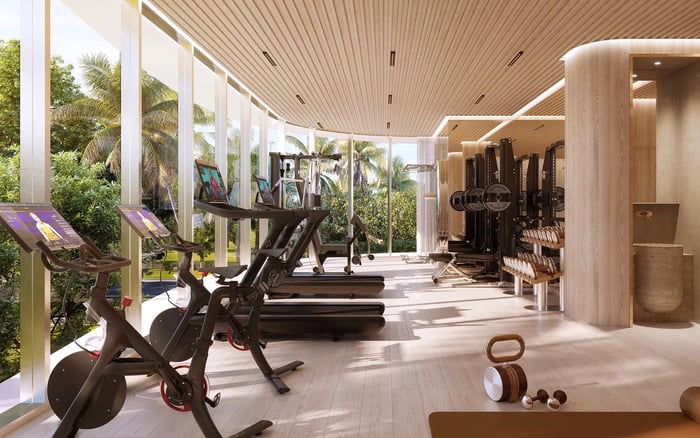
A strong fitness program should allow for strength work, mobility, functional movement, and quiet stretching. Ceiling height, ventilation, natural light, equipment spacing, and acoustic control all matter. In a luxury context, the question is not simply whether there are machines. It is whether the room feels like a place one would willingly use five times a week.
For North Miami buyers evaluating One Park Tower by Turnberry North Miami, the sharper lens is lifestyle fit rather than amenity count alone. Ask how morning workouts, post-work decompression, and weekend recovery would actually unfold from the front door of the residence. That practical sequence often reveals more than a polished rendering.
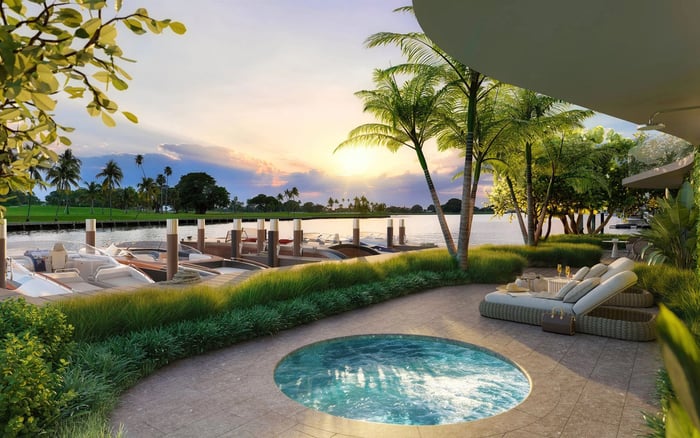
A lap pool can be especially valuable when it is treated as a training environment, not only as a social setting. The distinction is important. A resort-style pool deck may support leisure beautifully, while a lap-oriented swimming experience supports discipline, low-impact conditioning, and year-round consistency. The ideal building gives residents both pleasure and purpose.
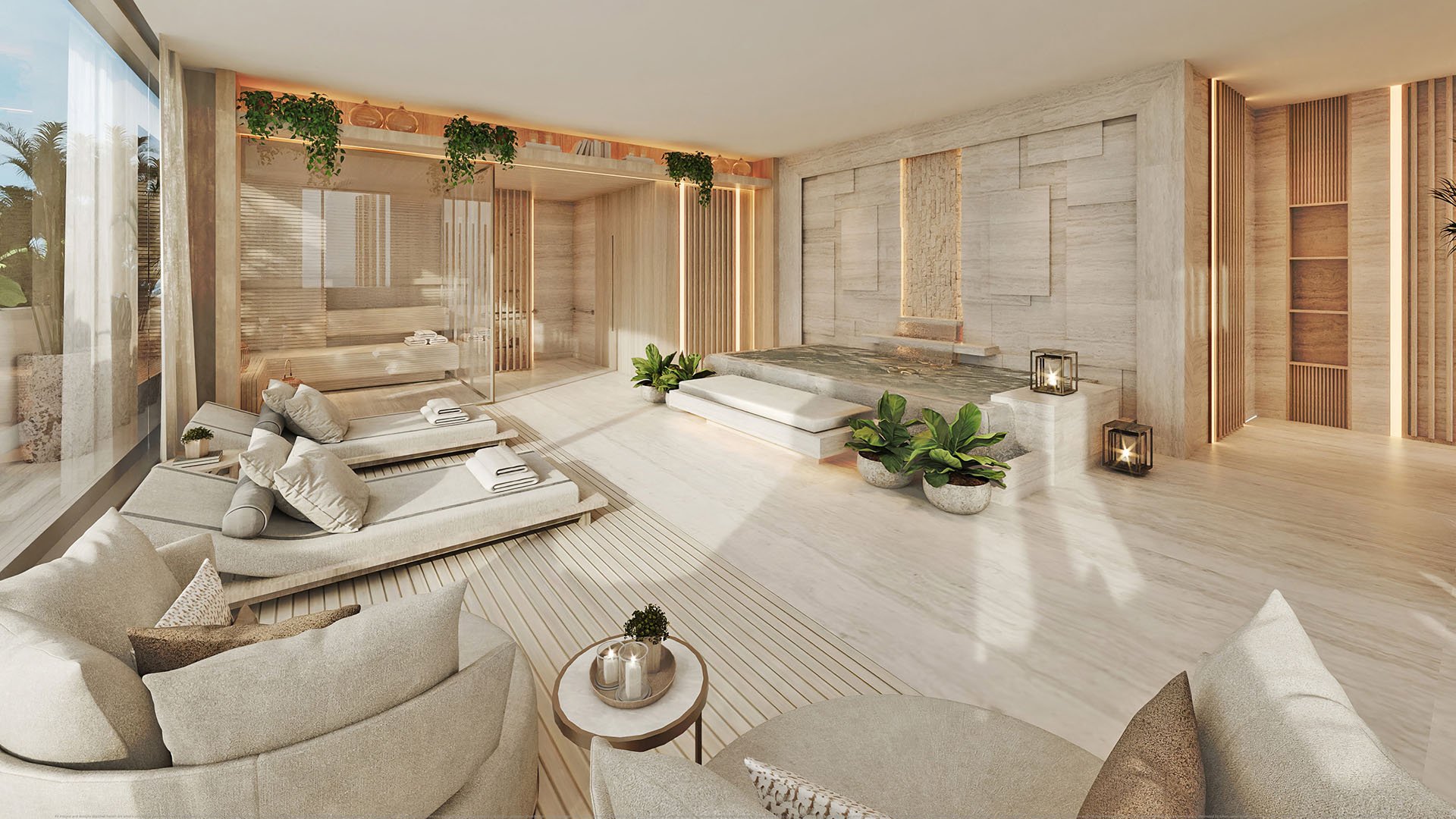
Spa amenities are often described in broad language, but discerning buyers should examine the subtler qualities. Is the experience calm from arrival to exit? Are treatment rooms, steam areas, sauna spaces, and relaxation lounges planned with privacy? Is there enough separation from louder social amenities? Does the design encourage lingering, or does it feel like a feature meant mainly to be shown during a tour?
The best residential spa environments are intimate without feeling small. Materials should soften the pace of the day. Lighting should flatter the body and calm the mind. Temperature, scent, sound, and seating should work together. In South Florida, where heat and humidity already shape daily life, the transition from exterior brightness to interior stillness is part of the luxury.
Buyers comparing wellness-led properties across the broader bayfront market may naturally consider The Well Bay Harbor Islands as part of the regional conversation. The point is not to chase a wellness name, but to understand how a building frames care as a residential habit. A spa should be more than a reservation. It should be an extension of home.
The same thinking applies when buyers look beyond North Miami toward village-scale settings such as The Well Coconut Grove. A wellness-oriented buyer should ask whether the surrounding neighborhood, building culture, and private residence all reinforce the same standard of ease. If the amenity floor is serene but the daily commute through the building feels chaotic, the concept weakens.
Fitness has long been visible. Recovery is more private, and often more revealing. The buyer who trains consistently, travels frequently, or manages a demanding professional life may value recovery spaces as much as traditional entertaining areas. The future of wellness real estate is not simply about exertion. It is about readiness.
Recovery priorities may include sauna rituals, cold exposure, massage rooms, stretching areas, quiet lounges, hydration points, sleep-conscious residences, and outdoor spaces that support breathing room. Not every building will offer every feature, and it should not need to. What matters is coherence. A few well-executed recovery spaces can be more valuable than a crowded collection of underused rooms.
Inside the residence, recovery is also a design issue. Primary suites should feel removed from social noise. Bathrooms should be planned as personal retreat spaces. Terraces should allow a genuine pause, not merely a view. Lighting controls, storage for fitness gear, flooring choices, and air quality all influence whether wellness is integrated or improvised.
This is where North Miami’s quieter residential character can become meaningful. A buyer may want access to Miami’s cultural and dining energy, but not necessarily a home that feels like an extension of that pace. Wellness-focused living depends on contrast. The city can be vivid; the residence should be composed.
A wellness amenity is only as good as the way residents use it. Privacy is central. Ultra-premium buyers often prefer spaces that feel uncrowded, discreet, and intuitive. This does not always mean large. It means well-managed. Reservation systems, operating hours, guest policies, staff presence, and maintenance standards can determine whether a spa or gym remains elegant after opening.
Programming is another layer. Some buyers want guided fitness and recovery options. Others prefer autonomy. The strongest buildings accommodate both without creating a hotel-like atmosphere. A resident should be able to book a trainer, stretch alone, enjoy a quiet sauna, or walk directly back upstairs without feeling observed.
For those comparing nearby waterfront and bayfront lifestyles, Continuum Club & Residences North Bay Village can serve as another reference point in the conversation about residential routine along the bay. The broader lesson for North Miami buyers is to evaluate the whole ecosystem: arrival, staff discretion, elevator flow, amenity access, and the ability to use wellness spaces without turning daily life into a performance.
Search behavior can be imprecise in this part of South Florida. A buyer may begin with North Miami Beach, shift west toward North Miami, then compare bayfront options in adjacent enclaves. That is why the wellness conversation should be anchored less in a map label and more in a day-in-the-life test.
Begin with the morning. Can you wake, hydrate, train, shower, and start the day without logistical drag? Then test the evening. Can you return from dinner or travel, move through the building quietly, recover, and sleep well? Luxury is found in these sequences.
Next, examine whether wellness spaces are designed for actual residents or for marketing photography. Look at the width between equipment, seating in relaxation areas, the privacy of changing rooms, and the relationship between indoor and outdoor amenities. Ask about management, cleaning cadence, access rules, and whether residents can use key spaces comfortably during peak hours.
Also consider the residence itself. A wellness building cannot compensate for a home that feels acoustically restless, poorly shaded, or visually cluttered. The most compelling properties align amenity design with interior calm. This is why buyers should tour slowly, at different times if possible, and pay attention to how the body responds.
Finally, think about longevity. Wellness preferences evolve. A young buyer may prioritize high-intensity training; another may prioritize mobility, recovery, and restorative spa rituals. A well-chosen residence should support both ambition and aging gracefully.
Wellness-focused living in North Miami is ultimately about restraint. The best version is not loud, crowded, or overprogrammed. It is practical, elegant, and deeply livable. It supports the resident who wants to train without leaving home, recover without booking a resort, and enjoy the South Florida lifestyle without surrendering peace.
For the luxury buyer, the question is no longer whether wellness exists in the building. It is whether wellness has been intelligently prioritized. Fitness should be usable. Spa spaces should be calming. Recovery should feel private. The residence should reinforce the same values through light, sound, layout, and ease.
That is the new hierarchy: not more amenities, but better rituals.
What defines wellness-focused living in North Miami? It is residential living that supports fitness, spa rituals, recovery, privacy, and calm daily routines. The strongest examples make wellness feel integrated rather than occasional.
Should buyers prioritize a gym or spa first? It depends on lifestyle, but serious buyers should evaluate both. A gym supports consistency, while spa and recovery spaces help preserve energy and balance.
Why does recovery matter in luxury real estate? Recovery reflects how residents live after exertion, travel, and social activity. It is increasingly central to comfort, longevity, and everyday performance.
Is a pool enough to qualify a building as wellness-focused? No. A pool can be valuable, but wellness depends on a broader relationship between movement, restoration, privacy, and residential design.
How important is a lap pool for active buyers? A lap pool can be important for low-impact conditioning and disciplined routines. Its value depends on access, privacy, and whether it is designed for real use.
Can wellness amenities replace a private club membership? They may reduce dependence on outside facilities, but they serve a different purpose. The best residential amenities make daily wellness easier at home.
What should buyers ask during a wellness-focused tour? Ask how spaces are accessed, maintained, reserved, and used during peak times. Also consider whether the experience feels calm and private.
Does North Miami suit a wellness-oriented buyer? It can, especially for buyers seeking a calmer residential rhythm with access to the wider Miami area. The right building and floor plan remain essential.
Are branded wellness residences always better? Not automatically. A name can signal intent, but buyers should judge execution, privacy, management, and how well the residence supports daily life.
What is the most important wellness feature to evaluate? The most important feature is coherence. Fitness, spa, recovery, and the private residence should work together as one livable system.
For a tailored shortlist and next-step guidance, connect with MILLION.
If branded residences are on your mind — as a home or as an allocation — we would be glad to share what we are seeing, privately.
Begin a quiet conversation