For Latin American families, a South Florida purchase should be coordinated with private school strategy, domicile planning, travel cadence, and daily family logistics before a contract is signed.
For many Latin American buyers, a South Florida purchase begins with a familiar image: a waterfront residence, bilingual social ease, nonstop regional access, and a school pathway that feels stable for children. Yet the most elegant acquisitions are rarely driven by architecture alone. They are shaped by alignment. The home, the school, the family’s travel pattern, and the intended domicile story should reinforce one another before a contract is signed.
This is especially true for buyers who are not simply acquiring a second home, but testing a more permanent family structure. A residence that feels ideal for entertaining may complicate a child’s morning routine. A prestigious address may not support the family’s preferred school commute. A condominium with superb amenities may still require careful review of guest, staff, pet, vehicle, and seasonal occupancy rules. The question is not only where to buy. It is how the purchase will operate within a credible, livable South Florida plan.
Private school planning is personal, discreet, and often more nuanced than buyers expect. Families should evaluate school culture, grade-level fit, language support, extracurricular priorities, transportation rhythm, and each child’s emotional transition. The real estate search should then reflect that preferred daily pattern.
A family focused on Brickell, for example, may value a residence that supports an urban routine, with access to dining, offices, and cultural life. In that context, 2200 Brickell can be considered as part of a broader conversation about city living, commute discipline, and how much independence older children may have in a vertical neighborhood. The property decision should not be separated from the school day. It should be tested against drop-off, after-school activities, visiting relatives, household staff, and the parents’ own work schedule.
The common mistake is buying first and asking school questions later. A more refined approach is to build a short list of acceptable schools, understand the family’s likely weekly rhythm, and only then narrow the residential geography.
Domicile is not merely a word used by attorneys. For international families, it is a practical narrative expressed through repeated choices. Where does the family actually live when school is in session? Where are important records kept? How does travel align with the child’s academic life? Which residence functions as the center of family gravity?
Buyers should not treat the home purchase, immigration planning, tax advice, estate structuring, and school enrollment as separate silos. Each decision may create documents and patterns that should be consistent with the family’s intended position. The right team often includes legal, tax, immigration, estate, insurance, and education professionals who can coordinate before closing, not after.
This does not mean every family must choose the same structure. Some buyers want a seasonal base with a future transition. Others want a clear primary residence. Others are balancing business interests, extended family, and children at different academic stages. The essential point is coherence. The property should support the story the family intends to tell over time.
South Florida’s luxury map is not one market. It is a series of distinct lifestyles. A household choosing Coral Gables may be prioritizing privacy, greenery, formality, and proximity to established family institutions. In that setting, Cora Merrick Park may appeal to buyers who want a refined residential posture near the center of a more traditional Miami routine.
Coconut Grove offers a different rhythm, often associated with a softer village atmosphere, canopy streets, and a more relaxed family cadence. For buyers studying that lifestyle, Four Seasons Residences Coconut Grove invites a conversation about service, privacy, and the emotional texture of daily life.
Bay Harbor Islands can appeal to families who want a quieter residential feeling while remaining connected to the beaches and the wider Miami network. The Well Bay Harbor Islands fits naturally into a discussion about wellness, scale, and a more contained neighborhood experience.
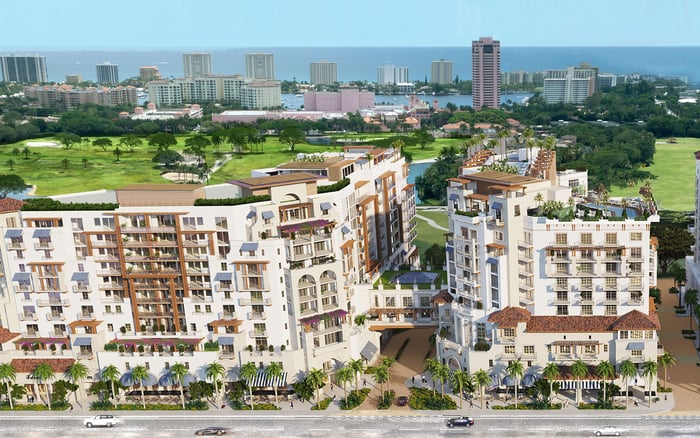
For buyers considering Boca Raton more broadly, the question often becomes how to balance resort-level polish with a family environment that feels measured and residential. The Residences at Mandarin Oriental Boca Raton may enter the conversation for families who want hospitality-driven living within a more northerly South Florida lifestyle.
Luxury buyers move quickly when the right residence appears. That speed can be an advantage, but only if the family has already prepared its advisory framework. Before making an offer, buyers should understand how ownership may be structured, who will occupy the residence, whether school-related documents will require a local address, how long the family expects to be present, and which household logistics are essential.
Condominium rules deserve particular attention. Families should review leasing restrictions, renovation rules, vehicle policies, package and staff procedures, guest access, pet permissions, and any rules affecting extended stays by relatives or caregivers. None of these details is glamorous, but they shape whether a residence will feel effortless or constrained.
The same discipline applies to financing, currency movement, insurance, and closing timelines. A buyer relocating from Latin America may be balancing banking formalities, family travel, and school interviews at the same time. The smoother transaction is usually the one that anticipates friction early.
A successful acquisition is not defined only by the view on the day of closing. It is defined by the first school week, the first holiday season, and the first period when one parent travels while the household still functions beautifully. The residence should absorb real life with discretion.
For Latin American families, South Florida offers familiarity without sameness. The language, culture, climate, and flight connectivity may feel natural, but school and domicile decisions require deliberate planning. The right purchase gives the family confidence in both lifestyle and structure.
Should Latin American buyers choose a school before choosing a residence? They should usually study both together. A preferred school can meaningfully shape the most practical neighborhood search.
Is a prestigious address enough for private school planning? No. Fit, timing, documentation, commute, and the child’s daily experience all matter more than address prestige alone.
Can a condominium work well for a family with school-age children? Yes, if the building rules, layout, parking, staff access, and daily logistics support the family’s routine.
Should domicile planning wait until after closing? It is wiser to discuss domicile intentions before contracting. The residence, ownership structure, and family pattern should be aligned early.
What advisors should be involved before buying? Families often benefit from coordinated legal, tax, immigration, estate, insurance, education, and real estate guidance.
Is Brickell practical for families focused on private school? It can be, depending on school choice, commute tolerance, and the family’s preference for an urban lifestyle.
Why do some families compare Miami with Boca Raton or Palm Beach County? They may be weighing school fit, pace of life, privacy, commute, and a more residential daily atmosphere.
Should buyers prioritize resale or school convenience? Both matter, but a family residence should first work for daily life. Resale logic should not undermine the household routine.
How early should buyers begin the school and home conversation? Early enough to avoid rushed compromises. The best decisions allow time for school review, advisory input, and property diligence.
What is the best way to shortlist comparable options for touring? Start with location fit, delivery status, and daily lifestyle priorities, then compare stacks and elevations to validate views and privacy.
If you'd like a private walkthrough and a curated shortlist, connect with MILLION.
If branded residences are on your mind — as a home or as an allocation — we would be glad to share what we are seeing, privately.
Begin a quiet conversation