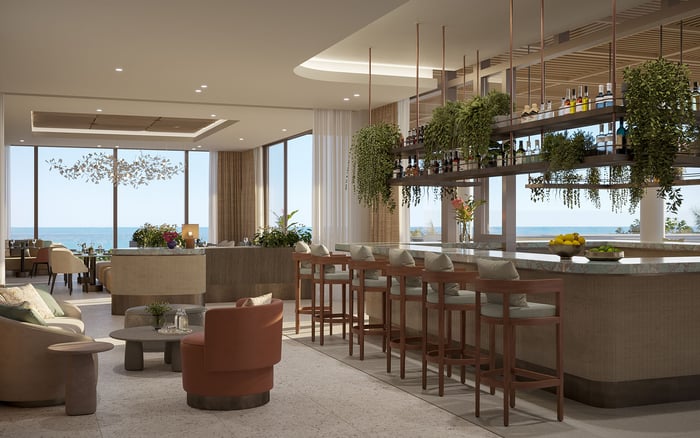
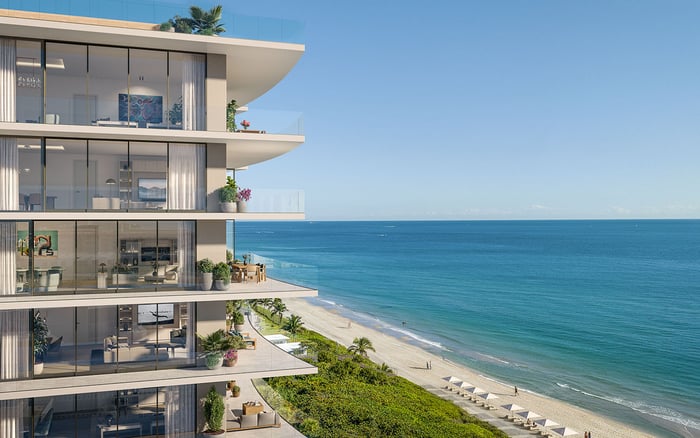
For today’s ultra-premium buyer, “privacy” is less a mood than an operating system: controlled access, service-driven amenity layers, and shorelines that feel deliberately uncrowded. In South Florida, that logic is increasingly expressed through private beach club–centric residential development, where owners-only programming and managed environments become as valuable as square footage. Beyond the mainland, the same impulse shows up in privately managed island communities, membership-based resort neighborhoods, and resort-serviced villa ownership. Here is how to read these offerings with the same discipline you would apply to any trophy waterfront asset.
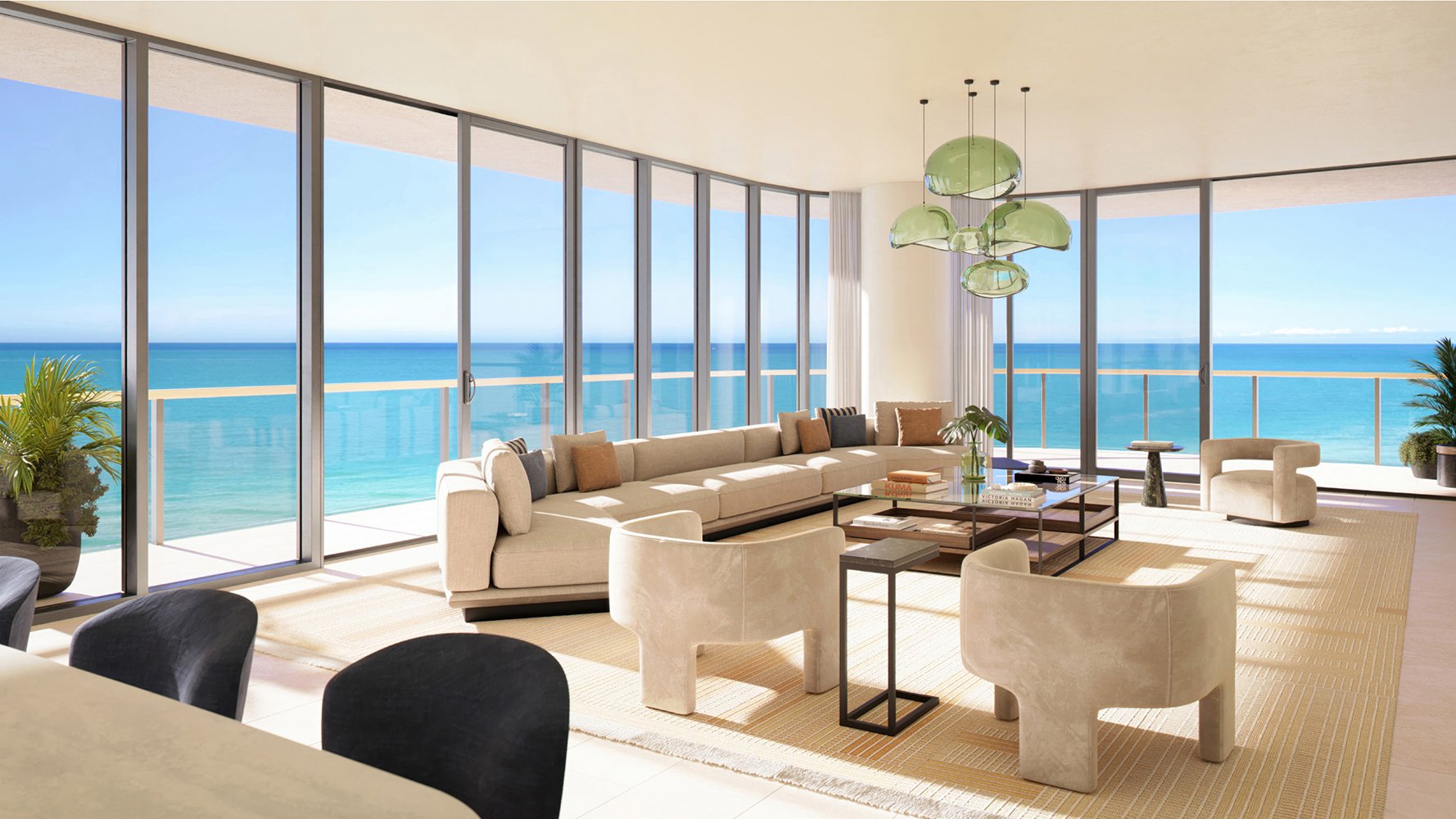
A decade ago, the beachfront luxury conversation was often dominated by the visible elements: the horizon line, the marble, the design pedigree, and a familiar checklist of conveniences such as an oceanfront pool deck, a fitness studio, and a concierge desk. Those features still matter, but they no longer differentiate at the top end. For today’s ultra-premium buyer, the premium is increasingly attached to a feeling: that the shoreline is experienced by a small, recognizable community, not by the entire zip code.
This shift helps explain why private beach club–centric residential development is drawing disproportionate attention across South Florida. The value driver is not simply a better amenity roster. It is the infrastructure of exclusivity: owners-only beach setups, controlled-access environments, and programming that establishes a curated cadence to the week. In practice, a private beach club functions like a soft gate. It does not alter the coastline itself, but it does change how you arrive, where you sit, and what you can reasonably expect when you do.
For households that split time between South Florida and the islands, the appeal is immediately legible. Much of the Caribbean’s enduring draw is not only the postcard view, but the operational reality behind it: fewer access points, fewer neighbors, and managed environments that keep a place feeling intentionally quiet. What is newer is how directly that same thinking is being integrated into Florida coastal offerings, where operations, staffing, and protocol are becoming as central to value as square footage.
In other words, privacy is no longer treated as a mood. It is treated as an operating system. And the buyer who understands that difference tends to underwrite beachfront property with a different kind of discipline.
Luxury buyers use the word “private” frequently, and often loosely. When you are underwriting a waterfront purchase, precision pays.
A true private beach club framework typically combines three elements.
First, access control. Not in the abstract, but in the way a resident’s day actually unfolds. Think arrival protocols, reserved setups, staffed check-in points, and clear expectations about who is there and why. When this works, the beach feels less like a public corridor with upgraded furniture and more like an environment that is actively maintained.
Second, social calibration. Private clubs succeed because they curate the shared space, including who uses it, at what times, and under what standards of conduct. That curation reduces the friction many buyers associate with high-traffic beachfront corridors, particularly in Broward. It is also what turns “amenities” into a lifestyle ecosystem. The club becomes a place with rhythm, not just a room with chairs.
Third, service. The club is not merely a location. It is a delivery platform for food, wellness, and lifestyle support that aligns with branded-hospitality expectations. Service matters because it protects the experience. Staffing and protocols can manage the small points of disruption that erode privacy over time, including visitors, deliveries, and the use of shared spaces.
For many ultra-premium households, the club ecosystem becomes a substitute for other forms of seclusion. If you cannot buy an isolated cove, you can buy the next best thing: a shoreline experience that feels limited, managed, and reliable.
This is also where branded residences can outperform conventional luxury condominium positioning. Brand standards and staffing models tend to formalize what high-net-worth buyers are actually seeking: privacy through operations. In a mature market, that operational clarity is often what separates “nice” from truly quiet.
Few South Florida corridors communicate quiet wealth as clearly as Hillsboro Mile, often referred to as “Millionaire’s Mile.” The appeal is structural. The geography is narrow, water is on both sides, and oceanfront ownership has historically leaned low-profile. That combination creates a different baseline experience than higher-density beachfront stretches.
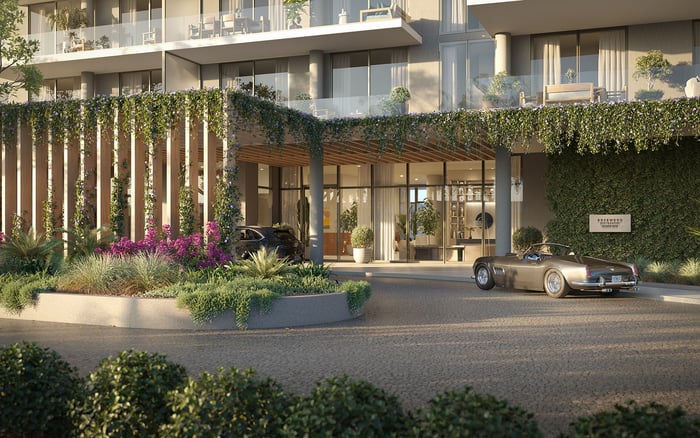
Within that context, Rosewood Residences Hillsboro Beach has been publicly described as a planned 11.8-acre project with 92 total residences across two buildings, pairing oceanfront condominiums with Intracoastal-side villas. It is also marketed for completion in 2026 and positioned as a low-density, branded-service beachfront product.
Even without fixating on any single price point, the market messaging around this category of offering is clear. It is built for the buyer who wants a residential atmosphere, not a transient one, supported by an established hospitality standard. Low density matters because it changes the downstream reality of daily life. It can affect elevator traffic, the consistency of beach setup availability, the pace of the lobby at peak season, and how often residents feel the presence of “too many people.”
For a Hillsboro Beach buyer, the practical question is not only, “Is it luxury?” It is also, “Does it protect my peace when the region is busy?” A brand-backed service model, paired with a limited residence count, can be a powerful answer because it makes calmness enforceable. It turns privacy from a hope into a repeatable outcome.
This is the deeper Hillsboro Mile thesis: scarcity, reinforced by low density and supported by operations. In that blend, the quiet becomes part of the asset’s identity.
Pompano Beach has been refining its luxury identity, and the most persuasive new stories are not simply about height, finishes, or a higher floor plan count. They are about lifestyle geometry: oceanfront mornings, Intracoastal afternoons, and the ability to choose your water depending on the day.
That is why the dual-waterfront concept resonates. The Ritz-Carlton Residences® Pompano Beach is promoted as a two-tower branded residential project combining oceanfront and Intracoastal living. Public marketing describes 205 residences split across a Beach Tower and Marina Tower, emphasizing a “beach plus marina” lifestyle proposition.
In practical terms, planning like this can function as a privacy amplifier. The ocean side is about the horizon and the rituals associated with a beach club environment. The marina side is about controlled movement, boat access, and a quieter waterfront cadence. Buyers who know the islands will recognize the pattern: the most livable water lifestyles typically include multiple “modes,” not a single shoreline experience. Optionality can reduce pressure on any one amenity area and can make day-to-day living feel less crowded.
Design-led branded offerings have also entered the conversation. Armani Casa Residences Pompano Beach speaks to a buyer who values consistency and restraint, where the aesthetic is part of the asset’s identity rather than a variable. In a market segment that is increasingly global, a disciplined design language can act as shorthand. It signals taste, and it signals an approach that does not depend on constant reinvention.
For those who prefer a more hospitality-forward posture, W Pompano Beach Hotel & Residences reflects another important direction: the blending of residential privacy with a resort-caliber amenity and service ecosystem. This model can be compelling for second-home owners who want turnkey living and the ability to lock-and-leave without sacrificing the feeling of a real home.
Across these Pompano offerings, the point is not that every buyer wants the same flavor of beachfront life. It is that Broward’s luxury evolution is increasingly being defined by operational quality, access control, and the promise of a more curated day on the sand. In a region where demand can surge seasonally and weekends can compress, that operational promise is often where the true premium lives.
South Florida’s private beach club movement is not happening in isolation. It mirrors the way affluent buyers have long evaluated the Caribbean: by choosing a governance structure as much as a view.
Consider the privately managed community model. Mustique in St. Vincent and the Grenadines is widely known as a privately managed island community with tightly controlled development and high barriers to entry. The enduring value proposition is not only the scenery. It is the management framework that keeps an enclave stable over time, including how development is controlled and how the overall environment is maintained.
Then there is the membership-based residential resort community. The Abaco Club in the Bahamas positions certain neighborhoods, including beachfront homes, around a club ecosystem and a curated on-property lifestyle. Here, the “amenity” is not a single pool or restaurant. It is the behavioral code of the place: who is there, why they are there, and how the environment is kept consistent. For many buyers, that consistency is the real luxury, because it makes the experience predictable.
A third structure is resort-serviced villa ownership, which can appeal to buyers who treat the home as both lifestyle and asset. In destinations like Turks and Caicos, official destination guidance notes the practical upside of villas for privacy, kitchens, and pools, while reminding travelers to account for local taxes and fees. That reminder sounds small, but it has outsized underwriting implications. The true cost and performance of a privacy-forward property is often determined by operating realities, not only by the purchase price.
Finally, there is the resort hideaway defined by geography and controlled access. Peter Island Resort in the British Virgin Islands is promoted as offering multiple accommodation types within a resort setting and is noted for having five beaches. Multiple shorelines matter because they create optionality. Optionality is a kind of luxury insurance: if one beach is windy, exposed, or simply less appealing on a given day, another can provide a quieter alternative.
For South Florida buyers, the takeaway is straightforward. Whether you are buying on the mainland or in the islands, the modern “secret cove” is frequently a structure, not a location. Privacy is engineered through management, membership, staffing, and access control. The most sophisticated buyers evaluate those elements with the same seriousness they apply to a trophy view.
When privacy is the objective, the best questions are operational. The following considerations often separate a beautiful property from a truly restful one.
Start with access rights and boundaries. Is the beach experience effectively owners-only through staffing, setup protocols, and controlled entry points, or is it a conventional public interface with better lounge chairs? Many properties use the word “private,” but the lived reality can range from genuinely controlled to lightly suggested.
Next, evaluate density and traffic patterns. A lower residence count can reduce elevator congestion, competition on the pool deck, and day-to-day noise. That reduction may matter more than a marginal difference in interior square footage, especially for buyers who are purchasing calm as much as they are purchasing finishes.
Then, interrogate service. Branded residences often appeal because staffing is not an afterthought. It is part of the product. Service can be the mechanism that protects privacy by managing deliveries, visitors, and the rhythm of shared spaces. It can also set expectations, which is often the invisible ingredient in a quiet building.
For buyers comparing South Florida to the Caribbean, add a final layer: governance and operating complexity. Private islands, resort communities, and villa programs each come with their own rules, fees, and seasonal realities. The most disciplined buyers treat those factors as integral to the asset, not as fine print to be discovered later.
Ultimately, the premium you pay for “seclusion” should be legible in the way the property is run. The quietest shoreline is often the one supported by the most intentional operations, including staffing levels, protocols, and clarity around who is meant to be there.
Is a private beach club the same as a private beach? Not necessarily. A private beach club typically delivers controlled access, staffing, and a managed setup experience, but the underlying shoreline may still be public in a legal sense.
Why are branded residences often associated with more privacy? Because brand standards tend to formalize service, staffing, and protocols that keep shared spaces calm, consistent, and more predictable.
What makes Hillsboro Mile different from other beachfront corridors? Its geography and legacy of low-profile ownership create a naturally quieter setting, and low-density projects can reinforce that character.
How do Caribbean “hideaway” purchases differ from South Florida condos? They can involve membership structures, resort operations, or private management frameworks that change fees, rules, and how the home is used.
For a discreet look at privacy-forward waterfront options across South Florida, connect with MILLION Luxury.
If branded residences are on your mind — as a home or as an allocation — we would be glad to share what we are seeing, privately.
Begin a quiet conversation