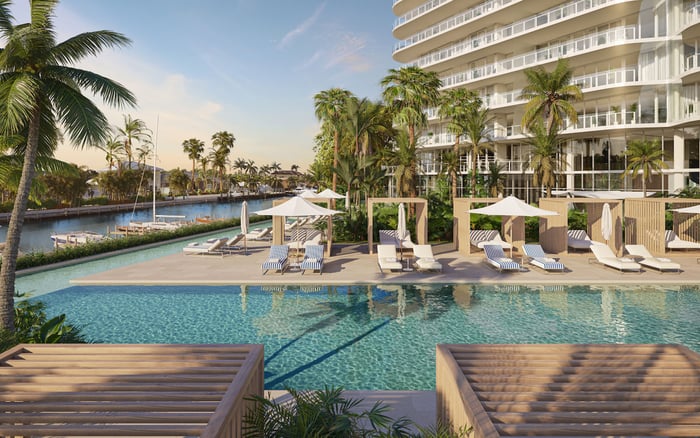
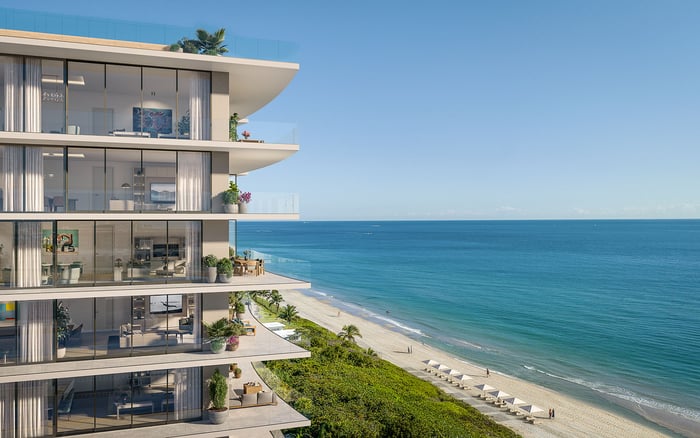
A buyer-oriented comparison of how coastal setbacks shape livability, durability, and long-term value at Rosewood Residences Hillsboro Beach and The Ritz-Carlton Residences® Pompano Beach, with practical due diligence questions for South Florida oceanfront purchasers.
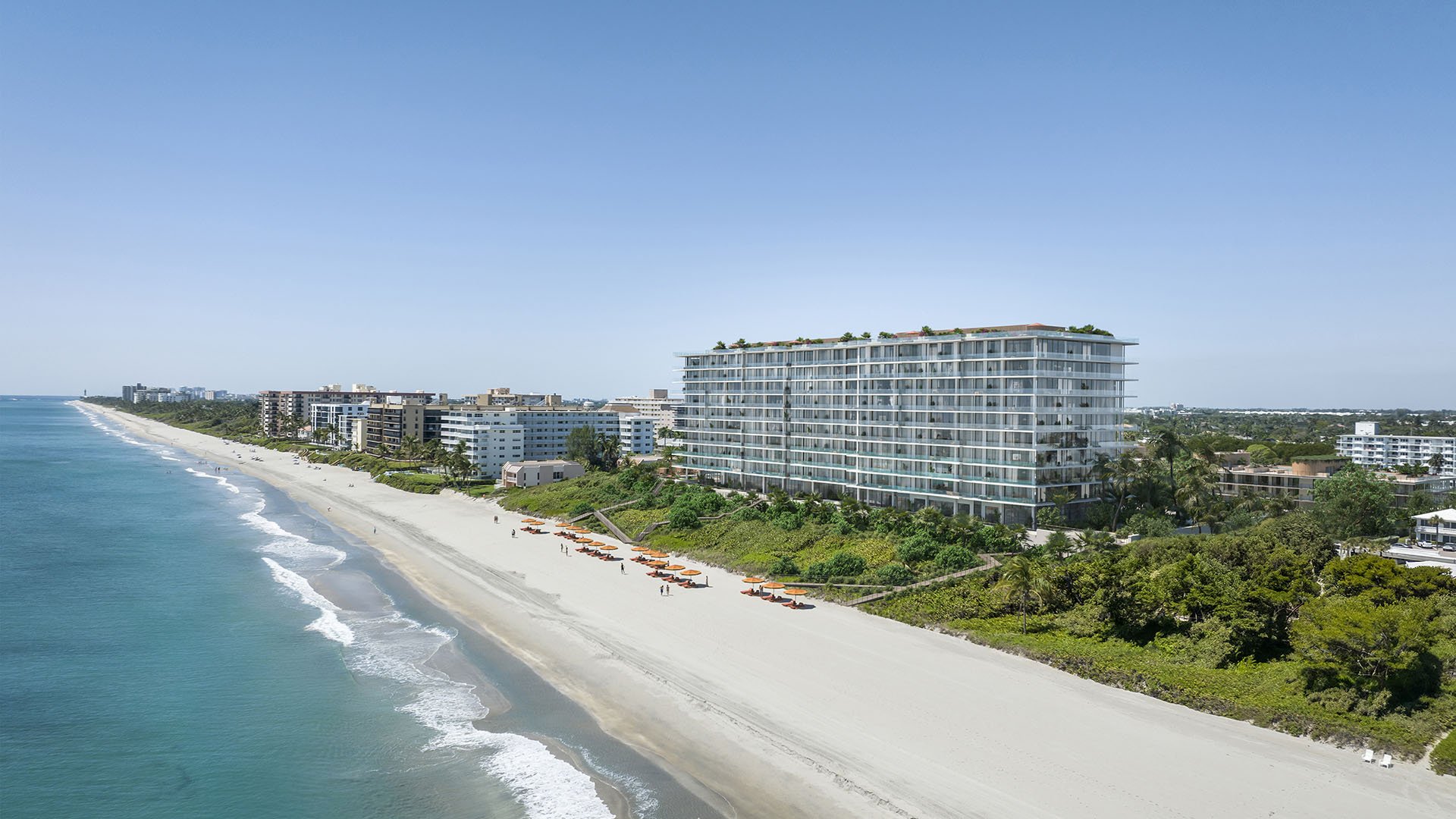
In the ultra-premium oceanfront market, “how close to the sand” is rarely the right question. The better question is how a property is positioned within the coastal zone-and what that positioning means for everyday livability, long-term upkeep, and risk management. Coastal setbacks-the regulated distance between development and a dynamic shoreline-function as a practical proxy for resilience. They shape how a site absorbs salt and wind, manages flooding pathways, supports dune performance, and keeps outdoor amenities usable over time.
For buyers comparing Rosewood Residences Hillsboro Beach and The Ritz-Carlton Residences® Pompano Beach, setbacks are not theoretical. They show up in the details: how often sea spray reaches balconies, how sheltered a pool deck feels on a winter afternoon, whether a ground-level lounge is genuinely easy to enjoy, and how consistently the building can operate as the coastline evolves.
Because the Fact Table for this topic is not providing project-specific setback measurements, the most useful approach is to evaluate setbacks by outcomes rather than numbers. In practice, a “better” setback is one that supports:
Durable coastal landscape design. Dunes, native plantings, and sand fencing are not decorative; they’re working infrastructure. Their design and maintenance directly affect erosion control and post-storm recovery.
Protected outdoor programming. Wind and salt exposure can make an oceanfront terrace, lap pool, or dining pavilion feel seasonal instead of daily. Setback and elevation decisions often determine which it becomes.
Operational predictability. After storm events, the ability to restore amenity areas and repair coastal-facing finishes without extended closures becomes part of the ownership experience.
Insurance and reserve posture. While pricing and underwriting are building-specific, the risk-management philosophy is visible in envelope strategy, seawater-corrosion planning, and the association’s approach to capital planning.
Put simply: the farther a building-and its critical amenities-sit from the most active coastal edge, the more flexibility you typically gain to create “oceanfront” without living at the ocean’s mercy.
Hillsboro Beach is a slender, intensely coastal strip with a distinctly private cadence. In that context, buyers often prioritize controlled access, quieter beachfront conditions, and separation from heavy commercial activity. How a development uses its setback is central to delivering that experience.
When evaluating Rosewood Residences Hillsboro Beach, focus on how the site plan uses distance to choreograph arrival, privacy, and outdoor living. A well-resolved setback strategy often reads as:
A layered approach to privacy. Instead of a single line from lobby to beach, look for transitions-landscaped thresholds, shaded zones, and outdoor rooms that feel sheltered.
Amenity placement that respects salt and wind. If the most-used spaces sit where salt aerosol is highest, finishes will age faster and the association’s repair cadence typically increases.
Beach access that feels intentional. The most refined oceanfront experiences treat the beach as a destination, with staging space, storage, and a clear path that doesn’t compromise residents’ quiet.
For comparison, buyers cross-shopping boutique oceanfront inventory elsewhere in Broward sometimes consider properties such as 2000 Ocean Hallandale Beach, where the conversation often returns to the same distinction: ocean-adjacent versus ocean-buffered.
Pompano Beach is actively evolving, with an oceanfront identity that is increasingly curated rather than incidental. In a setting with more visible public life, setback strategy can be the difference between a resort-like refuge and a property that feels exposed.
When assessing The Ritz-Carlton Residences® Pompano Beach through the lens of setbacks, consider three practical angles:
Microclimate management. Oceanfront towers can accelerate wind at ground level depending on massing and orientation. A stronger site plan uses distance, landscape, and podium design to keep outdoor spaces comfortable.
Amenity resilience. Pool decks, outdoor spas, and beachfront lounges are expensive to refresh. Their longevity is strongly shaped by salt and sand exposure-and by how quickly they can be restored after severe weather.
Edges and interfaces. In a more active beach environment, boundary design matters: screening, access control, and noise management that still reads as gracious rather than defensive.
This is also why Pompano buyers sometimes compare the broader coastal design language with neighboring branded entries like W Pompano Beach Hotel & Residences. Even when product types differ, the takeaway is consistent: setbacks become lifestyle.
Coastal setbacks sit at the intersection of regulation, engineering, and association governance. For a serious buyer, the right questions are specific-and document-driven.
Ask for, review, or commission the following, as appropriate:
A current boundary and topographic survey showing coastal features, grades, and any protective systems.
Permits and approvals tied to shoreline work, dune management, seawalls (where applicable), and beach access elements.
Building envelope specifications focused on coastal exposure: glazing performance, balcony drainage, corrosion-resistant components, and maintenance schedules.
Storm preparation and recovery plan describing how outdoor amenities are secured, what closes first, and how restoration is prioritized.
Reserve strategy and capital plan that treats coastal-facing components as high-wear assets, not occasional expenses.
Even in impeccably designed buildings, the coastline is a moving boundary. The real question is whether the property’s planning treats that motion as a certainty.
Because luxury ownership is about repeatable comfort, it helps to translate setbacks into everyday experiences. When touring and reviewing materials, consider:
Balconies and terraces. Stand outside for several minutes. If conversation is strained by wind or salt mist is noticeable, you may love the view but use the space less.
Pool deck enjoyment. Setback and screening can determine whether the deck feels like a sanctuary or a corridor exposed to wind and sand.
Ground-floor programming. The more central an amenity is to your lifestyle, the more its placement relative to coastal exposure matters.
Noise and privacy. A stronger setback strategy can create privacy without relying on opaque barriers that diminish design quality.
This is where it can be useful to look at other coastal markets with different shoreline conditions for perspective. For example, Surfside’s oceanfront parcels often prompt careful design discussions about buffering and outdoor livability, seen in projects like Ocean House Surfside.
Luxury buyers often focus on finish schedules and brand standards, but coastal real estate rewards a quieter discipline: serviceability. Setbacks influence serviceability because they affect how often exterior elements require intervention-and how disruptive that intervention becomes.
Consider the following implications:
Exterior refresh cycles. Salt and wind exposure accelerate wear on railings, hardware, coatings, and soft goods in outdoor areas.
Amenity downtime. The closer amenities sit to the most active coastal edge, the more likely intermittent closures become after high surf and storm events.
Association decision-making. Buildings that plan for coastal reality tend to budget proactively and execute maintenance with less drama.
For buyers, the goal is not to eliminate exposure. Oceanfront is exposure. The goal is to own a property designed to age gracefully within it.
When Rosewood Residences Hillsboro Beach and The Ritz-Carlton Residences® Pompano Beach are placed side by side, setbacks become a clean way to clarify personal priorities:
Choose the environment that matches your rhythm: Hillsboro Beach for discretion and a more secluded coastal experience, Pompano Beach for a more animated oceanfront context.
Prioritize outdoor living if you plan to use terraces and amenity decks weekly, not seasonally. Setback-driven microclimates matter.
Think like an owner, not just a buyer: evaluate maintenance philosophy, not simply first impressions.
In both cases, your sharpest advantage is disciplined due diligence. The coastline will do what it does. The best properties acknowledge that, design for it, and operate accordingly.
What is a coastal setback in practical terms? It is the planning buffer that helps keep buildings and amenities away from the most dynamic shoreline conditions.
Do larger setbacks always mean lower risk? Not always, but more distance can provide flexibility for dunes, drainage, and outdoor comfort.
How can I tell if a pool deck will be usable year-round? Spend time on site to assess wind, salt mist, and sand movement, not just the view.
What documents best reveal setback-related constraints? A current survey, coastal-related permits, and approved site plans are the most direct.
Why do dunes matter if I am buying a condo, not a beach house? Dunes can reduce erosion impacts and help protect beachfront amenities and access paths.
How do setbacks affect maintenance costs? Greater exposure typically accelerates wear on exterior finishes and can increase repair frequency.
Should I be concerned about beach access changing over time? Yes, because shorelines shift; ask how access is designed and how it is maintained after storms.
Is privacy influenced by setbacks? Often, yes; better buffering can reduce noise and sightlines without heavy-handed barriers.
What is the smartest question to ask the association or developer? Ask how the building plans for storm recovery and how reserves anticipate coastal wear.
Can two oceanfront buildings feel dramatically different despite similar views? Yes, because massing, landscape buffering, and amenity placement change comfort and usability.
For a discreet conversation and a curated building-by-building shortlist, connect with MILLION Luxury.
If branded residences are on your mind — as a home or as an allocation — we would be glad to share what we are seeing, privately.
Begin a quiet conversation