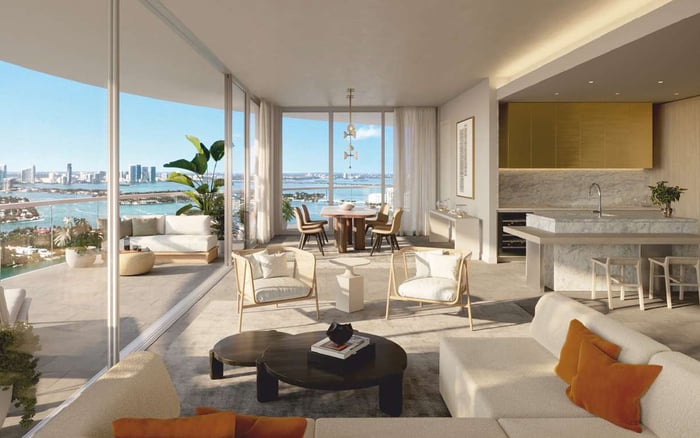
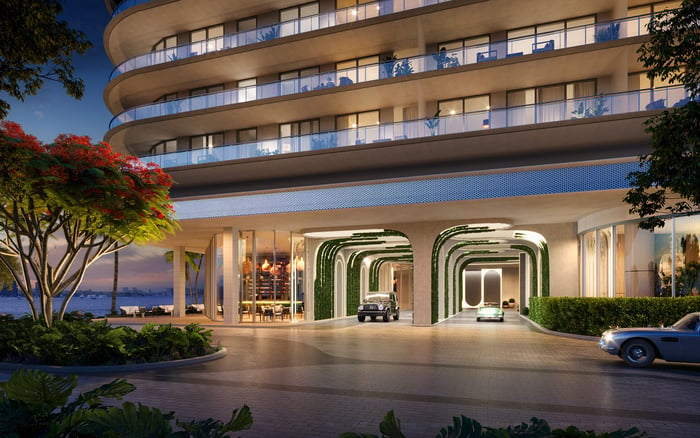
A discreet buyer guide to entertaining privacy at The Ritz-Carlton Residences® South Beach, focusing on party rules, guest circulation, valet choreography, and outdoor-space due diligence.
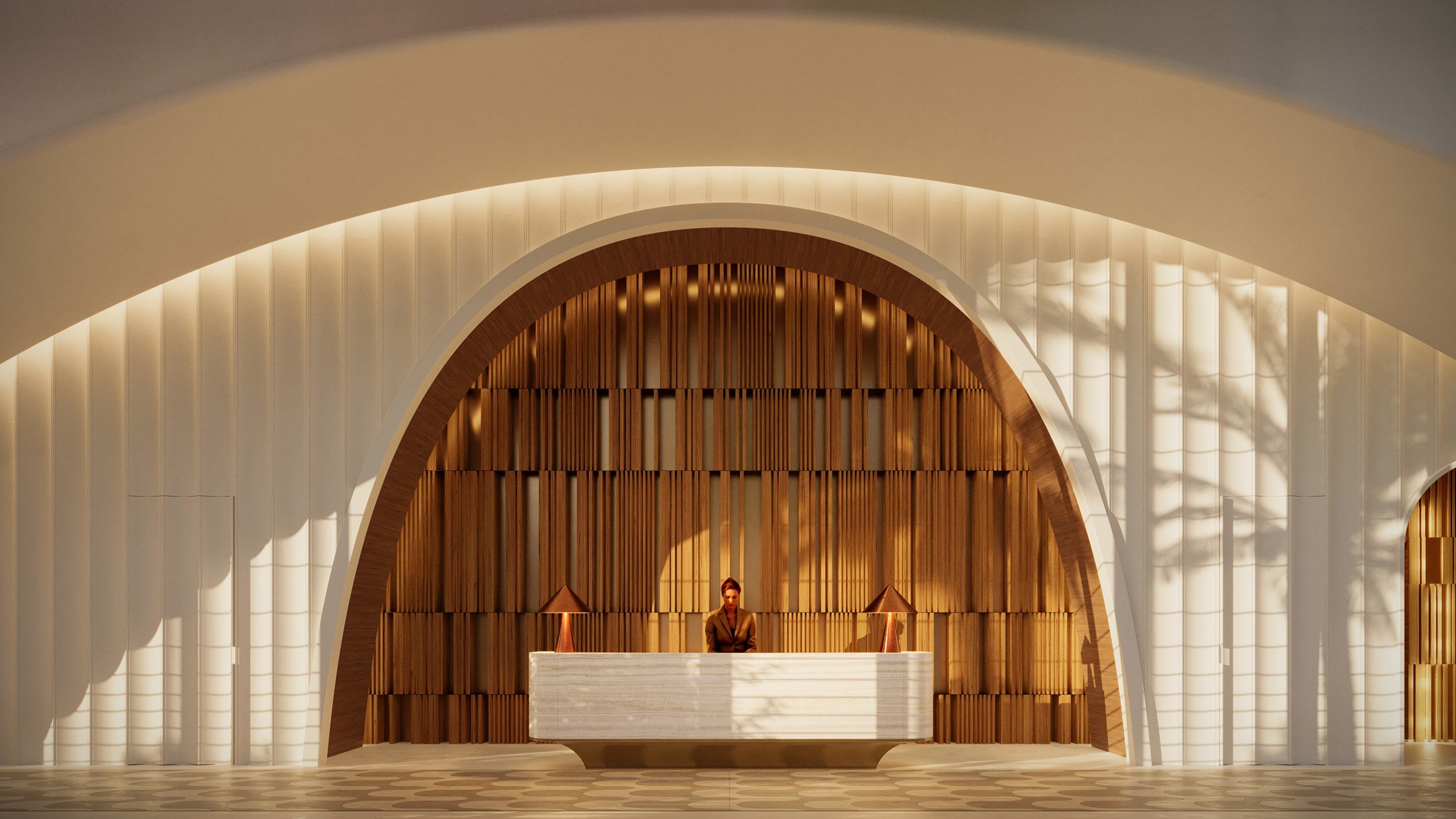
At The Ritz-Carlton Residences® South Beach, the most sophisticated entertaining question is not simply whether a residence can accommodate guests. It is whether the building’s rules, arrival sequence, elevator access, valet operation, and outdoor spaces can support a private evening while preserving the quiet enjoyment of neighbors.
In South Beach, discretion is an amenity. A polished dinner, collector preview, family celebration, or small cocktail gathering depends on choreography as much as design. For buyers, the essential distinction is privacy versus permission. A residence may offer discreet access and attentive service, but association rules still govern what can occur inside private homes and shared amenity areas.
That distinction matters across Miami Beach, where dense residential settings, hospitality culture, and high expectations often converge in the same building. Ritz-Carlton-style service can support refined entertaining, but it should never be interpreted as unrestricted party use.
The exact party rules, house rules, and operating protocols for The Ritz-Carlton Residences® South Beach should be treated as document-review items. Buyers should not assume final limits on guests, music, alcohol, catering, amenity reservations, or event size without reviewing the condominium declaration, bylaws, house rules, and current management policies.
The core question is whether the building distinguishes private entertaining from commercial event use. Many luxury condominiums treat a personal dinner differently from a paid gathering, brand activation, fundraiser, or corporate reception. A buyer who expects to host regularly should ask directly how the association defines those categories, whether advance notice is required, and whether amenity spaces can be reserved for private use.
The best lifestyle fit is usually found where a buyer’s entertaining habits align naturally with the building’s culture. If live music, DJs, late dinners, or frequent catered evenings are part of the plan, those expectations should be tested before closing rather than negotiated after move-in.
Elevator privacy is one of the most overlooked elements of entertaining. The relevant questions are practical: does the building offer controlled-access elevators, private elevator foyers, guest authorization, or separation between resident, staff, and service traffic? If guests can be authorized cleanly and directed efficiently, the event feels composed before anyone reaches the residence.
This is especially important for buyers comparing branded residences, including The Ritz-Carlton Residences® Miami Beach, where service expectations are naturally high. A luxury brand can elevate the hospitality standard, but the governing documents and operating procedures still determine how guests are registered, escorted, and permitted to circulate.
For a private dinner, the host should understand whether guests can access the floor directly, whether staff must accompany them, and whether catering teams use a separate service path. For a larger gathering, those details become even more important because guest flow can affect lobbies, corridors, elevators, and neighboring residences.
Valet privacy is about timing, staging, and visibility. A discreet event can unravel if arrivals stack awkwardly at the curb, vehicles cannot be staged efficiently, or security is not coordinated with the guest list. Buyers should ask how the porte cochère is controlled, how many guest vehicles can be handled gracefully, and whether management has protocols for staggered arrivals.
The same questions apply when evaluating established South Beach luxury references such as Continuum on South Beach or boutique hospitality-driven addresses nearby. The goal is not convenience alone. It is to preserve the residential character of the property while allowing guests to arrive without spectacle.
For frequent hosts, valet due diligence should include guest-registration procedures, security coordination, loading-dock access, catering-delivery protocols, and whether event traffic is separated from ordinary resident arrivals. These are not glamorous questions, but they determine whether privacy is real or merely aspirational.
Outdoor entertaining should be evaluated separately from indoor entertaining. A terrace, pool deck, amenity lawn, or outdoor lounge can raise additional concerns around noise, visibility, capacity, and hours of use. What feels intimate inside a residence may project differently outdoors, particularly in a dense South Beach environment.
Buyers should ask whether private terraces may be used after quiet hours, whether amplified sound is permitted, how outdoor furniture and catering setups are handled, and whether amenity spaces require reservation. They should also clarify whether guests may move between the residence and outdoor common areas during an event.
Across Miami Beach, including projects such as Shore Club Private Collections Miami Beach, outdoor space is often central to the appeal of coastal living. Yet the more desirable the setting, the more important it becomes to understand how the building protects both atmosphere and neighbor privacy.
The refined buyer should view service as an enhancer, not a loophole. A well-run building may help coordinate arrivals, manage vendors, direct guests, and preserve a calm residential mood. But no level of service overrides association rules, quiet-enjoyment rights, or limitations on shared amenities.
That is why the conversation around The Ritz-Carlton Residences® South Beach should be grounded in due diligence. The right questions include: Can I host private dinners? Are DJs or live music allowed? How many guests can valet handle? Can guests access my floor directly? Can outdoor terraces be used after quiet hours? How are caterers brought into the building?
Buyers comparing other South Beach luxury residences, including Apogee South Beach, should apply the same framework. Privacy is not a single feature. It is the intersection of architecture, staffing, rules, and restraint.
For an owner who entertains, the ideal residence is not necessarily the one that promises the most permissive atmosphere. It is the one that allows a private gathering to feel effortless while preserving the dignity of the building. That balance is particularly valuable in South Beach, where social energy is part of the address and discretion remains the true luxury.
Before closing, buyers should request and review the party, guest, catering, alcohol, music, valet, loading, elevator, and amenity-reservation policies. They should also ask management how those policies operate in real life. If the answers align with the buyer’s hosting style, entertaining can feel fluid, elegant, and appropriately private.
Can I host private dinners at The Ritz-Carlton Residences® South Beach? Private dinners may be possible, but buyers should verify the building’s party and guest policies before closing.
Are exact party limits publicly confirmed? Final limits on guests, music, event size, and hours should be confirmed through condominium documents and management policies.
Does branded service mean unrestricted entertaining? No. Service can support polished hosting, but association rules still govern private residences and amenity areas.
Why do elevator protocols matter for privacy? Controlled access, guest authorization, and service separation can determine how discreetly guests and vendors move through the building.
What should I ask about valet? Ask how guest arrivals are staged, how many vehicles can be handled gracefully, and how security coordinates with valet.
Are outdoor terraces treated differently from interiors? Often, yes. Outdoor areas can involve added concerns around sound, visibility, capacity, and quiet hours.
Can I host a corporate or paid event in my residence? Buyers should be cautious, as many luxury condominiums distinguish private entertaining from commercial event use.
Should catering access be reviewed in advance? Yes. Loading-dock rules, delivery timing, service elevators, and vendor circulation should be understood before planning events.
What is the key privacy issue for South Beach entertaining? The key issue is balancing discreet hospitality with neighbor quiet-enjoyment rights in a dense residential setting.
When should I review the entertaining rules? Review the rules before closing, especially if frequent hosting is central to your ownership plan.
If you'd like a private walkthrough and a curated shortlist, connect with MILLION.
If branded residences are on your mind — as a home or as an allocation — we would be glad to share what we are seeing, privately.
Begin a quiet conversation