A buyer-focused look at move-in readiness for W Pompano Beach Hotel & Residences, where furniture, staffing, amenity access, technology, and seasonal arrivals must be coordinated as one hospitality-driven launch.
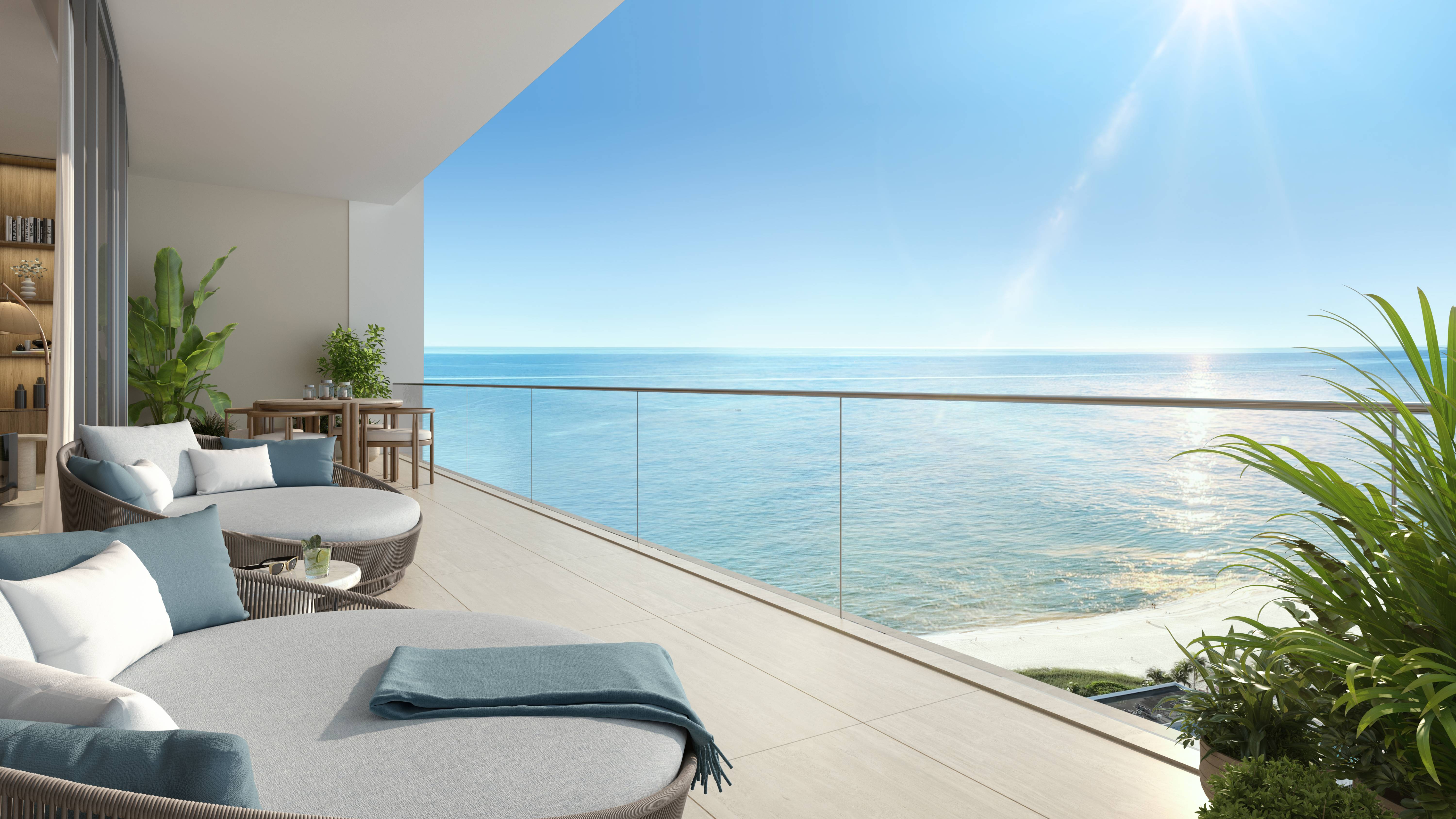
At W Pompano Beach Hotel & Residences, the phrase Move-In Ready carries more weight than it would in a conventional condominium. This is a W-branded hotel-and-residences project in Pompano Beach, where the first owner experience is measured not only by whether a residence can legally close, but by whether the entire arrival feels composed.
For luxury buyers, readiness is a choreography of private interiors, service desks, elevators, common areas, technology, and staff response. A certificate of occupancy may mark an important threshold, but it does not complete the emotional promise of a branded residence. Owners arrive expecting the ease of hospitality and the permanence of home to meet at the same front door.
That distinction matters in Branded Residences. The buyer is not simply purchasing walls, finishes, and a view. The buyer is relying on an operating culture. If the residence is technically complete but furniture is delayed, smart-home controls are not calibrated, or amenity access is unclear, the handoff can feel unfinished even when the building is open.
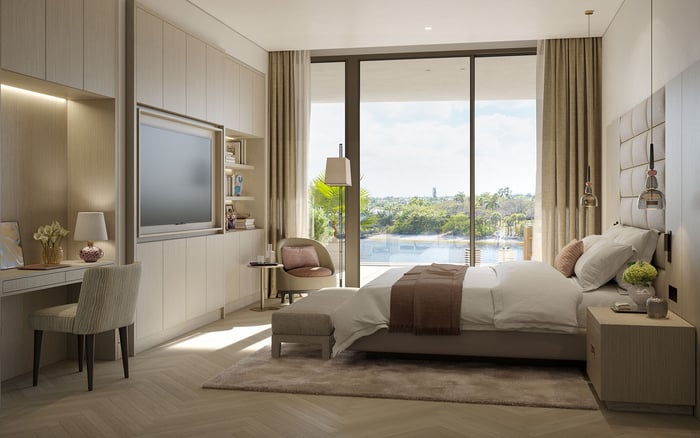
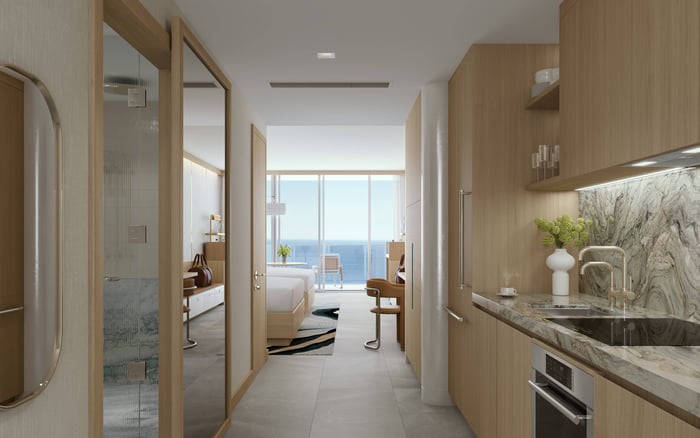
Furniture, fixtures, and equipment planning should sit at the center of the move-in conversation. In a branded residence, especially one associated with the W identity, the expectation of design cohesion is high. Buyers want the residence to feel immediately usable, visually resolved, and aligned with the service promise that attracted them in the first place.
The practical issue is sequencing. FF&E planning needs to align with construction completion, inspection timing, buyer closing schedules, delivery windows, and elevator access. If any one of those pieces moves independently, the residence may be ready on paper but not ready for an owner’s first weekend.
For seasonal users, this can be especially consequential. A Second-home buyer planning winter occupancy may not have the flexibility to wait through staggered deliveries or incomplete installation. Bedding, terrace furniture, lighting, kitchen essentials, window treatments, media systems, and art placement all become part of the readiness standard, not decorative afterthoughts.
Buyers comparing other Pompano Beach offerings, such as The Ritz-Carlton Residences® Pompano Beach and Armani Casa Residences Pompano Beach, should ask the same practical question: will the home function beautifully on the day it is actually used, not only on the day it closes?
The staff launch should begin before the first residents arrive. Front desk, concierge, valet, housekeeping, engineering, and amenity teams need to be calibrated to owner expectations in advance, because early residents will naturally compare the experience with mature hotel operations. That comparison may be unfair in the first days of a new opening, but it is inevitable.
For a Condo-hotel environment, staff coordination is not a soft luxury. It is the infrastructure of confidence. The front desk must understand owner access protocols. Valet must anticipate move-in volume as well as daily arrivals. Housekeeping should know which residences are occupied, which are being furnished, and which require post-delivery cleaning. Engineering teams need quick response paths for technology setup, HVAC adjustments, appliance questions, and punch-list items.
Concierge onboarding is another critical detail. Owners should know how to request services, schedule deliveries, reserve amenities where applicable, and communicate preferences. A first arrival that requires repeated explanations can diminish the sense of ease. A first arrival where the staff already understands the owner’s profile creates the opposite effect: recognition, continuity, and calm.
The hotel opening schedule and the residential closing schedule should be harmonized as much as possible. When a property is both hospitality and residential, the experience can feel fragmented if the hotel operates on one timeline while owners close on another.
This does not mean every element must open simultaneously in a complex project. Phased openings can be sensible. The issue is communication. Owners should be told clearly which resident and hotel amenities are available, which are limited, and which are still being completed. Ambiguity is more damaging than a thoughtfully explained soft opening.
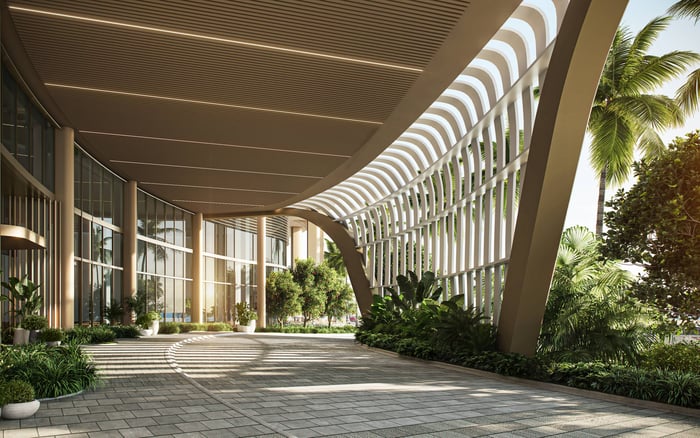
Common areas are especially important. Early residents may forgive a minor private punch-list item if the service culture is responsive, but underfurnished public spaces or incomplete amenity zones can weaken the first impression. In a hospitality-driven property, the lobby, arrival court, elevator sequence, service corridors, and amenity thresholds all help establish whether the project feels alive, temporary, or fully settled.
The same principle applies across South Florida’s branded residential market. At Waldorf Astoria Residences Pompano Beach or in broader coastal comparisons such as Four Seasons Hotel & Private Residences Fort Lauderdale, buyers are increasingly attentive to the handoff between development completion and day-one operations.
South Florida luxury real estate runs on more than construction timelines. It also runs on seasonal rhythms. Many owners plan first occupancy around the winter high season, which adds pressure to furniture delivery, service staffing, amenity readiness, and common-area presentation.
A fall closing may look comfortable on a calendar until many owners begin scheduling deliveries, installers, designers, housekeeping teams, and family arrivals within the same narrow window. Freight elevators become precious. Service corridors become active. Valet and receiving teams must coordinate a volume of movement far different from normal daily operations.
For buyers, the key is to treat seasonal use as a planning constraint, not a lifestyle preference. If the goal is to occupy during high season, decisions about furniture packages, custom lead times, vendor insurance, delivery reservations, technology installation, and punch-list review should happen early. Waiting until closing to begin those conversations can turn a luxury arrival into a logistics project.
For developers and operators, seasonal arrivals require staffing models that anticipate concentration. The first wave of owners may need more guidance, not less. They will ask about access, deliveries, service requests, guest procedures, amenity status, parking, housekeeping, and engineering support. Prepared teams can turn that density into momentum. Unprepared teams can create bottlenecks.
A sophisticated buyer should ask questions that go beyond completion status. Is there a coordinated FF&E schedule tied to closing? Are freight elevator reservations available before arrival? Who manages delivery windows? When can technology be tested? How are punch-list items triaged once the residence is occupied? Which amenities will be open, limited, or pending at first use?
The answers do not need to be elaborate. They need to be precise. A branded residence should make the complicated feel simple, but simplicity requires planning behind the scenes.
Buyers should also distinguish between private readiness and building readiness. A furnished residence with incomplete common areas can feel isolated. A staffed building with delayed private furnishings can still fail the owner’s first-use test. True readiness exists when the residence, staff, services, access points, and seasonal expectations converge.
That is the central measure at W Pompano Beach Hotel & Residences. Move-in readiness is not a single handoff moment. It is an operational launch in which the private home and hospitality environment must arrive together.
What does Move-In Ready mean at W Pompano Beach Hotel & Residences? It should mean the residence, furnishings, technology, staff, services, amenity access, and arrival logistics are prepared for actual owner use.
Why is furniture timing so important? Buyers in a branded residence expect a turnkey experience, so delayed FF&E can make a completed residence feel unfinished.
Should buyers wait until closing to plan deliveries? No. Delivery windows, freight elevator access, vendor coordination, and installation timing should be discussed well before first occupancy.
How should staff be prepared before residents arrive? Front desk, concierge, valet, housekeeping, engineering, and amenity teams should be trained on owner expectations and move-in procedures.
What happens if the hotel and residences open on different timelines? Clear communication is essential so residents understand which areas and services are available, limited, or still being completed.
Why do common areas matter during first occupancy? Early residents judge the entire environment, so underfurnished or incomplete shared spaces can affect the perceived quality of the handoff.
How does seasonal use affect move-in planning? Winter high-season occupancy can concentrate owner arrivals, deliveries, service requests, and staffing demand into a narrow period.
What should Second-home buyers prioritize? They should prioritize furniture lead times, technology setup, housekeeping access, delivery reservations, and clear amenity status before arrival.
Is move-in readiness only a developer responsibility? No. Developers, operators, designers, vendors, and buyers all influence whether the first occupancy feels smooth and complete.
What is the ideal first-arrival experience? The home should feel furnished, serviced, connected, and supported by staff who understand the owner’s needs from the moment of arrival.
For a discreet conversation and a curated building-by-building shortlist, connect with MILLION.
If branded residences are on your mind — as a home or as an allocation — we would be glad to share what we are seeing, privately.
Begin a quiet conversation