A practical buyer’s checklist for separating Continuum’s marketed pet amenities from documented access rules, elevator procedures, and building-specific emergency responsibilities.
For a waterfront buyer with a pet, luxury is partly measured in the smallest transitions: leaving the residence, entering an elevator, reaching an appropriate outdoor area, and returning without friction. At Continuum Club & Residences North Bay Village, the diligence question is not simply whether pet amenities are advertised. It is whether the rules, routes, and responsibilities behind them are documented.
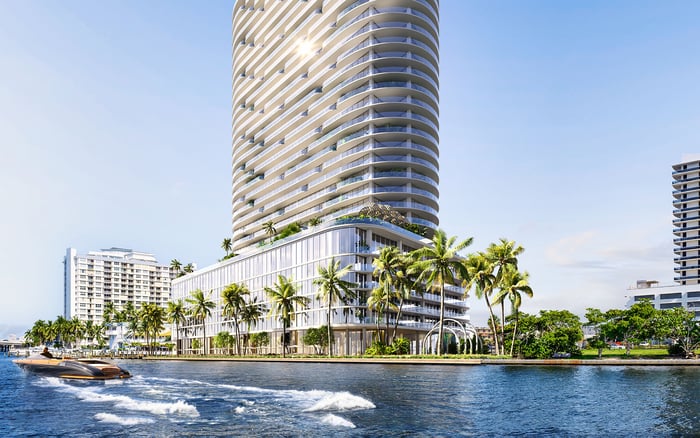
The waterfront development is located at 1755 79th Street Causeway. In April 2025, the tower was described as 32 stories with 198 residences and penthouses, while a separate advertised count was 236 residences. Buyers should reconcile that discrepancy against the latest offering documents rather than assume either figure establishes the final configuration.
The same discipline applies to operational details. Advertised amenities include a dog wash or spa, dog park, companions lounge, and dog-friendly waterfront promenade. These features describe an intended lifestyle; they do not establish finalized pet-relief routes, elevator protocols, or emergency assistance.
Ask for a marked plan showing the permitted route from every residential elevator bank to the designated pet-relief area. For your intended residence, trace that route through elevator lobbies, corridors, doors, and exterior entrances. Identify any segment that requires staff access, crosses a loading area, or becomes unavailable after hours.
The evidence checklist should include:
The precise relief-area location and confirmation that relief is permitted there.
Surface materials, drainage, waste stations, lighting, and cleaning procedures.
Access hours, entry credentials, and restrictions affecting particular pets.
The alternative route or arrangement when the primary area is closed.
Responsibility for maintenance, complaints, and reopening after a storm.
The advertised amenities do not establish these details. A dog-friendly waterfront promenade is neither a confirmed relief area nor permission for pets to use every segment.
For an owner with an older animal or a large dog, request a practical walkthrough when access is available. If it is not, ask for annotated plans and written answers tied to the proposed residence. The objective is to test the daily journey, not merely admire the destination.
A pet-friendly building can still have rules that materially affect an owner’s routine. A finalized elevator-specific pet policy covering leashes, carriers, carrying requirements, or mandatory service-elevator use has not been publicly established for Continuum.
Request the proposed or adopted rules in writing, with their status clearly identified. Ask whether dogs may stand on the elevator floor, whether carriers are required for certain animals, and whether size or weight changes the permitted elevator bank. If carrying is required, clarify how the rules apply to animals their owners cannot safely lift.
Then test the policy against ordinary disruptions. Does a service-elevator requirement change during maintenance, deliveries, or moving reservations? What happens when that elevator is unavailable? Who communicates restrictions, and what is the permitted alternative?
Do not borrow rules from another association. Requirements elsewhere to leash pets outside residences or hold them in elevators are not evidence of Continuum’s policy. Buyers comparing Shoma Bay North Bay Village should request a separate document set rather than presume neighborhood consistency.
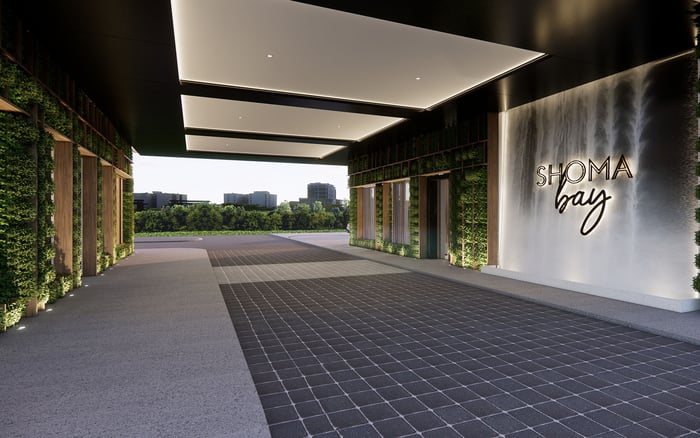
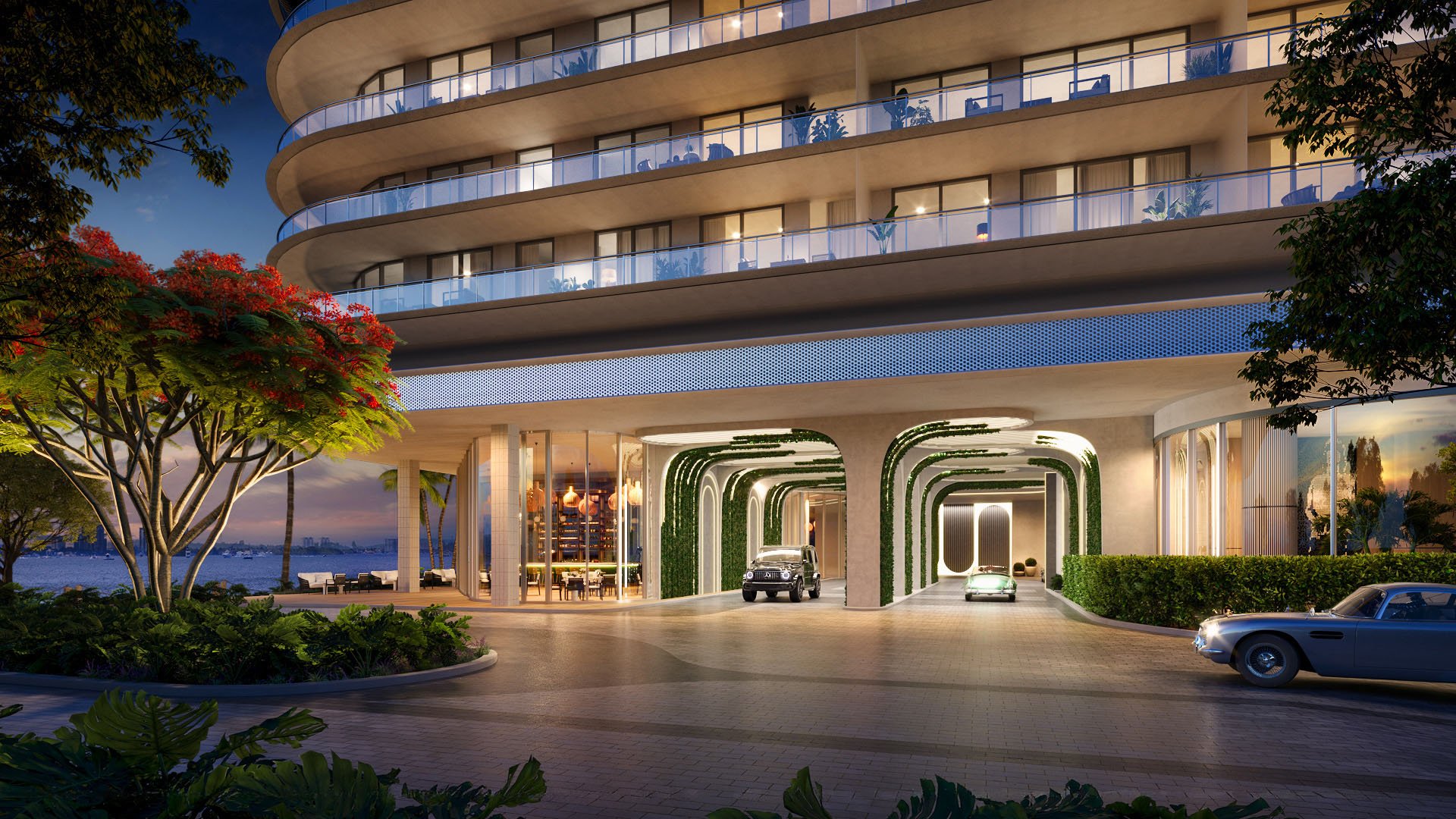
A valet-staffed porte cochere and a 24/7 staffed double-height lobby are advertised features. Neither establishes pet-handling responsibilities in elevators, loading areas, or emergencies.
Ask for a written responsibility schedule distinguishing concierge, security, valet, management, and owner duties. It should clarify whether assistance means making a call, opening an authorized route, coordinating access, or physically helping a resident and animal. These are distinct commitments.
If a service matters to the purchase decision, ask where it is recorded and whether it is included, discretionary, or subject to a separate arrangement. A staffed arrival experience is not a promise of pet transport, emergency boarding, or evacuation support.
Fire, hurricane, flood, and power loss should each have an identifiable procedure. Request building-specific plans showing stairwells, assembly points, protected evacuation routes, communication methods, and the party responsible for activating each protocol.
For elevators, obtain the final count and zoning, shutdown triggers, emergency-operation procedures, and generator coverage. These details have not been publicly established in the advertised offering. Generator coverage should specify which systems receive power and under what conditions; it is not assurance that passenger elevators will remain available.
Ask separately about entrapment procedures and assistance for residents who cannot readily use stairs. For pets, clarify whether any documented arrangements cover transport, crates, temporary boarding, or reunification. Do not assume such services exist because the building advertises a pet spa.
Residents should know their evacuation plan and consider safe sheltering locations, including lower-level options for high-rise residents. This general guidance does not constitute approval of a particular floor or room at Continuum. Building-specific instructions and first responders’ directions remain essential.
Request written protection measures and closure thresholds for garages, lobby entrances, pet areas, marina access, electrical rooms, and generators. Ask who decides when access closes, how residents are notified, and what alternative remains available.
A route that works on an ordinary morning may be unavailable during a storm. The buyer’s checklist should connect exterior closures to interior circulation and pet-relief arrangements, without assuming outdoor access will remain safe or permitted.
Prepare emergency supplies sufficient for each person and pet for three to seven days. Water, medicine, cash, and other essentials belong in that preparation. When sheltering in place, use an interior room away from windows and comply with first responders’ warnings and directions. These precautions do not establish building commitments to assisted evacuation.
Request the declaration, bylaws, house rules, pet addendum, relevant approved plans, and written responsibility assignments. For each document, record its date, version, approval status, and whether it governs now or describes a proposed arrangement.
Have counsel distinguish contractual amenities from proposals and identify who may amend policies after closing. Keep unresolved questions visible in the purchase review, particularly when an answer determines whether your household can use the building comfortably.
Apply the same standard when comparing Miami Beach alternatives such as Five Park Miami Beach. Compare documented operating conditions, not assumptions drawn from amenity names.
The decisive evidence is a coherent set of plans, rules, and assigned responsibilities addressing both everyday routines and exceptional conditions. A well-appointed pet amenity is attractive; a clearly documented way to reach it, use it, and manage its closure is more useful to ownership.
For a discreet perspective on South Florida residential choices, explore MILLION.
If branded residences are on your mind — as a home or as an allocation — we would be glad to share what we are seeing, privately.
Begin a quiet conversationThe waterfront condominium development is located at 1755 79th Street Causeway in North Bay Village.
Marketing identifies a dog wash or spa, dog park, companions lounge, and dog-friendly waterfront promenade. These descriptions do not establish final operating rules.
No confirmed relief designation is established by the publicly described amenities. Request written confirmation of permitted relief locations and accessible promenade segments.
It should identify permitted routes from residential elevator banks, entrances, waste stations, lighting, drainage, and access hours. Ask for cleaning responsibilities and alternatives during closures.
The publicly disclosed materials do not establish a finalized carrying requirement. Obtain the building’s written policy rather than applying another association’s rules.
Ask about carrying requirements, size restrictions, permitted elevator banks, and service-elevator use. Confirm what happens when the required elevator is unavailable.
No. Lobby and valet staffing descriptions do not establish commitments to pet transport, boarding, or staff-assisted evacuation.
Request building-specific fire, hurricane, flood, and power-loss plans, including stairwells, assembly points, elevator shutdown triggers, generator coverage, and assigned assistance responsibilities.
Village guidance recommends supplies sufficient for each person and pet for three to seven days. Preparation should include water, medicine, cash, and other essentials.
April 2025 construction descriptions identified 198 residences and penthouses, while another project description advertised 236 residences. Reconcile the difference against the latest offering documents.