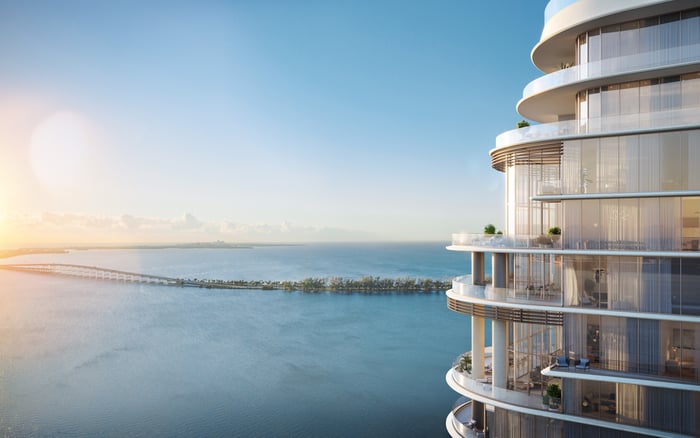
South Florida's new towers are redefining Penthouse living, but buying at the top of a building in the Pre-construction phase demands a carefully structured deal. This guide explains how sophisticated buyers in Miami-beach and Brickell vet developers, time their entry, negotiate deposits and incentives and lock customizations and protections into the contract so that the residence, the numbers and the risk profile all align with their broader lifestyle and investment strategy.
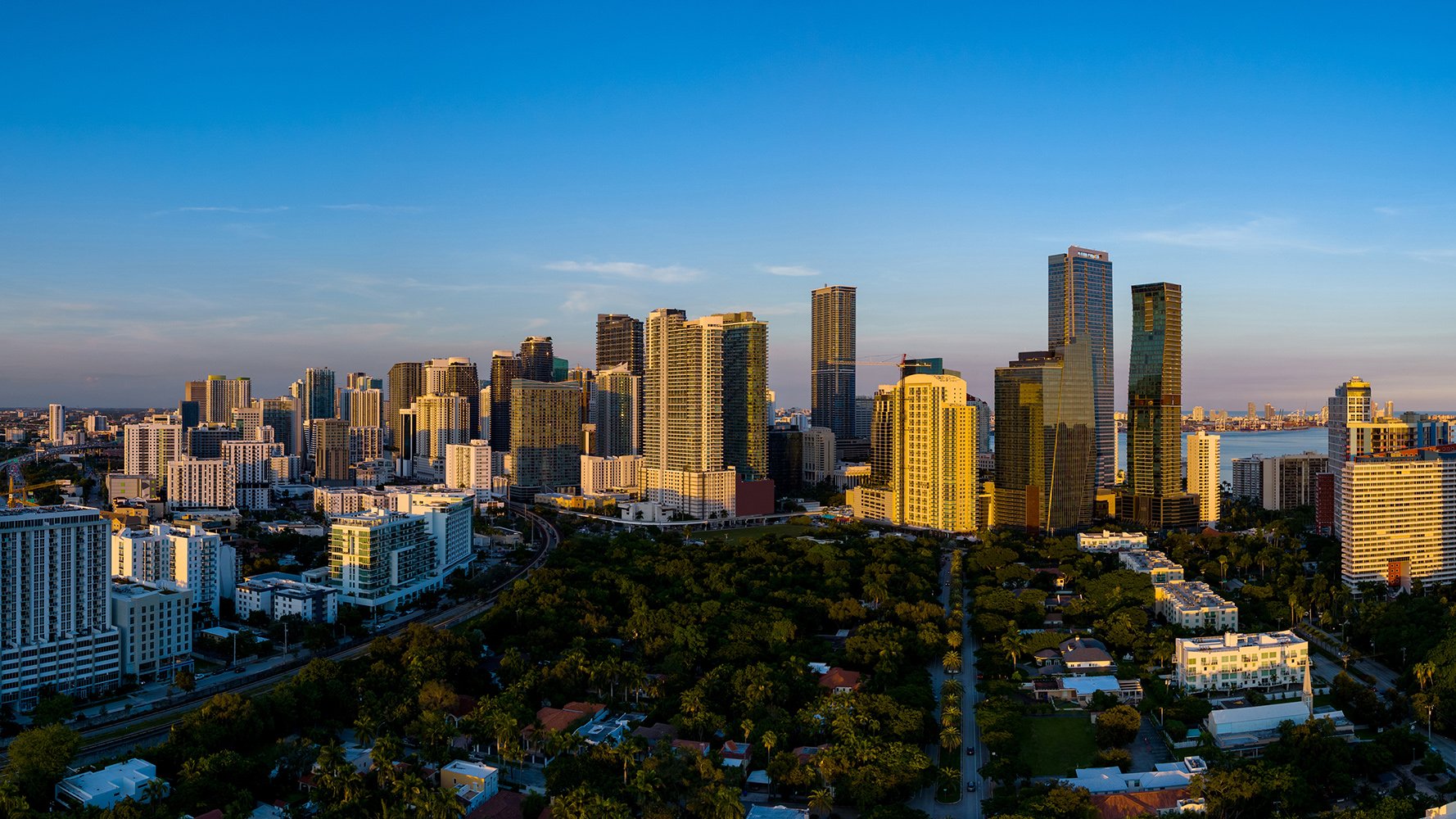
South Florida is experiencing a new era of glass towers and sky villas, where every Penthouse seems higher, larger and more bespoke than the last. Buying at the very top of a building, and doing so in the Pre-construction phase, is not only a lifestyle decision. It is a sophisticated financial and legal negotiation that must be structured with the same care you bring to your business deals. You are committing millions of dollars to a residence that does not yet exist, relying on the strength of a brand, a set of plans and the discipline of the developer.
From Miami-beach to Brickell, the buyers who secure the most compelling oceanview and Oceanfront penthouses are the ones who treat the process as a strategy, not a simple reservation form. They study the players, understand where the leverage sits at each stage of the sales cycle and design a contract that builds in flexibility, protection and upside. The goal is twofold: first, to secure the exact sky residence that fits your life, and second, to ensure the structure of the deal positions you to benefit from the building's evolution from blueprint to completion.
MILLION Luxury begins this conversation with a simple question: what role do you want this Penthouse to play in your portfolio and in your life. A primary residence in Brickell for daily city living, a weekend retreat on Fisher Island or an investment focused on long term appreciation will each dictate different structures, time horizons and exit options.
In the pre construction world, the name on the brochure matters, but the balance sheet and track record matter more. Before falling in love with a rendering of a rooftop pool, look hard at who is behind the project. Focus on developers who have delivered high rise buildings in South Florida through at least one full cycle, and who have handed over units on time, with solid construction quality and responsive post closing service.
Branded towers can provide an additional layer of comfort if the partnership is thoughtfully assembled. A project like Waldorf Astoria Residences Downtown Miami signals an international hotel flag, a consistent design language and elevated service standards. Ultra private enclaves such as Palazzo del Sol Fisher Island show what is possible when a developer collaborates with an island association to deliver a limited collection of Penthouse and full floor residences for a very specific clientele. Brand pedigree does not eliminate risk, but it often aligns the interests of the developer, operator and residents.
A structured approach to due diligence will usually include a background review of the development entity and its principals, a study of prior buildings they have completed and a conversation with experienced brokers who have walked those buildings after closing. Pay attention to litigation history, construction defect claims and how quickly punch list issues have been addressed in previous projects. Request clarity on where the project stands in terms of permits, construction contracts and capital stack. A well capitalized developer with a bank construction loan or substantial equity in place is in a better position to ride out normal market volatility without cutting corners.
Alongside financial strength, study the building program itself. How many units and how many Penthouse level formats will exist. How many elevators, valet bays and parking spaces will serve those homes. Are amenities such as pools, spas, restaurants and marinas sized for the number of residences, or will they feel overstretched at season peak. The objective is to confirm that the tower is not only visually iconic but operationally coherent for the way you expect to live.
Once you are comfortable with the team and the tower, the next lever is timing. Developers typically launch with a low profile reservation phase, followed by one or more formal contract releases and then a final close out. Each stage offers different advantages for a Penthouse buyer. Early in the cycle, when only a fraction of contracts are signed, pricing is usually at its most attractive and the selection of lines is widest. Serious early buyers often enjoy the ability to combine residences or reserve a unique corner home before it ever appears in public marketing.
The trade off is that early stage projects carry more unknowns, from final finishes to minor layout shifts. This is why aligning timing with risk tolerance is key. Some clients prefer to come in once the building is at a certain percentage sold or once a construction loan has closed, trading some price advantage for visibility and certainty. Others are comfortable reserving a Penthouse at the first whisper of sales in order to capture maximum future appreciation. There is no universal answer, only a need for timing that is consciously chosen rather than accidental.
Deposit structure is where much of the real negotiation happens. In Miami's new developments, a typical framework might total 40 to 50 percent of the purchase price paid in tranches before closing. For example, you could see 10 percent at reservation, another 10 percent at contract, additional deposits at ground breaking and top off, and the balance at delivery. In practice, these numbers are often flexible, particularly for early Penthouse buyers or for strong buyers in a slower sales period. A more buyer friendly structure might defer a portion of the deposits to later construction milestones, align deposits with liquidity events in your own planning or reduce the total pre closing capital you commit.
Equally important is how deposits are held. Florida law requires that a portion of deposits remain in escrow, and sophisticated buyers lean into that protection. Insist that your contract spell out which deposits are held in escrow, by whom and under what conditions funds may be released. For a significant Penthouse acquisition, it is common to see deposits held by a reputable title company or law firm with clear instructions about release triggers. The aim is simple: your cash should be working for you in other investments until the building is delivered, not sitting at risk in a developer's operating account.
On price, the most effective negotiations often avoid headline discounts. In the top of the market, developers are usually reluctant to cut list prices, especially for a showcase Penthouse that sets pricing for the rest of the building. A more elegant approach is to ask for value in the form of credits and upgrades. Closing credits that offset transfer taxes, title insurance or association contributions, additional deeded parking spaces or a contribution to a high specification flooring package can materially improve your net cost without disturbing the recorded price per square foot. For a financed purchase, that recorded price can be helpful when it is time to appraise and refinance.
One of the primary reasons to buy in the Pre-construction phase is the ability to shape the home around your life. At the very top of a building, developers understand that every Penthouse buyer arrives with a highly specific brief. Discuss structural and design flexibility early, ideally at the term sheet stage. Combining adjacent residences, creating a full floor Penthouse, adjusting bedroom counts or carving out staff quarters are all far easier to negotiate when the plans are still fluid.
Interior customization deserves the same careful attention. Standard finish packages in new developments are often attractive, but they are by definition designed for the median buyer. High level clients usually prefer to tailor stone, millwork, lighting and technology to their own aesthetic. That can mean re specifying kitchen layouts, integrating more robust smart home systems, enhancing acoustic insulation or designing a dedicated wellness space or office. The key is to convert high level promises into precise contract language so that the work is scheduled and priced with certainty.
Your contract is the final tool to balance vision and risk. Pre construction agreements in Florida can run to hundreds of pages, and they are written primarily to protect the developer. A dedicated real estate attorney who is independent from the project should review every clause, focusing on the developer's right to make changes, the outside date for completion, your remedies if delays occur and your ability to assign the contract to a family entity or trust. Pay particular attention to association budgets and rules, especially if you intend to keep pets, lease the Penthouse for part of the year or use it as a company retreat. The covenants recorded at closing will govern how you can actually live in the residence long after the sales office has closed.
As delivery approaches, coordination becomes as important as negotiation. Work with your advisory team and the developer's closing department to align final walk throughs, punch list inspections and funding. Many buyers choose to bring their designer, contractor or a professional inspector to the first walk through to identify any construction issues while the developer's trades are still on site. At the same time, your lender, if you are financing, will have its own conditions about building completion, certificate of occupancy and pre closing review. Planning those steps well in advance helps avoid last minute friction that could place your deposits at risk.
After closing, the relationship with the building really begins. Understanding warranty coverage, service protocols and the governance structure of the condominium association is essential. In towers that combine resort amenities with residential privacy, such as many of the large branded projects in Miami and Brickell, it is worth meeting the general manager and key staff early. For clients who want a broad overview of the most relevant projects, the Top Projects curation by MILLION Luxury offers a starting point for comparing locations, brands and amenity programs across the region.
What is the main advantage of buying a Penthouse in the Pre-construction phase in Miami and Brickell? The principal advantage is control. You can reserve the exact line and exposure you want, negotiate structural and design changes that would be impossible after the building is complete and lock in pricing at an early stage of the cycle. If the project performs well, that can translate into built in appreciation by the time you close.
How much should I expect to deposit on a pre construction Penthouse purchase? Deposit structures vary by project and market conditions, but it is common in Miami to see total deposits in the range of 40 to 50 percent of the purchase price paid before closing. For a serious, well qualified buyer there is often room to negotiate timing or percentages, especially at the very high end of the building.
Can I finance a pre construction Penthouse, or do developers expect all cash? Most developers are comfortable with financed buyers as long as the deposits are structured properly and your lender is experienced with condominium construction. It is wise to engage a bank early, confirm their requirements for new buildings and, if helpful, consider the developer's preferred lender, who is usually familiar with the project timeline and documentation.
What should I prioritize when comparing different Miami Penthouse options off plan? Beyond obvious factors such as views and square footage, prioritize the quality of the developer, the strength of the construction team, the design of the amenity program and the number of elevators and parking spaces per residence. For many buyers, association rules on leasing, pets and privacy are just as important as finishes when it comes to day to day enjoyment.
How can MILLION Luxury help me structure a better Penthouse deal in South Florida? MILLION Luxury works as a strategic advisor, not simply as a brokerage. The team helps you interpret each developer's history, negotiate timing, deposits and incentives around your goals and coordinate legal and financial advisors so that every part of the transaction aligns. To explore current opportunities or begin planning your next acquisition, visit MILLION Luxury for a confidential conversation.
If branded residences are on your mind — as a home or as an allocation — we would be glad to share what we are seeing, privately.
Begin a quiet conversation