Miami's 2026 pre construction cycle is defined by globally branded towers and highly structured contracts. This guide explains how staged deposits, assignment policies and Florida legal protections operate in the ultra luxury segment, using flagship projects in Brickell and Miami Beach as context. For MILLION Luxury buyers, understanding escrow, cancellation periods, delivery deadlines and association budgets is as important as selecting views, floor plans and finishes.
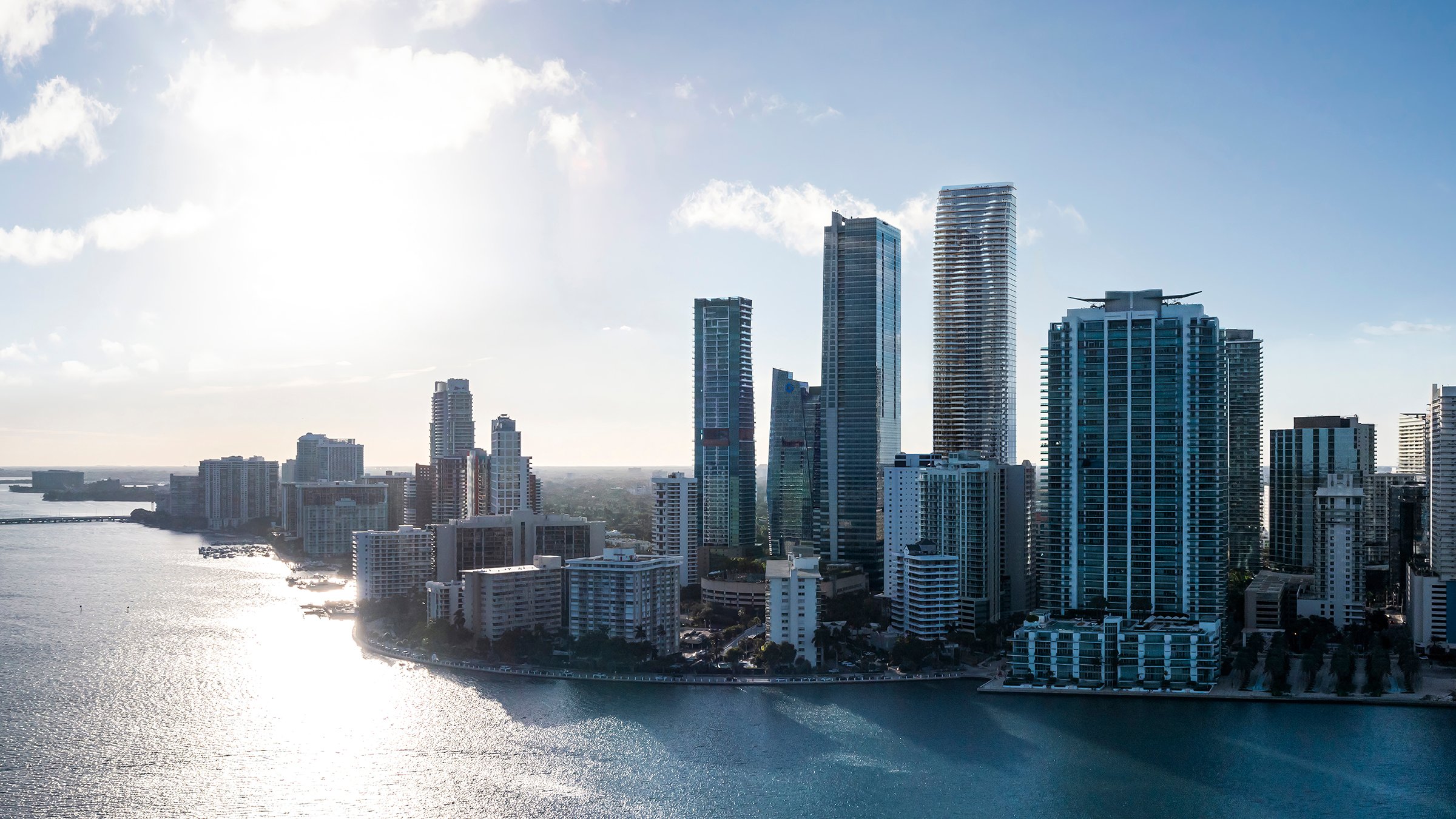
Miami's skyline is entering another defining chapter for 2025-2026, with a new generation of branded towers rising from Brickell to the beaches. Names such as Waldorf Astoria Residences Downtown Miami, St. Regis® Residences Brickell, The Perigon Miami Beach and The Residences at 1428 Brickell are setting the tone for how the most discerning buyers will live in the city over the next decade.
While architecture and amenities capture the headlines, the way you purchase in Pre-construction is just as distinctive. Reserving a residence in these buildings is not a simple resale style contract with one closing payment. It is a sequenced financial commitment, combined with highly structured rules on whether you can assign your contract and a robust framework of Florida buyer protections.
For the MILLION Luxury client, understanding these mechanics is not about learning fine print for its own sake. It is about controlling liquidity over a multi year construction timeline, preserving exit options if life or markets change and ensuring that every dollar you wire is protected by law as well as by the developer's reputation.
As you look at short lists that include addresses like Waldorf Astoria Residences Downtown Miami, St. Regis® Residences Brickell, The Residences at 1428 Brickell and The Perigon Miami Beach, it pays to view the contract as carefully as you view the model residence.
In a typical Miami resale transaction you might contribute around 20 percent at contract and pay the balance at closing a few weeks later. In Pre-construction, especially in the ultra luxury tier, deposits are staged across the life of the project. Total deposits commonly fall between 40 and 50 percent of the purchase price, spread between reservation, contract execution and key construction milestones.
Reserve early in a flagship tower such as Waldorf Astoria Residences Downtown Miami, St. Regis® Residences Brickell, The Residences at 1428 Brickell or The Perigon Miami Beach and you will almost certainly be offered a deposit calendar that looks familiar across these projects. A modest reservation payment holds your chosen line, then 10 to 20 percent is due at contract, followed by additional 10 percent installments at milestones such as groundbreaking, a specified floor count or structural top off, with the remaining balance due only at closing.
This structure is not arbitrary. Lenders often require developers to reach defined levels of pre sales and deposits before releasing construction financing. Staged deposits demonstrate real commitment from buyers, help fund early phases of land, permitting and construction costs and give the developer confidence that the building can be delivered on schedule.
For buyers, the same structure can be used strategically. Instead of wiring 40 or 50 percent of the purchase price on day one, you can align deposits with liquidity events, investment maturities or the sale of other assets. In a rising market, locking a residence at today's price while the building delivers over the next two to three years can also create a built in equity uplift by the time you close.
There are nuances within this model. Early buyers in a tower, or purchasers of larger residences and penthouses, are sometimes offered more tailored timelines or slightly different percentages. Foreign buyers, by contrast, are often asked for higher deposits, both to demonstrate commitment and to offset potential financing complexity at closing. Whatever the schedule, every detail will be spelled out in the purchase agreement, which should also specify the escrow agent that will hold your deposits and the conditions under which any portion might be refundable.
Consider a simple illustration. On a 5 million dollar residence with a 40 percent total deposit, you might see 10 percent at contract, 10 percent six to twelve months later at groundbreaking, another 10 percent at structural top off and a final 10 percent at a later milestone, leaving the remaining 60 percent for closing. Your 'wire calendar' is therefore spread over the construction period, which can run 24 to 48 months from groundbreaking to delivery. That is attractive for many buyers, but it still requires deliberate cash management over the life of the project.
The practical takeaway is that you should review the deposit schedule with the same care that you review the floor plan. Map each installment against expected cash flows, and be realistic about how you would handle unexpected opportunities or stresses that could arise while the building is still rising out of the ground.
One of the most frequent questions sophisticated buyers ask is whether they will be allowed to assign or resell their contract before closing. In previous cycles, quick flips of Pre-construction contracts were common in certain buildings. Today, especially in the highest priced towers, assignment policies are tightly controlled and often restrictive.
Whether your contract can be assigned at all is dictated by the purchase agreement. Some developments simply prohibit assignment, requiring you to close in your own name and then resell the residence on the open market if you wish to exit. Others permit a one time assignment subject to strict conditions. Those conditions typically include written approval from the developer, proof that you are current on all deposits and limitations on when in the construction timeline an assignment can occur.
Developers also seek to manage how an assignment is carried out. You may be required to process the transfer through the project's own sales team, with the new buyer fully vetted and approved. It is common for a fee or commission to be charged, often a percentage of the contract price, which effectively shares part of your profit with the developer and compensates their team for managing the transaction. The contract may also restrict any public marketing of your position so that you are not competing with the developer's remaining inventory.
From a financial perspective, an assignment usually involves the new buyer reimbursing you for all deposits paid to date and assuming your remaining obligations under the contract. Depending on how the transaction is structured, Florida documentary stamp tax and potential capital gains or income tax can apply to your profit, even though you never take title to the property itself. This is one of the reasons why a Pre-construction exit strategy should be reviewed with both a real estate attorney and a tax advisor before you commit to the purchase.
It is possible to use assignment rights to your advantage, particularly if you buy very early in a cycle and the market strengthens sharply. However, the key is to approach any 2026 Pre-construction opportunity with the expectation that your deposits are committed through closing unless you have negotiated and documented a clear, developer approved path to assign. The flexibility to assign can be valuable, but it is seldom frictionless, and there will almost always be costs and conditions attached.
Given the scale of investment at stake, Florida has developed one of the most robust legal frameworks for condominium Pre-construction in the United States. The result is a combination of statutory protections and market practices that give serious buyers significant comfort when wiring large deposits into a project.
At the center of that framework is escrow. Under Florida condominium law, deposits up to 10 percent of the purchase price are required to be held in a separate escrow account with a bank, title company or law firm, and not released to the developer until substantial completion or closing. Amounts above 10 percent are also held in escrow by default. Developers can request the right to use those additional funds for actual construction costs once work has begun, but only if the contract contains clear language that you acknowledge when signing.
If a developer fails to follow the escrow rules, the contract can often be voided by the buyer and all deposits returned, with interest. Willful violations are treated seriously under state law, so established Miami developers are meticulous in their escrow practices. As a buyer, you should still confirm who the escrow agent is, how your funds will be handled and whether any portion beyond the initial 10 percent may be withdrawn for construction.
Another powerful protection is the statutory cancellation period. Once you sign a binding contract and receive the full condominium offering package, Florida law gives you 15 days to review the documents and cancel for any reason while receiving a full refund of your deposit. This is your no pressure period to study the declaration, the budget, the association rules and all disclosures with your advisor team. If anything does not align with what you were promised, you can walk away within that window.
Contracts also address timing and delivery risk. To give buyers clarity and to avoid running afoul of federal regulations, many developers commit to delivering your residence within a defined period, often around two years, subject to force majeure events such as hurricanes or supply chain disruptions. If the building is not substantially complete by that outside date, and any contractually permissible extensions have been exhausted, you may have the right to cancel and recover your deposits. The exact language varies, so it is essential that your attorney walk you through the delay and default provisions of each project you consider.
Protection does not end at closing. You are typically granted the right to a detailed pre closing walk through, during which you and your representative compile a punch list of items to be corrected. Reputable developers treat this process seriously and maintain dedicated customer service teams to resolve warranted issues after move in. New construction is also supported by a layered system of warranties, from manufacturers' warranties on appliances and equipment to developer and statutory warranties on the building structure itself.
In the wake of the Surfside tragedy, Florida has also tightened long term safety and reserve requirements for condominiums, including mandatory building milestone inspections and the funding of reserves for structural components. New towers delivering in 2026 will operate under these rules from day one. That means association budgets are being prepared with a more realistic view of future maintenance and repair costs, which can make monthly fees appear higher than in past cycles but significantly reduces the risk of unexpected special assessments later.
Finally, transparency on operating costs is a form of buyer protection in itself. The developer's projected first year budget outlines expected staffing, maintenance and amenity expenses as well as the level of reserves to be funded. Reviewing that budget with a critical eye, and even having it evaluated by a property management professional, can give you a clear sense of whether the lifestyle being marketed is financially sustainable.
For the right buyer profile, the combination of carefully structured deposits, clear assignment rules and strong Florida buyer protections makes the 2026 Pre-construction landscape in Brickell and along the coast an opportunity that can be approached with confidence rather than caution.
What is a typical deposit schedule for a 2026 Miami Pre-construction condo?
Most ultra luxury towers ask for a total deposit between 40 and 50 percent of the purchase price, spread across reservation, contract signing, groundbreaking, structural milestones such as top off and sometimes a later pre closing installment, with the remaining balance due at closing.
Can I negotiate the deposit structure on a flagship project?
Developers often keep the standard deposit schedule consistent across most buyers, but early purchasers, larger residences and certain repeat clients may be able to secure modest adjustments in timing or percentage. Any variation must be documented in the contract and approved by the developer.
When can I assign my Pre-construction contract in Miami?
Assignment is entirely contract dependent. Some buildings do not allow it at all. Others permit a one time assignment only after specific sales or construction milestones, subject to developer approval and usually an assignment fee. You should assume your deposits are committed through closing unless a clear right to assign is written into the agreement.
What protections do I have if the project is delayed or canceled?
Florida escrow rules safeguard deposits and many contracts include outside delivery dates, after which buyers may have cancellation rights if the building is not substantially complete. The specifics differ by project, so your attorney should review both the escrow provisions and the delay clauses before you sign.
What is the best way to evaluate a specific Miami Pre-construction opportunity?
Look at the developer's track record, the exact deposit and assignment language, the strength of the brand, the association budget and reserves and how the residence fits your broader balance sheet and lifestyle. A dedicated advisor at MILLION Luxury can help align the right project and structure with your objectives.
If branded residences are on your mind — as a home or as an allocation — we would be glad to share what we are seeing, privately.
Begin a quiet conversation