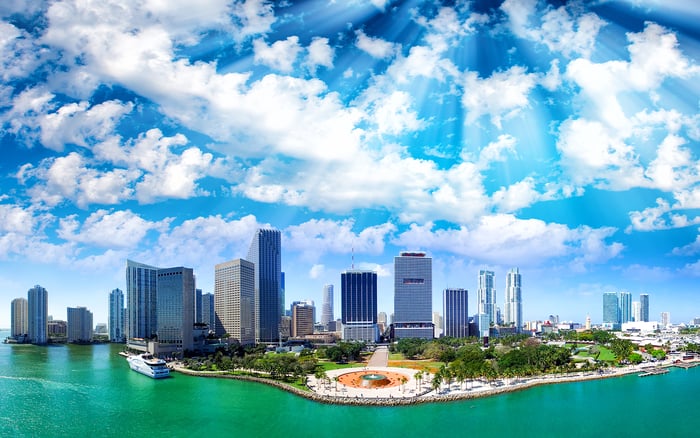
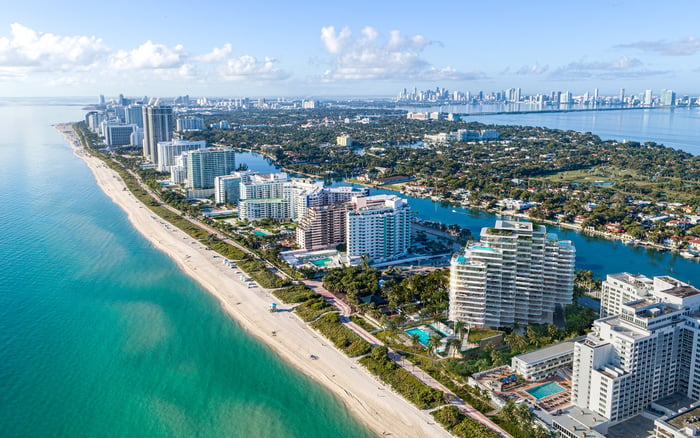
As 2026 approaches, Miami’s ultra luxury skyline is being redrawn by a concentrated wave of new construction, from supertall downtown towers to low-density beachfront and private island enclaves. Branded residences, resort-caliber amenities and increasingly sustainable design are reshaping how affluent buyers choose to live in the city. This editorial outlook surveys flagship developments across Brickell, Downtown, Miami Beach and Sunny Isles Beach, explaining how limited waterfront land, global buyer demand and an amenity arms race are defining values at the very top of Miami’s condominium market.
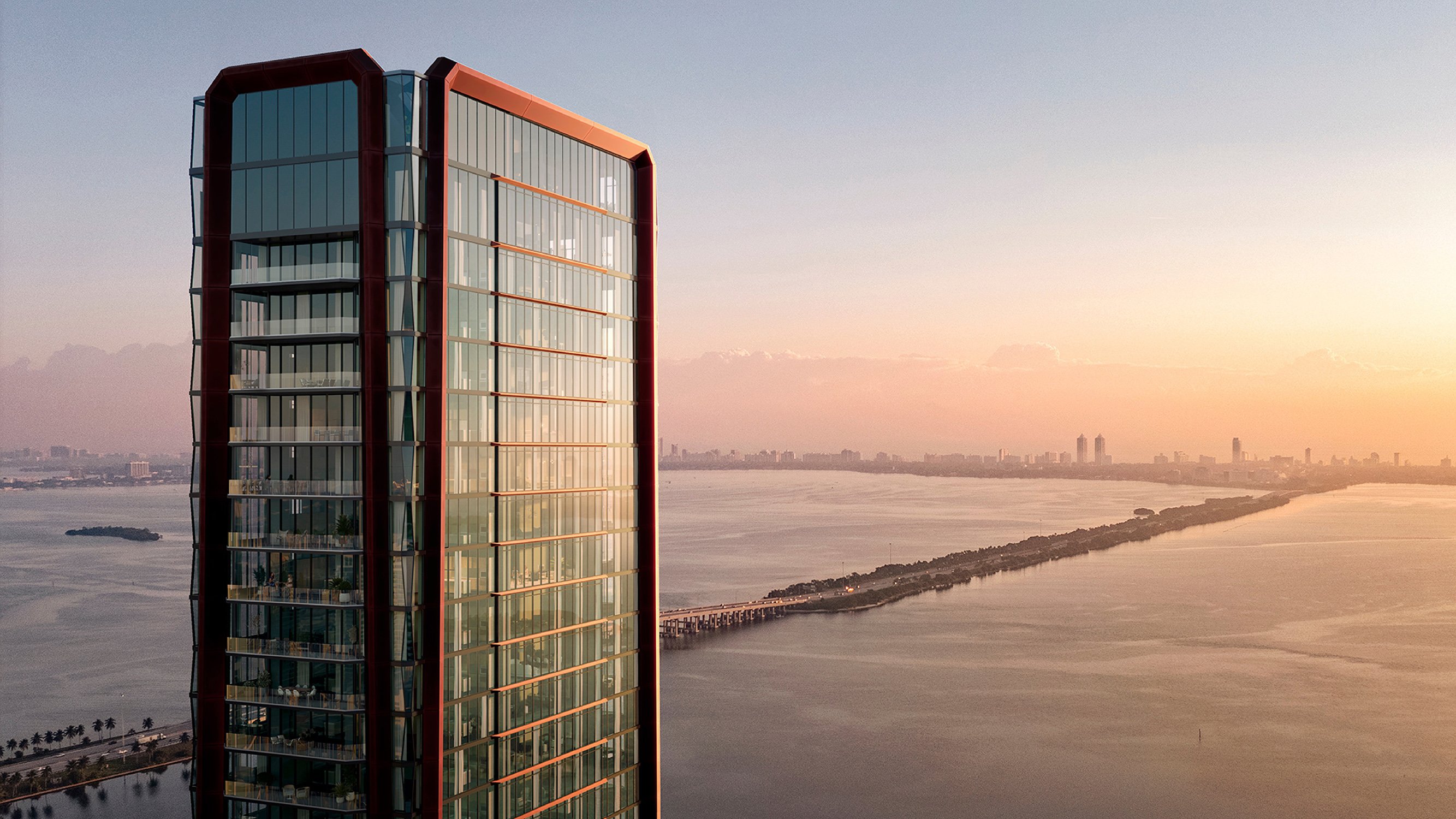
As 2026 approaches, Miami has fully evolved from a sunny escape into a calibrated global capital for ultra luxury property. From Downtown to Sunny Isles Beach, a tightly curated set of new construction towers is reshaping both the skyline and the expectations of affluent buyers. These are not simply condominiums; they are vertical estates and private clubs in the sky, deliberately designed to compete with the most coveted homes in New York, London or Dubai while still leaning into Miami’s particular blend of light, water and lifestyle.
At the top of the market, price is no longer the primary differentiator. Buyers are evaluating architecture, privacy, service culture and lifestyle programming with the same rigor they once reserved for a private yacht or family office. That shift explains why so many of Miami’s leading developments are low-density, branded and highly amenitized, with a focus on primary and seasonal residences rather than speculative inventory. The city’s ultra luxury pipeline heading into 2026 is defined by three themes: skyline icons in Downtown and Brickell, rare waterfront and island enclaves, and an escalating amenity and service arms race.
For those watching the market from afar, it is useful to think of Miami as a collection of micro-markets rather than a single monolithic destination. Ultra luxury demand expresses itself differently in Brickell’s financial core than it does on Fisher Island or in Bal Harbour. Yet across all of these neighborhoods, one constant remains: new construction at the very top is scarce, intentionally low volume and heavily pre-sold, creating a resilient tier of product that behaves differently from the broader condominium market.
Nowhere is Miami’s ambition more visible than in its new generation of skyline-defining towers. The clearest statement is the supertall Waldorf Astoria Residences Downtown Miami, rising at roughly 1,049 feet in a composition of nine stacked glass cubes. Once complete, it is expected to be the tallest residential building south of New York City, with panoramic views that sweep from Biscayne Bay to the Atlantic and deep into the urban grid. Inside, the residential experience borrows from the Waldorf Astoria’s hotel heritage: owners-only sky lounges, a separate pool deck, signature dining and a rooftop sports and leisure level that turns high-altitude living into a daily ritual rather than an occasional treat.
This vertical ambition is echoed all along the Brickell corridor. The district’s evolution from regional banking hub to global lifestyle address is underscored by projects such as 888 Brickell by Dolce & Gabbana, Cipriani Residences Brickell and The Residences at 1428 Brickell. The latter is widely discussed among design-conscious buyers for its integrated solar façade and large-format, family-forward floor plans, positioning it as a prototype for sustainable, primary-home living in a vertical format. Cipriani’s tower, by contrast, leans into hospitality heritage, with private dining, hotel-style services and around-the-clock in-residence catering that effectively transport the experience of a members’ club into a Brickell residence.
Recent completions set the benchmark that new projects now aim to exceed. Aston Martin Residences Downtown Miami has demonstrated the depth of demand for branded waterfront-adjacent living in the urban core, pairing a full-service marina with a tower profile that has become instantly recognizable on the skyline. Nearby, large-scale developments like Aria Reserve Miami show how twin-tower concepts can maximize bay views while delivering resort-style amenity decks on oversized podiums. Collectively, these skyline icons signal that for a certain buyer profile, the energy and connectivity of Downtown and Brickell are now just as desirable as a strictly beachfront address.
Despite the rise of inland icons, waterfront remains Miami’s most coveted currency. On the Atlantic side, The Perigon Miami Beach crystallizes what ultra luxury beachfront living looks like as we move into 2026. The Mid-Beach site is intentionally low-density, with a limited collection of large residences elevated above the dune line to maximize ocean and bay vistas. Architecture favors sculpted, shifting volumes that capture multiple view corridors, while interiors are calibrated just as much for quiet, year-round living as for seasonal escapes. Residents step from private elevators into homes that feel closer to bespoke villas than to traditional apartments, supported by amenities that mirror an intimate five star resort.
Further north, a rare tranche of new oceanfront inventory is clustering along Bal Harbour and Sunny Isles Beach. Rivage Bal Harbour positions itself as a low-key, design-forward alternative to the existing luxury stock in the village, with deep terraces, a limited number of residences per floor and spa and wellness facilities that rival boutique hotels. In Sunny Isles Beach, the coastline continues its reinvention through projects like The Ritz-Carlton Residences® Sunny Isles and Bentley Residences Sunny Isles. The latter pairs an automotive-inspired cylindrical form with a patented sky garage, allowing owners to deliver their cars directly to private in-residence showrooms beside plunge pools and outdoor living rooms on expansive terraces.
For buyers who value privacy above all else, Miami’s private islands remain the apex. The Residences at Six Fisher Island is widely regarded as the final significant development opportunity on Fisher Island, with a tightly curated collection of estate-scale residences set on one of the most privileged waterfront parcels in the country. Arrival is by private ferry or yacht, and ownership is expected to be paired with membership in the island’s club, ensuring access to golf, beach, tennis and a network of resort amenities that sit outside the front door of each residence. Here, the appeal is not only square footage or finishes, but the combination of seclusion, security and proximity to the cultural and dining scenes of nearby Miami Beach and Downtown.
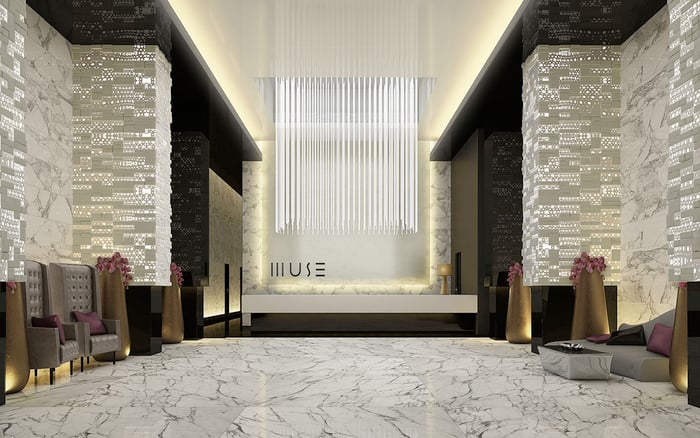
At the heart of Miami’s ultra luxury new construction story is the rise of branded residences and the quality of daily life they deliver. St. Regis® Residences Brickell translates the brand’s hotel rituals into a purely residential format, with anticipated services that include dedicated butlers, house cars, curated dining and a significant allocation of space to wellness, spa and private club areas. On the oceanfront, its sibling project in Sunny Isles mirrors that formula with a more resort-inflected take, while developments such as Bentley Residences Sunny Isles and The Perigon Miami Beach show how automotive, fashion and design brands are using architecture and interiors to give physical expression to their identities.
Amenity programming has become an arms race in its own right. Rooftop and podium levels now commonly feature multiple pools, dedicated children’s and teen spaces, pet parks, golf simulators, screening rooms, co-working suites and wine salons. In parallel, there is a marked emphasis on wellness: residents expect full spa circuits with treatment rooms, hammams, saunas and recovery zones, as well as natural light in fitness centers and generous outdoor space for yoga, meditation and casual dining. Sustainability is beginning to influence decisions at the top end too. The Residences at 1428 Brickell stands out for integrating a vertical span of photovoltaic panels into its façade, a rare example of tech-forward environmental thinking in a luxury tower.
From a market perspective, these developments share several traits that will matter as 2026 unfolds. First, most ultra luxury projects limit their residential count, often to fewer than 100 to 150 homes, which naturally constrains resale supply once buildings are delivered. Second, many buyers are relocating primary or co-primary residences to Miami rather than simply acquiring pieds-à-terre, which tends to stabilize communities and support premiums for well-run associations. Finally, the existence of strong, brand-backed management teams gives buyers greater confidence that operations, staffing and capital improvements will be handled at an institutional level, a critical differentiator when choosing between older stock and the newest generation of buildings.
What price point defines Miami’s ultra luxury new construction segment in 2026?
Definitions vary by submarket, but in practice the ultra luxury tier in Miami’s new construction condominiums generally starts in the low seven figures for smaller, non-waterfront residences and climbs rapidly into the eight figures for large, direct-oceanfront or private island homes. Trophy penthouses, prime lines in buildings such as Waldorf Astoria Residences Downtown Miami or The Residences at Six Fisher Island can sit comfortably well above that, reflecting global demand for truly irreplaceable inventory.
How scarce is true beachfront and island inventory at the very top of the market?
Genuinely prime oceanfront parcels are finite, and most have now been spoken for by a handful of flagship projects. Buildings like The Perigon Miami Beach, Rivage Bal Harbour and Bentley Residences Sunny Isles are intentionally low-density, with a limited number of large-format homes. On Fisher Island, The Residences at Six Fisher Island is widely seen as the last major opportunity of its kind, which is why committed buyers tend to move early during the development cycle.
Which neighborhoods should buyers focus on for branded residences and five star services?
Downtown and Brickell are now the epicenter for skyline-defining branded towers, led by addresses such as Waldorf Astoria Residences Downtown Miami, St. Regis® Residences Brickell, Cipriani Residences Brickell and The Residences at 1428 Brickell. On the coast, Miami Beach, Bal Harbour, Sunny Isles Beach and Fisher Island concentrate the most exclusive branded and resort-style options, appealing to buyers who prioritize direct beach access, private marinas and a quieter, more residential atmosphere.
Are the newest towers better suited to primary homes or to seasonal use and investment?
The most successful projects have been designed to function comfortably as primary residences, with large kitchens, generous storage, flexible family rooms and thoughtful back-of-house spaces that support daily living. At the same time, their locations, finishes and amenity suites make them attractive as seasonal homes and long-term wealth-preservation assets, particularly for buyers seeking diversification out of other global cities. Selecting between projects is ultimately a question of matching lifestyle, service culture and neighborhood context, which is where specialist guidance becomes invaluable; for a confidential, curated overview of opportunities across Miami’s ultra luxury new construction landscape, connect with MILLION Luxury.
If branded residences are on your mind — as a home or as an allocation — we would be glad to share what we are seeing, privately.
Begin a quiet conversation