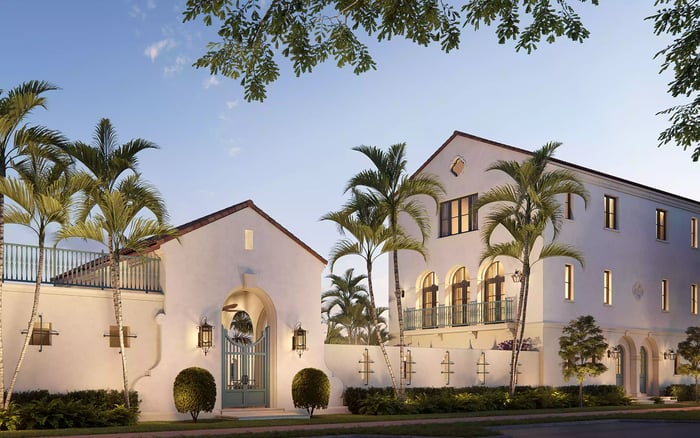
A buyer-focused guide to using the inspection contingency at Ponce Park Coral Gables as a disciplined due-diligence framework covering the residence, building systems, association records, insurance, reserves, and contract remedies.

For buyers considering Ponce Park Coral Gables, the inspection contingency should be treated as a strategic due-diligence tool, not a routine clause buried in the contract. In South Florida luxury real estate, the visible beauty of a residence is only one layer of the acquisition decision. The more disciplined question is whether the contract gives the buyer enough time, access, and leverage to understand what they are truly acquiring.
That means looking beyond flooring, millwork, appliances, and staging. A strong inspection plan should account for the private residence, shared building systems, association governance, financial reserves, insurance posture, and any known building issues. The goal is not to make a purchase adversarial. It is to make it informed.
For a Coral Gables buyer, the inspection period should be aligned with local realities: humidity, heavy rain, tropical storms, insurance pressures, and the long-term effects of water exposure on buildings. This is especially important in boutique condominium, townhouse, new-construction, and resale scenarios, where the risk profile can vary significantly from one property to another.
Even the most elegant inspection strategy can fail if the timeline is too compressed. Buyers should ask whether the inspection period is long enough to evaluate the residence, obtain specialist input, review association documents, assess insurance and reserve information, and consult legal counsel before the deadline expires.
A short inspection window may be acceptable only when the buyer already has the right professionals scheduled and the seller or association can promptly deliver documents. Otherwise, the buyer may be forced to make a major decision with incomplete information. In a high-value purchase, that is not efficiency. It is risk transfer.
Timing should be coordinated before the offer is signed. The buyer’s broker, attorney, inspector, and, when appropriate, engineer should understand the contract deadlines. If access to roof areas, mechanical rooms, terraces, balconies, or common systems is needed, that access should be requested early.
The residence itself deserves a thorough inspection. Buyers should ask whether the inspector will evaluate HVAC performance, electrical systems, plumbing, windows, doors, appliances, balconies, terraces, and any private outdoor areas. In South Florida, HVAC is not merely a comfort feature. It is part of moisture management, indoor air quality, and long-term livability.
Water intrusion deserves particular attention. South Florida humidity, seasonal downpours, tropical storms, and long-term exposure can make waterproofing and drainage more important than many buyers initially realize. A freshly painted wall, newly installed flooring, or beautifully staged terrace can obscure prior moisture history.
Luxury buyers should also avoid treating high-end finishes as a proxy for building health. Fine materials can coexist with aging mechanical systems, hidden leaks, deficient waterproofing, or unresolved association-level obligations. A sophisticated inspection looks beneath the aesthetic layer.
For condominium or townhome purchases near Ponce Park, inspection strategy should extend to the building envelope, roof, waterproofing, drainage, storm-resilience features, and shared systems. This is where the buyer’s diligence moves from the private interior to the collective structure.
In boutique buildings, a single major shared-system issue can affect owners through repairs, reserves, special assessments, or disruption. The smaller the ownership base, the more concentrated the financial impact may feel if a significant capital project is needed. Buyers should therefore ask not only, “Is this unit in good condition?” but also, “What obligations could ownership in this building carry?”
Post-Surfside structural-safety concerns have made building-wide engineering review especially important for South Florida condominium buyers. That does not mean every building has a problem. It means buyers should be deliberate about understanding structure, maintenance, documentation, and any planned work before closing.
The inspection contingency should not be limited to the physical walkthrough. Buyers should ask for association budgets, reserve information, meeting minutes, pending litigation, insurance details, and records of planned capital projects. These materials help reveal whether the association is proactively managed, financially prepared, and transparent about known issues.
A beautiful residence inside a financially strained association can carry a very different ownership profile from a similar residence in a well-prepared building. Reserves, insurance costs, deferred maintenance, and upcoming projects can all influence the buyer’s true cost of ownership.
The key is ensuring the contract timeline allows document review before the buyer’s cancellation or remedy rights expire. If documents arrive late, the buyer should speak with counsel about whether the contract provides enough protection to evaluate them properly.
Buyers should ask what the contract permits if inspection findings are unacceptable. Can the buyer cancel? Request repairs? Seek a credit? Renegotiate the price? Require documentation from the seller or association? The answer depends on the contract structure, which is why the question should be discussed before the inspection period begins.
This is particularly important for international and out-of-state buyers who may be less familiar with Coral Gables, South Florida climate issues, insurance pressures, and association governance. Local inspectors, engineers, attorneys, and brokers can help translate findings into practical risk, not just technical language.
The strongest inspection-contingency strategy aligns contract deadlines with inspector availability, document-review timelines, engineer input, and negotiation leverage. It also resists the temptation to waive or sharply shorten protections simply to make an offer appear cleaner. In luxury real estate, certainty is valuable, but only when it is earned.
What should Ponce Park Coral Gables buyers ask first about inspection contingency strategy? Ask whether the inspection period is long enough to review the unit, building systems, association records, reserves, insurance, and known issues.
Is an in-unit inspection enough for a condominium buyer? No. Buyers should pair the in-unit inspection with building-wide, association, financial, legal, and, when appropriate, engineering review.
Why is moisture intrusion such a major issue in South Florida? Humidity, heavy rain, tropical storms, and long-term water exposure can make waterproofing, drainage, windows, doors, terraces, and balconies critical.
Should buyers review association budgets and reserves? Yes. Budgets and reserves help buyers understand whether the association may be prepared for maintenance, repairs, insurance costs, and capital projects.
What building items deserve attention near Ponce Park? Buyers should ask about the roof, building envelope, drainage, waterproofing, storm-resilience features, and shared mechanical or structural systems.
Can luxury finishes hide inspection concerns? Yes. High-end interiors can mask moisture, mechanical, building, or association risks that may only emerge through disciplined due diligence.
Why are boutique condominium buildings different? In a smaller ownership structure, one significant shared-system issue may have a material effect through repairs, reserves, or special assessments.
Should out-of-state buyers use local professionals? Yes. Local counsel, inspectors, and engineers can better assess Coral Gables conditions, climate exposure, insurance pressures, and association practices.
Is it risky to waive the inspection contingency? It can be. Waiving or sharply shortening the contingency may transfer unknown repair, building, association, or financial risks to the buyer after closing.
What should the buyer know about remedies? The buyer should understand whether the contract allows cancellation, repair requests, credits, price renegotiation, or other responses to unacceptable findings.
When you're ready to tour or underwrite the options, connect with MILLION.
If branded residences are on your mind — as a home or as an allocation — we would be glad to share what we are seeing, privately.
Begin a quiet conversation