A discreet look at why full-floor privacy is becoming a defining question for South Florida luxury buyers in 2026, from arrival sequences to terraces, service separation, and long-term livability.
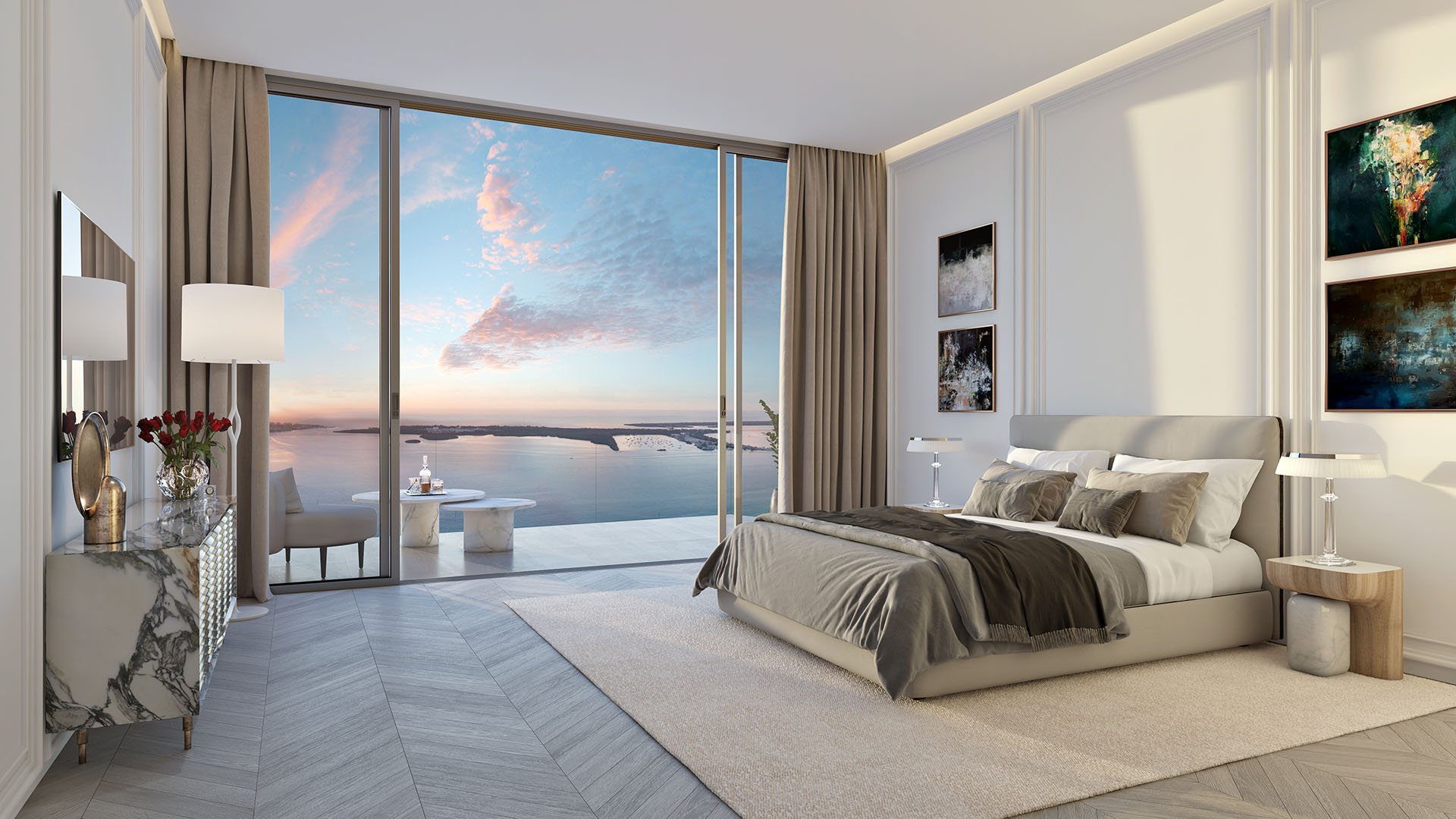
For the South Florida luxury buyer, full-floor privacy has always carried a certain mythology: elevator doors opening directly into a residence, terraces wrapping the horizon, and the sense that the outside world has been edited down to water, sky, and architecture. In 2026, however, the question behind full-floor living is becoming more practical, more demanding, and more personal.
The buyer is no longer asking only whether a residence occupies an entire floor. The sharper question is whether the home lives like a private estate in the sky. That distinction matters. A full-floor plan can read impressively on paper, yet still feel exposed if arrivals are visible, service movements are awkward, bedroom wings lack separation, or neighboring towers interrupt the intended sense of retreat.
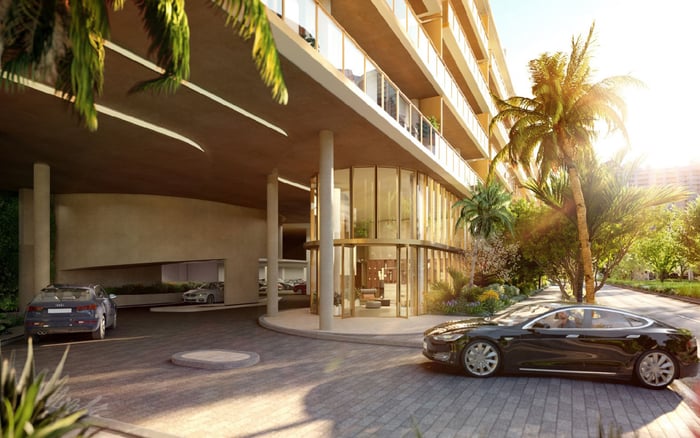
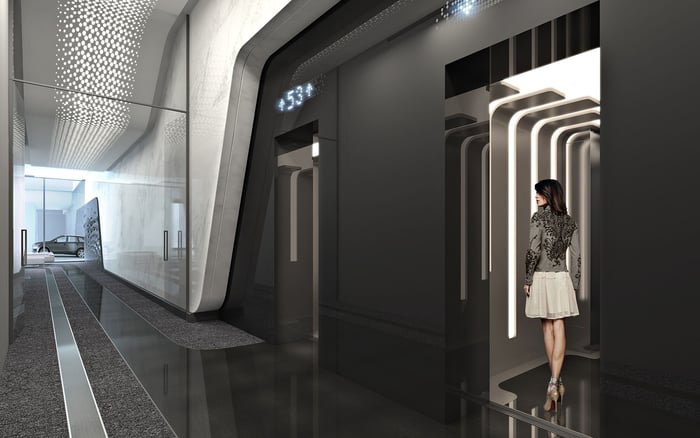
This is where the 2026 conversation becomes more sophisticated. Privacy is being evaluated as a sequence, not a slogan. It begins at the porte cochere, continues through the lobby and elevator, and is either preserved or weakened the moment the doors open. The most compelling residences do not simply offer space. They control transition.
Full-floor privacy is often reduced to exclusivity, but serious buyers tend to dissect it in layers. The first layer is access. Is there a private elevator? Is there a service elevator? Can household staff, deliveries, and guests move without crossing the most intimate parts of the home? These questions are not about formality. They are about ease.
The second layer is visual privacy. Floor-to-ceiling glass is part of the South Florida dream, but glass also requires discipline. A residence may have extraordinary water-view orientation and still require careful analysis of exposure from neighboring buildings, amenity decks, and nearby high-rises. The finest plans frame the view without making the owner feel framed by it.
The third layer is acoustic privacy. Wide terraces, open entertaining rooms, and resort-style amenities can be assets, yet buyers increasingly consider how sound travels through elevator cores, corridors, mechanical areas, and outdoor spaces. Quiet has become a form of luxury that cannot be fully staged in a sales gallery.
Finally, there is lifestyle privacy. A buyer may want to host 30 guests at sunset and still preserve a tranquil family wing. They may want a wellness room, office, or secondary sitting area that remains entirely removed from the social zone. The question is not whether the residence is large. It is whether the plan allows parallel lives to unfold without collision.
In South Florida, the ultra-premium buyer is often choosing among a waterfront single-family home, a penthouse, and a full-floor condominium residence. Each carries its own privacy proposition. A gated house may provide land and separation. A high-rise residence may provide security, services, vertical views, and the ability to leave without the same maintenance burden.
The calculus is changing because buyers are treating condominium privacy with the same seriousness once reserved for estate compounds. They are asking where the children’s rooms sit in relation to the primary suite. They are asking whether a home office can receive a visitor without exposing the family’s daily life. They are asking whether a chef, nanny, trainer, or house manager can operate discreetly.
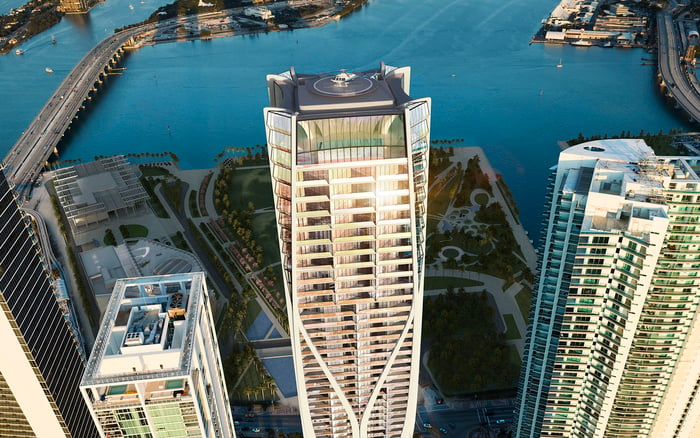
This is especially relevant in areas where density and prestige meet. Brickell offers vertical energy and convenience, but full-floor privacy there depends on how intelligently a residence separates arrival from spectacle. Edgewater can deliver dramatic bay exposure, yet buyers must study sightlines, tower spacing, and the relationship between living rooms and terraces. Downtown may appeal to owners who want cultural proximity, but the most private residences must still soften the surrounding urban tempo.
Even in quieter enclaves, privacy cannot be assumed. Aventura, Broward waterfront markets, and coastal pockets all require the same close reading: approach, core, view corridor, amenity placement, and how the residence feels at different times of day.
In the past, many buyers were satisfied by a private elevator opening into a dramatic foyer. Today, that is only the beginning. The better question is what happens before and after that moment.
A strong arrival sequence should feel controlled without feeling theatrical. The lobby should not create unnecessary friction. The elevator ride should feel protected. The opening moment should offer orientation, not exposure. Ideally, the first view is composed, whether it is water, skyline, garden, or art wall. The home should reveal itself with intention.
For the most private buyers, the service sequence is equally important. Deliveries, catering, housekeeping, and maintenance should have logical paths that do not disturb the principal rooms. This is not about hiding the function of a home. It is about respecting the rhythms of a household that may be hosting, working, resting, and traveling within the same week.
The best full-floor residences behave almost like private clubs. They know when to be grand and when to disappear.
South Florida buyers love terraces for obvious reasons. A balcony in this market can be a morning room, dining pavilion, meditation deck, and viewing platform in one. Yet outdoor space is only as valuable as its usability. A terrace that feels overlooked may become decorative rather than lived in.
This is why corner conditions and setbacks matter. A full-floor residence should be evaluated not just by the amount of outdoor square footage, but by the privacy of that outdoor square footage. Can one dine outside without feeling observed? Is the primary terrace separated from guest-facing entertaining areas? Are bedroom terraces too close to social spaces? Does the pool deck below create energy or intrusion?
Flow-through residences remain compelling because they can separate sunrise and sunset experiences, cross-breezes, and formal versus informal rooms. But flow-through planning alone does not guarantee privacy. The plan must still manage how one moves from elevator to living room, from kitchen to terrace, from family wing to guest suite.
There is a useful tension in the market between boutique residences and larger full-service towers. Boutique buildings can feel more personal, with fewer neighbors and a calmer daily rhythm. Larger towers may offer broader amenity programs, deeper staffing, and more layers of arrival control. Neither is automatically more private.
The deciding factor is execution. A small building with compromised circulation can feel less private than a larger building with excellent vertical separation. A major tower with crowded amenity access may feel less serene than a discreet low-density address. Buyers should resist shorthand and read the building as a complete operating environment.
This is where 2026 buyers are becoming especially precise. They are not simply comparing square footage, ceiling heights, or brand cachet. They are asking how the property will feel on a Tuesday morning, during a holiday weekend, after a late flight, or when extended family is in residence. Privacy is not a single feature. It is a performance over time.
A useful test is to imagine three simultaneous scenarios. First, the owner is working privately from home. Second, guests are arriving for dinner. Third, household support is preparing the residence. If all three can happen gracefully, the plan has depth. If one activity disrupts the others, the residence may be large but not truly private.
Another test is to walk the residence mentally without the glamour. Ignore the sunset for a moment. Study the walls, doors, corridors, elevator placement, kitchen access, and bedroom hierarchy. Ask where bags go after travel. Ask where flowers, luggage, groceries, and staff enter. Ask whether the primary suite feels protected when guests are present.
The final test is emotional. The owner should feel a measurable shift upon arrival. South Florida offers no shortage of beauty, but the rare full-floor residence creates silence around that beauty. It gives the buyer confidence that home remains home, even in a highly visible market.
What does full-floor privacy mean in a luxury condo? It means the residence occupies an entire level and is planned to reduce shared exposure, improve arrival control, and separate public, private, and service areas.
Is a full-floor residence always more private than a penthouse? Not always. A penthouse may offer height and prestige, while a full-floor residence may offer better layout discipline, depending on the building and plan.
Why is the elevator sequence so important? The elevator sequence determines whether arrival feels discreet, composed, and residential rather than shared or overly visible.
Should buyers prioritize views or privacy? The strongest residences offer both, but buyers should study whether views create exposure from neighboring buildings or amenity areas.
Are boutique buildings more private? Boutique buildings can feel intimate, but privacy depends on circulation, staffing, access control, and how amenities are positioned.
What should families study in a full-floor plan? Families should examine bedroom separation, staff access, play or media areas, and whether entertaining spaces disturb private rooms.
Do terraces affect privacy? Yes. Terraces can expand daily living, but their value depends on sightlines, neighboring buildings, and separation from social areas.
Is Brickell suited to full-floor privacy? Brickell can be compelling for buyers who want convenience, but privacy depends heavily on tower spacing, elevator design, and internal planning.
What is often overlooked in full-floor residences? Service circulation is often overlooked, yet it can determine whether the residence functions gracefully during travel, events, and daily life.
How should a buyer compare full-floor options in 2026? Compare the entire living sequence, from curb arrival to bedroom retreat, rather than relying only on square footage or views.
For a tailored shortlist and next-step guidance, connect with MILLION.
If branded residences are on your mind — as a home or as an allocation — we would be glad to share what we are seeing, privately.
Begin a quiet conversation