A buyer-focused guide to deciding whether formal dining at Ponce Park Coral Gables adds privacy, improves service flow, and supports long-term resale appeal.
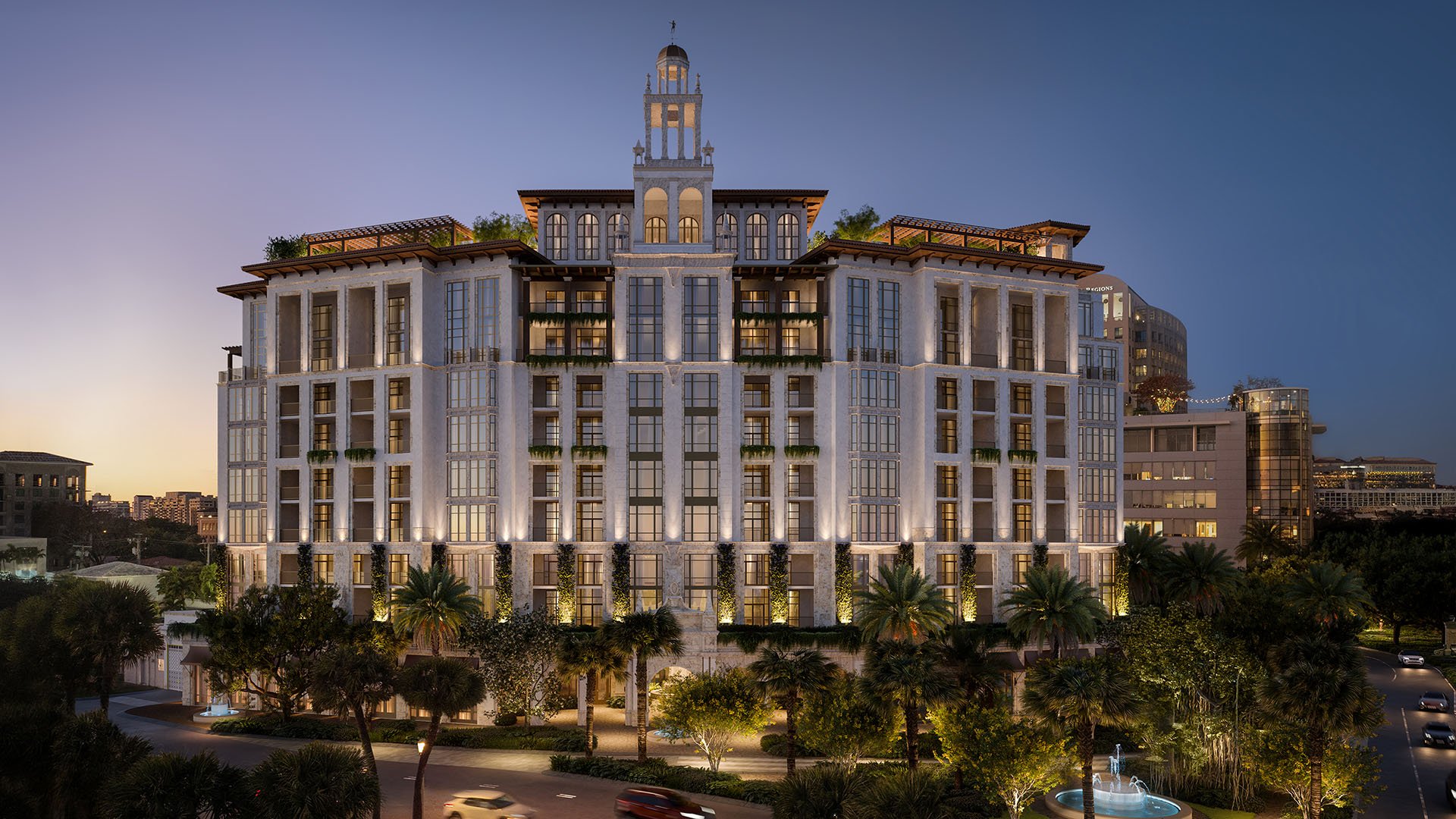
At Ponce Park Coral Gables, the formal-dining decision should not begin with nostalgia. It should begin with utility. A dedicated dining room can be among the most elegant spaces in a residence, but in contemporary South Florida luxury housing, elegance alone is not enough. The room must justify its footprint through privacy, service functionality, and long-term resale appeal.
That is especially true in Coral Gables, where the residential character is more civic, architectural, and composed than in purely resort-oriented coastal markets. Buyers drawn to the Ponce Park setting are often seeking proximity to the urban core of Coral Gables without surrendering a refined residential rhythm. In that context, formal dining can feel highly relevant, but only when it supports the way the owner actually lives.
The most successful dining rooms do not merely add ceremonial square footage. They enable discreet entertaining, give dinner a sense of occasion, and allow service to unfold without exposing the mechanics of the evening. When the room does that well, it becomes a functional luxury feature. When it does not, it risks becoming an underused chamber competing with more flexible uses of interior space.
Privacy is the first test. A formal dining room earns its place when it creates separation between entertaining and the ordinary movement of the household. If guests can dine without seeing casual family activity, service staging, or the more informal zones of the residence, the room delivers a tangible privacy benefit.
This is not about making the dining room remote. A space that is too isolated may weaken the residence’s flow. The ideal balance is controlled visibility: close enough to feel connected to the home’s main living areas, yet composed enough to give a dinner its own atmosphere. For high-net-worth buyers who host clients, friends, family, or catered evenings, that distinction matters.
A useful privacy question is simple: does the room protect the experience of the table? If the answer is yes, it can elevate the entire residence. If the answer is no, and the room merely sits beside the main living area with little separation or purpose, it may be more decorative than valuable.
Service functionality is the second lens, and often the most revealing. Formal dining has real value when it supports professional or semi-professional service workflows. Catered dinners, holiday gatherings, and seated evenings all depend on movement between kitchen, staging, serving, and guest areas.
A strong layout gives staff or hosts a logical path. Food should move from preparation to table without awkward detours through the social core of the home. Clearing should be discreet. Beverage service should not interrupt conversation. The room should feel ceremonial to guests while remaining practical for the people making the evening work.
The best formal-dining layouts at Ponce Park Coral Gables should therefore balance ceremony with adjacency. Proximity to the kitchen is essential, but so is a sense of arrival. A room disconnected from both kitchen and living areas may look impressive in isolation, yet fail during actual entertaining. Conversely, a room too absorbed into an open-plan living space may not offer enough distinction to justify being called formal.
Resale is the third test, and it is where assumptions can become expensive. A formal dining room does not automatically increase resale appeal. Its value depends on whether future buyers see it as intentional, well located, and compatible with modern luxury living.
In South Florida, open-plan living remains an important aesthetic expectation. Buyers often want generous sightlines, flexible gathering zones, and spaces that adapt from weekday living to weekend entertaining. A formal dining room that fights that sensibility can narrow appeal. A room that complements it can broaden appeal by satisfying both traditional hosts and buyers who want a flexible entertaining room.
The resale question is therefore not, “Does the residence have a formal dining room?” It is, “Would the next buyer understand why this room exists?” If the room supports privacy, service, and optionality, it has a stronger case. If it consumes too much interior square footage relative to likely use, it may become a liability.
In a luxury residence, every dedicated room competes with another possible use. A formal dining room may compete with a library, media lounge, office, den, wellness room, or expanded open living area. At Ponce Park Coral Gables, that makes dining a capital-allocation question as much as a design question.
The buyer should ask how often the room will be used and whether its best use aligns with the household’s lifestyle. Frequent hosts may find significant value in a protected, service-ready dining environment. Buyers who entertain casually may prefer a space that can shift between dining, conversation, and everyday living.
This is where boutique and new-construction expectations can diverge from older assumptions. Contemporary luxury buyers are often less interested in rooms that exist only for formality and more interested in spaces that can perform multiple roles beautifully. In a private search vocabulary, terms such as Ponce Park Coral Gables, Coral Gables, investment, exclusive area, and resale all point to the same underlying discipline: evaluate space by how it functions, not only by how it photographs.
Coral Gables gives formal dining a stronger argument than many more casual markets. Its architectural identity, civic scale, and tradition of composed residential living make dedicated entertaining spaces feel natural when they are well executed. A formal room here can feel aligned with the broader character of the neighborhood rather than imported from another era.
Still, context does not excuse poor planning. The room must remain connected to how contemporary owners live. A formal dining space should support both the quiet dinner and the larger hosted occasion. It should be gracious without being stiff, private without being detached, and refined without becoming impractical.
For buyers evaluating Ponce Park, the most compelling dining room is one that feels inevitable. It should appear to belong in the plan because it improves the way the residence receives guests. If it feels like leftover square footage, the long-term value argument weakens.
Begin with sightlines. From the table, what is visible? From the living areas, how exposed is the dining room? Privacy value increases when the room shields guests from casual household activity and visible service zones.
Then test service flow. Imagine a seated dinner from arrival through dessert. Where does food stage? How do plates clear? Can service move without crossing the primary guest conversation zone? If the answers feel awkward, the room may not perform under pressure.
Next, test flexibility. Could the room accommodate formal dining while still appealing to a future buyer who wants a more adaptable entertaining area? The strongest spaces have enough definition to feel special and enough flexibility to avoid feeling obsolete.
Finally, compare the footprint with likely use. A dining room used often and capable of supporting high-quality hosting can be an asset. A room used only a few times a year, especially if it compromises daily living, deserves more scrutiny.
At Ponce Park Coral Gables, formal dining should be judged by usefulness, not symbolism. The right room can sharpen privacy, support polished service, and strengthen the home’s appeal to future luxury buyers. The wrong room can absorb valuable square footage while contributing little to daily life or resale.
For the most discerning buyers, the decision is not whether formal dining is fashionable. It is whether the specific room improves the residence. If it protects the guest experience, supports smooth hosting, and remains flexible enough for future preferences, it becomes more than a tradition. It becomes a strategic feature.
Is formal dining still relevant at Ponce Park Coral Gables? Yes, when it supports discreet entertaining, practical service flow, and a refined residential setting rather than simply adding unused space.
What is the first thing buyers should evaluate? Start with privacy. The room should separate dining and entertaining from household activity, casual living areas, and visible service zones.
How close should the dining room be to the kitchen? It should be close enough for efficient service, but composed enough to preserve a sense of occasion for guests.
Can formal dining hurt resale? Yes. If the room consumes too much square footage or feels disconnected from modern living patterns, future buyers may view it as a compromise.
What makes a dining room service-friendly? Smooth movement between kitchen, staging, serving, and guest areas is essential, especially for catered dinners or hosted evenings.
Should the room be fully separate from the living area? Not necessarily. The strongest layouts create privacy and ceremony while still maintaining a practical relationship to the main living spaces.
How does Coral Gables influence the decision? Coral Gables’ composed architectural identity gives traditional entertaining spaces more relevance when they are planned with modern functionality.
Is formal dining mainly an aesthetic choice? No. In a luxury residence, it is also a space-planning and capital-allocation decision.
What is the best resale profile for formal dining? The ideal room appeals to traditional hosts while remaining flexible enough for buyers who prefer adaptable entertaining space.
What is the best way to shortlist comparable options for touring? Start with location fit, delivery status, and daily lifestyle priorities, then compare stacks and elevations to validate views and privacy.
For a tailored shortlist and next-step guidance, connect with MILLION.
If branded residences are on your mind — as a home or as an allocation — we would be glad to share what we are seeing, privately.
Begin a quiet conversation