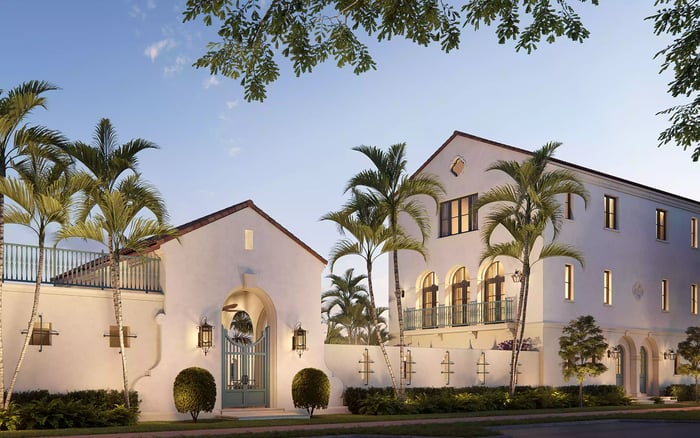
A buyer-focused guide to reviewing milestone-inspection status at Ponce Park Coral Gables before signing, with emphasis on engineering findings, association financial exposure, contract protections, and resale confidence.

For buyers considering Ponce Park Coral Gables, milestone-inspection status should be addressed before a contract becomes emotionally or financially difficult to unwind. In a refined Coral Gables setting, where purchase decisions often involve lifestyle, architectural preference, and long-term wealth planning, building-condition diligence deserves the same attention as pricing, views, layout, and neighborhood fit.
The essential question is not simply whether a building is subject to a milestone-inspection conversation. The more useful question is whether the association can clearly document its current status. A buyer should determine whether an inspection has been completed, is pending, or has not yet been reflected in the condominium records available for review. That distinction can influence confidence, negotiation posture, financing comfort, insurance perception, and eventual resale liquidity.
This is not a reason to avoid a property automatically. It is a reason to slow the process, organize the documents, and translate technical information into ownership consequences. A thoughtful buyer wants to understand safety, capital risk, possible disruption, and future cost exposure before signing, not after the closing becomes inevitable.
Milestone-inspection review is often discussed as compliance, but luxury buyers should treat it as a capital-risk and confidence issue. If findings exist, they may involve routine maintenance, more meaningful building concerns, or items that could require major repairs. Each category carries a different impact on value, timeline, association budgeting, and buyer psychology.
At the high end of the market, uncertainty itself can affect price. A building with incomplete documentation may cause a buyer to pause, a lender to ask more questions, or a future purchaser to apply a more conservative lens. Even when the physical condition is ultimately acceptable, unclear records can create friction. The strongest diligence process reduces that friction by replacing broad assurances with written evidence.
This is especially relevant for buyers comparing Coral Gables opportunities with other South Florida luxury markets, including Brickell, Coconut Grove, and Miami Beach. The same buyer who weighs architecture and service at 2200 Brickell may evaluate Ponce Park through a different lens, but the underlying discipline remains the same: documents first, interpretation second, contract commitment third.
Before entering a purchase contract, request the building’s current milestone-inspection status in writing. The goal is to understand what the association has in its records, not merely what has been represented verbally. If an inspection has been completed, ask for the actual engineering findings and any related association communications that explain scope, recommended action, or next steps.
If an inspection is pending, the buyer should understand the expected process as reflected in available records and decide whether the contract timeline leaves enough room to evaluate new information. If the status is not documented in the available condominium records, that absence should be treated as a diligence issue. It may not indicate a problem, but it does mean the buyer needs stronger contract protections and professional review.
The review should include condominium documents, meeting materials if available, budgets, reserve information, association communications, and any repair planning connected to inspection findings. For buyers also studying nearby offerings such as Cora Merrick Park and The Village at Coral Gables, the same principle applies: luxury does not replace documentation. It raises the standard for it.
If engineering reports exist, the buyer should not rely only on seller summaries, listing comments, or informal explanations. The actual findings matter. A qualified reviewer should separate cosmetic or ordinary maintenance items from structural concerns and from items likely to trigger significant repairs.
This distinction is where many buyers need guidance. A technical phrase in an engineering document can sound alarming when it is manageable, or benign when it signals larger capital planning. The practical question is not only, “What did the engineer observe?” It is also, “What does this mean for timing, cost, disruption, and future marketability?”
A careful engineering review should focus on whether the report identifies isolated repairs, ongoing monitoring, broader building systems, or conditions that could require substantial association action. The buyer should also ask whether there are open recommendations and whether the association has adopted a plan to address them. Once the findings have been translated into real ownership impact, the buyer can decide whether the opportunity still fits the intended risk profile.
Engineering findings and association finances should be read together. A report that identifies work is only half the story. The other half is how the association expects to pay for it. Buyers should connect any inspection-related items to reserves, potential special assessments, repair budgets, and future owner costs.
This is where an investment lens becomes essential. A beautifully located residence can still be a poor fit if future capital calls are not understood before contract. Conversely, a building with transparent records and a credible financial path may offer a clearer basis for negotiation and ownership planning.
The buyer should look for signs that the association has acknowledged the issue, evaluated costs, and incorporated the matter into financial planning. If the documents are incomplete or difficult to interpret, the contract should give the buyer enough time to obtain advice. In the luxury segment, the cost of a missed diligence item can exceed the cost of a careful review many times over.
The contract should preserve the buyer’s ability to obtain documents, review inspection status, evaluate engineering risk, examine association finances, renegotiate if necessary, or cancel if the information is unsatisfactory. This is not adversarial. It is prudent.
A buyer should avoid relying on a generic review period if the milestone-inspection issue requires specific records or professional interpretation. The contract can be structured so diligence is not limited to a superficial document request. It should allow time for legal review, engineering review, financial review, and follow-up questions when the records raise concerns.
For buyers comparing Ponce Park with lifestyle-driven alternatives such as The Well Coconut Grove, the point is not to make every building look identical. It is to maintain a consistent standard of pre-contract discipline across different neighborhoods, price points, and ownership goals.
Milestone-inspection diligence should end with a practical conclusion. The buyer needs to know whether the findings affect purchase price, carrying costs, construction disruption, insurability perception, financing comfort, and exit liquidity. These are the issues that shape ownership satisfaction long after closing.
If the review shows minor maintenance, the buyer may proceed with greater confidence. If it identifies larger capital needs, the buyer may seek a price adjustment, credits, seller concessions, or more time to evaluate. If the records are unclear or the association cannot document the status adequately, the buyer may decide the uncertainty is not compatible with the purchase objective.
The most sophisticated approach is neither alarmist nor casual. It is measured. It recognizes that technical documents can protect a buyer when they are obtained early, read carefully, and connected to economics. For Ponce Park Coral Gables, the right pre-contract question is not only whether the residence feels right. It is whether the building record supports the commitment.
Should I request milestone-inspection status before making an offer? Ideally, yes. The status should be requested before entering a purchase contract so the buyer can understand risk before committing.
What if the inspection has already been completed? Ask for the actual engineering findings. Do not rely only on seller comments, marketing language, or informal summaries.
What if the inspection is still pending? The contract should preserve enough time to review documents and reassess risk if new information becomes available.
What if no milestone-inspection status appears in the condominium records? Treat the absence as a diligence issue. It may require legal review, follow-up questions, and stronger contract protections.
Who should review the engineering materials? A qualified engineering reviewer should help distinguish minor maintenance from structural concerns or major repair exposure.
Why does the association’s financial position matter? Inspection findings can connect directly to reserves, repair budgets, special assessments, and future owner costs.
Can inspection status affect financing or insurance confidence? It can influence perceived building risk, which may affect buyer confidence, financeability, and insurability discussions.
Should inspection findings always reduce the price? Not always. The impact depends on severity, cost, timing, documentation, and how the association plans to respond.
Can this issue affect resale later? Yes. Future buyers may evaluate the same records, so clear documentation can support stronger exit liquidity.
Is Ponce Park Coral Gables confirmed to have completed a milestone inspection? Buyers should verify the current status through association records, seller disclosures, municipal records, or engineering documents.
When you're ready to tour or underwrite the options, connect with MILLION.
If branded residences are on your mind — as a home or as an allocation — we would be glad to share what we are seeing, privately.
Begin a quiet conversation