A discreet buyer guide to how walkability reshapes full-time luxury living in Coral Gables, from daily routines and privacy to residence selection and long-term confidence.
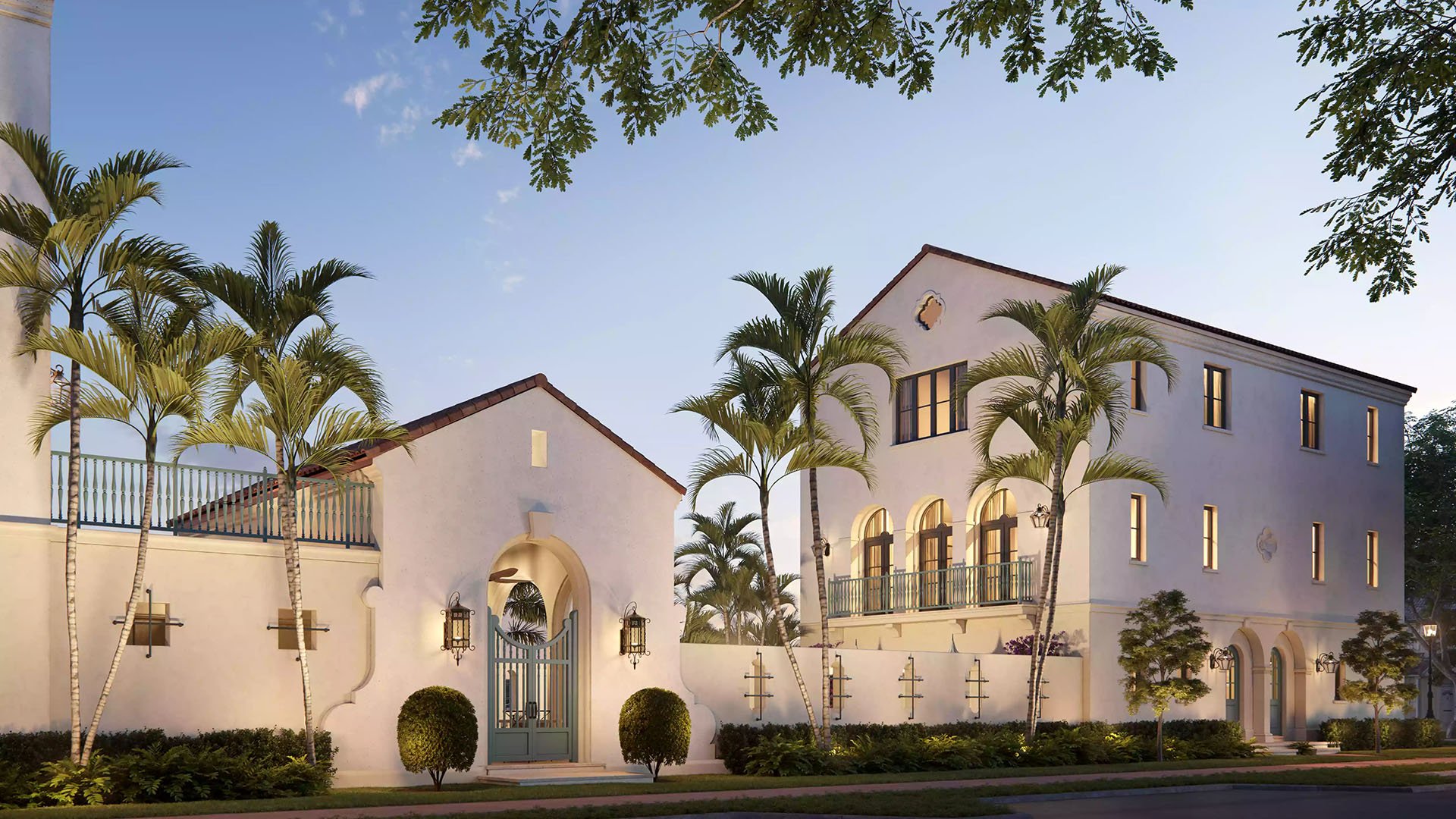
For a full-time Coral Gables buyer, walkability is not a minor lifestyle preference. It is a filter for how the home will perform on a Monday morning, a quiet Thursday evening, or a weekend when guests arrive and no one wants the day to revolve around the car.
The most refined buyers already know how to read finishes, ceiling heights, terraces, service entries, and parking. Walkability asks a different question: what happens after closing, when the residence becomes the center of daily life? A walkable setting can make a luxury home feel larger, more useful, and more connected because parts of the day naturally extend beyond the front door.
In Coral Gables, that distinction matters. Some buyers are drawn to privacy and residential calm. Others want a more village-like rhythm, with dining, errands, wellness, and social appointments woven into a tighter radius. Neither choice is inherently superior. The right answer depends on whether the household wants retreat, movement, or a carefully balanced version of both.
A serious walkability evaluation should begin with routine, not romance. Imagine the first thirty minutes of the day, the mid-afternoon errand, the early evening dinner plan, and the late return home. If those moments feel simple, the residence offers a form of luxury that square footage alone cannot provide.
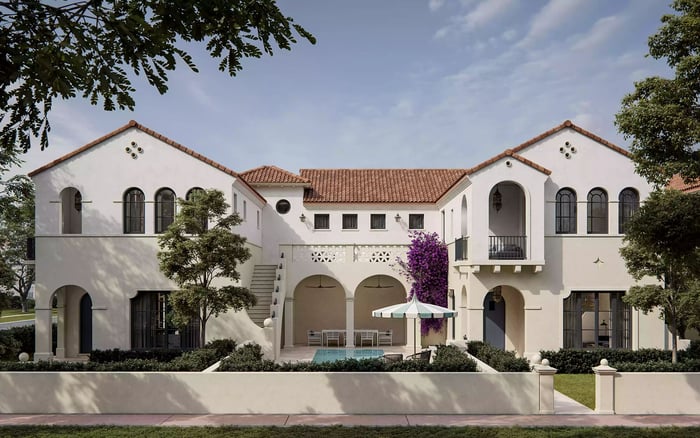
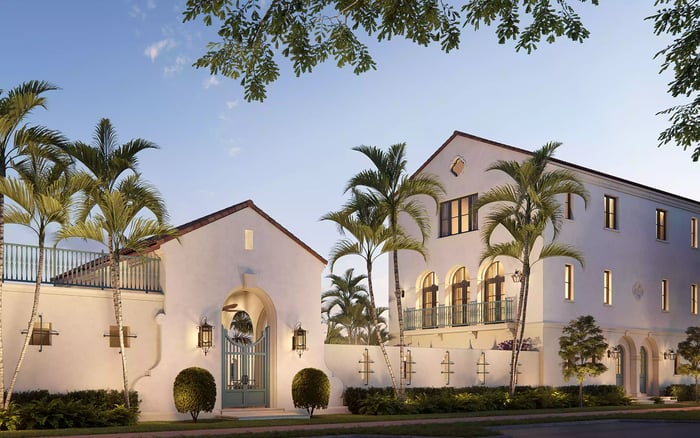
For a buyer considering Ponce Park Coral Gables, the question is not only whether the architecture suits the household. It is whether the surrounding lifestyle supports the way the owners intend to live most weeks of the year. Can one partner step out for a quick appointment while another remains at home? Can guests be entertained without every movement becoming a drive? Can staff, deliveries, and family schedules be managed without friction?
This is where full-time living separates itself from second-home logic. A second home can tolerate inconvenience if the setting is special enough. A primary residence must operate beautifully even on ordinary days. Walkability, when aligned with the household’s habits, reduces the small points of resistance that accumulate over time.
Coral Gables buyers often face a quiet choice between village scale and estate scale. Village scale is about proximity, spontaneity, and ease. Estate scale is about seclusion, grounds, and a stronger sense of private domain. The most successful searches begin by naming that preference honestly.
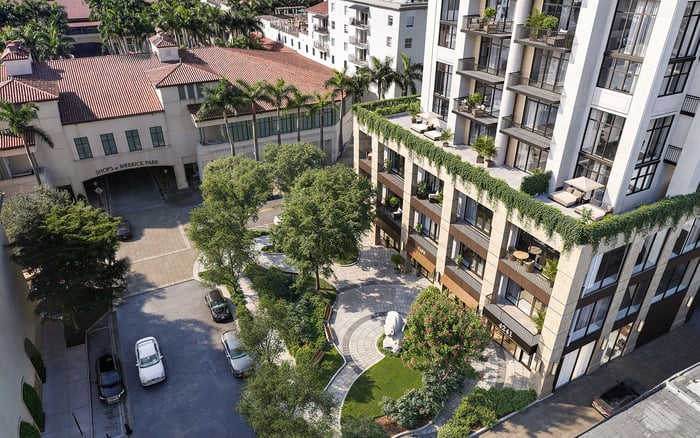
A residence such as The Village at Coral Gables speaks to buyers who want the emotional texture of a neighborhood setting without giving up polish. In a full-time context, that can be powerful. A home that encourages a morning walk, a short errand, or an unplanned dinner out may feel less like a showpiece and more like a true base of operations.
For buyers looking around Cora Merrick Park, the same discipline applies. The residence should be judged not only by what is inside the walls, but by how naturally the surrounding environment supports the day. Walkability is strongest when it feels effortless rather than performative.
Walkability does not mean sacrificing privacy. The best luxury residences manage both. The public realm may be close, but the home itself should still provide a sense of separation, acoustic comfort, controlled arrival, secure parking, and an interior sequence that feels composed.
For full-time residents, this balance is especially important. A highly social setting can be appealing, but owners still need calm at the end of the day. The ideal walkable residence lets the household choose when to participate and when to withdraw. That choice is the luxury.
This is also where building operations and household planning become relevant. Owners should consider how packages arrive, how service providers enter, where vehicles are staged, and whether the lobby or entry sequence feels appropriate for daily use. A glamorous residence that creates logistical tension may lose appeal once it becomes the primary home.
In South Florida, the car remains part of luxury life. Walkability does not eliminate it. Instead, it changes the car from a constant requirement into a selective tool. That distinction affects everything from household staffing to dinner plans.
A car-light routine can feel especially valuable for buyers who split time between work, school obligations, social commitments, wellness appointments, and entertaining. If several daily needs can be handled on foot, driving becomes reserved for longer trips, airport runs, waterfront dining, country clubs, or cross-county appointments.
The result is not a less luxurious lifestyle. It is often a more fluid one. Time is preserved, last-minute plans become easier, and the residence feels more integrated into the buyer’s real life.
A buyer comparing Coral Gables with Coconut Grove and Brickell is often comparing tempo. Coral Gables tends to appeal to those seeking elegance, order, and a softer residential cadence. Coconut Grove may attract buyers who want lushness and informality. Brickell often enters the conversation when a buyer wants a denser urban rhythm.
That comparison can clarify priorities. Someone touring The Well Coconut Grove may be testing whether a wellness-oriented, neighborhood-forward lifestyle feels more natural than a Gables address. Someone also evaluating 2200 Brickell may be asking whether proximity to the city’s business energy outweighs the quieter residential atmosphere they associate with Coral Gables.
For search organization, buyers may even use shorthand labels such as Coral Gables, Coconut Grove, and Brickell to separate lifestyle profiles. The point is not to choose the most famous neighborhood. It is to choose the environment that will best support the household’s daily rhythm.
Luxury buyers often focus on rarity, views, architecture, and brand. Those factors matter. Yet ease is one of the most durable forms of value because it is experienced every day. A residence that saves time, simplifies movement, and supports a gracious routine may remain compelling even as tastes shift.
Walkability can also broaden a property’s future appeal. A later buyer may have different design preferences, but the desire for convenient full-time living is unlikely to disappear. When a location lets residents move gracefully between privacy and activity, it gains a practical resilience that cannot be recreated inside the apartment or house alone.
For Coral Gables, the strongest buyer approach is therefore not simply to ask, “Is this address prestigious?” The better question is, “Will this home make our real life more elegant?” When the answer is yes, walkability becomes more than a neighborhood feature. It becomes part of the architecture of daily living.
How does walkability change a Coral Gables search? It shifts attention from the residence alone to the daily experience around it, including errands, dining, wellness, and guest movement.
Is walkability more important for full-time buyers than second-home buyers? Usually, yes. Full-time buyers feel small conveniences every day, while second-home buyers may tolerate more friction for a special setting.
Does a walkable location mean giving up privacy? Not necessarily. The best luxury residences combine convenient surroundings with controlled arrivals, quiet interiors, and a strong sense of retreat.
Should estate buyers still consider walkability? Yes. Even buyers who prefer larger, quieter properties should understand what they gain or give up in daily convenience.
What should I test during a showing? Test a normal day: morning routine, parking, guest arrival, nearby errands, evening plans, and how the home feels when returning at night.
Can walkability affect long-term resale appeal? It can support appeal because convenience is broadly valued, especially by buyers seeking a primary residence with less daily friction.
How should families think about walkability? Families should focus on routine flow, including school-day timing, appointments, meals, visitors, and how easily different household members can move independently.
Is a car still necessary in Coral Gables luxury living? For many households, yes. Walkability usually makes the car less constant rather than irrelevant.
How do I compare Coral Gables with nearby neighborhoods? Compare tempo, privacy, density, greenery, services, and how each area supports the way you actually live during a full week.
What is the best walkable Coral Gables residence? The best choice depends on your routine, privacy needs, household size, and tolerance for activity near the home.
For a tailored shortlist and next-step guidance, connect with MILLION.
If branded residences are on your mind — as a home or as an allocation — we would be glad to share what we are seeing, privately.
Begin a quiet conversation