A buyer-focused look at how Palm Beach and West Palm Beach deliver prestige differently, with Palm Beach centered on privacy and estate tradition while West Palm Beach offers walkability, culture, and a more connected daily rhythm.
For affluent buyers, the Palm Beach versus West Palm Beach decision is rarely about status alone. Both addresses carry cachet, waterfront access, and the broader financial appeal of Florida residency. The more important question is how prestige feels once the novelty of arrival wears off. Do you want a home that shields you from the world, or one that lets you step into it with ease?
That distinction matters more than ever for buyers who do not want luxury to become a beautifully appointed form of isolation. In that respect, Palm Beach and West Palm Beach offer two distinct answers. One is defined by privacy, controlled change, and a famously protected sense of place. The other combines social credibility with a more urban, active, and day-to-day livable environment.
For MILLION Luxury readers, this is less a contest than an exercise in self-knowledge. The right choice depends on whether your ideal day begins behind hedges and gates or with a short walk to coffee, the waterfront, dinner, or a performance.
Palm Beach remains one of the most distinctive luxury enclaves in the country because it feels physically separate. The town stretches along a narrow barrier island, roughly 16 miles long and less than a mile wide, creating an environment that is compact, polished, and inherently insular. Geography alone reinforces exclusivity.
Its preservation culture deepens that effect. Architectural review and controlled change have helped Palm Beach maintain its estate character, visual coherence, and low-key social codes. Buyers drawn to large lots, quieter streets, and limited street-level exposure tend to see this not as restriction, but as reassurance. Palm Beach is designed to protect the feeling that very little happens by accident.
This is also why Palm Beach can feel ideal for one kind of owner and overly house-bound for another. Daily life here is often organized around private clubs, resort settings, carefully curated retail, and social circles that are less public-facing than urban. Worth Avenue is iconic, but it is not the same as a fully functioning downtown rhythm. It is exquisite, yes, though more boutique than practical.
Housing reflects that narrow focus. Buyers are often choosing between trophy estates and a smaller set of luxury condominium options rather than a broad range of residential formats. For someone who wants home to be a private world unto itself, that concentration is part of the appeal. For someone who wants variation, spontaneity, and easier everyday movement, it can feel more limiting.
Even so, Palm Beach prestige is hard to replicate. A residence such as Palm Beach Residences speaks to buyers who value classic scarcity and a deeply residential sense of arrival. The same can be said for The Bristol Palm Beach, where the address itself aligns with the island’s rarified positioning.
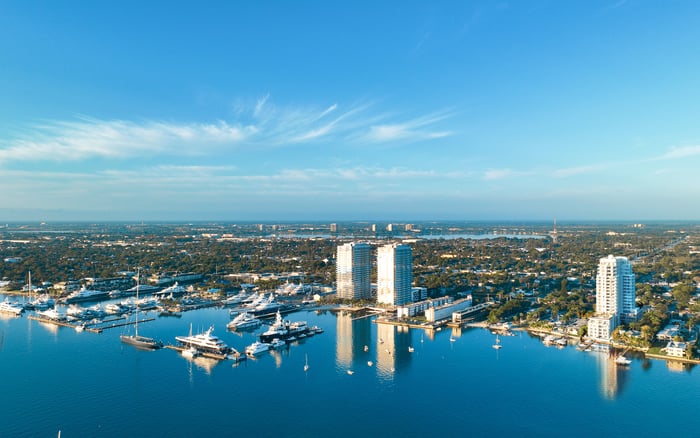
West Palm Beach offers a different expression of luxury: less secluded, more kinetic, and often more convenient from morning to evening. Its mainland setting creates a broader urban fabric centered on downtown districts, the waterfront, and established gathering corridors. Instead of asking owners to retreat into the home, it gives them reasons to step out of it.
That everyday usability is the city’s strongest advantage. Downtown is structured around proximity, with shopping, dining, offices, residences, and public spaces close together. Clematis Street remains a defining social spine, while the waterfront and CityPlace area expand the number of places a resident can reach on foot for a casual lunch, an evening drink, or an impromptu meeting.
This matters because luxury living is not only about square footage. It is also about friction. West Palm Beach removes more of it. The owner who wants to leave the car behind, meet friends without advance choreography, or build a routine around culture and movement will likely find the city more forgiving and more alive on an average Tuesday.
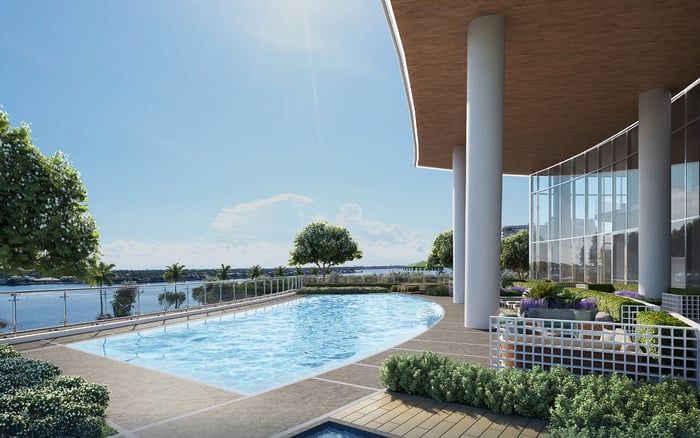
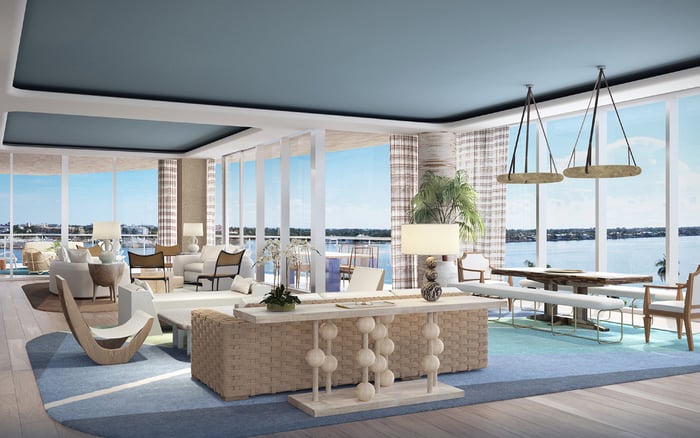
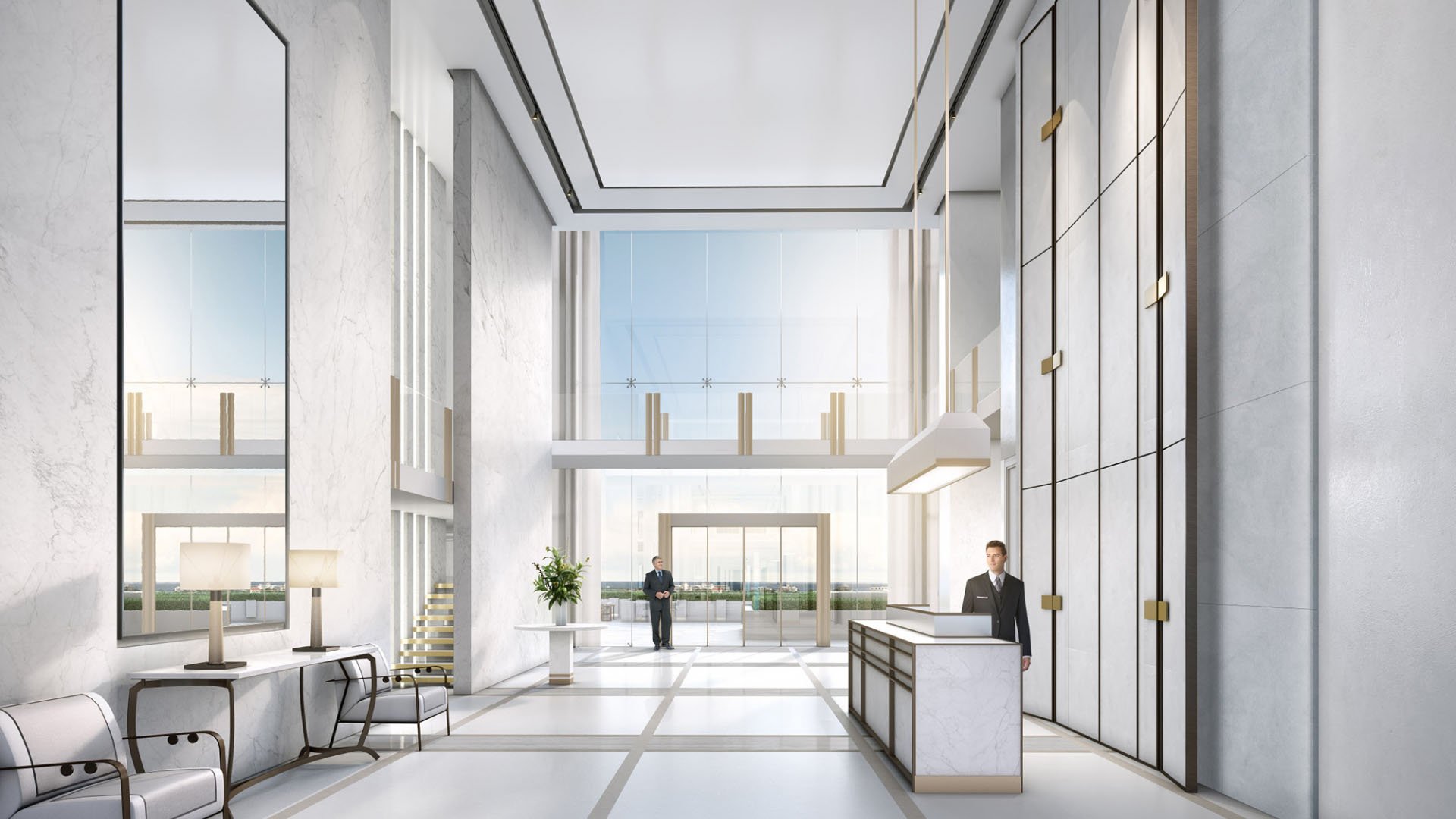
Residential choices also tend to be more flexible. The luxury stock includes more high-rise condominium living, often paired with concierge services, fitness amenities, and shared social spaces that make a lock-and-leave lifestyle easier. In that context, projects such as Alba West Palm Beach, Forté on Flagler West Palm Beach, and The Ritz-Carlton Residences® West Palm Beach fit naturally into the city’s more connected luxury profile.
One of the clearest differences between the two markets is what happens once you leave your front door. Palm Beach offers a refined social landscape, but much of it is destination-based and private. West Palm Beach, by contrast, provides a broader public realm where culture and lifestyle are woven into everyday routines.
The Kravis Center gives the city a year-round performance anchor. The Norton Museum of Art adds another serious cultural asset that residents can access without turning the evening into an expedition. For buyers with children, guests, or simply a preference for living amid activity rather than apart from it, that has real value. Museums, waterfront promenades, and urban attractions shape the day in a way private enclaves typically do not.
This is where the emotional divide becomes most visible. Palm Beach asks, in effect, whether you want your home to be the main event. West Palm Beach suggests that home can be one elegant part of a larger daily experience.
Both markets benefit from proximity to the Intracoastal Waterway and the Atlantic Ocean, so the boating conversation is not exclusive to either side of the bridge. The difference is contextual. Palm Beach tends to wrap waterfront living in greater privacy and less street presence. West Palm Beach pairs waterfront access with a more public-facing set of urban amenities.
That combination can be especially compelling for buyers who have already experienced traditional enclave living. Prestige feels different when it includes a waterfront walk before dinner, a performance after work, or a spontaneous stop along Clematis rather than a carefully planned departure from a fully private compound.
West Palm Beach also benefits from a larger resident base and more consistent year-round street activity than a highly seasonal resort environment. Ongoing redevelopment in mixed-use districts supports that momentum. In practical terms, this means luxury owners can live elegantly without feeling cut off from the energy that makes a city useful.
Palm Beach is best suited to the buyer who sees privacy as the ultimate luxury. If your idea of prestige includes seclusion, architectural continuity, controlled surroundings, and a social life that is intentionally filtered, the island remains unmatched. It is especially persuasive for buyers who want a residence to function as a sanctuary first and a stage second. That is why Palm Beach continues to hold such enduring allure.
West Palm Beach is better for the buyer who wants stature without stillness. If you prefer a residence that connects you to dining, culture, waterfront activity, and a walkable urban pattern, the mainland offers a more adaptable kind of luxury. It can be particularly attractive to condo buyers, part-time residents, and families who value accessibility to museums, parks, and city life. In that sense, West Palm Beach feels less ceremonial and more usable.
For some, the distinction comes down to one simple test: if the house is extraordinary, do you still want a reason to leave it? If the answer is no, Palm Beach is likely your market. If the answer is yes, West Palm Beach may offer the more modern version of prestige.
The most sophisticated buyers are no longer choosing only the most exclusive address. They are choosing the rhythm that best fits the life they actually intend to live. Palm Beach remains the emblem of protected wealth, elegant restraint, and private residential identity. West Palm Beach has matured into something equally compelling: a city where luxury can feel social, walkable, and culturally engaged without sacrificing status.
For buyers who want prestige without feeling house-bound, West Palm Beach often has the edge. For buyers who believe home should be the center of gravity, Palm Beach still reigns.
Is Palm Beach or West Palm Beach more private? Palm Beach is generally the more private setting, with larger-lot living, lower street exposure, and a more insular physical layout.
Which market is better for walkability? West Palm Beach is typically better for walkability because downtown, the waterfront, dining, and gathering places sit in closer daily proximity.
Does Palm Beach have a true downtown lifestyle? Not in the same way as West Palm Beach. Palm Beach is more oriented around private venues, resorts, and destination retail corridors.
Which area feels less house-bound for full-time residents? West Palm Beach usually feels less house-bound because it offers more spontaneous public activity, culture, and foot-accessible amenities.
Are both markets prestigious? Yes. They simply express prestige differently, with Palm Beach emphasizing seclusion and West Palm Beach emphasizing connected urban luxury.
Is Palm Beach mostly single-family housing? Palm Beach is heavily associated with private estates and a narrower luxury condo selection rather than a broad mix of housing types.
Does West Palm Beach have strong luxury condo options? Yes. Its luxury inventory includes more high-rise condominium living and the amenity packages many buyers want for easier ownership.
What about culture and entertainment? West Palm Beach has a clearer everyday advantage thanks to major arts institutions, performance venues, and active dining corridors.
Do taxes strongly differentiate the two choices? Not especially at the state level, since both benefit from Florida’s lack of state income tax. The lifestyle distinction is more important.
What is the deciding factor for most luxury buyers? The core decision is whether you value privacy and retreat more than connectivity and everyday engagement.
For a discreet conversation and a curated building-by-building shortlist, connect with MILLION Luxury.
If branded residences are on your mind — as a home or as an allocation — we would be glad to share what we are seeing, privately.
Begin a quiet conversation