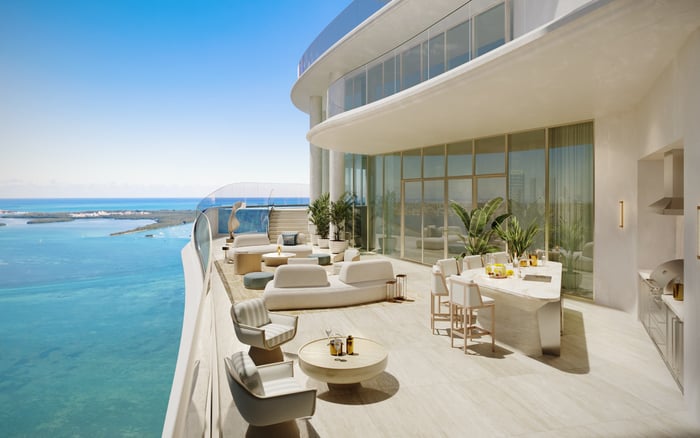
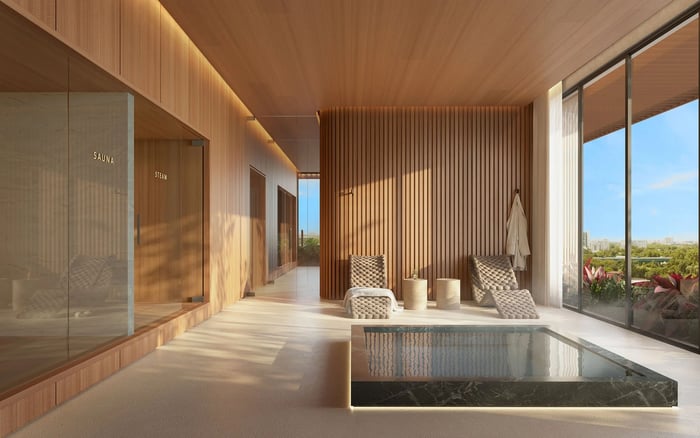
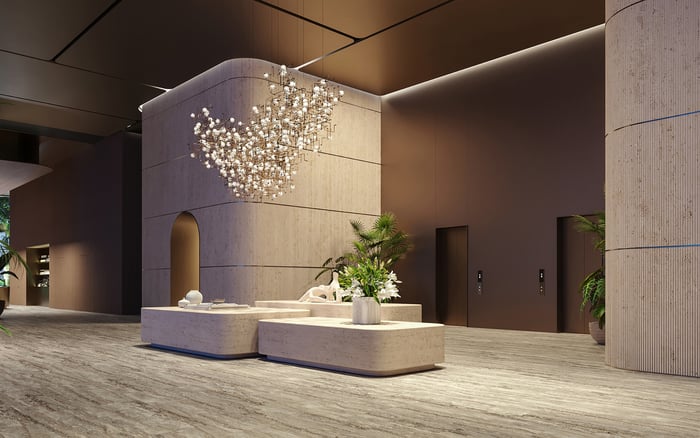
Sky pools deserve their own buyer discussion because they combine lifestyle appeal with technical, financial, operational, and resale considerations that differ from ordinary amenity review.
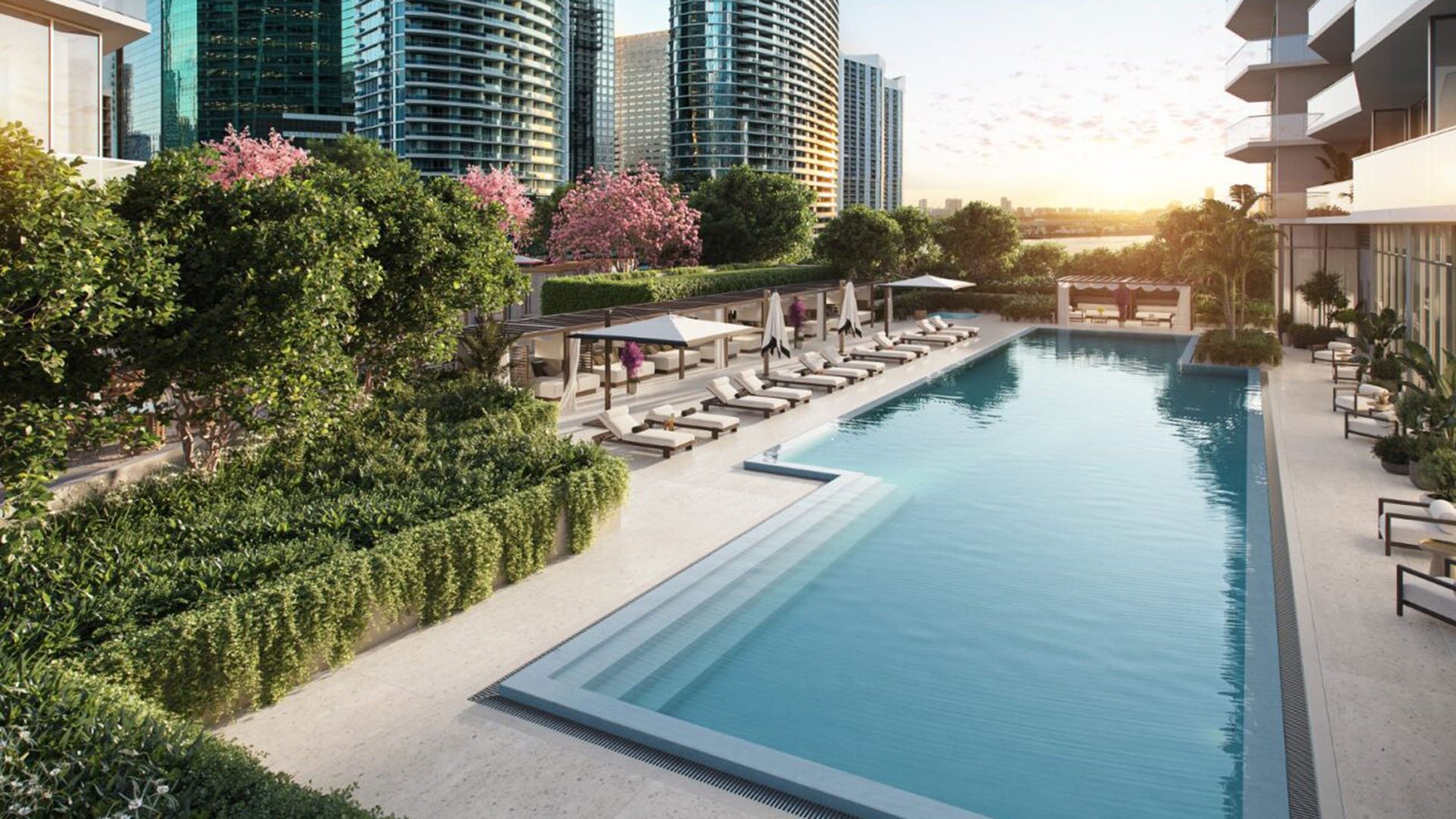
A sky pool can be one of the most cinematic amenities in a South Florida residence. It frames water, skyline, sunset, and social life in a single gesture. For a buyer considering a refined condominium in Brickell, Miami Beach, Sunny Isles, or another vertical market, that view can feel persuasive before the legal and technical questions have even begun.
That is precisely why it deserves a separate discussion. A sky pool is not simply a decorative amenity. It is a water-bearing structure positioned above occupied space, exposed to wind, sun, salt air, guest traffic, mechanical systems, and long-term maintenance obligations. The purpose of a dedicated due-diligence conversation is not to diminish the appeal. It is to confirm that the appeal is supported by clear documents, responsible governance, and a realistic understanding of ownership costs.
The first question is whether the pool is part of the common elements, a limited common element, a hotel-style amenity, or a private component associated with a specific residence or collection of residences. That distinction can influence access, maintenance responsibility, insurance, repair approvals, and who ultimately pays when the amenity requires major work.
Buyers should ask how pool operations are funded, what line items appear in the association budget, and whether reserve planning treats the pool as a distinct capital asset. A sophisticated review should look beyond the beautiful deck and consider waterproofing, drainage, pumps, finishes, railings, lighting, furniture, staffing, security, and after-hours controls.
It is also useful to separate the marketing impression from the daily-use reality. A serene rendering or tour may not reveal how sound travels, how many guests are permitted, whether children’s hours are regulated, how food and beverage service works, or whether private events can change the character of the amenity.
For any elevated pool, buyers should understand who maintains the systems, how inspections are handled, and what happens if repairs require closures. A sky pool can be spectacular, but water intrusion, tile failure, sealant aging, mechanical downtime, and deck resurfacing are practical topics that belong in the conversation before contract deadlines expire.
This is where the buyer’s advisory team matters. A real estate attorney can review declarations and rules. An inspector or engineer can flag technical questions for the association or developer. An insurance advisor can help interpret how coverage is structured. The buyer’s broker should coordinate the conversation so lifestyle questions and document questions do not remain in separate silos.
High-floor residences often command premium attention because of light, outlook, and privacy. Yet the closer a residence is to a major elevated amenity, the more important it becomes to understand adjacency. Is the pool above, below, beside, or across from the residence? Will the terrace have direct sightlines to swimmers? Does the bedroom wall sit near mechanical equipment? These are not generic questions. They are unit-specific questions.
Sky pools may feel effortless when they are open, clean, staffed, and quiet. The owner experience depends on governance. Buyers should read the rules for hours, guests, alcohol, events, towels, cabanas, pets, smoking, music, photography, and private reservations. Restrictions are not automatically negative. In the luxury market, rules often protect the calm that owners are paying for.
Insurance and reserves deserve equal attention. The buyer does not need to become a claims specialist, but should ask whether the association’s coverage, deductibles, maintenance obligations, and reserve planning are consistent with the scale of the amenity. If a major repair is needed, how would the association approve it, fund it, and communicate disruption?
New-construction buyers should be especially disciplined because the ownership experience may evolve after turnover. Early amenity operations can differ from long-term resident governance. The separate sky pool conversation should therefore include projected operations, association documents, developer obligations, and any transition-related questions the buyer’s counsel considers relevant.
The strongest sky pools are not merely photogenic. They are usable, well managed, and proportionate to the building. Buyers should consider whether the pool feels like a calm resident amenity or a social stage. Both can be desirable, but they appeal to different owners.
Resale value is also a matter of perception. Future buyers may love the amenity, but they may also ask the same questions about maintenance, access, privacy, and assessments. A buyer who understands the pool clearly today is better prepared to explain the ownership story tomorrow.
In a private buyer brief, this topic may sit under Brickell, Miami Beach, Sunny Isles, pool, high-floor, and new-construction considerations because it touches location, elevation, amenity design, and future cost exposure at once.
Before removing contingencies, request the governing documents, budget, rules, insurance summary, reserve materials if available, and any pool-specific maintenance information that can reasonably be provided. Ask direct questions, keep answers in writing, and distinguish confirmed obligations from informal assurances.
The ideal conclusion is not simply, “the pool is beautiful.” It is, “the pool is beautiful, the rules are compatible with our lifestyle, the maintenance structure is understandable, the costs are acceptable, and the residence still makes sense if the amenity is temporarily closed for repair.” That is the standard luxury buyers should apply.
Why should a sky pool be reviewed separately? It combines lifestyle, structural, insurance, governance, and maintenance issues that may not surface in a standard amenity conversation.
Is a sky pool a red flag for buyers? No. It is often a compelling amenity, but it should be evaluated with precision rather than treated as a simple visual feature.
What documents should buyers request? Buyers should review association documents, rules, budgets, insurance summaries, and available maintenance or reserve information.
Who should participate in the review? A buyer’s broker, real estate attorney, insurance advisor, and qualified technical consultant can each address different parts of the question.
Does pool location within the building matter? Yes. Proximity to the residence can affect privacy, sound, views, mechanical exposure, and daily comfort.
Can pool rules affect value? Yes. Thoughtful rules can preserve calm, while unclear or weak rules may create friction among residents and guests.
What should new-construction buyers ask? They should ask how operations, costs, turnover, and long-term maintenance will be handled after residents control the association.
Should buyers worry about temporary closures? They should plan for the possibility. Even well-managed amenities may require periodic repair, resurfacing, or mechanical work.
Are sky pools more relevant in Brickell or coastal markets? They can be relevant in many vertical luxury settings, especially where views, elevation, and outdoor amenity design drive buyer interest.
What is the best way to shortlist comparable options for touring? Start with location fit, delivery status, and daily lifestyle priorities, then compare stacks and elevations to validate views and privacy.
For a tailored shortlist and next-step guidance, connect with MILLION.
If branded residences are on your mind — as a home or as an allocation — we would be glad to share what we are seeing, privately.
Begin a quiet conversation