A discreet, buyer-oriented look at how Palm Beach island scarcity, Wellington’s equestrian economy, and West Palm Beach’s financial momentum are shaping 2026 luxury decisions in Palm Beach County.
Palm Beach County luxury is no longer a single conversation. In 2026, a buyer seeking oceanfront rarity, a buyer requiring equestrian infrastructure, and a buyer prioritizing a walkable, finance-adjacent urban lifestyle can all be shopping in the same county-yet they are effectively operating in three distinct markets.
Palm Beach island is a barrier island of roughly 16 miles. That geometry matters because it hard-caps developable land, keeping the island’s most desirable inventory structurally scarce. Wellington, by contrast, is about land, logistics, and seasonality: acreage, barns, and proximity to showgrounds can make the property itself part of a broader operating plan. West Palm Beach sits at the opposite pole: density, convenience, and a growing corporate presence are shaping demand for refined vertical living.
Across the county, the market’s posture remains active. Median single-family pricing has risen dramatically since 2015, and sales activity has posted recent year-over-year gains. Inventory levels and months of supply vary by property type, but at the high end the common thread is decisiveness-especially when a home precisely matches a buyer’s lifestyle brief.
Palm Beach’s value proposition starts with constraints. A long, narrow barrier island does not create new lots when demand surges-it changes the price and the negotiation posture. For 2026 buyers, that translates into two practical realities.
First, selection is the constraint, not desire. Even when broader county inventory loosens, the island’s most coveted attributes still concentrate within a small set of streets, views, and beach-access patterns. If your requirements are specific-ocean exposure, a particular level of quiet, or a preference for established architectural character-you are competing for a thin slice of the market.
Second, privacy and perceived security command a premium. Palm Beach’s crime profile has been described as lower than national averages, reinforcing the area’s discreet appeal for second-home owners and public-facing families. In 2026, that “peace dividend” often shows up in bidding behavior: buyers move quickly when a property aligns with privacy expectations, even if they remain patient on price for less-than-ideal offerings.
For those who want the Palm Beach address but prefer newer, full-service living, curated residences can offer an alternative path. Consider how Palm Beach Residences can suit buyers who prioritize managed amenities and lock-and-leave simplicity while staying anchored to the island’s brand of coastal prestige.
Wellington is not just “horse country.” It is a purpose-built equestrian environment with infrastructure that dictates how people live. The community highlights more than 100 miles of bridle trails, which signals something important to buyers: equestrian movement is integrated into the public realm, not treated as a niche.
The presence of the USPA National Polo Center in Wellington reinforces that ecosystem, supporting a calendar that draws owners, riders, staff, and spectators. In 2026, Wellington real estate is often underwritten by the season. Winter demand can lift rental pricing near showgrounds, and that premium can influence buy-versus-rent decisions even for affluent households.
At the upper end, pricing signals can look volatile because luxury subsets may have small transaction counts. A 2+ acre segment, for example, can show dramatic median swings simply because only a handful of properties trade in a quarter. The right way to read Wellington is not to fixate on a single quarter’s median, but to prioritize micro-location, functional suitability, and replacement cost. In equestrian property, “condition” means more than finishes: access routes, barn layout, and operational efficiency often determine whether a home is truly comparable.
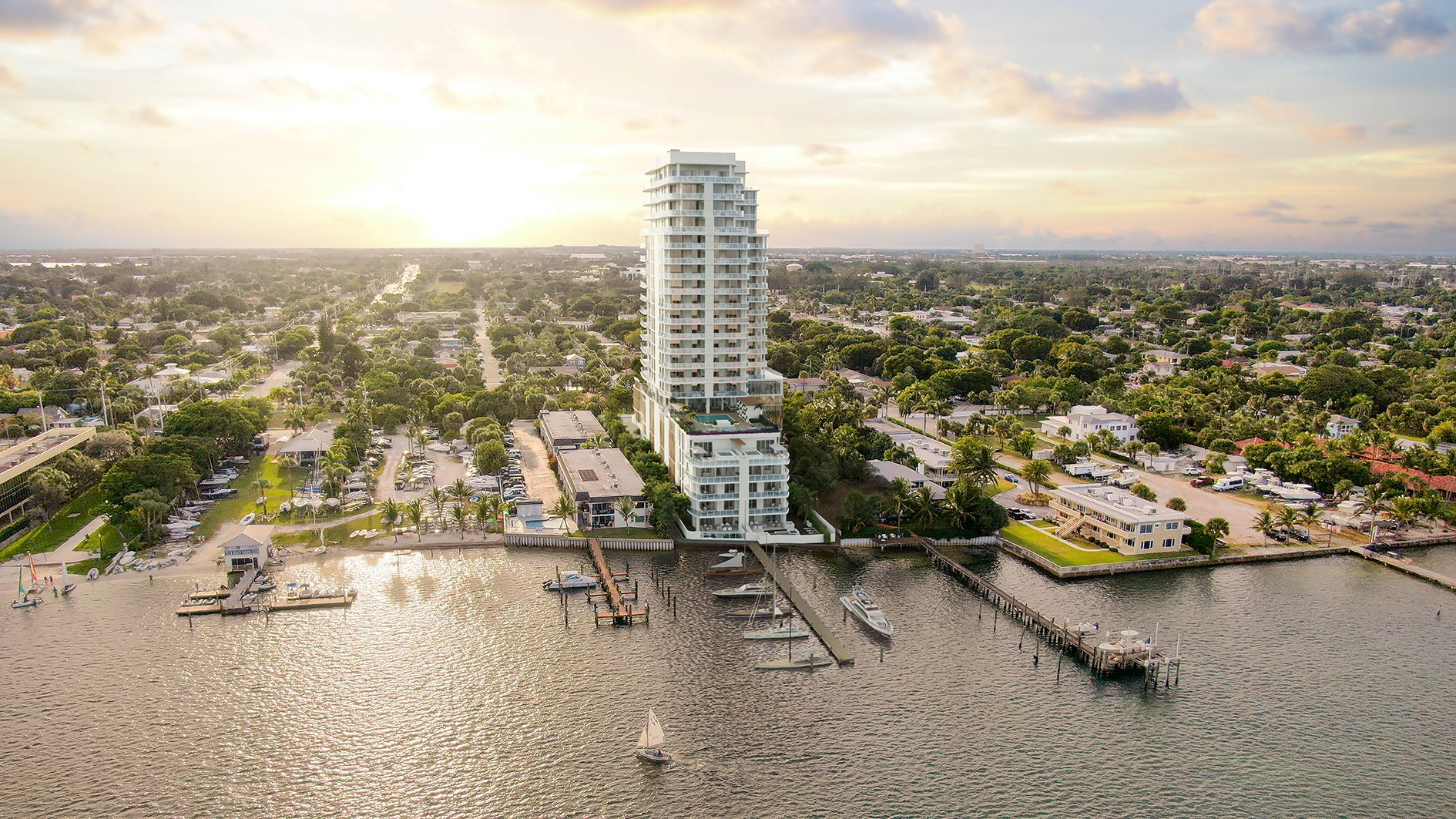
For buyers who want Wellington proximity without an equestrian operating footprint, West Palm Beach can serve as an elegant home base with season-driven flexibility. A refined waterfront tower such as Forté on Flagler West Palm Beach can appeal to owners who spend days at the showgrounds and return at night to a full-service residence.
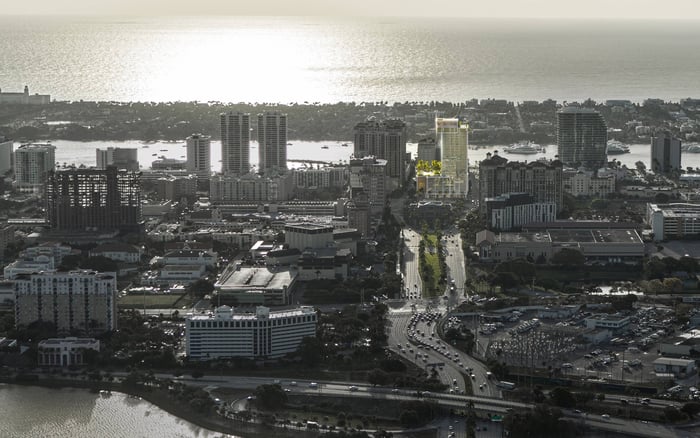
West Palm Beach continues to attract major financial firms, and highly visible corporate moves have reinforced the city’s credibility as a business address. For luxury real estate, the implication is straightforward: demand expands beyond traditional seasonal residents to include executives and teams seeking proximity to downtown offices, airport access, and a true weekday rhythm.
In 2026, this buyer tends to value walkability, service, and predictable building operations. They may also favor homes that function as “quiet infrastructure”-residences that are easy to secure, maintain, and leave. That is why new and emerging condo inventory matters here, even when single-family headlines dominate elsewhere.
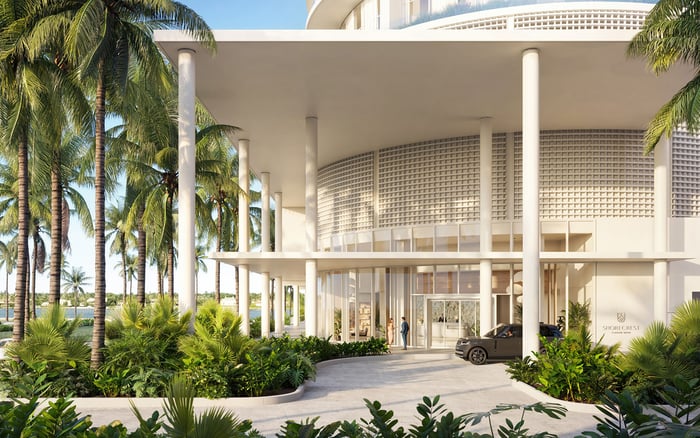
If you want a modern West Palm Beach living experience with a residential focus, Alba West Palm Beach offers a clear lens into where design-forward vertical living is headed. For buyers who want a strong Flagler Drive identity, Shorecrest Flagler Drive West Palm Beach likewise reflects the appeal of waterfront orientation and a polished, lock-and-leave posture.
Even sophisticated buyers can misread market stats when they treat Palm Beach County as a single neighborhood. County-wide metrics span a wide range of submarkets, and the island behaves differently than inland communities. Still, the county snapshot is useful for understanding negotiating conditions.
Months of supply has tended to be tighter for single-family than for condos, and time-to-contract has historically been shorter for single-family than for condos as well. For 2026 planning, that gap can guide tactics: a signature single-family opportunity may demand faster decision-making, while a condo buyer may have slightly more room to negotiate and complete due diligence.
Cash is another defining feature. All-cash transactions represent a remarkably large share of activity, especially in the condo segment. In practical terms, this shifts how sellers define “certainty.” If you are financing, the strongest move is often not to stretch price, but to reduce friction: higher earnest money where appropriate, clean contingencies, and a lender and timeline that feel inevitable.
Luxury in Palm Beach County is not only lifestyle-it is financial architecture. Florida’s lack of state personal income tax remains a powerful magnet for relocation, and it is often part of the “why now” narrative for buyers arriving from high-tax states.
Add Florida’s homestead framework-which can reduce taxable value for a primary residence and limits assessment increases-and residency choices and property choices become linked. In 2026, many households treat a home purchase as a long-range planning decision rather than a purely discretionary one.
The practical takeaway: align your purchase structure with your use plan early. Whether a home is a primary residence, a seasonal base, or a family compound influences not only taxes, but also how you should evaluate ongoing carrying costs and the level of service you want from the property.
A clear decision framework prevents expensive misalignment.
Choose Palm Beach if your non-negotiables are coastal prestige, privacy, and a market where scarcity is reinforced by geography. Here, you are typically buying irreplaceability. You may accept older housing stock or more complex renovation paths because the location is the asset.
Choose Wellington if you need equestrian functionality or want proximity to a world-class seasonal circuit. In this market, “best value” often means “best fit.” A home that reduces daily friction can outperform a prettier home that complicates operations.
Choose West Palm Beach if you want city energy, convenience, and a residence that behaves like a high-end instrument: easy to use, easy to maintain, and close to business and dining. For many 2026 buyers, West Palm Beach also serves as a strategic midpoint-close to Palm Beach’s island lifestyle and within reach of Wellington’s season.
Across all three, the buyers who win are the ones who define their lifestyle brief with precision before touring. In a market where scarcity, seasonality, and urban momentum overlap, clarity is leverage.
Is Palm Beach island land truly limited? Yes. As a barrier island roughly 16 miles long, its developable footprint is inherently constrained.
Do Palm Beach County market stats describe Palm Beach island perfectly? Not exactly. County-level numbers blend multiple submarkets, so island-specific conditions can differ.
Is Wellington primarily an equestrian market? Yes. The community is built around equestrian infrastructure, including extensive bridle trails.
What anchors Wellington’s polo scene? The USPA National Polo Center is located in Wellington and supports a robust seasonal calendar.
Are Wellington luxury price metrics stable quarter to quarter? They can be volatile because high-end segments may have few sales, which can swing medians.
Why do Wellington rentals spike in winter? Seasonal equestrian demand near showgrounds often commands premium weekly rates.
What is changing in West Palm Beach demand? A growing financial presence is reinforcing demand for walkable, full-service urban residences.
Is cash common in Palm Beach County luxury transactions? Yes. Cash represents a large share of sales, particularly for condos.
Why do buyers focus on Florida residency and taxes? Florida has no state personal income tax and offers a homestead structure that can benefit primaries.
What is the simplest way to pick the right submarket? Match the location to your daily use case: island privacy, equestrian function, or urban convenience.
To compare the best-fit options with clarity, connect with MILLION Luxury.
If branded residences are on your mind — as a home or as an allocation — we would be glad to share what we are seeing, privately.
Begin a quiet conversation