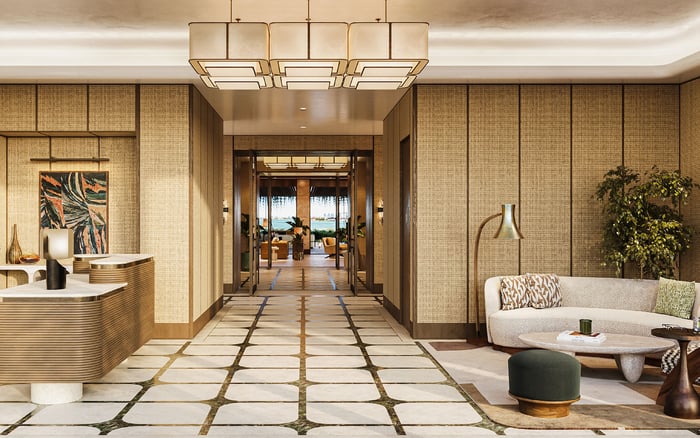
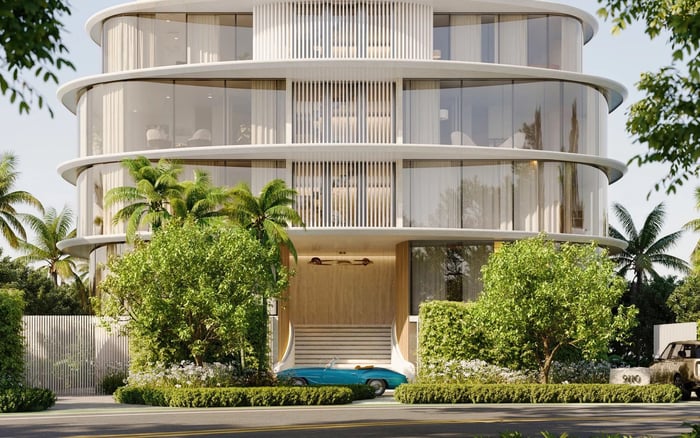
Palm Beach and Miami Beach sit on the same coastline but deliver fundamentally different versions of luxury. One is defined by legacy architecture, ritual, and low-density discretion. The other trades in cultural velocity, global visibility, and a condo market that remains notably liquid at the very top. For buyers weighing a primary move, a seasonal base, or a generational asset, the decision usually comes down to how you want privacy, preservation, and lifestyle to work together day to day.
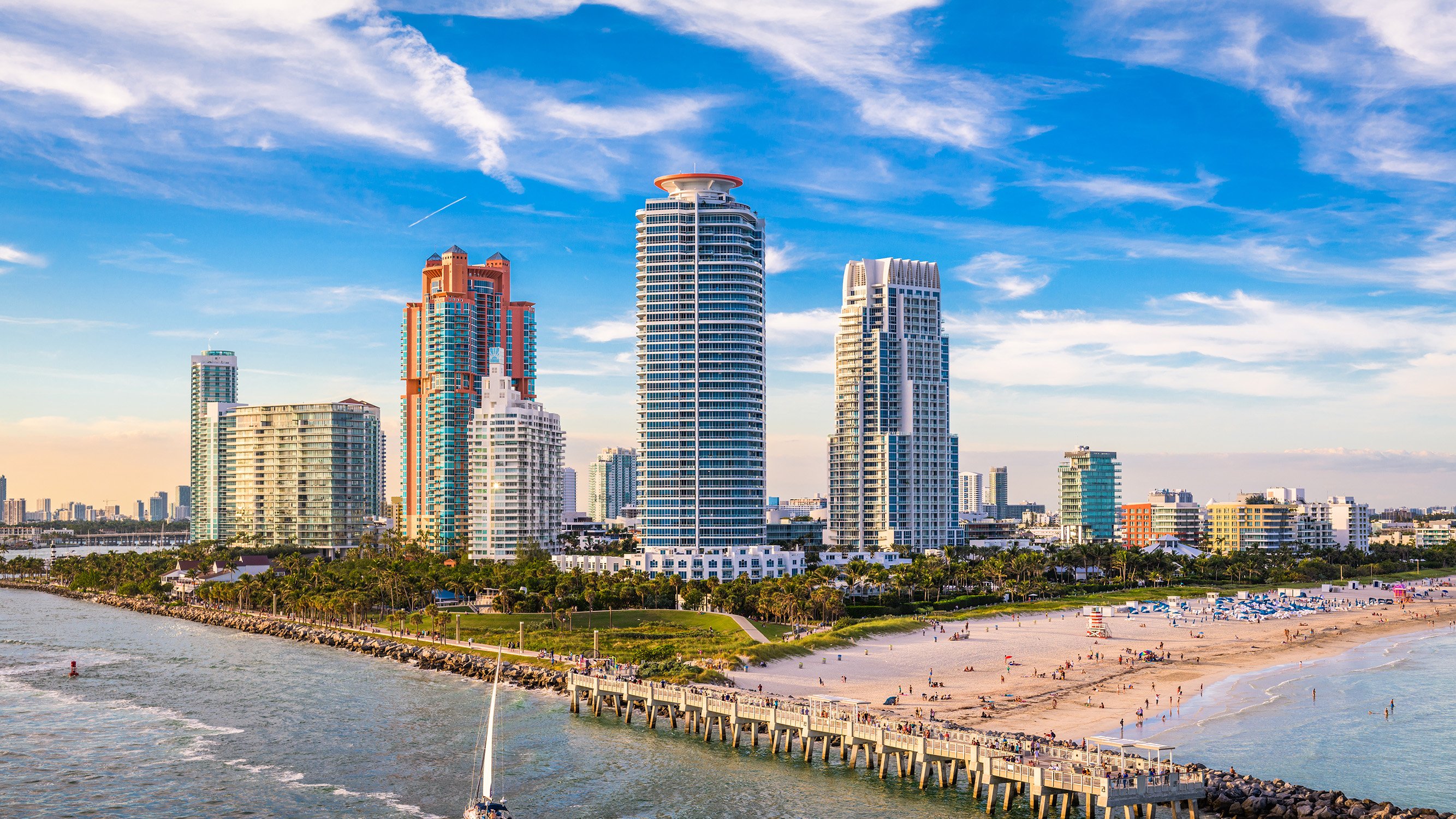
South Florida’s most prized addresses sit on barrier islands, yet the day-to-day experience can feel dramatically different. Palm Beach presents like an established private club rendered as a town: measured streetscapes, historic glamour, and a pace built for longevity. Miami Beach reads more like a cultural capital on the sand: architecture that performs, a calendar shaped by global events, and neighborhoods that can move quickly from “in demand” to “iconic.”
For a luxury buyer, the decision is rarely about which market is “better.” It is about which market best matches your priorities around discretion, design continuity, and how a home supports your lifestyle every week, not just on weekends.
Palm Beach’s luxury identity is anchored in its early 20th-century building boom, when architects helped codify what many still consider the quintessential Old Florida aesthetic. Addison Mizner is credited with popularizing Mediterranean Revival in Palm Beach, setting a tone that continues to signal historic glamour. Marion Sims Wyeth arrived in 1919 and went on to complete more than 700 commissions over the course of his career, reinforcing a design language that prizes proportion, restraint, and permanence.
That continuity matters because Palm Beach remains physically and socially compact. The town’s year-round population is about 9,200, and its median age is around 70, reflecting ownership that often skews long-term and multigenerational. The median household income is about $175,000, aligning with the concentration of high-net-worth households and legacy wealth that shape the island’s norms.
This is also why “visibility” in Palm Beach works differently. In a small market, scarcity and discretion tend to reinforce each other: fewer opportunities, fewer immediate neighbors, and a social fabric where privacy is the default setting.
Miami Beach does not have a single luxury narrative. It is a set of distinct neighborhood codes, each with its own pace, architecture, and definition of prestige. South Beach can be exuberant and high-energy, in part because Ocean Drive is a marquee nightlife corridor with a globally recognizable brand. At the same time, Miami Beach includes more controlled residential pockets where the rhythm is quieter and more insulated.
A prime example is South of Fifth, a marquee enclave associated with ultra-luxury condo living and a calmer feel than the rest of South Beach. On the opposite end of the privacy spectrum sits Fisher Island, frequently described as America’s wealthiest or most expensive ZIP code and synonymous with ultra-private, ultra-luxury living.
What links these submarkets is a cultural flywheel. Art Basel, held annually in December at the Miami Beach Convention Center, is a cornerstone event that reinforces Miami Beach as a place where residential ownership can feel intertwined with art, hospitality, and international travel.
Luxury conversations often focus on views and finish level. The more sophisticated conversation is about certainty: what will stay the same, and what could change around you. Miami Beach is widely associated with preservation at scale. The Art Deco Historic District is promoted as the world’s largest collection of Art Deco buildings, with more than 800 structures. Preservation districts are often positioned as a way to limit disruptive redevelopment and protect neighborhood character.
Palm Beach achieves a comparable outcome through different means. Its architectural legacy, dominated by recognizable historic styles and celebrated designers, creates an implicit expectation that the streetscape should remain cohesive.
In both markets, the practical takeaway is straightforward: long-term value is partly shaped by what can and cannot change beyond your property line.
In Palm Beach, lifestyle tends to organize around institutions. The Breakers is central to the island’s identity and operates two championship golf courses, the Ocean Course and the Rees Jones Course. The Ocean Course traces back to 1897 and was renovated by Rees Jones in 2018. The Rees Jones Course reopened in December 2022 after an extensive renovation. If golf is part of your weekly rhythm, Palm Beach offers a cohesive ecosystem where the social and recreational calendar feels established rather than event-driven.
Retail is similarly codified. Worth Avenue is Palm Beach’s iconic luxury shopping district, known for designer retail and a curated, upscale streetscape. It is less “destination shopping” and more a daily-life amenity that reinforces the town’s polished, walkable core.
Miami Beach tends to reward buyers who want a wider range of energy levels. The Collins Avenue and Ocean Drive shopping district is promoted for fashion, boutiques, and visitor-friendly luxury retail. Add signature nightlife corridors plus the annual spike of Art Basel, and Miami Beach becomes compelling for owners who prefer their residence adjacent to motion, not sheltered from it.
Miami Beach’s ultra-prime value often expresses through branded, amenitized condominium living. In Q3 2025, Miami’s luxury condo market reported a median sales price of about $1.8M and a median price per square foot of about $995. In that same period, the $2M+ condo segment posted 152 closed sales, up roughly 15% year over year, signaling continued liquidity at the high end. South Beach luxury condos were reported at about $1,538 per square foot in Q3 2025, up from about $1,123 per square foot a year earlier.
For buyers who prefer turn-key living and a managed lifestyle, liquidity can matter as much as the view. It supports the idea that Miami Beach’s top-tier condo market has a deep bench of demand.
This is the context in which residences like 57 Ocean Miami Beach and Shore Club Private Collections Miami Beach resonate with a certain buyer mindset: the home functions as a private retreat and a hospitality-adjacent asset aligned with a global luxury consumer.
Palm Beach trophy value can be equally stratospheric, but it is more often discussed in the language of estates and legacy parcels. A Palm Beach-area trophy listing was marketed at $105M in January 2026, illustrating the ceiling that top-tier coastal assets can reach.
Miami Beach can also deliver headline-making estate outcomes. A $120M Star Island sale was reported among Miami-Dade’s biggest 2025 home transactions, underscoring that the single-family trophy tier remains very real even in a market known for condominium prestige.
Luxury buyers make better decisions when they define the property’s primary purpose first.
If your priority is continuity, Palm Beach can excel. The town’s small scale, recognizable architectural lineage, and institution-driven lifestyle often suit buyers who want a home that feels insulated from rapid change.
If your priority is access, Miami Beach can be the stronger fit. Here, neighborhood selection becomes the art: South of Fifth for quieter prestige within South Beach’s orbit, Fisher Island for maximum privacy, or a broader Miami Beach corridor for a more social, city-facing life.
If you are deciding between a low-touch condo lifestyle and a more hands-on estate, map your time. Owners who travel frequently often prefer a residence where building-level services reduce friction. In that context, Setai Residences Miami Beach and The Ritz-Carlton Residences® Miami Beach represent the kind of Miami Beach positioning many luxury buyers seek: a strong service culture paired with beachfront appeal.
Both Palm Beach and Miami Beach benefit from Florida’s tax profile, often cited as a driver for high-net-worth relocation. Florida has no state income tax, no state estate tax, and no state gift tax. For primary residents, the homestead exemption and the Save Our Homes cap can be meaningful in long-term cost planning because assessed-value growth on a primary residence is limited.
Sophisticated buyers also underwrite the costs that can erode those advantages. Elevated homeowners insurance and storm-related coverage can materially offset some tax savings, particularly for coastal homes exposed to wind and flood risk.
Treat tax benefits as a tailwind, not a substitute for due diligence. In both markets, model all-in carrying costs conservatively.
Is Palm Beach primarily a seasonal market? Palm Beach has a strong seasonal cadence, but its year-round population base is established and stable.
What defines Palm Beach’s architectural identity? Mediterranean Revival and related Old Florida luxury aesthetics, shaped by architects like Addison Mizner and Marion Sims Wyeth.
How important is preservation in Miami Beach? Very. The Art Deco Historic District is widely promoted as the world’s largest collection of Art Deco buildings, and preservation districts are associated with character certainty.
Where is Miami Beach’s quiet-luxury pocket in South Beach? South of Fifth is widely known for ultra-luxury condos and a calmer feel than the rest of South Beach.
What is Fisher Island known for? Fisher Island is frequently described as one of the wealthiest, most exclusive ZIP codes in the U.S., associated with ultra-private living.
What is the cultural event that most affects Miami Beach each year? Art Basel in December is a cornerstone event that draws international collectors and global attention.
What are Palm Beach’s signature lifestyle anchors? Worth Avenue for curated luxury retail and The Breakers for a flagship resort ecosystem, including championship golf courses.
What do recent market signals suggest about Miami’s luxury condo liquidity? Q3 2025 data showed a median price near $1.8M and 152 closed sales in the $2M+ segment, indicating active high-end demand.
Do Florida tax advantages apply equally in both markets? Yes. The statewide profile includes no state income tax and no state estate or gift tax, with homestead benefits for primary residences.
What is the biggest cost risk coastal buyers underestimate? Insurance and storm-related coverage costs can be materially higher than expected for waterfront property.
For a discreet, buyer-first view of South Florida’s premier addresses, connect with MILLION Luxury.
If branded residences are on your mind — as a home or as an allocation — we would be glad to share what we are seeing, privately.
Begin a quiet conversation