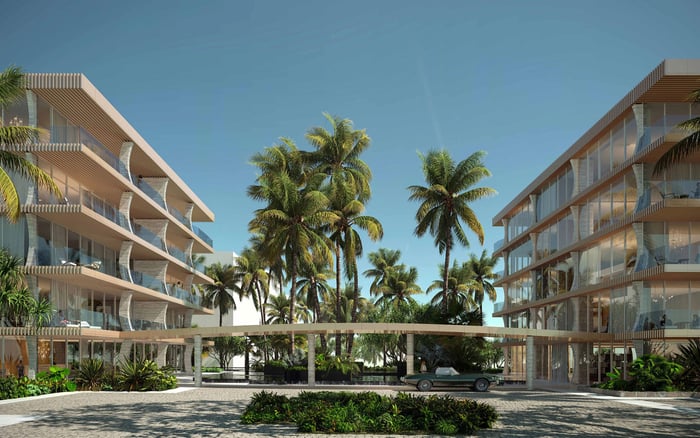
A discreet, practical guide for Palm Beach condominium buyers evaluating monthly fees, reserve funding, special assessments, and the long-term ownership profile of a luxury residence.

For a Palm Beach condominium buyer, the monthly fee is never just a recurring expense. It is a portrait of the building’s service philosophy, maintenance discipline, staffing expectations, amenity culture, insurance posture, and long-term capital planning. In the luxury tier, where privacy, arrival experience, waterfront exposure, and building condition matter as much as square footage, the sharper question is not simply whether the fee is high or low. It is what the fee is designed to protect.
A polished residence with a low monthly obligation can still carry future uncertainty if the association has deferred capital needs. Conversely, a higher fee may be entirely rational in a building that maintains a robust service program, disciplined preventive maintenance, and a thoughtful reserve plan. The discerning buyer reads the fee as part of the architecture of ownership.
This is especially relevant for buyers comparing Palm Beach island residences with nearby West Palm Beach options such as Alba West Palm Beach, where lifestyle, amenity programming, and building format may differ from a more traditional coastal condominium. Each building has its own financial rhythm, and the strongest purchase decisions come from understanding that rhythm before signing.
A condominium fee is the shared cost of operating the property. In a luxury building, that may include staffing, maintenance, common-area utilities, landscaping, pool and amenity upkeep, management, security systems, elevator service, building systems, and other association-level obligations. The precise inclusions matter. Two buildings with similar monthly fees may be delivering very different ownership experiences.
Buyers should ask for the current budget, the fee schedule, any recent changes, and the association’s explanation of major expense categories. A concierge-rich building with valet, staffed amenities, and extensive common areas will naturally have a different cost profile than a quieter boutique property. The issue is not whether one is better. It is whether the fee aligns with the buyer’s expectations for service, privacy, and predictability.
In the ultra-premium market, a fee should also be assessed against the quality of execution. Are common areas maintained with the same care as the residences? Are service levels consistent? Does management communicate clearly? A building’s financial culture often reveals itself in small details long before it appears in a formal document.
Reserve funding is one of the most important subjects in a condominium purchase because it speaks to future readiness. Reserves are intended to help address major shared components and capital needs over time. A buyer should understand what the reserve schedule covers, how contributions are calculated, and whether the association appears to plan proactively or reactively.
The reserve conversation is not about fear. It is about stewardship. Buildings age, systems require attention, finishes eventually need renewal, and coastal properties demand careful maintenance. A well-run association anticipates these realities and communicates them with clarity.
For buyers considering new-construction, reserve questions still matter, though the emphasis may differ. A newer building may begin with a different capital profile than an established resale condominium, but every association needs a credible plan for the future. A polished sales gallery should never replace review of the governing documents, budget, projected expenses, and association structure.
This is why a buyer evaluating Palm Beach Residences should look beyond the residence itself and study the building’s ownership framework. The residence may be the emotional decision, but the association is part of the financial decision.
A special assessment is best understood as an additional association charge for a specific need or project. It may relate to capital work, repairs, improvements, insurance changes, or other association obligations. The presence of an assessment is not automatically negative, just as the absence of one is not automatically reassuring.
The key is context. What is the purpose? Was it anticipated? Has the scope been defined? Are there multiple phases? Is the payment due at once or over time? Has the seller paid it, will it be prorated, or will the buyer assume it after closing? These are contract and diligence questions that should be handled carefully.
A thoughtful buyer also asks whether an assessment improves the long-term position of the building. A well-executed capital project may strengthen the property’s condition, presentation, and resilience. A poorly explained assessment, by contrast, can point to weak planning or communication. The distinction is critical.
The Palm Beach ownership conversation often includes neighboring West Palm Beach options because buyers may be weighing island prestige against newer amenity formats, different building scales, and varied access to dining, culture, marinas, and private clubs. The right comparison is not only price per square foot. It is total ownership character.
At Forté on Flagler West Palm Beach, a buyer may frame the question around waterfront living, services, and the ease of a lock-and-leave lifestyle. At The Ritz-Carlton Residences® West Palm Beach, branded residential expectations may place additional emphasis on service consistency and amenity delivery. In each case, the monthly fee should be evaluated as part of the residence’s promise.
Oceanfront buyers should be particularly attentive to maintenance culture. Waterfront exposure can elevate the living experience, but it also makes building care and association planning central to long-term confidence. A second-home buyer may value simplicity and service above all else, while a full-time resident may scrutinize operating quality in more granular detail.
Before closing, buyers should review the association budget, financial statements if available, reserve information, meeting minutes, insurance-related materials, governing documents, rules, pending assessment notices, litigation disclosures if applicable, and any capital project communications. The goal is not to become the property manager. The goal is to understand what ownership will actually feel like after the closing dinner is over.
Meeting minutes can be especially revealing because they show what the community has been discussing. Repeated concerns about repairs, service consistency, noise, staffing, elevators, water intrusion, amenity rules, or budget pressure may warrant deeper inquiry. Conversely, clear communication and orderly decision-making can be signs of a mature association culture.
Luxury buyers often focus intensely on finishes, views, and floor plans. Those remain essential. Yet in condominium ownership, the shared enterprise is equally important. A beautiful private residence inside a poorly governed building is not the same asset as a beautiful residence inside a well-capitalized, well-managed community.
The most sophisticated buyers underwrite the full experience. They ask what they are buying today, what they may be asked to fund tomorrow, and whether the association’s behavior supports the property’s long-term standing. They compare fees against services, reserves against likely needs, and assessments against the quality of the plan.
They also avoid simplistic comparisons. A lower fee may appeal at first glance, but if it comes with thin reserves, deferred projects, or unclear communication, the apparent savings may be misleading. A higher fee may be justified if it preserves service, building condition, and ownership ease. Value lies in alignment.
For Palm Beach buyers, the best diligence is calm, detailed, and unemotional. The residence should delight. The documents should reassure. The association should feel organized. When all three are present, the monthly fee becomes less of a burden and more of a reflection of the lifestyle being protected.
What should I review first when evaluating condo fees? Start with the current budget, fee schedule, reserve information, and recent meeting minutes to understand both operating costs and future priorities.
Is a high condo fee always a warning sign? No. A higher fee may support staffing, amenities, maintenance, and reserves, but it should be justified by the building’s service model and financial discipline.
Can a low condo fee be risky? It can be if the association is underfunding reserves, deferring maintenance, or relying on future assessments to cover predictable needs.
What is the most important question about reserves? Ask whether the reserve plan appears realistic for the building’s age, systems, condition, and anticipated capital projects.
Should I avoid a building with a special assessment? Not necessarily. Understand the purpose, amount, timing, payment terms, and whether the assessment addresses a meaningful long-term improvement.
Who usually pays a special assessment during a sale? Payment responsibility is typically addressed in the purchase contract and closing negotiation, so buyers should confirm the terms before committing.
Do new buildings need the same level of review? Yes. Newer properties still require careful review of budgets, association structure, rules, and the plan for future reserve funding.
Why do similar buildings have different fees? Differences may reflect staffing, amenities, insurance, building systems, management choices, reserve contributions, and the scale of shared spaces.
What should second-home buyers prioritize? They should focus on service reliability, maintenance quality, access procedures, management communication, and predictable carrying costs.
When should I bring in professional guidance? Bring in qualified legal, financial, and property advisory support before the contract period expires, especially when assessments or reserve concerns appear.
For a confidential assessment and a building-by-building shortlist, connect with MILLION.
If branded residences are on your mind — as a home or as an allocation — we would be glad to share what we are seeing, privately.
Begin a quiet conversation