A buyer-focused look at how Palm Beach Gardens and Jupiter differ on walkability, privacy, daily service standards, and second-home living expectations.
Palm Beach Gardens and Jupiter sit close enough that buyers often consider them in the same conversation, yet they answer very different questions. The choice is not only commute time, club access, or proximity to the water. At the luxury level, it is how a resident expects daily life to unfold from the moment the garage opens to the moment dinner reservations, wellness appointments, boat plans, or household schedules begin to intersect.
Palm Beach Gardens generally appeals to buyers who want order, polished service, and a highly managed rhythm. Jupiter tends to feel more open-ended, with a lifestyle shaped around the water, casual dining, boating, and a looser sense of neighborhood movement. Neither is inherently more sophisticated. The more important question is which version of convenience feels natural.
For the MILLION buyer, walkability should be evaluated less as a score and more as a sequence. Can one move from home to coffee, fitness, dinner, a club, or a waterfront appointment without friction? Is the experience elegant, shaded, secure, and intuitive? Does the neighborhood reward spontaneity, or does it perform best when the day is arranged in advance?
Palm Beach Gardens often suits residents who prefer convenience with a degree of orchestration. The lifestyle leans toward controlled environments, private residential enclaves, club culture, refined shopping, wellness routines, and homes that function as compounds for family, staff, guests, and seasonal entertaining. Walkability may exist in select pockets, but the broader luxury experience is usually defined by ease of arrival, parking, valet expectations, private drives, and the ability to move between appointments without unnecessary exposure.
This is where service expectations become particularly important. A buyer drawn to Palm Beach Gardens may care less about strolling five blocks and more about how seamlessly a property supports deliveries, vendors, visiting family, private chefs, trainers, pet care, landscape teams, and club schedules. The home is not merely a residence. It is an operating environment.
That operating environment often favors larger footprints, deeper privacy, and a more traditional hierarchy of spaces. A gated-community preference is not only about security. It can also reflect a desire for predictability: controlled entry, quieter streets, consistent maintenance, and a residential tone that remains composed even during peak season.
Golf also plays a meaningful role in the way many buyers understand Palm Beach Gardens. Even for those who do not play daily, the presence of club-centered living can influence social cadence, dining habits, guest entertainment, and the perceived prestige of an address. In this context, walkability can mean walking within a club or private residential setting rather than along a public retail corridor.
Jupiter speaks to a different luxury instinct. Its appeal is often tied to a relaxed coastal rhythm, where access to the water, outdoor dining, boating, and casual elegance can matter as much as formal service. The lifestyle can feel less staged, which is precisely the attraction for buyers who want refinement without constant polish.
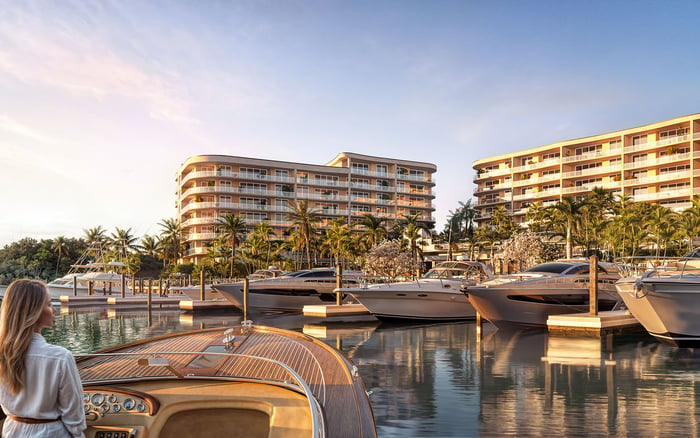
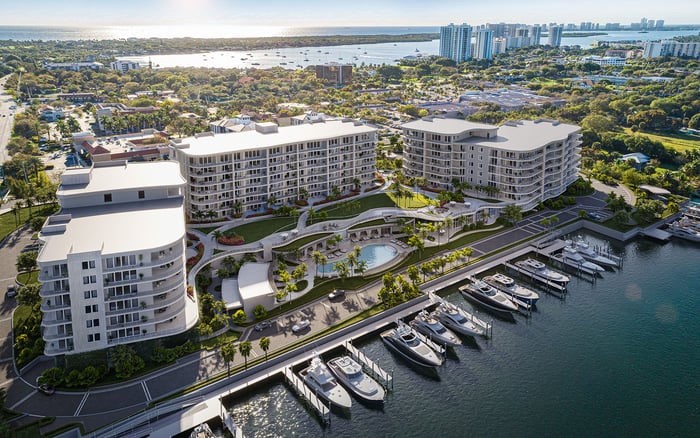
In Jupiter, walkability is frequently about destination quality. A buyer may not expect every errand to be pedestrian-friendly, yet may value the ability to move easily between a favored restaurant, a marina-oriented plan, a morning walk, or an afternoon on the water. Marina proximity can become a practical lifestyle anchor, especially for residents whose weekends are shaped by tides, guests, and weather rather than by a fixed social calendar.
The service expectation is also different. Jupiter buyers may still want high performance from staff, property managers, captains, cleaners, and vendors, but the tone is often more casual. The ideal is not necessarily white-glove formality. It may be responsiveness without fuss, excellent maintenance without visible ceremony, and a home that can pivot from quiet family time to a spontaneous evening with friends.
This makes Jupiter especially appealing to buyers who see luxury as freedom. The experience can be elegant, but it is not always formal. It can support a second-home pattern in which the owner arrives for a long weekend and wants the property, vehicles, boat plans, pets, pantry, and outdoor spaces ready without turning the visit into an event.
In many urban markets, walkability is treated as a simple measure of proximity. In Palm Beach Gardens and Jupiter, that approach is too blunt. A half-mile walk that feels exposed, hot, poorly connected, or visually unappealing may matter less than a short drive that is calm, scenic, and efficient. Conversely, a compact lifestyle district can feel valuable if it lets residents enjoy dinner, coffee, fitness, or the waterfront without engaging a car every time.
The best evaluation begins with the buyer’s actual day. A family with school-age children, club commitments, multiple vehicles, and house staff will define convenience differently from a couple seeking a lock-and-leave base for boating and dining. A pet owner may prioritize shaded routes, easy outdoor transitions, and service providers who can access the property reliably. A host may care about guest arrival, valet experience, and the ability to move entertaining from pool to terrace to dining room without disrupting the private areas of the home.
Waterview preferences also complicate walkability. A buyer may accept less pedestrian connectivity in exchange for a stronger visual relationship to water, privacy, or outdoor living. Another may choose a more connected setting because daily energy matters more than an expansive view. In both towns, the right answer is personal, but the trade-off should be deliberate.
Palm Beach Gardens tends to reward the buyer who wants a refined system. The ideal residence may need to absorb a layered lifestyle: family offices, visiting relatives, club events, seasonal entertaining, medical and wellness appointments, and a consistent rotation of household support. The service standard is often measured by invisibility. Everything should function, but very little should feel improvised.
Jupiter tends to reward the buyer who wants readiness. The home should be maintained beautifully, but the mood may be more relaxed. The owner wants to arrive, exhale, and use the property immediately. If boating is part of the lifestyle, coordination matters. If outdoor living is central, the home must handle humidity, salt air, storage, equipment, and guests with ease.
For single-family homes, these distinctions become even sharper. Palm Beach Gardens buyers may focus on community structure, estate management, club adjacency, and privacy. Jupiter buyers may focus on water access, informal entertaining, outdoor durability, and the ease of moving between home, dock, dining, and beach-oriented routines. Both can be luxurious. They simply organize luxury differently.
In Palm Beach luxury vocabulary, this is the difference between choreography and flow. One buyer wants the day elegantly managed. Another wants the day to remain open, with the infrastructure quietly in place when needed.
A disciplined buyer should test each location through three questions. First, where will you spend the first hour of the morning? If the answer is a club, trainer, school route, or private office, Palm Beach Gardens may feel intuitive. If the answer is water, open air, a casual breakfast, or a flexible outdoor routine, Jupiter may feel more aligned.
Second, how visible do you want service to be? Some households prefer staff, vendors, and property management to operate in a formal and predictable manner. Others prefer a lighter touch, provided the results are excellent. This distinction affects floor plan, driveway design, storage, guest circulation, and even the kind of neighborhood that feels comfortable.
Third, what does spontaneity mean to you? In Palm Beach Gardens, spontaneity may be the ability to decide on dinner, a club visit, or a guest arrival knowing the surrounding system will support it. In Jupiter, spontaneity may mean changing plans because the weather is perfect, the boat is ready, or friends are nearby.
The most successful purchase is not the one that wins a generic comparison. It is the one that matches the buyer’s private operating style.
Is Palm Beach Gardens generally more service-oriented than Jupiter? It often feels more structured and service-forward, especially for buyers who value club culture, privacy, and managed residential environments.
Is Jupiter more walkable than Palm Beach Gardens? It depends on the specific pocket and the buyer’s destinations. Jupiter can feel more spontaneous around coastal and waterfront routines, while Palm Beach Gardens may feel more curated.
Which area is better for boating-oriented buyers? Jupiter is often favored by buyers who want a lifestyle shaped around water access and marina routines, though the best fit depends on the exact property.
Which area suits a more formal household? Palm Beach Gardens may suit households that prefer structured service, controlled arrivals, and a more composed residential cadence.
Which area is better for a second-home buyer? Both can work, but Jupiter may appeal to buyers seeking relaxed weekend use, while Palm Beach Gardens may suit those wanting a more managed seasonal base.
Does walkability matter less in luxury markets? It matters differently. Comfort, shade, privacy, destination quality, and arrival experience can be more important than simple walking distance.
Are single-family homes the main comparison point? They are often central to the conversation because privacy, service access, outdoor living, and guest circulation are easier to evaluate in detached residences.
How should buyers compare golf access? Buyers should consider not only the sport, but also the social rhythm, dining, wellness, and guest experience that can come with club-centered living.
Is a gated community always preferable? Not always. It is preferable when controlled access, consistency, privacy, and a quieter residential tone are central to the buyer’s priorities.
What is the best way to shortlist comparable options for touring? Start with location fit, delivery status, and daily lifestyle priorities, then compare stacks and elevations to validate views and privacy.
If you'd like a private walkthrough and a curated shortlist, connect with MILLION.
If branded residences are on your mind — as a home or as an allocation — we would be glad to share what we are seeing, privately.
Begin a quiet conversation