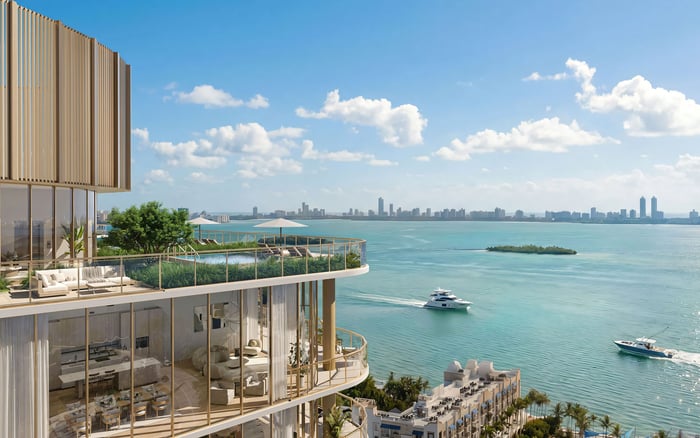
A practical framework for assessing a Wynwood residence through daily convenience, social access, building operations, carrying costs, and long-term flexibility.

Buying in Wynwood is not simply a matter of floor plan, view, or finish package. For a luxury buyer, the more consequential question is whether the address supports the desired rhythm of ownership. A residence may serve as a primary home, an urban pied-à-terre, a social base, or an investment asset, but each use places different weight on walkability, privacy, hospitality, and building management.
The district should therefore be assessed at the scale of an individual block, not through a broad neighborhood narrative. Proximity on a map does not automatically translate into a comfortable routine. The ownership equation begins with the actual path from the lobby to coffee, dinner, fitness, work, and evening plans.
Walkability is personal. A five-minute route may feel effortless in one direction and inconvenient in another, depending on crossings, shade, lighting, traffic, weather exposure, and the transition between active and quieter streets. Buyers should walk their likely routes in the morning, afternoon, and evening, preferably on both a weekday and a weekend.
Start at the building entrance. Consider whether arrival feels composed, whether valet activity conflicts with pedestrian movement, and whether guests can identify the lobby without confusion. Then test the destinations that matter to your lifestyle. Bars may be an advantage for one owner and a source of unwanted activity for another. The same distinction applies to galleries, restaurants, fitness studios, and late-night venues.
A local option such as Frida Kahlo Wynwood Residences belongs in an on-foot comparison, while Kempinski Residences Miami Design District can help a buyer contrast Wynwood with a nearby setting. The objective is not to declare one superior, but to determine which daily geography feels most natural.
Being near a club is not the same as belonging to it. Membership may involve an application, separate dues, guest rules, reservation policies, operating schedules, or changing terms. None of these privileges should be treated as part of a residential purchase unless expressly documented.
Ask how often you would realistically use the venue, at what hours, and with whom. A club suited to business lunches may not serve family dinners. A lively social room may be useful for entertaining but less relevant to an owner who values discretion. Club access carries the greatest residential value when it removes friction from a routine you already maintain.
Apply the same discipline to private dining. Clarify whether the phrase refers to a residents-only room, a reservable event space, in-residence service, preferred restaurant access, or simply proximity to dining. These are materially different experiences. Review fees, minimum spends, booking windows, cancellation terms, catering rules, alcohol policies, staffing, and guest limits before assigning value.
Even the most beautiful residence can disappoint if its operations do not meet the owner’s expectations. Examine arrival, security, package handling, deliveries, rideshare circulation, valet procedures, service access, guest registration, and after-hours staffing. For second-home ownership, ask how the building handles extended absences, vendor entry, maintenance visits, and emergency communication.
A boutique building may offer a more intimate atmosphere, but scale alone does not determine service quality. Larger properties may provide broader amenity programs, yet buyers should still understand capacity, reservation systems, and peak-hour demand. Request the relevant governing documents, budgets, rules, fee schedules, and management information, then have qualified advisers review them.
Nearby alternatives can sharpen the analysis. Villa Miami provides an Edgewater comparison, while ORA by Casa Tua Brickell offers a Brickell reference point. Compare not only imagery and amenity language, but also how each address would shape transportation, hosting, privacy, and time spent outside the building.
Convenience has value, but it should not become an unsupported premium. Build a personal ownership model that includes purchase costs, recurring assessments, insurance, taxes, parking, club dues, dining commitments, transportation, and expected time in residence. Distinguish costs attached to the property from optional memberships or hospitality services that may change independently.
For an investment-oriented purchase, avoid assuming that nearby nightlife or private access will automatically improve rentability, appreciation, or resale. Review use restrictions, leasing provisions, approval procedures, minimum lease terms, transfer fees, and the likely buyer profile for the unit. Flexibility can be valuable, but only when the governing documents permit the intended strategy.
Score each candidate residence across five categories: daily walkability, social access, privacy, building operations, and financial flexibility. Weight each category according to actual use rather than aspiration. A primary resident may prioritize morning convenience and service consistency, while a seasonal owner may place greater value on lock-and-leave procedures and guest arrival.
Before signing, complete one final visit without a sales itinerary. Walk the route after dinner, observe the entrance during a busy period, test mobile reception, note ambient sound from inside the residence, and estimate the true time required to reach frequent destinations. The best Wynwood purchase is not necessarily the address closest to the most venues. It is the one where access, retreat, and operating costs remain in balance.
How should a buyer test walkability in Wynwood? Walk the exact door-to-door routes you expect to use at several times of day, noting crossings, traffic, lighting, shade, and weather exposure.
Does proximity to a private club guarantee access? No. Membership, dues, guest privileges, reservations, and other terms should be verified independently and in writing.
What does private dining access usually require buyers to clarify? Confirm who operates it, who may book it, applicable fees, guest limits, catering policies, staffing, and cancellation terms.
Can nightlife be both an amenity and a drawback? Yes. Weigh easy access against traffic, guest activity, ambient sound, and the atmosphere around the entrance.
What building operations matter to second-home owners? Focus on security, vendor access, package handling, emergency protocols, maintenance coordination, and procedures during extended absences.
Should club dues be included in ownership costs? Include them when membership is part of the intended routine, but keep them separate from property expenses because the terms may change independently.
How should buyers compare Wynwood with nearby areas? Compare actual travel times, pedestrian routines, privacy, service expectations, and total carrying costs rather than relying on neighborhood labels.
What documents deserve review before a purchase? Review governing documents, budgets, assessments, insurance information, rules, leasing provisions, fee schedules, and management policies with qualified advisers.
Does walkability assure stronger resale performance? No outcome is assured. Consider walkability alongside unit quality, building operations, costs, restrictions, and the future buyer profile.
What is the most useful final check before signing? Revisit without a sales itinerary and experience the building entrance, surrounding streets, likely walking routes, and residence at realistic hours.
For a confidential assessment and a building-by-building shortlist, connect with MILLION.
If branded residences are on your mind — as a home or as an allocation — we would be glad to share what we are seeing, privately.
Begin a quiet conversation