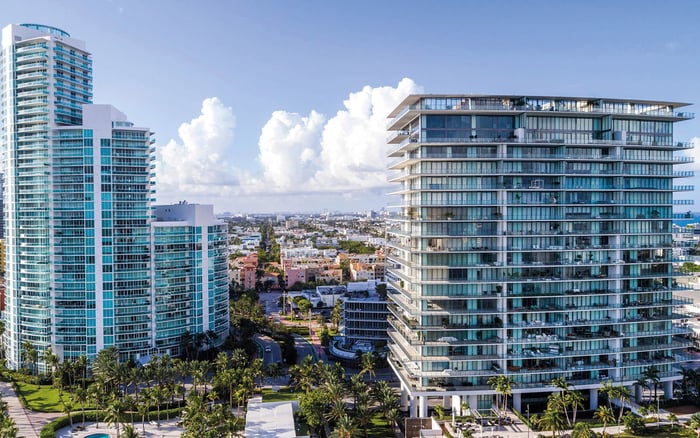
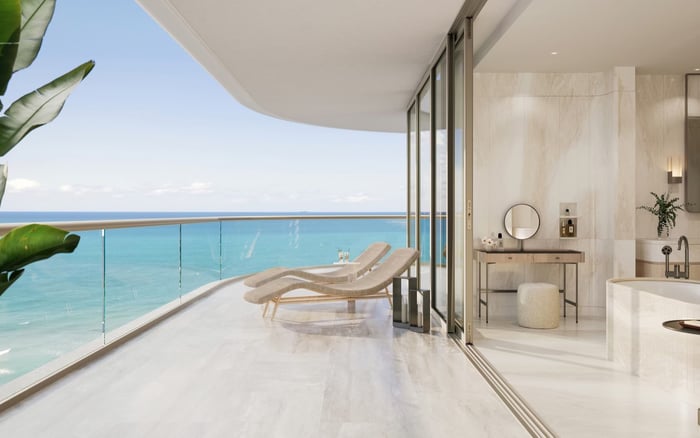
A buyer-oriented reading of the daily-life considerations around a branded Miami residence, from neighborhood rhythm and dining habits to club culture and realistic beach access.
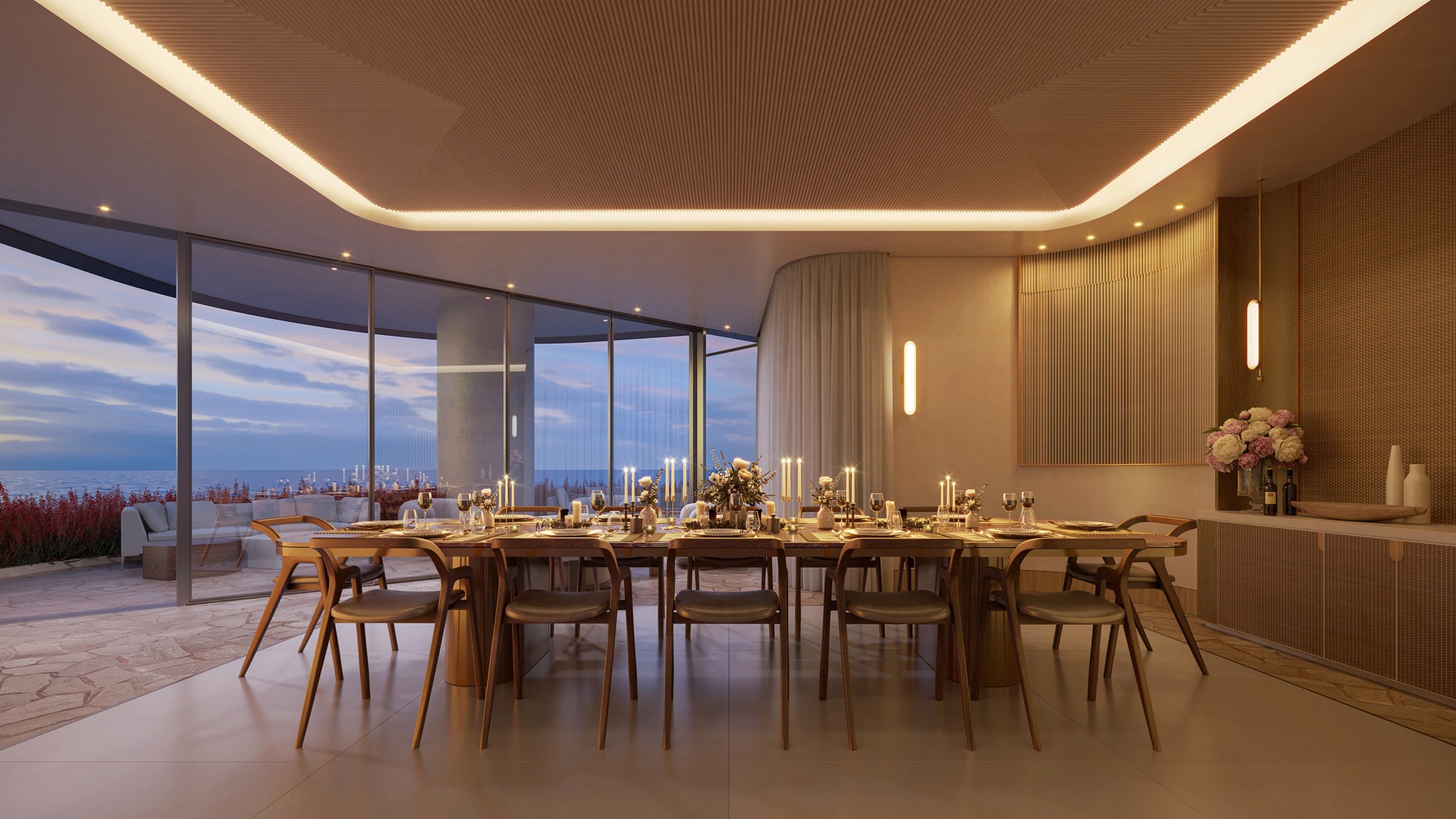
For a luxury buyer, the appeal of The Residences at Mandarin Oriental, Miami extends beyond the residence itself. The more consequential question is how the surrounding city feels on an ordinary Tuesday: where breakfast fits, whether dinner requires planning, how easily a club becomes part of the week, and whether the beach is a genuine habit or an occasional expedition.
This is the distinction between an impressive property and a satisfying Miami base. Architecture, service, and private amenities define the internal experience; neighborhood texture determines how naturally it connects to the wider city. Buyers should therefore assess the area at several speeds: on an early walk, during a midday appointment, after an evening arrival, and on a weekend departure toward the coast.
Texture is the accumulation of small choices available beyond the lobby. It encompasses the visual quality of the streetscape, the transition between private and public space, the presence of places suited to a quick meeting, and the ease of moving between quiet residential moments and a more energetic urban scene.
A useful test is whether the neighborhood supports spontaneity without compromising discretion. Can a resident leave home for coffee, a working lunch, or an unplanned dinner without turning every outing into a formal itinerary? Equally important, does returning home feel composed after a busy evening?
The answer is personal. Some buyers prefer a highly animated setting; others want separation with access on demand. Comparing the atmosphere around the Mandarin Oriental proposition with a distinctly urban option such as The Residences at 1428 Brickell can clarify which version of Miami feels more intuitive.
Dining should be evaluated as more than a collection of fashionable reservations. For residents, its deeper value lies in range: a polished room for entertaining, an easy table after a late return, a dependable lunch setting, and options that remain appealing after the novelty fades.
Rather than compile a wish list, buyers can map a prospective week. Consider where a private breakfast meeting would take place, how dinner works when guests arrive unexpectedly, and whether a preferred evening requires a car. The objective is not to maximize the number of nearby restaurants, but to understand whether the dining ecosystem suits the household’s rhythm.
This is also where Brickell comparisons prove useful. A project such as Cipriani Residences Brickell signals a different hospitality vocabulary through its identity alone. Touring multiple settings can reveal whether the buyer prioritizes branded continuity, neighborhood variety, or the freedom to alternate between the two.
Private clubs can extend the social life of a residence, but membership has value only when it fits naturally into the calendar. Buyers should distinguish among places used for business, wellness, dining, family time, and evening socializing. The essential questions concern admission, guest policies, privacy, programming, and the practical journey from home.
The same discipline applies to bars. Proximity matters less than compatibility. A sophisticated buyer may value one discreet setting suited to conversation more than numerous high-energy venues. Sound, arrival patterns, parking activity, and late-night pedestrian movement warrant direct observation, particularly when the residence will serve as a primary home.
Club culture can also reveal the desired balance between familiarity and discovery. Some owners want a consistent social room; others prefer a residence that serves as a calm launch point for several Miami districts. Neither is inherently superior. The right answer is the one that reduces friction in the life the buyer already leads.
In Miami, beach access deserves a practical interpretation. Buyers should examine the full door-to-sand sequence: departure from the residence, likely transportation, traffic variability, parking or drop-off, preferred entry point, and the return home with guests or beach equipment. A route that appears short on a map can feel very different depending on timing and routine.
Those who expect daily ocean use may wish to compare this city-based proposition with a coastal residence such as The Ritz-Carlton Residences® Miami Beach. This is not simply a contest between city and sand. It is a way to determine whether the buyer prefers immediate coastal immersion or a broader urban base with beach days folded into the schedule.
Seasonal owners should make the same assessment through the lens of their guests. If weekends regularly involve children, multiple cars, or hosted lunches, logistics carry more weight than they do for a couple making an early solo visit.
The strongest buying decision aligns the residence, neighborhood, and mobility pattern. A buyer’s checklist should address waterfront exposure, arrival privacy, morning walkability, dining flexibility, club use, beach logistics, and the atmosphere after dark. Each factor should be weighted by frequency, not prestige.
A view may define the first impression, but a smooth ten-minute routine can shape satisfaction far more often. Likewise, a celebrated social address may prove less useful than a quieter setting that makes workdays, family visits, and departures effortless. Luxury is ultimately the removal of recurring friction.
The most revealing exercise is to write two sample days. One should reflect normal life, including work, exercise, meals, and errands. The other should capture a hosted weekend. If the location performs elegantly in both scenarios, its lifestyle proposition is likely more durable than any single amenity.
What should buyers examine first around the residence? Begin with the daily route from the lobby to coffee, meetings, dining, and the evening return.
Is walkability enough to define neighborhood quality? No. Comfort, privacy, streetscape character, and the usefulness of nearby destinations also matter.
How should dining options be evaluated? Test whether they support routine meals, business occasions, guests, and spontaneous evenings.
Why do club policies matter before purchasing? Access, guest rules, privacy, and programming determine whether membership will be genuinely useful.
Should buyers visit the area at night? Yes. Evening traffic, sound, lighting, and arrival patterns can differ from daytime conditions.
What does practical beach access mean? It means assessing the complete trip, including transportation, entry, timing, and the return home.
Is a waterfront residence the same as a beachfront residence? No. Buyers should distinguish water outlook and access from immediate proximity to ocean sand.
How can seasonal owners test the location? They should model peak weekends, guest arrivals, dining plans, and beach-day logistics.
Do branded residences remove the need for neighborhood research? No. Service can refine life inside the property, while the surrounding area shapes life beyond it.
What is the best final test before buying? Compare a normal weekday with a hosted weekend, then identify any recurring points of friction.
For a tailored shortlist and next-step guidance, connect with MILLION.
If branded residences are on your mind — as a home or as an allocation — we would be glad to share what we are seeing, privately.
Begin a quiet conversation