A disciplined framework for deciding whether Alina's project identity, residence quality, ownership structure, and resale positioning justify the premium attached to its name.
A recognized residential name can shape a buyer’s first impression. It may signal a coherent design language, a polished arrival, attentive service, or an address with social currency. Yet none of those impressions establishes the value of an individual residence.
For buyers considering Alina Residences Boca Raton, the useful question is not whether the name feels premium. It is whether the particular home, ownership structure, operating model, and likely resale audience justify the asking price. That distinction matters in Boca Raton, where affluent buyers can compare multiple expressions of luxury within the local market.
A name-driven premium should be evident in the lived experience and defensible at resale. If it rests mainly on presentation, scarcity language, or a beautifully staged first encounter, it may prove fragile once the buyer becomes an owner.
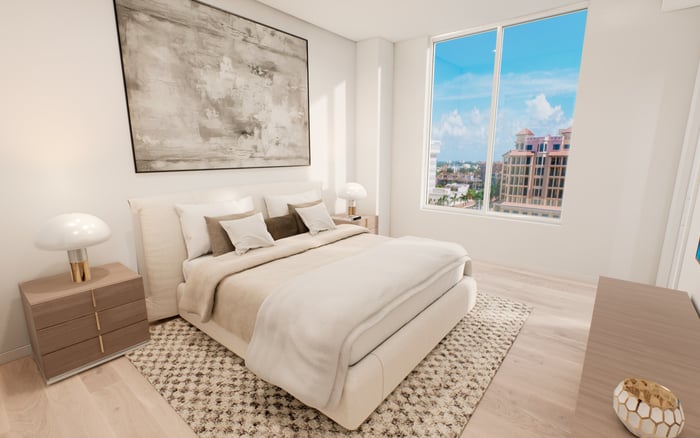
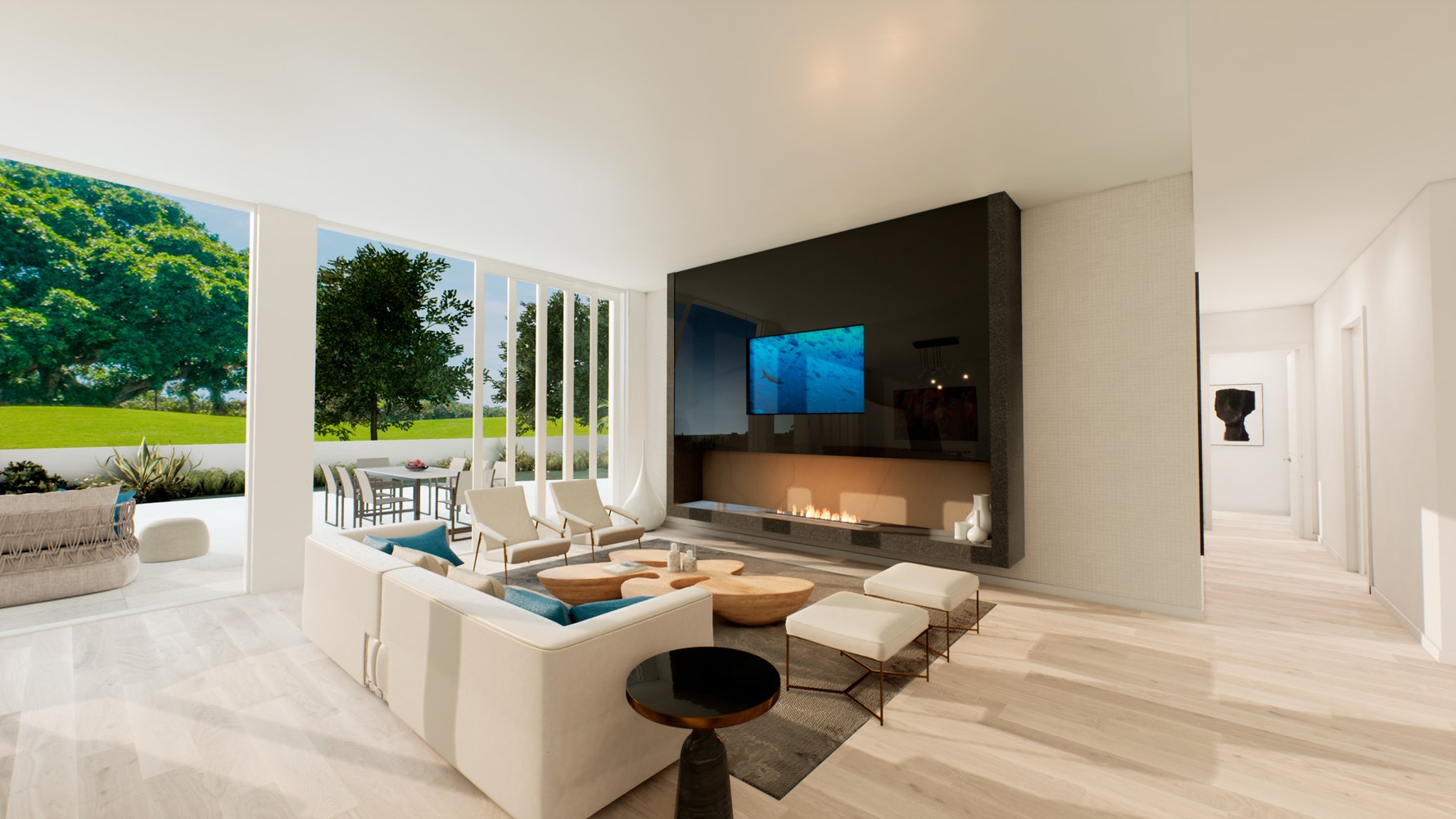
Begin with the home itself. Evaluate the floor plan as if the project name were concealed. Study usable interior space, room proportions, furniture placement, circulation, storage, exposure, privacy, and the relationship between indoor and outdoor areas. A generous headline size can still conceal awkward passages or space that contributes little to daily life.
Next, examine the qualities that vary within a single property. Elevation, orientation, neighboring sightlines, noise, elevator proximity, parking convenience, and terrace usability can create meaningful distinctions among residences carrying the same name. The premium should attach to attributes a future buyer can immediately perceive, not merely to membership in the building.
This unit-first discipline is especially valuable in new-construction purchasing, where renderings can make several floor plans appear equally compelling. Buyers should test dimensions against their furniture, entertaining habits, work patterns, art, wardrobe, and seasonal occupancy.
Luxury finishes warrant scrutiny beyond brand labels. Ask what is included in the purchase price, what constitutes an upgrade, what may be substituted, and what level of completion will be delivered. Review cabinetry operation, stone selection, appliance integration, lighting, hardware, glazing, flooring transitions, waterproofing, acoustic separation, and the treatment of service areas.
The objective is not to collect prestigious names. It is to determine whether the specifications create a durable, coherent interior that will age gracefully. A costly material can be poorly detailed, while a restrained palette can feel exceptional when fabrication and installation are precise.
Buyers should also distinguish the model residence from the contractual delivery. Confirm critical selections and tolerances in the governing purchase documents rather than relying on visual impressions. Where possible, involve qualified legal, design, inspection, and construction advisers before contingencies or review periods expire.
Amenities have value only when they improve an owner’s routine. A buyer who spends limited time in residence may value seamless arrival, security, maintenance coordination, and dependable service more than an extensive collection of spaces. A full-time resident may place greater weight on daily access, reservation policies, guest privileges, staffing, and operating hours.
Translate the offering into annual use. Estimate how often each meaningful service or amenity will be used, then weigh that benefit against recurring assessments and other ownership costs. Clarify what is included, what carries a separate charge, and what could change after turnover or as operations mature.
This is where investment analysis should become deliberately unglamorous. Model acquisition costs, recurring expenses, insurance responsibilities, taxes, financing where applicable, and a realistic holding period. The relevant premium is the total cost of ownership, not simply the difference between two asking prices.
A luxury residence is also a stake in a shared institution. Review budgets, reserves, insurance, maintenance obligations, association powers, approval procedures, leasing rules, pet provisions, renovation controls, guest access, parking rights, storage rights, and any commercial relationships affecting operations.
Service quality depends on more than an elegant lobby. Ask how standards are defined, who is accountable for delivering them, and how owners can respond if performance falls short. Determine whether any valued identity, management arrangement, or service relationship can change-and what that could mean for both costs and market perception.
The strongest premium is supported by governance that protects the physical asset while remaining practical for owners. Restrictive rules can preserve consistency, but they can also limit flexibility and narrow the future buyer pool.
Do not compare Alina only with properties selected to make it appear favorable. Tour alternatives, normalize prices for meaningful unit differences, and compare documents as closely as finishes. Glass House Boca Raton can serve as one local reference point, while The Residences at Mandarin Oriental Boca Raton and Mr. C Residences Boca Raton broaden the exercise across distinct project identities.
This is not a contest to identify a universally superior property. It is a method for isolating what the buyer is actually paying for: the residence, location fit, service proposition, operating structure, scarcity, or name recognition. Buyer’s guides and pricing-and-trends discussions are most useful when they sharpen that distinction rather than replace individual diligence.
Once comparisons are normalized, assign value to the features that matter personally and will remain legible to a future buyer. Strong natural light, functional planning, privacy, protected usability, convenient parking, and clear ownership rights are easier to defend than atmosphere alone.
Negotiation should address the complete economic package. Depending on availability and transaction structure, buyers can examine price, deposits, closing obligations, parking, storage, upgrades, completion terms, and other written considerations. The goal is not simply to secure a concession, but to ensure that the premium remaining after negotiation corresponds to durable value.
What is a brand premium in luxury real estate? It is the portion of value buyers associate with a project’s identity, positioning, service expectations, and perceived resale recognition beyond the residence alone.
How should buyers test Alina’s asking price? Compare the specific residence with relevant alternatives after adjusting for layout, exposure, condition, rights, recurring costs, and delivery terms.
Should price per square foot decide the comparison? No. It is a useful reference, but it does not capture planning efficiency, privacy, outdoor usability, finish quality, or ownership restrictions.
Which unit attributes deserve the closest attention? Prioritize usable layout, light, views, privacy, noise, storage, terrace function, parking convenience, and elevator access.
Why do recurring costs matter to the premium? They determine the long-term cost of services and amenities, shaping both personal value and affordability for a future purchaser.
What documents should a buyer review? With qualified counsel, review the purchase contract, association documents, budgets, rules, insurance information, specifications, disclosures, and documents governing use rights.
How can buyers assess finish quality before closing? Compare contractual specifications with samples and completed work, then engage qualified professionals to inspect installation and permitted substitutions.
Can operating rules affect resale? Yes. Leasing, renovation, pet, guest, approval, and access rules can influence flexibility and narrow or expand the future buyer pool.
Is a recognizable name enough to protect value? No. Durable value also depends on the individual residence, upkeep, governance, operating costs, market fit, and execution over time.
What is the best final test before paying the premium? Ask whether you would still choose the residence at its full ownership cost if its name were removed from the presentation.
When you're ready to tour or underwrite the options, connect with MILLION.
If branded residences are on your mind — as a home or as an allocation — we would be glad to share what we are seeing, privately.
Begin a quiet conversation